
حوّل رؤى الذكاء الاصطناعي إلى أفعال منسّقة

الرائج الآن
Categories
Airbus A220 Engine Problems Ground Additional Airline
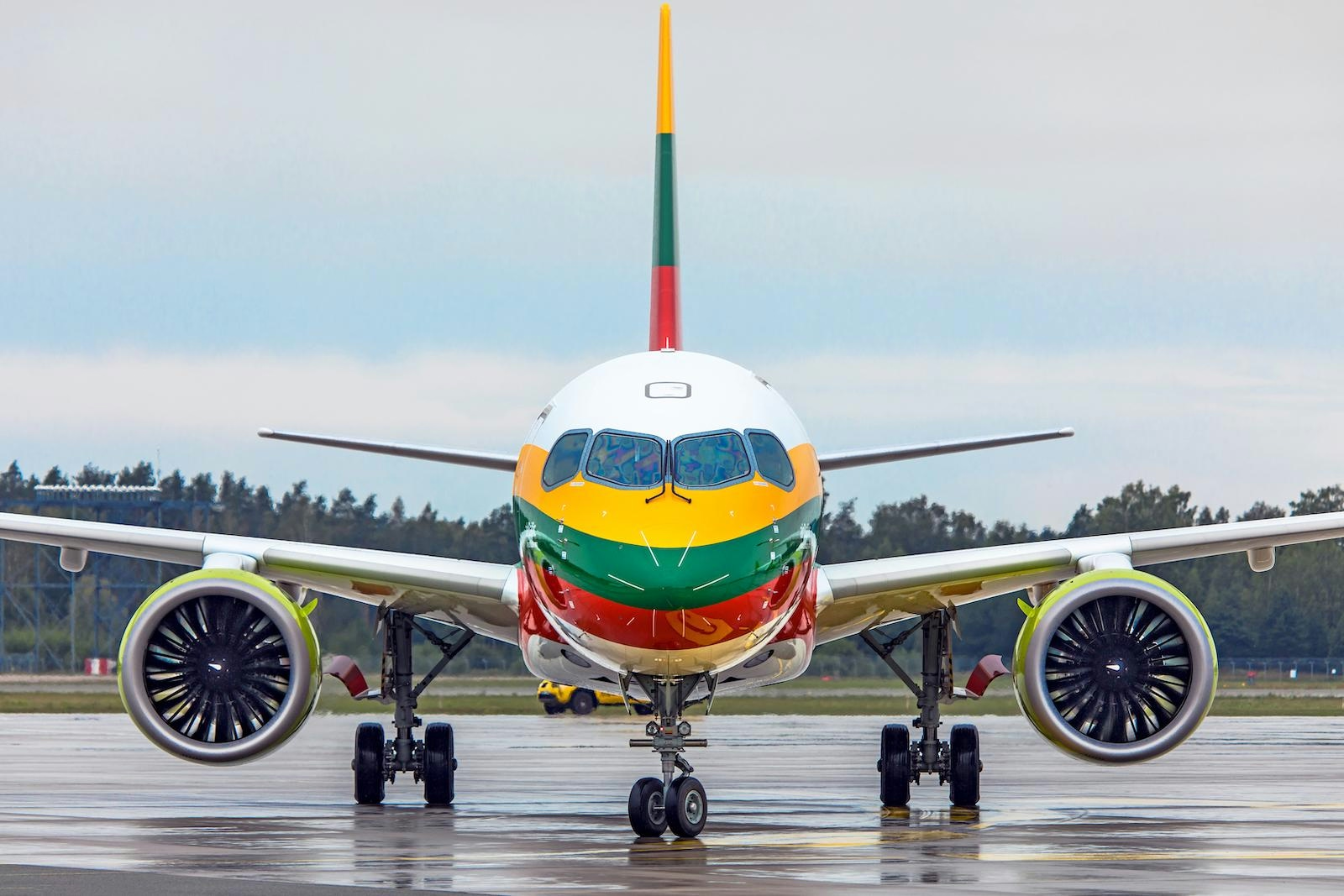
Airbus A220 Engine Problems Lead to Further Groundings
Airlines operating the Airbus A220 continue to grapple with persistent issues related to the aircraft’s exclusive Pratt & Whitney geared turbofan engines. These technical difficulties have already compelled EgyptAir to retire its entire A220 fleet, while Iraqi Airways has kept all five of its A220s grounded. Most recently, French carrier Air Austral has joined the list of operators withdrawing the type from service, citing concerns over engine reliability.
Regulatory and Financial Implications
The widespread grounding of A220 aircraft has attracted heightened scrutiny from aviation authorities, who are closely monitoring the situation and may introduce additional regulatory inspections. This increased oversight threatens to disrupt Airbus’s delivery schedules, as airlines reconsider their fleet strategies and delay new aircraft orders. For carriers dependent on the A220, the grounding of aircraft has resulted in significant financial strain, with lost revenue and rising operational costs compounding the challenges.
Market Reactions and Industry Impact
The negative publicity surrounding the A220’s engine problems has exerted pressure on Airbus’s stock performance. Meanwhile, competitors such as Boeing and Embraer have intensified their marketing efforts, positioning their aircraft as more reliable alternatives amid the uncertainty. Industry analysts observe that these manufacturers are actively seeking to capitalize on the situation by attracting airlines looking to avoid similar disruptions.
Affected airlines are reportedly exploring compensation claims and alternative solutions with Airbus as they strive to mitigate operational impacts. The ongoing engine issues not only jeopardize the reputation of the A220 program but also underscore the risks inherent in dependence on a single engine supplier.
As the situation evolves, the aviation sector will be closely watching Airbus’s response to both the technical challenges and the commercial consequences, while competitors seek to leverage the uncertainty to expand their market presence.

Etihad Airways Suspends Airbus A380 Flights on Key Route

Aditya Birla Group Seeks Approval for Aircraft Leasing in GIFT City

Qatar Airways Highlights Innovation and Connectivity at Arabian Travel Market 2026

Hong Kong's Five-Year Plan Includes Andrew Fan's Aircraft Parts Processing Hub Proposal

ACIA Aero Leasing Delivers ATR72-600 to Air Nostrum

RTX Appoints Jill Albertelli as Head of Pratt & Whitney

TAT Technologies Joins Beyond Aero Hydrogen Aircraft Program

AURAK Study Highlights Barriers to Air Taxi Adoption in Emerging Economies

Xiamen Air Selects Altitude for 787 Maintenance at Heathrow

Etihad and Swissport Extend Global Partnership
