
KI-Erkenntnisse in konkrete Maßnahmen überführen

Trends
Categories
FAA Proposes Mandatory Replacement of V2500 Compressor Blades
FAA Proposes Mandatory Replacement of V2500 Compressor Blades
Safety Concerns Prompt Regulatory Action
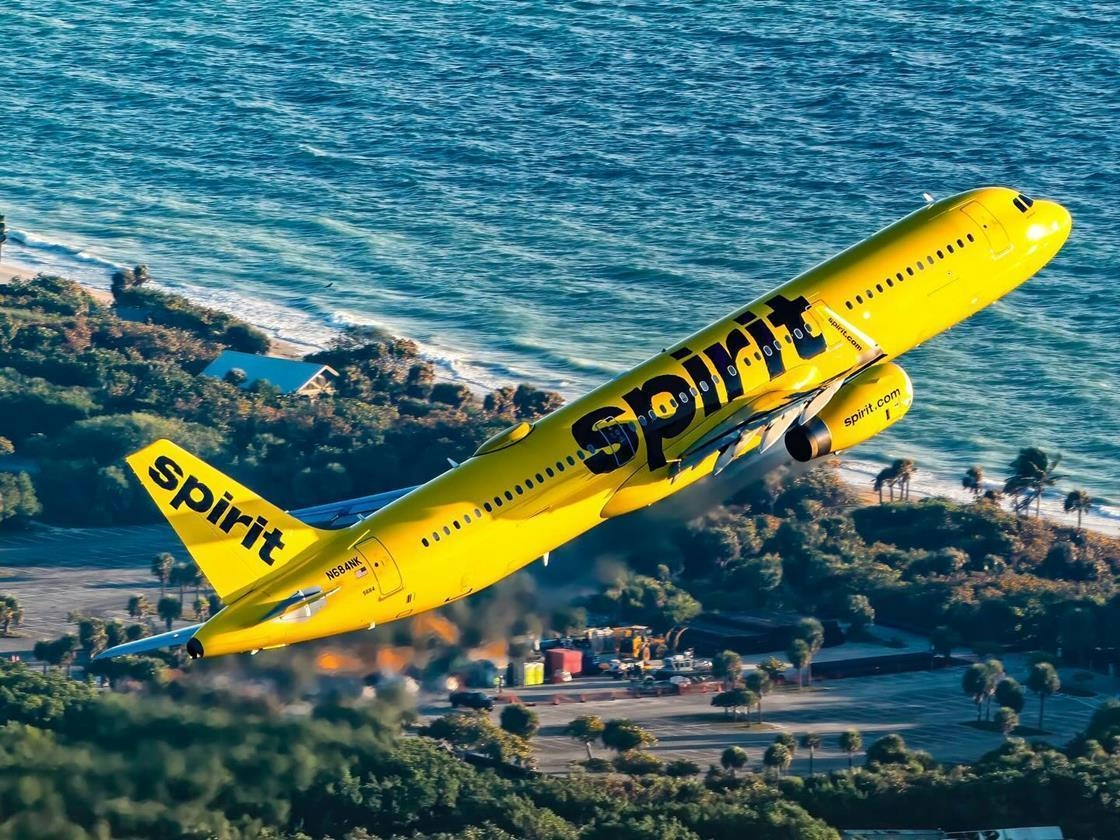
The Federal Aviation Administration (FAA) has announced a proposed rule mandating the replacement of third-stage high-pressure compressor rotor blades on 1,496 International Aero Engines (IAE) V2500 turbofan engines installed on U.S.-registered aircraft. This directive follows multiple incidents involving blade failures that have led to engine fires, unplanned removals, aborted takeoffs, and in-flight shutdowns. The affected fleet primarily consists of first-generation Airbus A320-family jets, along with Boeing MD-90s and Embraer C-390 military transports.
The FAA’s proposal highlights the susceptibility of these compressor blades to shroud wear and fractures, which pose significant safety risks during operation. The agency emphasizes that the measure is essential to maintain the continued airworthiness and reliability of the V2500-powered aircraft operating within the United States.
Manufacturer Response and Implementation Plans
Pratt & Whitney, a co-owner of IAE alongside Japanese Aero Engines and MTU Aero Engines, has indicated that the proposed rule aligns with prior guidance issued to operators. The manufacturer has developed an enhanced coating process for the blades’ shrouds, designed to improve durability, reduce wear, and mitigate the risk of fractures. This improved coating will be applied during scheduled maintenance intervals when the blades are accessible for replacement.
If the rule is finalized, airlines will be required to install the newly coated blades at the next maintenance opportunity involving blade exposure. While this approach integrates with existing maintenance schedules, it is expected to impose additional operational costs. Airlines may face extended downtime and increased expenses related to parts replacement, potentially affecting flight schedules and profitability, especially for carriers operating large fleets powered by the V2500 engine.
Industry and Market Implications
The FAA’s announcement has already influenced market dynamics, with potential impacts on the stock valuations of companies involved in the V2500 program, including Airbus and Pratt & Whitney. Industry analysts suggest that competitors may leverage this development to promote alternative engine options or emphasize improvements in their own engine reliability, seeking to attract airlines concerned about the V2500’s recent safety record.
The FAA is currently soliciting public comments on the proposed rule before proceeding with its finalization. The agency reiterates that the proposed mandate is a necessary step to uphold safety standards across the U.S. commercial aviation fleet.

Etihad Airways Suspends Airbus A380 Flights on Key Route

Aditya Birla Group Seeks Approval for Aircraft Leasing in GIFT City

Qatar Airways Highlights Innovation and Connectivity at Arabian Travel Market 2026

Hong Kong's Five-Year Plan Includes Andrew Fan's Aircraft Parts Processing Hub Proposal

ACIA Aero Leasing Delivers ATR72-600 to Air Nostrum

RTX Appoints Jill Albertelli as Head of Pratt & Whitney

TAT Technologies Joins Beyond Aero Hydrogen Aircraft Program

AURAK Study Highlights Barriers to Air Taxi Adoption in Emerging Economies

Xiamen Air Selects Altitude for 787 Maintenance at Heathrow

Etihad and Swissport Extend Global Partnership
