AeroGenie: il tuo copilota intelligente.

Tendenze
Categories
Howmet’s $1.8B CAM Deal Targets the Aerospace Supply Chain’s Pressure Points
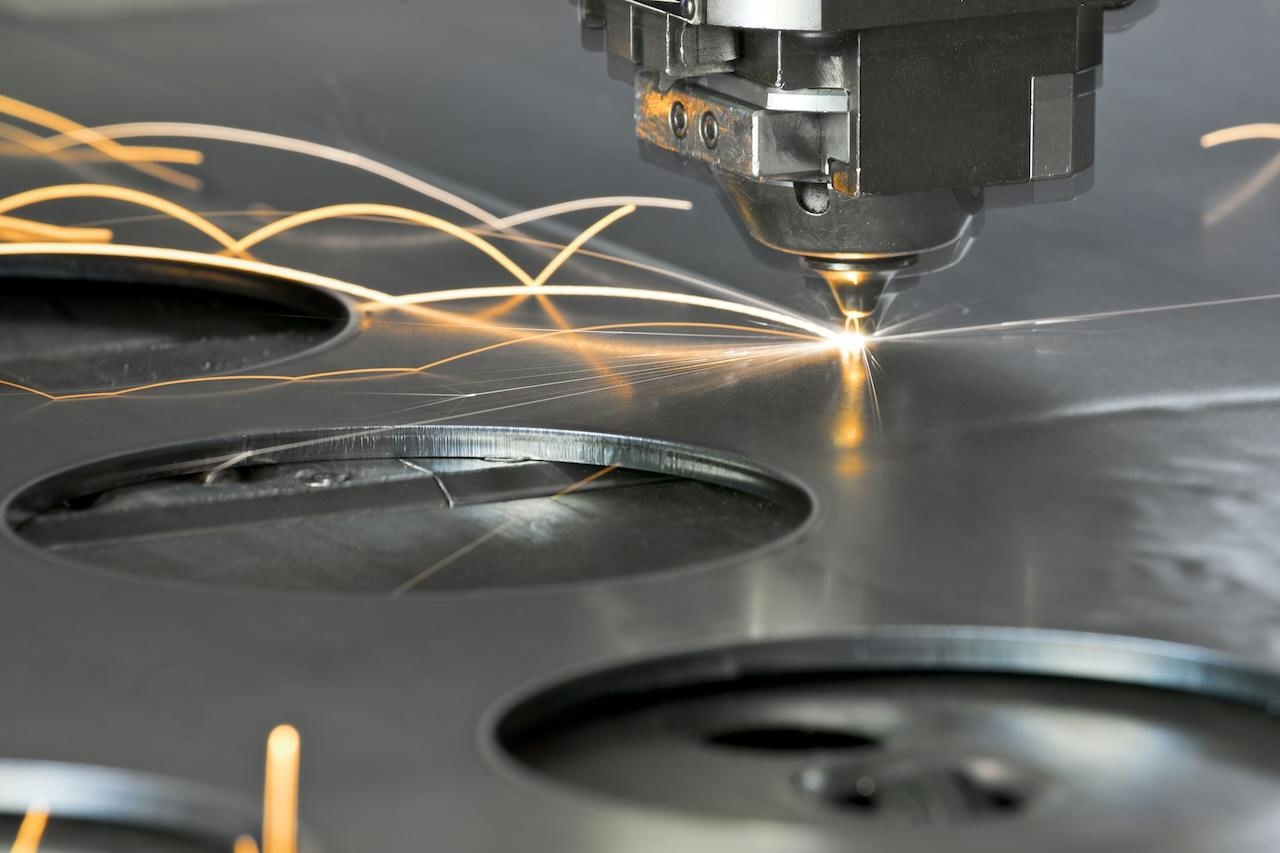
Howmet’s $1.8 Billion Acquisition of CAM Strengthens Aerospace Supply Chain Position
Howmet Aerospace has announced a landmark $1.8 billion all-cash acquisition of Consolidated Aerospace Manufacturing (CAM) from Stanley Black & Decker, marking a strategic effort to deepen its presence in aerospace manufacturing. Although CAM is not widely known outside the industry, its portfolio of precision fasteners, fluid fittings, latches, and engineered components plays a critical role in both commercial and defense aircraft globally.
Strategic Importance of CAM’s Product Portfolio
CAM’s extensive range of products includes well-established brands such as Bristol Industries, 3V Fasteners, Moeller, Aerofit, Voss Industries, QRP, E.A. Patten, and Prikos & Becker. These components are integral to major commercial aircraft programs, including Boeing’s 737 MAX and 787 Dreamliner, as well as Airbus’s A320neo, A350, and A330 platforms. The company also supplies parts for regional and business jets manufactured by Bombardier and Embraer.
On the defense front, CAM’s hardware is utilized in frontline fighter jets like the F-35 Lightning II, F-15 Eagle, and F/A-18 Super Hornet, alongside heavy transport and tanker aircraft such as the C-17 Globemaster III and KC-46. The company’s reach extends to military helicopters from Bell and Sikorsky, and it provides components for propulsion systems including GE Aerospace’s GEnx and LEAP engines, Pratt & Whitney’s Geared Turbofan, and Rolls-Royce’s Trent family. Additionally, CAM supplies fluid distribution systems and high-pressure fittings for commercial launch vehicles and missile defense platforms.
Financial Outlook and Industry Implications
Howmet projects that CAM will generate between $485 million and $495 million in revenue for fiscal year 2026, with adjusted EBITDA margins exceeding 20 percent prior to synergies. Factoring in expected cost synergies and tax benefits, the acquisition values CAM at approximately 13 times adjusted EBITDA. The transaction, anticipated to close in the first half of 2026 subject to regulatory and other approvals, underscores the ongoing consolidation within the aerospace supply chain, particularly in high-margin sectors such as precision fasteners and fluid systems.
While the acquisition offers significant strategic advantages, it also presents potential challenges. Regulatory scrutiny could delay the closing, and integrating CAM’s operations into Howmet’s existing framework may involve operational complexities or disruptions. Nevertheless, the deal positions Howmet to broaden its market reach and enhance its product offerings, reinforcing its status as a Tier 1 supplier to both commercial and defense aerospace customers.
Market Impact and Competitive Dynamics
The acquisition is expected to intensify competition among CAM’s rivals, who may need to recalibrate their strategies to sustain market share and customer relationships. For Howmet, incorporating CAM’s specialized brands will increase its content per aircraft across nearly all major platforms currently in production. As aircraft production rates accelerate and defense budgets remain strong, controlling these critical, hard-to-replace components could provide Howmet with enhanced pricing power, greater operational resilience, and increased strategic leverage with the industry’s largest customers.

AI-Driven Airline Pricing Adds to Holiday Travel Stress
HAL Nasik Shortlists Candidates for Chief Quality Manager Role in Civil MRO Expansion
High Ridge Aviation Acquires Aircraft from CDB and BBAM
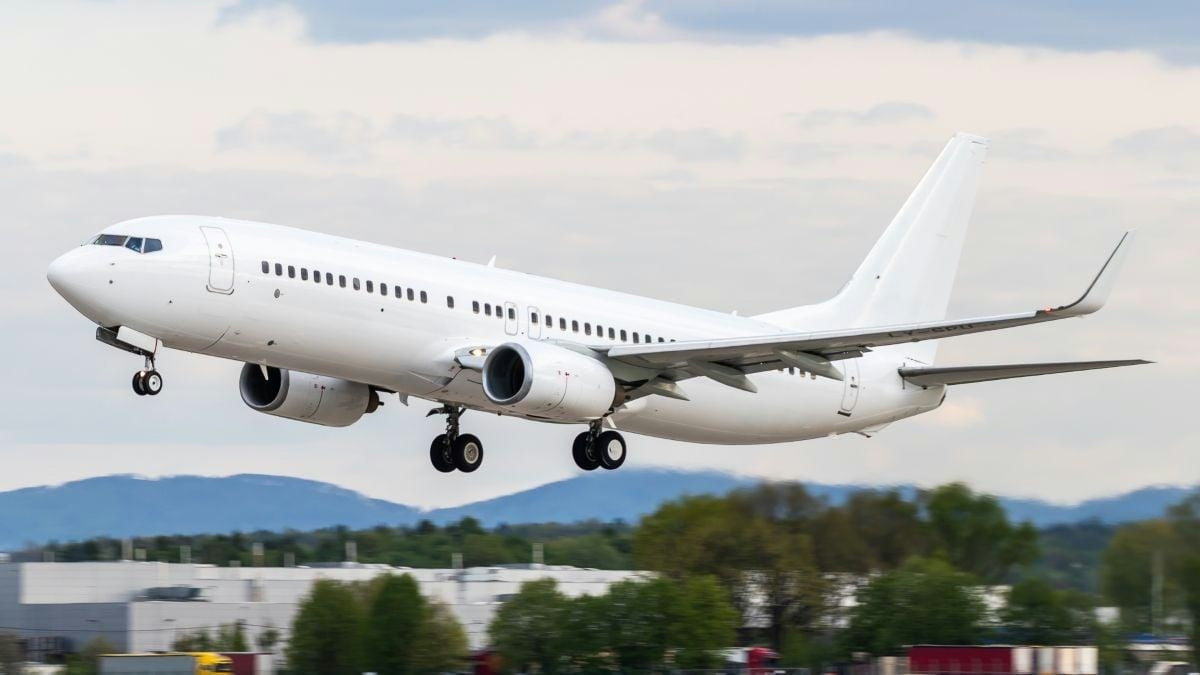
KlasJet Expands Air Peace Fleet with Boeing 737
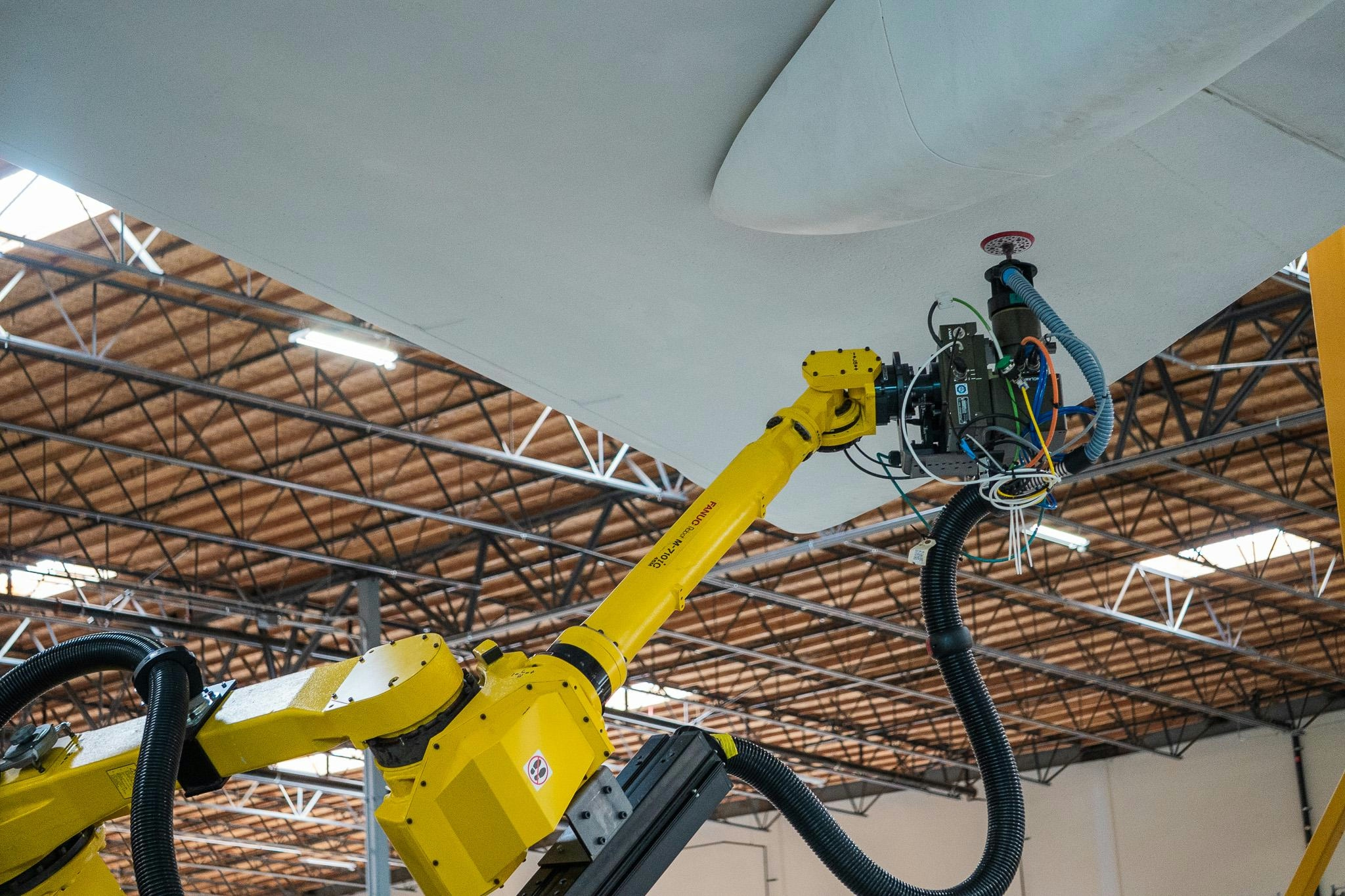
AI Transforms Training for Aviation Technicians
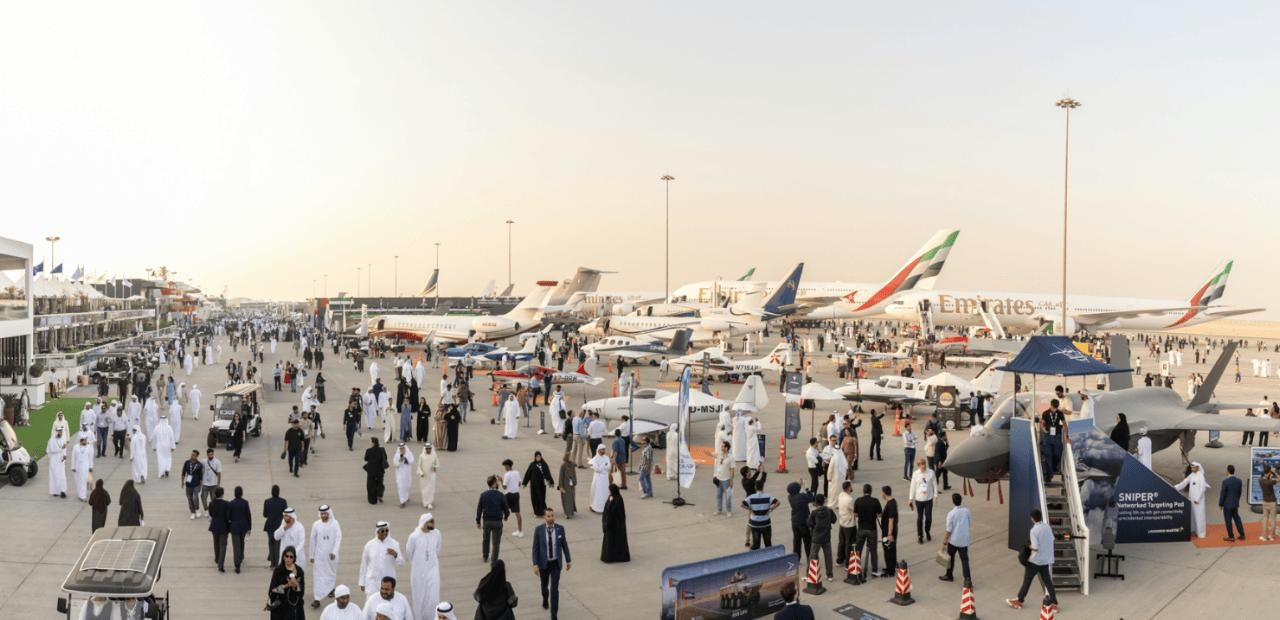
Dubai South Expands Aerospace Hub to Accommodate Growing Widebody Aircraft Demand
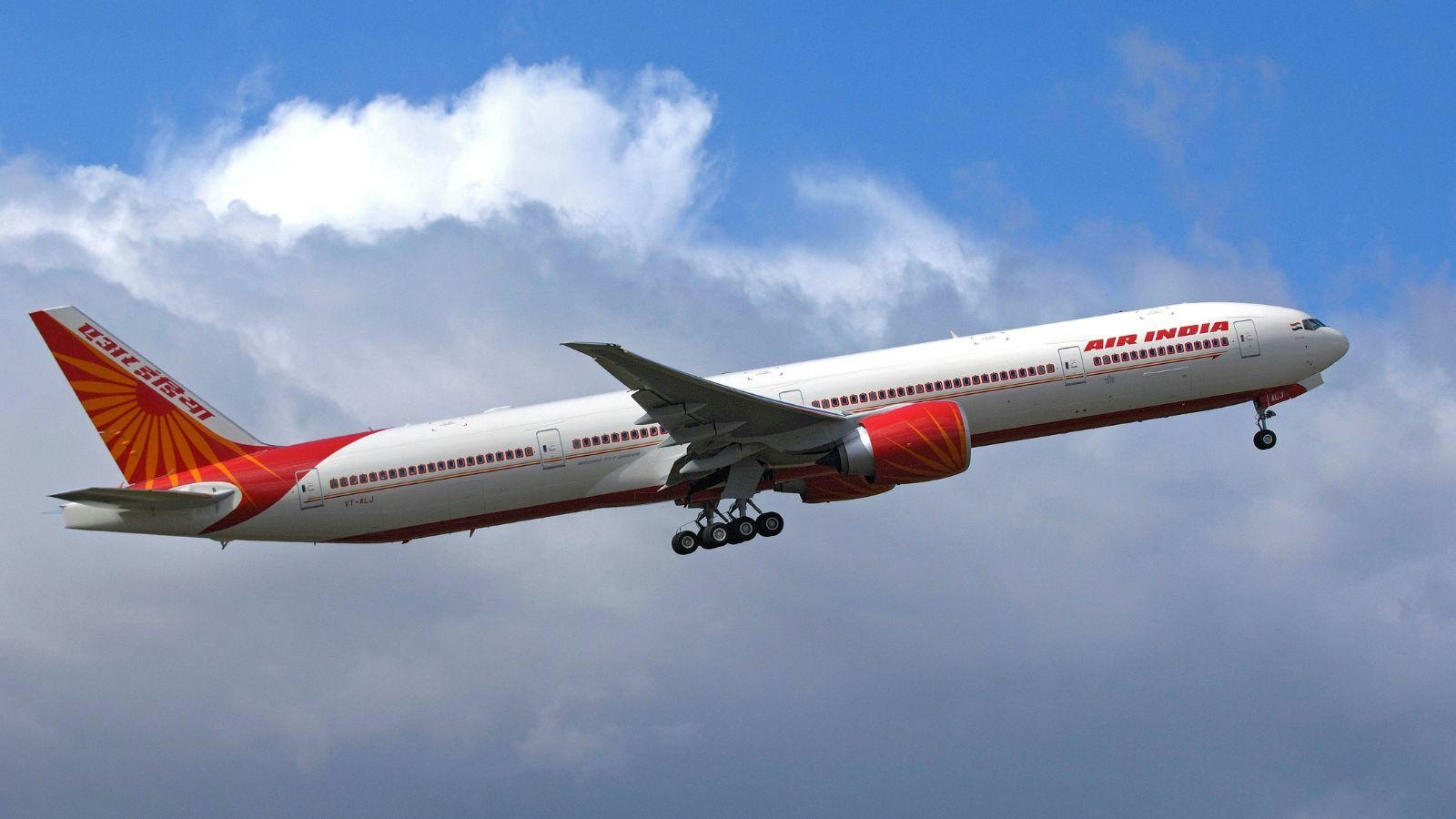
DGCA Investigates Engine Shutdown on Air India Boeing 777

Boeing Sees Order Growth and Delivery Recovery Amid Ongoing Challenges
Spain Orders 18 C295 Transport Aircraft