エアロジニー — あなたのインテリジェントな副操縦士。

現在のトレンド
Categories
Bjorn's Corner: Preparing Aircraft for Entry Into Service
Bjorn's Corner: Preparing Aircraft for Entry Into Service
As the aviation industry strives to accelerate the development of large airliners, manufacturers are actively seeking methods to shorten the timeline from initial concept through certification and production. This analysis focuses on the critical phase of preparing a new aircraft for entry into service (EIS), a pivotal milestone that demands thorough planning to ensure seamless operational deployment and to secure future business prospects.
Strategic Foundations for Entry Into Service
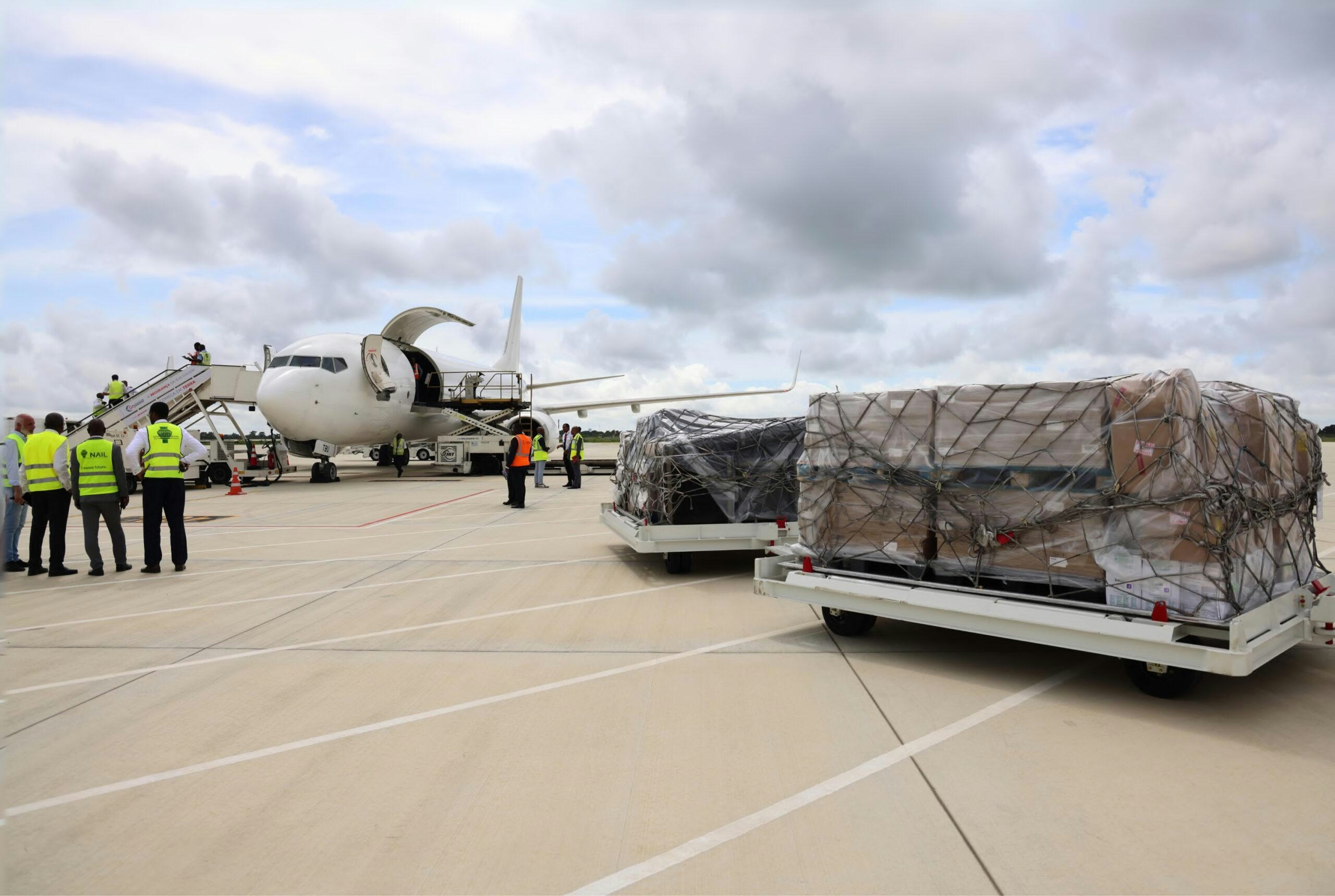
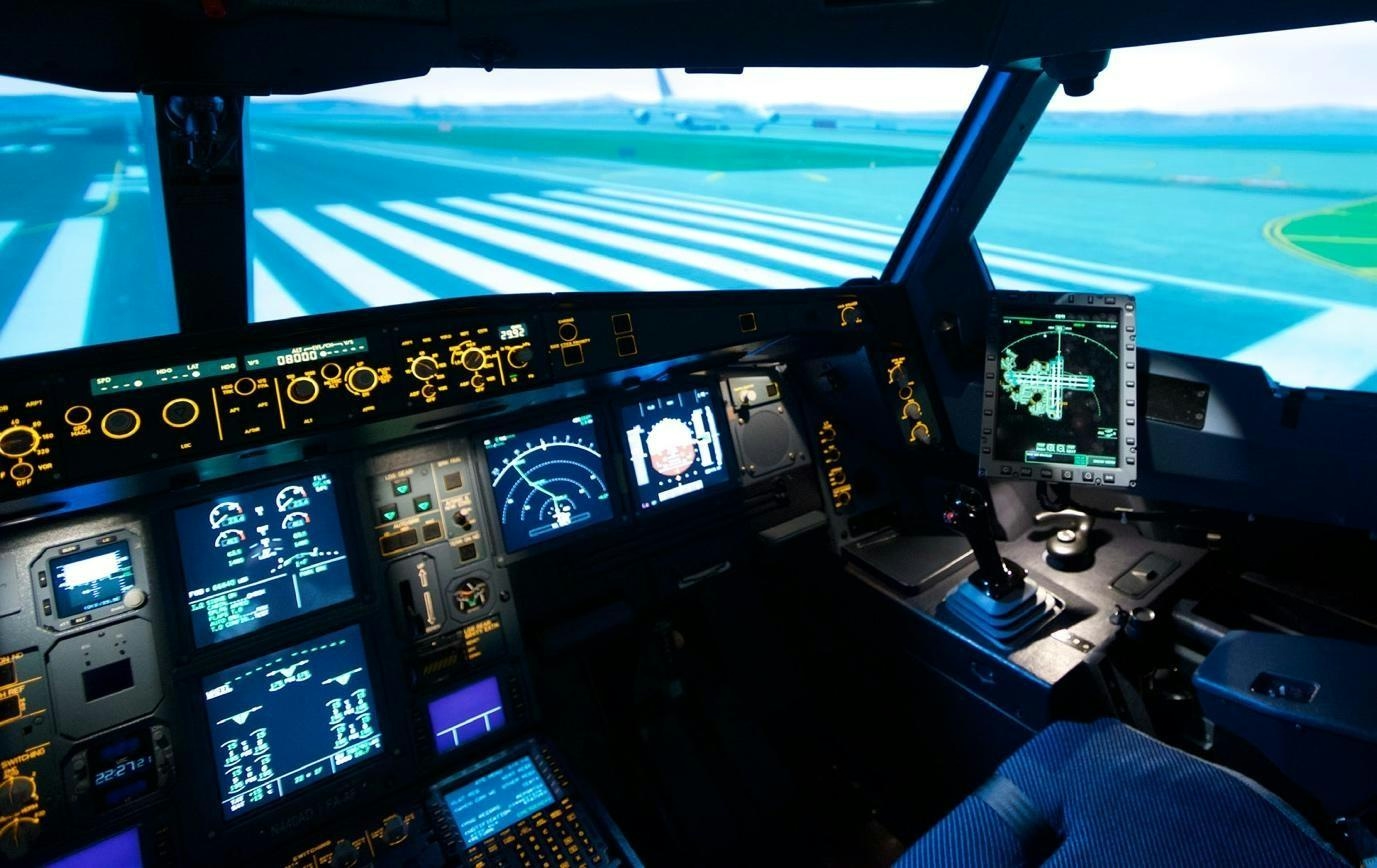
The delivery of the first aircraft to an airline customer marks a significant transition from manufacturing to operational use. Original equipment manufacturers (OEMs) must carefully orchestrate this phase, which typically begins 12 to 18 months prior to delivery. Early strategic decisions made during the conceptual design phase play a crucial role in shaping customer support frameworks. For startup OEMs in particular, choices regarding pilot training—whether conducted internally or outsourced—along with the development and certification of simulators, directly influence the program’s viability.
Beyond training, OEMs must establish comprehensive support infrastructures, including spare parts inventories, logistics networks, technical documentation, ground support equipment, and maintenance, repair, and overhaul (MRO) capabilities. A well-articulated customer support plan is indispensable when presenting the aircraft to potential buyers, as it demonstrates readiness to support operational demands from the outset.
Navigating Market Volatility and Operational Challenges
The EIS process unfolds against a backdrop of considerable market uncertainty. Economic and political instability in regions such as Latin America and the Caribbean complicate demand forecasting and airline operations. Extended delivery lead times further challenge airlines’ ability to anticipate market shifts and maintain profitability. The industry is increasingly sensitive to policy fluctuations; sudden changes in tariffs, interest rates, or economic indicators can introduce volatility that affects both manufacturers and operators.
Supply chain disruptions remain a persistent risk, with issues such as temporary fuel shortages or tariffs on essential materials threatening both production schedules and the operational readiness of new aircraft. These factors underscore the importance of robust collaboration between OEMs and airline customers to mitigate risks and ensure preparedness.
Ensuring Operational Readiness Through Collaboration
Preparing the customer for EIS involves more than delivering the aircraft; it requires integrating the OEM’s support team and key suppliers with the airline’s operational framework. This integration clarifies roles and responsibilities, fostering effective working relationships essential for addressing any gaps in readiness.
A primary focus is ensuring the airline comprehends the maintenance plan and the recommended spare parts inventory. This understanding enables airlines to allocate appropriate personnel and tools across relevant locations, ensuring that necessary components are available when and where they are needed. By anticipating potential disruptions and establishing resilient support systems early, OEMs enhance the likelihood of a successful entry into service, even amid an increasingly unpredictable global environment.
Boeing's Orders and Deliveries Forecast for 2025

MSC Air Cargo Expands Long-Haul Fleet with Second Italian-Registered 777F
How the Airbus A350-1000 Compares to the Boeing 747 in Size
Airbus Outpaces Boeing as Aircraft Order Backlog Falls to 12 Years in 2025

Addressing Supply Constraints Amid Rising Demand

Delta Air Lines Joins Frontier, JetBlue, and American in Major Airbus Orders
easyJet Adds Sharklets to Its Final Airbus A320ceo Aircraft
Commercial Aerospace in 2026: Advances from Self-Healing Parts to Space-Based MRO

Ground Handling Challenges and Innovations in the Nordic Region