AeroGenie — 您的智能副驾驶。

热门趋势
Categories
Canada’s Rise Air Moves Medevac Services to Saskatoon
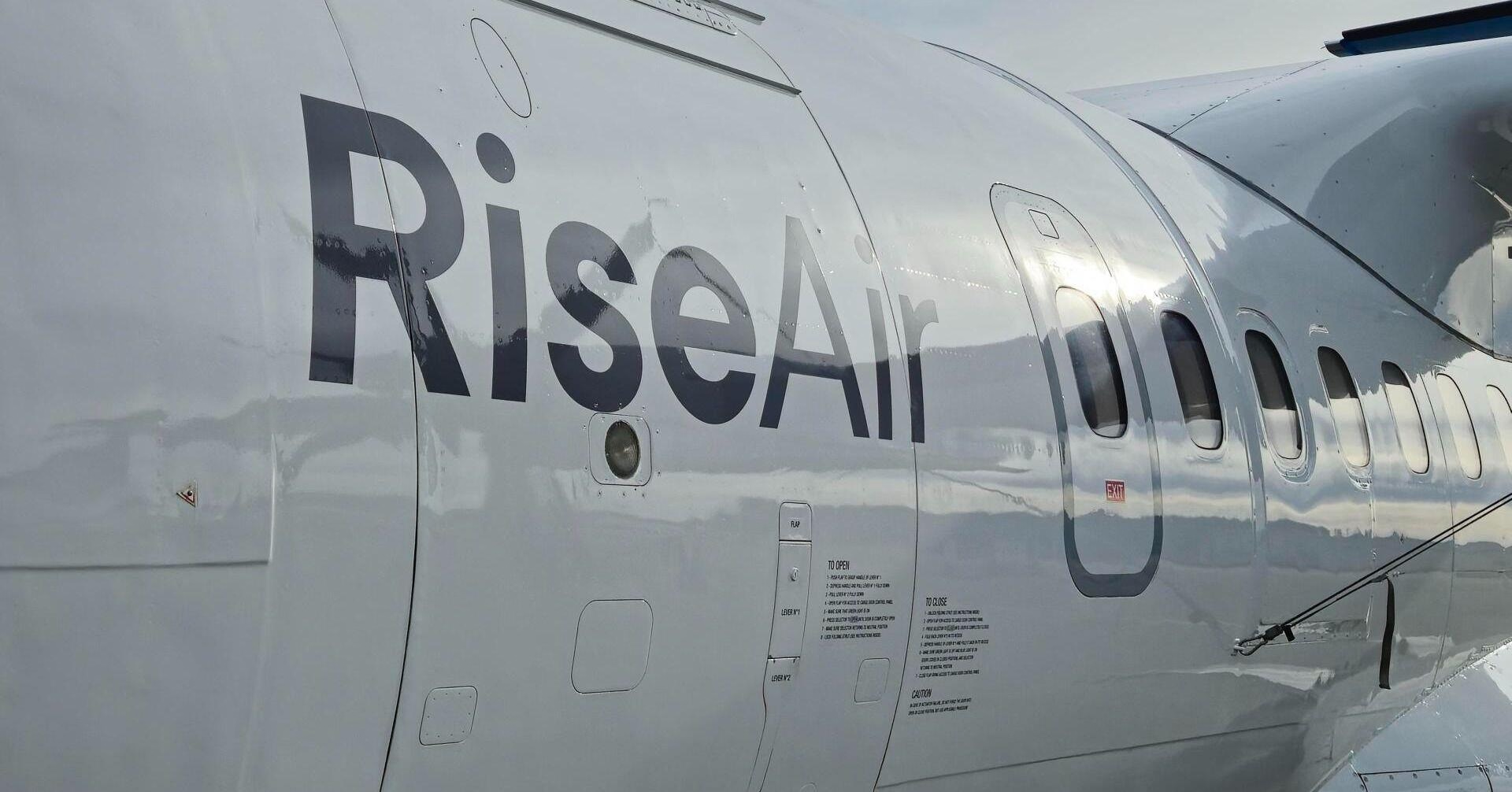
Canada’s Rise Air Relocates Medevac Services to Saskatoon Amid Wildfires
Rise Air has temporarily transferred its medevac operations from La Ronge to Saskatoon in response to the ongoing wildfires affecting communities across Saskatchewan. This strategic relocation, effective June 3, aims to ensure continued medical evacuation services amid evacuation orders and heightened safety concerns in the region.
Operational Adjustments and Fleet Deployment
Alongside the medevac fleet, several maintenance personnel have moved to Saskatoon, while others have been reassigned to Prince Albert to support operational continuity. Despite this shift, Rise Air confirms that its workforce transportation and charter services outside the La Ronge area remain uninterrupted. The airline has indicated that once evacuation orders are lifted, a dedicated clean-up team will return to La Ronge to facilitate the resumption of normal operations.
Rise Air’s diverse fleet, designed to meet both medevac and charter demands, includes a combination of turboprop and piston aircraft as well as a helicopter. According to ch-aviation data, the airline operates multiple models such as ATR42 variants, DHC-6 Twin Otters, Saab 340s, Beech 1900Ds, Beech King Airs, and a Bell 205 helicopter, among others. This varied fleet enables Rise Air to maintain flexibility in responding to medical emergencies and transportation needs across the region.
Market Context and Industry Implications
The relocation to Saskatoon places Rise Air in a competitive environment alongside established carriers like Air Canada and WestJet. Both major airlines have recently adjusted their transborder routes amid ongoing tensions between the United States and Canada, potentially reshaping the competitive dynamics in the region. While medevac services represent a specialized segment of the aviation market, industry analysts suggest that competitors may adapt their service offerings or routes in response to Rise Air’s operational changes to safeguard their market positions.
On a broader scale, the medevac and advanced medical transport sector is experiencing increased global attention. Initiatives such as the European Union’s development of uncrewed refueling and medevac capabilities underscore the evolving nature of medical aviation. These advancements may indirectly influence the Canadian market, prompting operators like Rise Air to navigate both immediate challenges, such as wildfire disruptions, and longer-term shifts in medical transport technology and strategy.
Rise Air has reaffirmed its commitment to maintaining essential medevac services throughout the disruption and intends to return swiftly to La Ronge once conditions permit.
Why the Boeing 777X Is Limited to a Single Engine Type

Malaysia Aviation Group Announces Long-Term Business Plan
Hartzell Launches Sky-Tec Starter Line
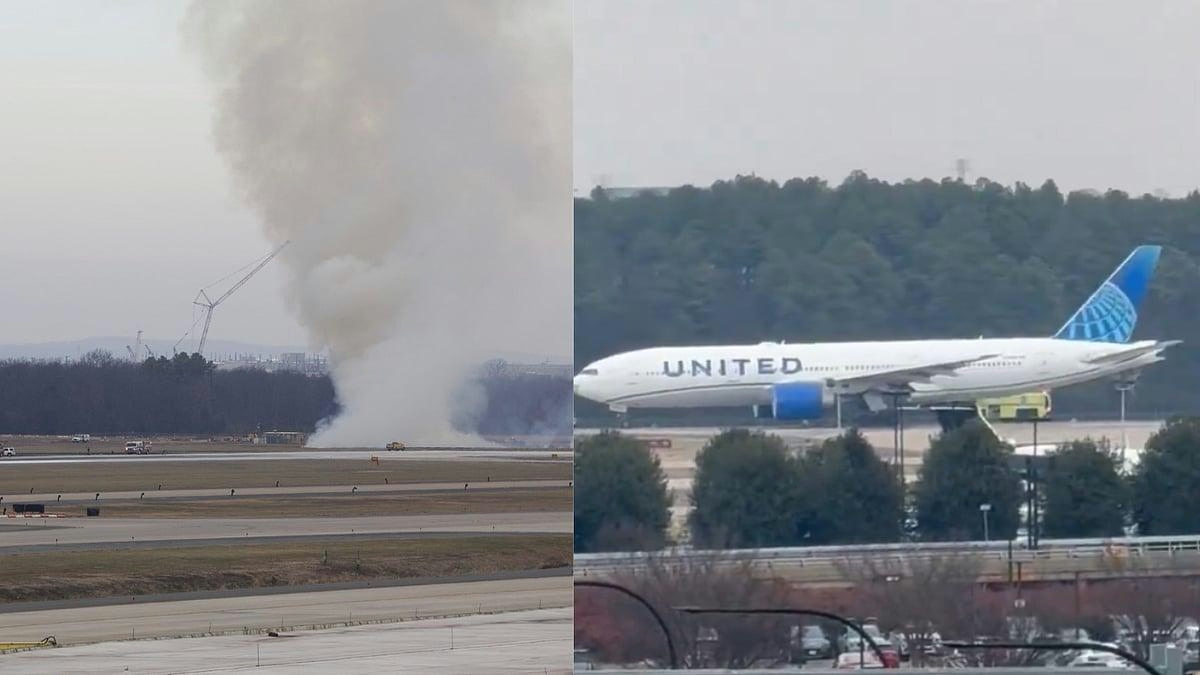
Boeing 777 Engine Failure Reported at Dulles Airport
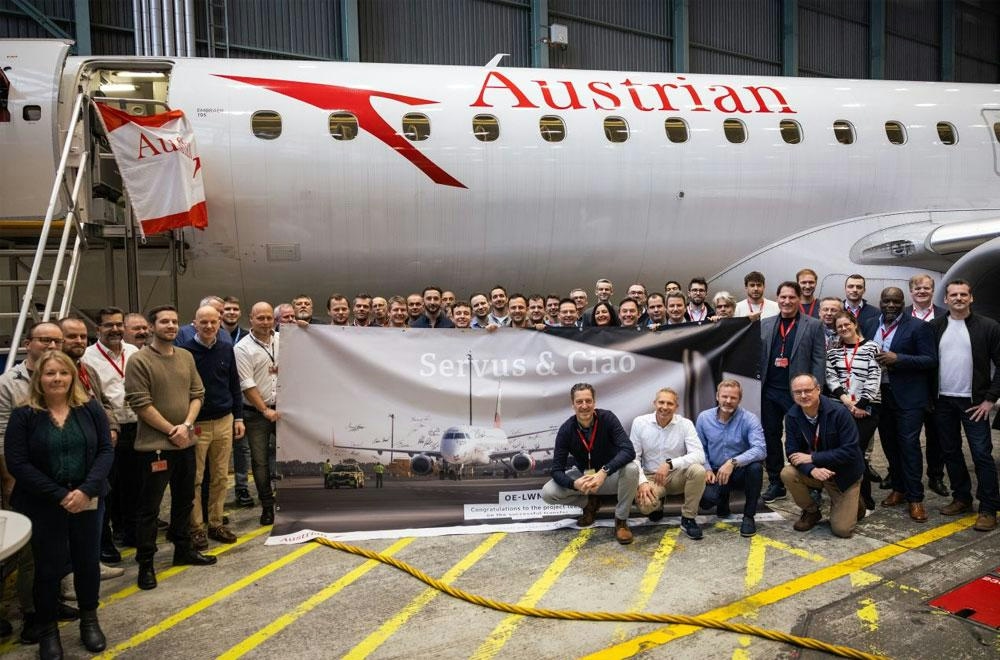
Austrian Airlines Transfers Embraer Fleet to Air Dolomiti
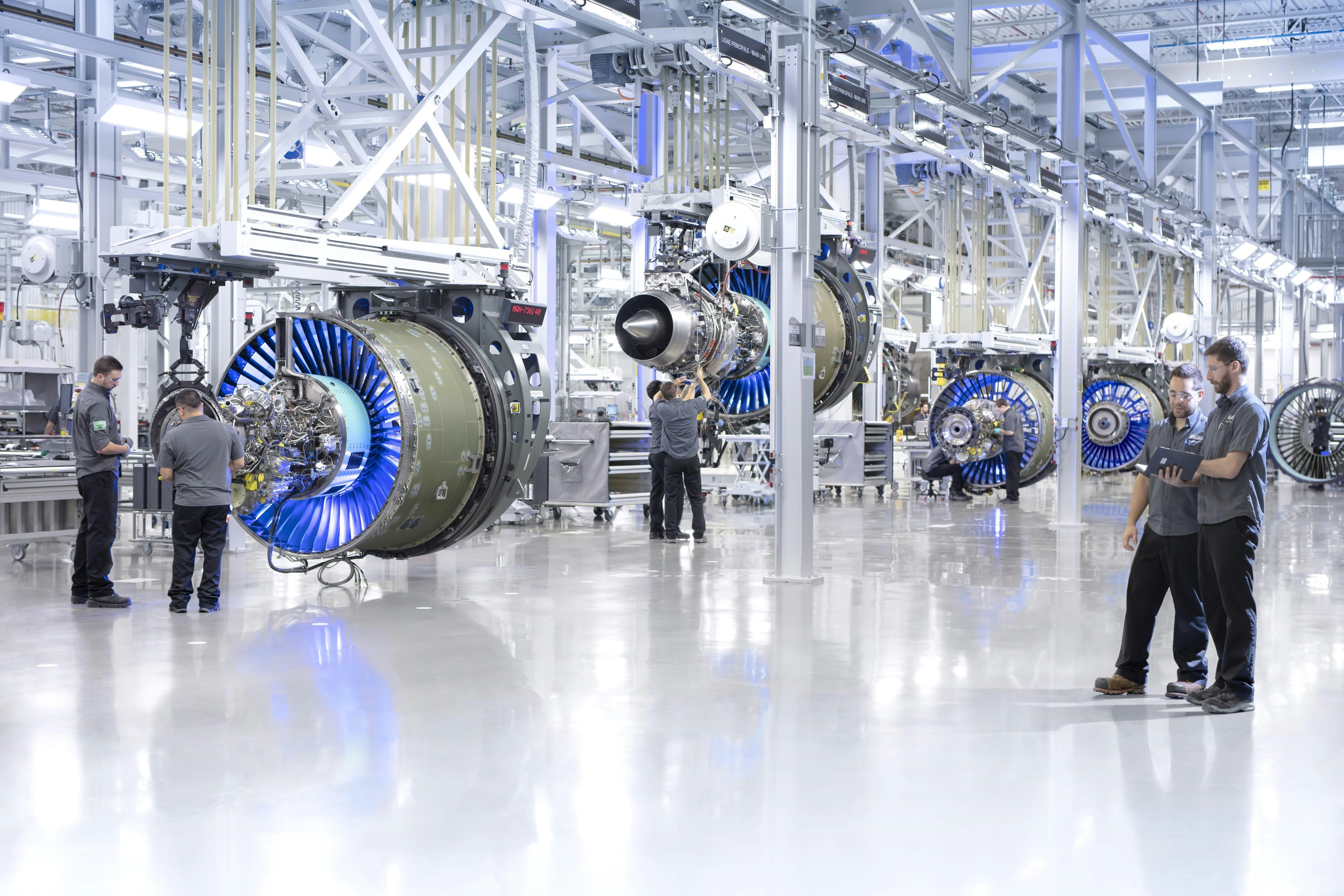
Airbus and Ingenium Open Aerospace Innovation Lab in Ottawa

Merlin Labs: AI Aviation Company with SPAC Downside Protection
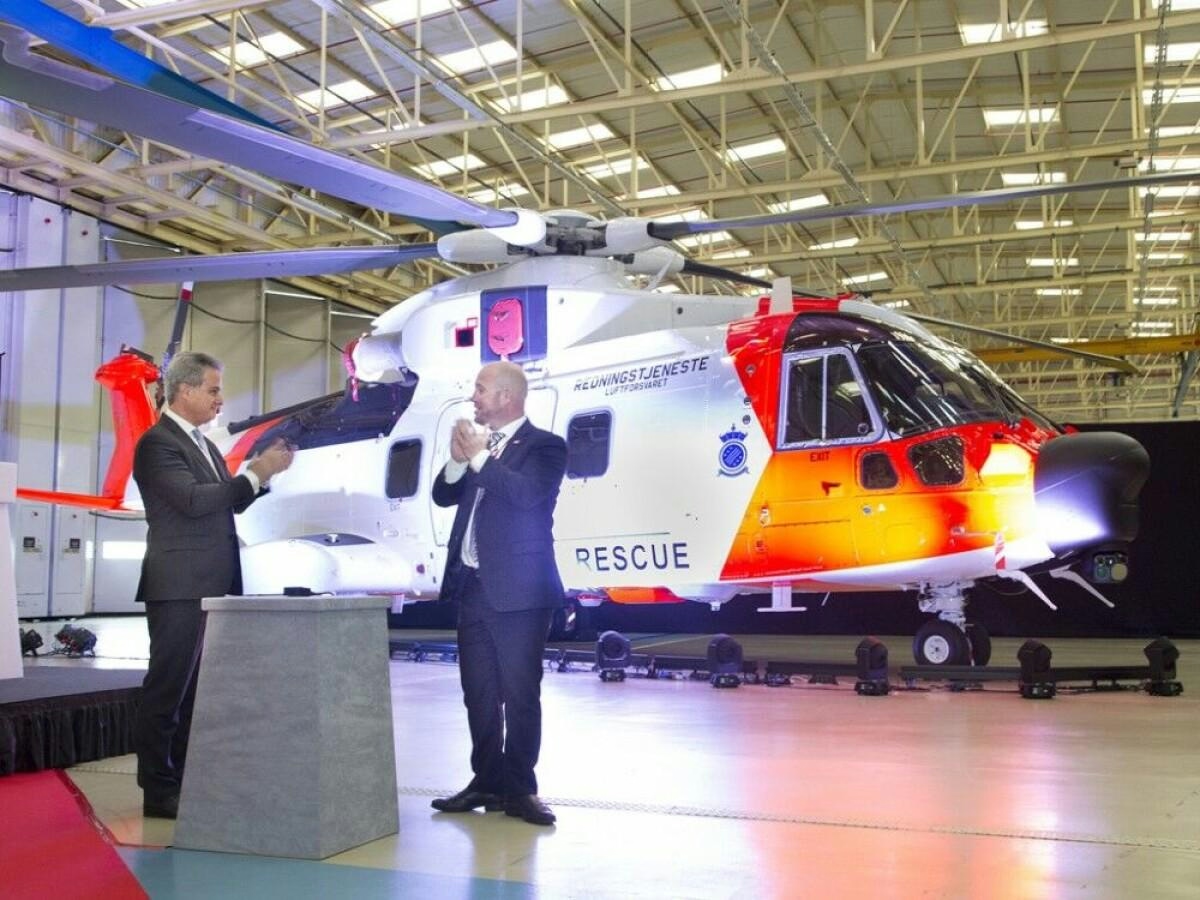
Heli-One Extends AW101 Search and Rescue Support in Norway
Falko Completes First Aircraft Sale in Japan