AeroGenie — Votre copilote intelligent.

Tendances
Categories
Air India 777 Returns to Airport After Engine Oil Pressure Drop, Regulator Reports
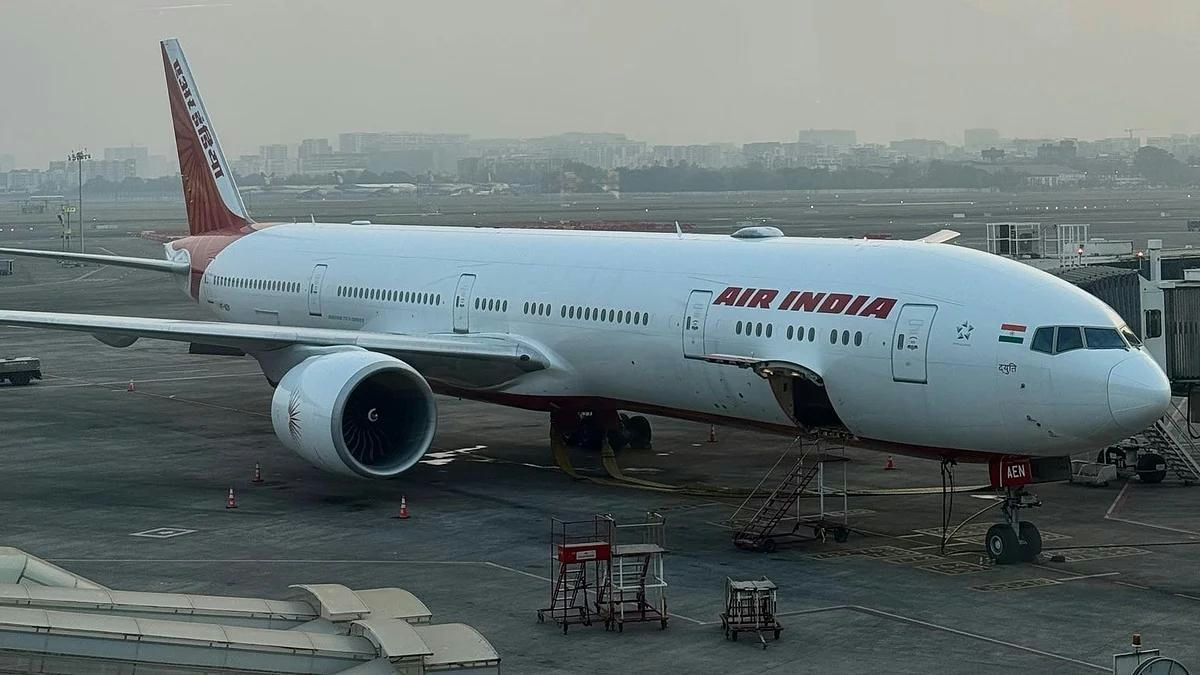
Air India 777 Returns to Delhi Following Engine Oil Pressure Drop
An Air India Boeing 777-300ER was compelled to return to Delhi shortly after takeoff on Monday due to a sudden drop in oil pressure in one of its engines, according to India’s aviation regulator. The aircraft, which was en route to Mumbai, landed safely after the flight crew shut down the affected engine as a precautionary measure. The Directorate General of Civil Aviation (DGCA) has confirmed that an investigation into the incident is currently underway.
Incident Details and Immediate Response
The DGCA reported that the oil pressure in the right-hand engine fell to zero during the retraction of the flaps shortly after departure. Following established safety protocols, the pilots promptly decided to return to the airport. The Boeing 777 is engineered to operate safely on a single engine if necessary, which allowed the aircraft to land without further complications. Air India issued a formal apology for the disruption, stating that the aircraft is undergoing thorough inspections. The 15-year-old plane has a history of operating international routes, including flights to Vienna, Vancouver, and Chicago.
Context and Regulatory Scrutiny
This event occurs amid intensified scrutiny of Air India’s safety standards. Earlier this year, the airline faced significant challenges, including a tragic crash of a Boeing Dreamliner in June that resulted in 260 fatalities. The DGCA has identified multiple safety lapses within the airline, which was state-owned until its recent privatization in 2022. An internal investigation earlier this month uncovered systemic failures after one of Air India’s aircraft operated commercial flights without a valid airworthiness certificate. The airline has acknowledged the need to enhance its compliance and safety oversight.
The return of the Boeing 777 is expected to attract further regulatory attention and may raise concerns among passengers regarding operational safety. Such incidents can also influence market perceptions, potentially affecting Air India’s reputation and stock performance. Competitors may leverage this opportunity to emphasize their own safety records. The aviation industry has witnessed similar engine-related issues recently, including incidents involving Boeing 777 aircraft operated by United Airlines, which have contributed to heightened regulatory focus and public apprehension.
Boeing has not issued a statement regarding the latest Air India incident. The DGCA has confirmed that a comprehensive investigation is in progress to determine the root cause of the oil pressure loss and to evaluate any wider implications for Air India’s fleet management and maintenance procedures.
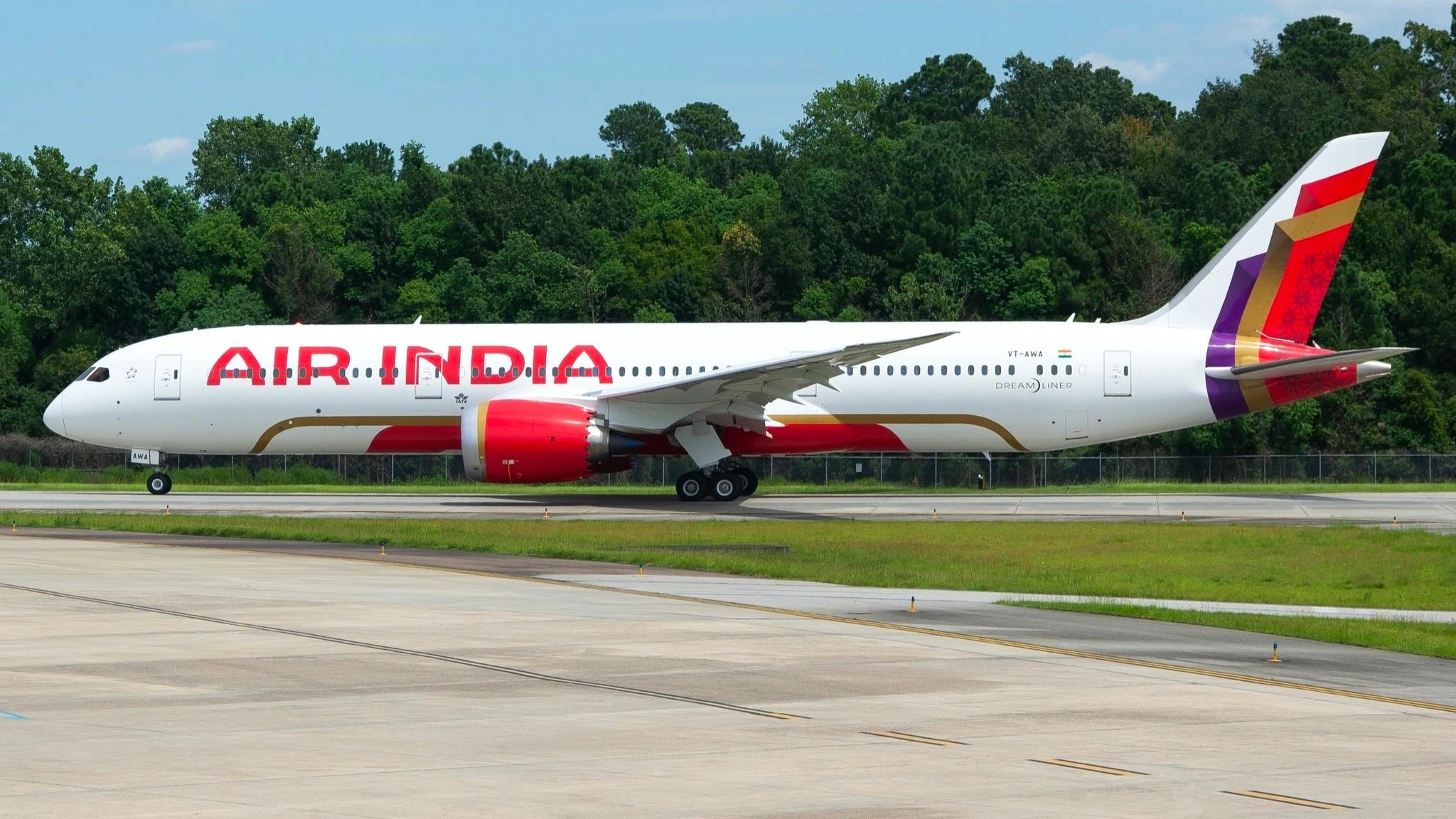
Air India to Receive First Boeing 787-9 Dreamliner in Early 2026
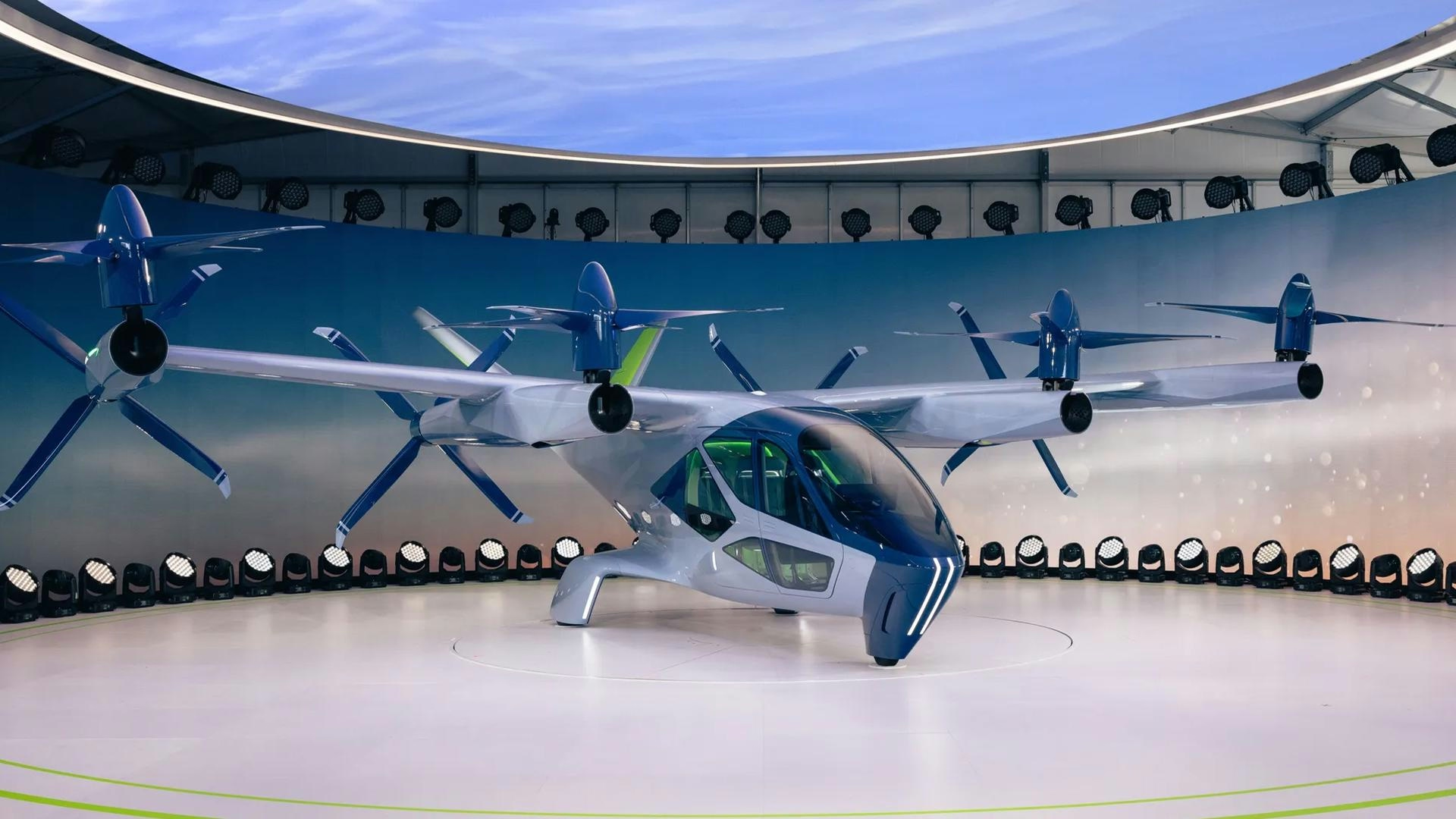
New American eVTOL Aims to Transform Air Taxi Industry

Trends Point to a Strong Year for M&A in the MRO Sector in 2026

AI and Robotics Transform Aviation Maintenance

New $1.5 Billion Infrastructure Plan, Road-Trip App, and Air Taxi Proposal Signal Transport Changes
Joby Aviation Plans to Double U.S. Production to Expand Aerial Travel
Bengaluru Begins Ground Testing for Air Taxi Program

FAA Certifies Bombardier Global 8000 Aircraft
Boeing-Backed Autonomous VTOL Air Taxi Completes First Flight