
image

AeroGenie — Votre copilote intelligent.

Posez toutes vos questions. Analysez tout. Agissez instantanément.

Tendances

Categories

Delta Air Lines Chooses GE Aerospace GEnx Engines for New 787-10 Fleet
January 13, 2026By ePlane AI
Delta Air Lines Chooses GE Aerospace GEnx Engines for New 787-10 Fleet
0
0
Delta Air Lines
GE Aerospace GEnx
Boeing 787-10

Delta Air Lines Selects GE Aerospace GEnx Engines for New Boeing 787-10 Fleet

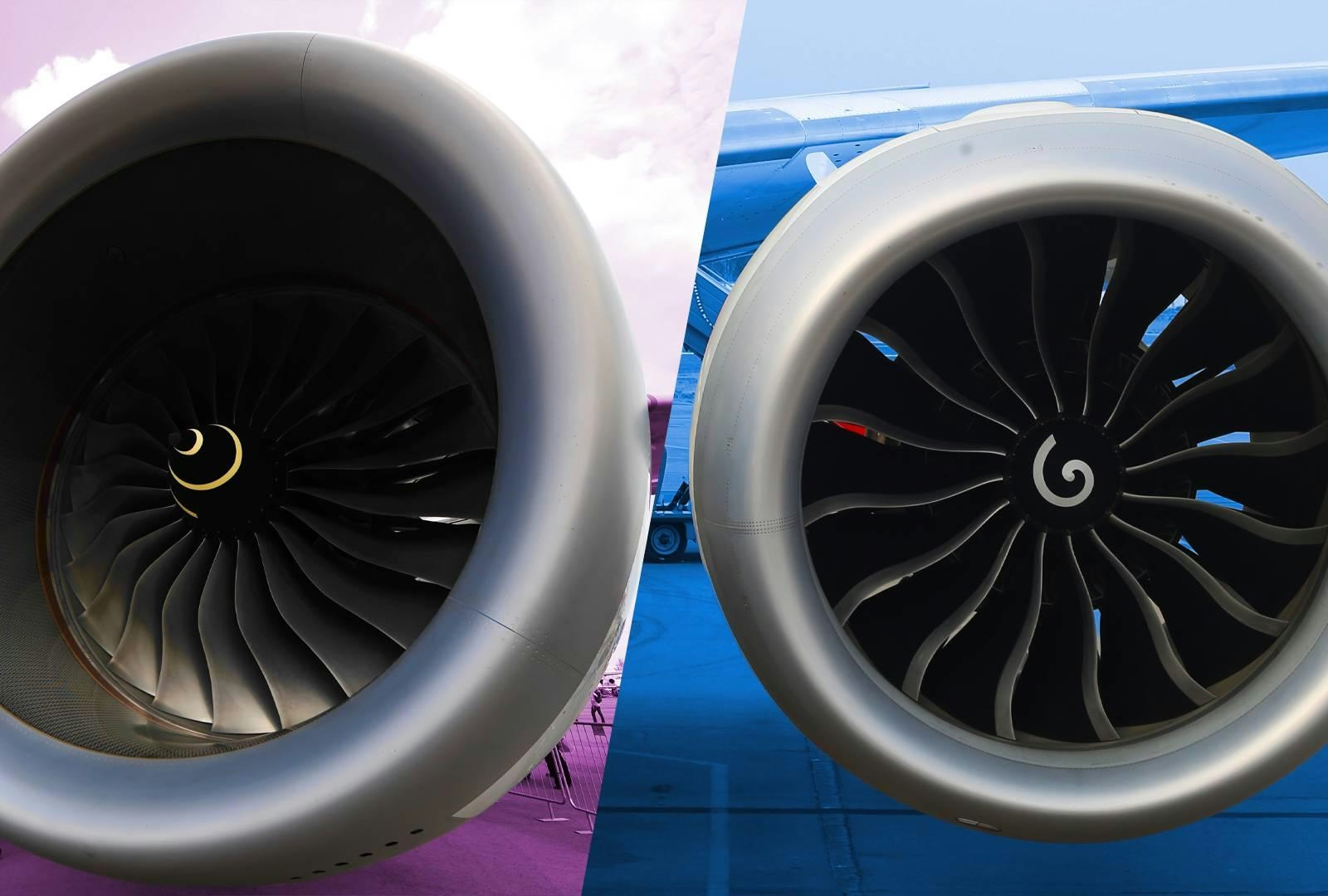
Delta Air Lines has confirmed its selection of GE Aerospace’s GEnx engines to power a new fleet of 30 Boeing 787-10 aircraft, with options to acquire an additional 30 jets. The agreement, announced by GE Aerospace, includes not only the engines themselves but also spare units and long-term service support, reinforcing the enduring partnership between the two companies.

Strategic Partnership and Engine Performance

H. Lawrence Culp, Jr., Chairman and CEO of GE Aerospace, highlighted the significance of the collaboration, noting that the company has partnered with Delta for over six decades. He emphasized that the GEnx engines will support Delta’s international expansion by delivering reliability, efficiency, and durability. Introduced in 2011, the GEnx engine family incorporates advanced materials and technologies designed to enhance time-on-wing and operational reliability. To date, these engines have logged more than 70 million flight hours and currently power approximately two-thirds of all Boeing 787 aircraft in service.

Delta CEO Ed Bastian underscored the strategic value of the engine selection, stating that the GEnx engines will enable the airline to connect passengers to global destinations with improved efficiency and reliability. He described the engines as fundamental to Delta’s growth strategy and expressed anticipation for integrating this advanced technology into the fleet.

Market Context and Industry Challenges

Delta’s decision comes amid strong demand for commercial jet engines and aftermarket services, a trend that has contributed to a surge in GE Aerospace’s stock value. Market analysts have responded favorably, with some projecting that the company could approach a $1 trillion market capitalization over the long term. Nevertheless, the agreement also highlights persistent challenges within the aerospace sector, including supply chain constraints, production capacity limitations, and the necessity for engines to withstand demanding operating environments. Competitors are actively working to maintain their market positions as the industry navigates widespread delivery delays and operational adjustments.

Historical Collaboration and Company Profile

The relationship between GE Aerospace and Delta dates back to 1956, when GE powered the Convair 880 with CJ-805-3 engines. Currently, Delta operates a fleet exceeding 1,300 aircraft equipped with engines from GE Aerospace and its joint venture CFM International, which produces the CF6, CFM56-7B, and LEAP models. CFM International is a 50/50 partnership between GE Aerospace and Safran Aircraft Engines.

GE Aerospace is a global leader in aerospace propulsion, services, and systems, with an installed base of approximately 49,000 commercial and 29,000 military aircraft engines. The company employs around 53,000 people worldwide and remains committed to advancing innovation and safety in aviation.

For further information, visit www.geaerospace.com.
More news
Spirit Aero Issues Delay A350 Deliveries
Spirit Aero Issues Delay A350 Deliveries

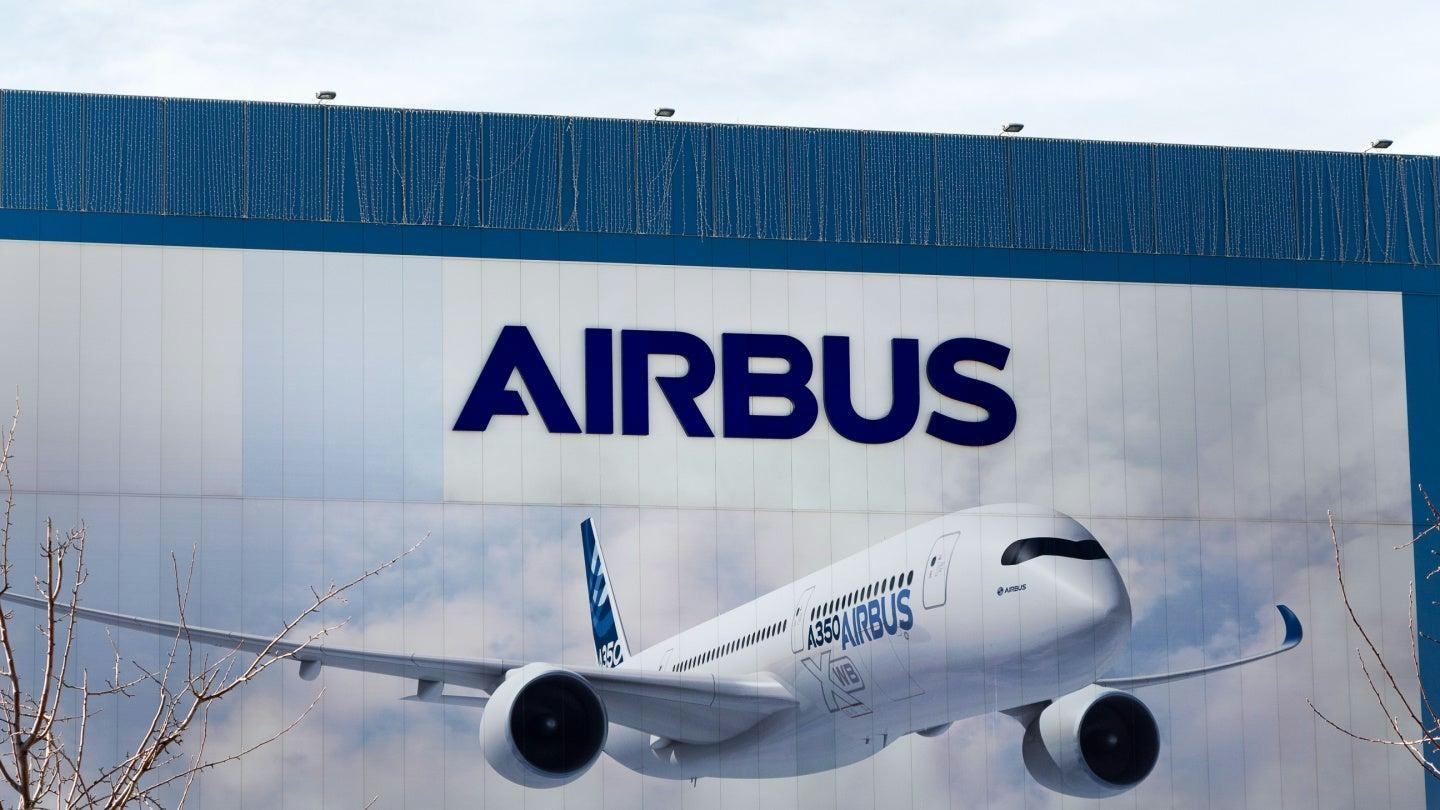
Spirit AeroSystems Delays Impact Airbus A350 Deliveries Deliveries of the Airbus A350 experienced a notable decline in 2025 compared to the previous year, highlighting persistent supply chain challenges within the aerospace sector. Christian Scherer, former CEO of Airbus Commercial Aircraft, clarified that the slowdown was not due to diminished market demand but rather production difficulties linked to a critical supplier. He explained during Airbus’s annual media briefing that the bottleneck centered on the fuselage’s center section, manufactured by the company formerly known as Spirit AeroSystems. “They ran into trouble. They were the pacing item,” Scherer stated, emphasizing that the issue was rooted in production rather than customer interest. Following Spirit AeroSystems’ merger with Boeing in December, Airbus acquired Spirit’s Airbus-related business to regain control over essential components. Scherer expressed confidence that this strategic move would facilitate the resumption of the A350 production ramp-up. “Now that we have regained, let’s say, control of that particular center fuselage piece on section 15 of the A350, you will see the A350 continue its ramp up,” he said. Delivery Figures Reflect Supply Chain Strains The repercussions of these supply chain disruptions were evident in Airbus’s 2025 delivery statistics. The company delivered a total of 793 aircraft, marking its third-highest annual output after 2019 and 2018. While single-aisle aircraft deliveries exceeded pre-pandemic levels—reaching 700 compared to 690 in 2019—widebody deliveries lagged considerably. Only 93 widebody aircraft were delivered in 2025, a sharp decline from the 2019 peak of 173 and even below figures recorded in 2008. The majority of year-on-year growth was driven by the A220 program, whereas the A350 faced the most significant production hurdles. Scherer highlighted Airbus’s ongoing efforts to resolve these bottlenecks and quality concerns by working closely with its supply chain partners. He noted substantial investments aimed at modernizing and expanding Airbus’s industrial capabilities worldwide. “We managed to further solidify our ramp-up and our industrial system. To achieve this, we made and continue to make substantial investments, modernizing our industrial capabilities by upgrading and expanding our global system,” Scherer said. All final assembly lines are now capable of producing the A321, and two new A320 family assembly lines were inaugurated in Asia and America in 2025 to support the planned increase in production rates to 75 aircraft per month by 2027. Strategic Acquisition and Industry Implications The acquisition of Spirit AeroSystems’ Airbus-related work is viewed as a strategic initiative to secure the production ramp-up of both the A350 and A220 programs. By bringing key work packages such as wings, pylons, and fuselage sections in-house, Airbus aims to mitigate supplier risks and enhance control over its manufacturing processes. This development occurs amid broader industry concerns, as Spirit AeroSystems has faced ongoing supply chain disruptions and production delays affecting not only Airbus but also Boeing, which relies heavily on Spirit for components. These challenges have contributed to market volatility, with Boeing’s stock experiencing fluctuations amid regulatory scrutiny, including the Federal Aviation Administration’s ongoing review of the 737 MAX 10. Such factors add further uncertainty to Boeing’s delivery schedules. In response, Airbus is streamlining its industrial flow from parts manufacturing to final assembly, upgrading customer delivery lines, and expanding its facilities. Notably, a new site in Germany dedicated to the A321XLR rear center tank was established in 2025. These measures are designed to reduce supplier risks and ensure that production targets are met, even as competitors and regulators closely monitor the evolving aerospace landscape.
Final Engine Test of Hawker Siddeley Nimrod XV232

Final Engine Test of Hawker Siddeley Nimrod XV232

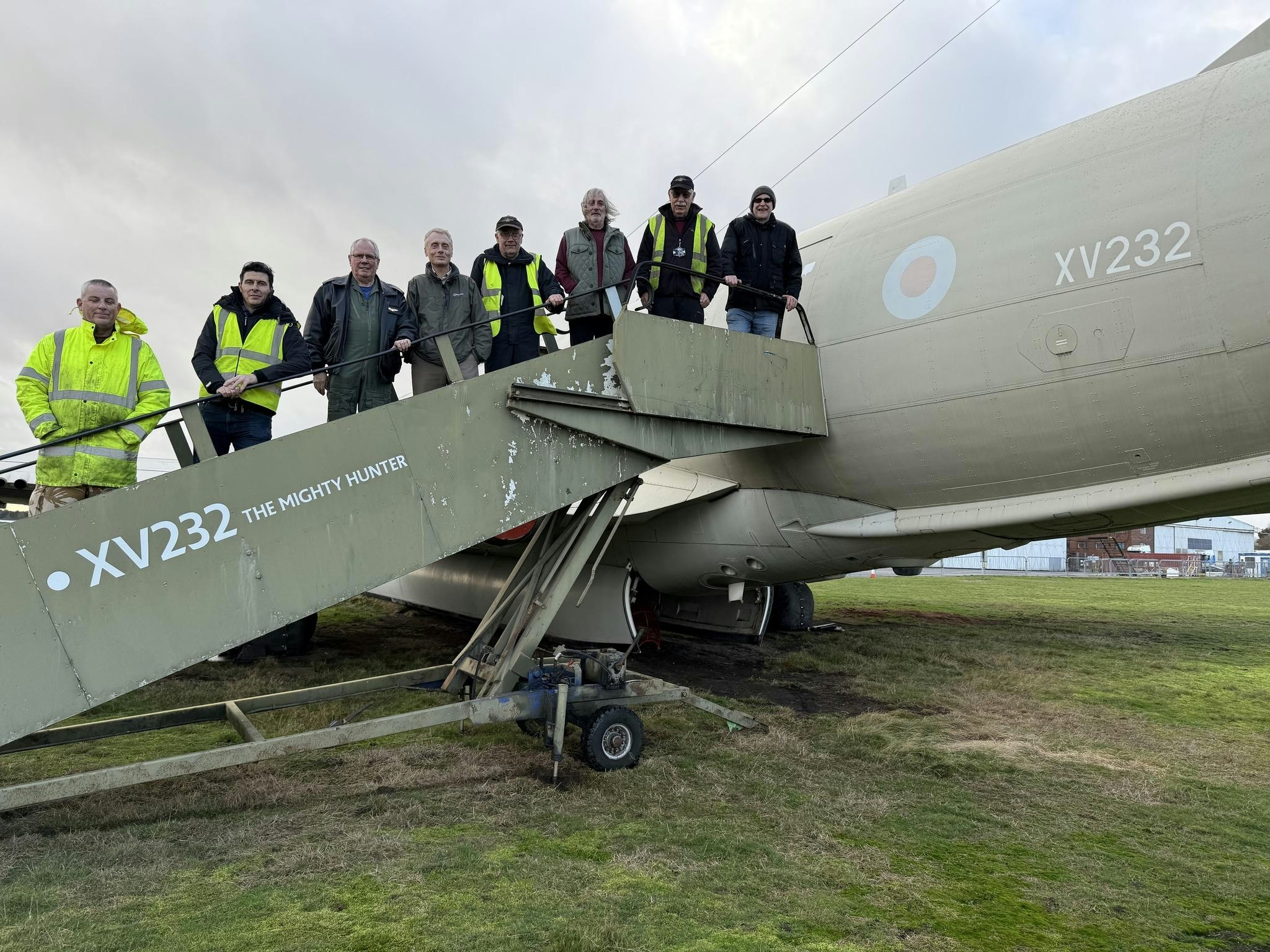
Final Engine Test of Hawker Siddeley Nimrod XV232 Faces Uncertain Future Urgent Developments at Coventry Airport On November 9, 2025, the Nimrod Preservation Group announced critical developments concerning the future of the Hawker Siddeley Nimrod XV232, affectionately known as “The Mighty Hunter.” The group, alongside other tenants at Coventry Airport, received formal notification that all operations at the airfield must cease by May 9, 2026. This unexpected directive has compelled the preservation group to urgently reassess the options available for safeguarding the historic maritime patrol aircraft. In an update issued in early December, the Nimrod Preservation Group outlined three potential courses of action. These include transporting XV232 by road to the RAF Manston History Museum, executing a one-time ferry flight to Manston International Airport, or, if neither option proves viable, scrapping the aircraft. The group emphasized that no final decision has been reached and reaffirmed its dedication to preserving XV232 wherever possible. Ongoing consultations with engineers, regulatory authorities, and partner organizations are focused on identifying a feasible path forward. Regulatory and Economic Challenges The preservation efforts face additional complications amid heightened regulatory scrutiny and safety concerns. Recent recommendations from the National Transportation Safety Board (NTSB) regarding Hawker stall tests, coupled with 2025 marking the worst year for business aviation safety since 2011, have intensified the pressure on any plans involving ferry flights or public demonstrations. Stricter safety standards now govern such activities, potentially limiting the feasibility of moving or operating the aircraft. Economic uncertainty further clouds the project’s outlook. Market volatility anticipated in 2026, driven by Federal Reserve dissent and fluctuating valuations, threatens to complicate fundraising and sponsorship efforts. Meanwhile, the aerospace sector is rapidly evolving, with competitors focusing on innovations such as lunar missions, electric air taxis, and autonomous combat aircraft. These advancements may influence public and institutional interest in preserving legacy aircraft like the Nimrod. Final Engine Run at Coventry Airport As part of its longstanding fundraising initiatives, the Nimrod Preservation Group has regularly hosted public engine runs of XV232. However, due to the current uncertainty surrounding the aircraft’s future, these events will now conclude. A final engine run is scheduled for January 17 at Coventry Airport, featuring two engine runs and a possible third if required. This event will provide the last opportunity to witness the aircraft’s Rolls-Royce Spey turbofan engines in operation at the site. Although tickets have sold out, the group indicated that some members of the public may still attend subject to a donation. A representative of the Nimrod Preservation Group described the occasion as one of the longest engine runs to date, offering a final chance to hear “The Mighty Hunter” come to life at Coventry Airport. The group pledged to continue providing updates as discussions regarding the aircraft’s future progress. For further information about the Nimrod Preservation Group, visit www.xv232.com.
JetZero Secures $175 Million in Series B to Advance Aircraft Technology
JetZero Secures $175 Million in Series B to Advance Aircraft Technology

JetZero Secures $175 Million in Series B to Advance Aircraft Technology Major Investment to Propel All-Wing Aircraft Development JetZero, a U.S.-based aerospace startup pioneering the world’s first commercial all-wing airplane, has successfully raised approximately $175 million in a Series B funding round. The investment was led by global firm B Capital, with significant participation from United Airlines Ventures, Northrop Grumman, 3M Ventures, and RTX Ventures, the corporate venture arm of RTX. This latest infusion of capital brings JetZero’s total funding, including government grants, incentives, and commercial agreements, to over $1 billion. The new capital will accelerate the development of JetZero’s full-scale Demonstrator prototype, which is designed to achieve at least a 30% improvement in aerodynamic efficiency compared to conventional tube-and-wing aircraft. The company plans for the Demonstrator’s inaugural flight in 2027, marking a critical milestone in its technological advancement. Tom O’Leary, JetZero’s co-founder and CEO, emphasized the strategic importance of the diverse investor base, stating that it reflects both the momentum behind the company and the broader industry’s readiness to transform aviation. He highlighted the collaboration across the value chain—from demand and supply to implementation—as essential to delivering an aircraft that enhances passenger experience, strengthens American leadership in advanced manufacturing and exports, and fortifies the aviation supply chain. Technological Innovation and Industry Implications JetZero’s flagship Z4 aircraft is projected to offer up to 50% greater fuel efficiency and significantly lower carbon emissions relative to current commercial airliners. This positions the company as a key player in meeting the aviation sector’s ambitious 2050 net-zero emissions targets. The company is collaborating closely with the U.S. Air Force, NASA, and the Federal Aviation Administration (FAA), leveraging decades of research into blended wing technology. JetZero aims to commence commercial operations in the early 2030s. Jeff Johnson, General Partner at B Capital, underscored the urgency of innovation in the face of rising emissions and fuel costs. He expressed confidence in JetZero’s potential to reshape the aviation industry through its groundbreaking technology and affirmed B Capital’s commitment to supporting the company’s progress. JetZero’s substantial funding round arrives amid intensifying competition within the advanced aircraft sector. Established aerospace companies such as Dassault, Bombardier, and Boeing-backed Evio are also advancing next-generation aircraft technologies. Industry analysts suggest that JetZero’s advancements may stimulate increased investor interest in sustainable aviation solutions and prompt competitors to accelerate their own research, development, and commercialization efforts. The rapid pace of technological innovation and capital influx is expected to attract heightened regulatory scrutiny, particularly concerning environmental impact and safety standards for novel aircraft designs. As the race to develop more efficient and sustainable aircraft intensifies, both investors and regulators will closely monitor how JetZero and its competitors address these challenges. About JetZero Founded in 2020 by Tom O’Leary and aerospace engineer Mark Page, JetZero is dedicated to commercializing all-wing aircraft technology with the goal of transforming efficiency and sustainability in the aviation industry.
Delta Introduces Boeing 787 Dreamliner to Widebody Fleet

Delta Introduces Boeing 787 Dreamliner to Widebody Fleet

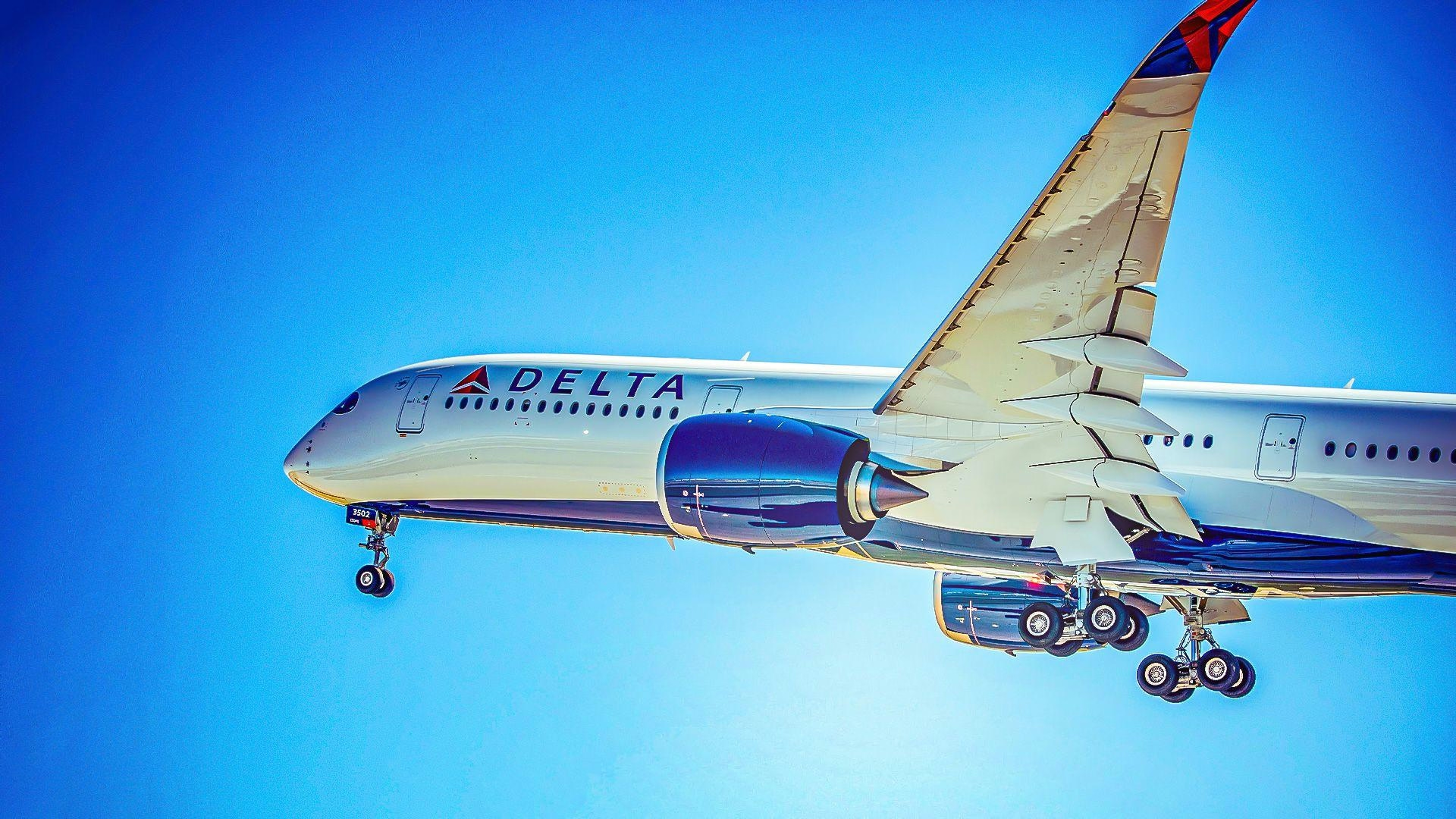
Delta Introduces Boeing 787 Dreamliner to Widebody Fleet Delta Air Lines has announced the addition of 30 Boeing 787 Dreamliner widebody aircraft to its fleet, marking a pivotal advancement in the airline’s strategy to modernize its operations, enhance fuel efficiency, and elevate the passenger experience. This introduction of the 787 represents a new fleet type for Delta, complementing its existing order of 100 Boeing 737-10 MAX aircraft. Deliveries are expected to commence following the completion of certification processes. Strategic Fleet Modernization and Operational Efficiency Ed Bastian, Delta’s chief executive officer, emphasized that the order is designed to build a future-ready fleet that improves customer experience, drives operational efficiencies, and gradually replaces older, less efficient aircraft over the coming decade. He highlighted the airline’s commitment to maintaining high service standards, noting that these new aircraft will be operated by Delta’s skilled aviation professionals who provide a welcoming and elevated travel experience worldwide. The introduction of the Dreamliner also underscores the strength of the U.S. aerospace industry, as both the aircraft and its General Electric engines are domestically designed and manufactured. This move aligns with Delta’s broader ambition to expand its international network, anticipating its largest-ever international schedule this year. The 787-10 model is expected to play a crucial role in Delta’s transatlantic and South American routes, offering approximately 25% better fuel efficiency per seat, increased passenger capacity, larger premium cabins, and enhanced cargo capabilities compared to the older widebody aircraft it will replace. Dan Janki, Delta’s chief financial officer, noted that the 787 order adds diversity to the airline’s widebody fleet while creating cost-efficient scale across all widebody operations. He described the fleet strategy as a forward-looking approach that balances customer experience enhancements with operational improvements. Passenger Experience and Industry Challenges Passengers flying aboard the Dreamliner can anticipate a premium experience characterized by a wide, quiet cabin, large tint-controlled windows, spacious overhead bins, and advanced fuselage technologies that reduce noise, contributing to a smoother and quieter flight. Despite these advantages, Delta’s fleet expansion occurs amid broader industry challenges. Boeing’s production of the 787 has slowed in recent years due to safety concerns, although efforts are underway to increase output. This production pace may affect delivery schedules for Delta and other airlines with substantial orders for long-haul aircraft. The market for widebody aircraft is becoming increasingly competitive. Airlines such as Southwest and Alaska Airlines are also expanding their long-haul fleets with orders for the Dreamliner and rival Airbus models, including the A330 and A350. As Delta strengthens its international presence, competitors are likely to respond by upgrading their own widebody offerings, potentially intensifying competition and sparking renewed rivalry as airlines contend with shifting economic conditions and consumer price sensitivities. Delta’s latest order reflects a strategic effort to secure its position within the evolving global aviation landscape, balancing operational efficiency, customer experience, and the realities of a dynamic and competitive marketplace.
Cape Verde Airports Begin New Phase of Expansion

Cape Verde Airports Begin New Phase of Expansion

Cape Verde Airports Begin New Phase of Expansion Progress in Modernization and Connectivity VINCI Airports has marked a significant milestone in Cape Verde with the completion of the first phase of its airport modernization program, accompanied by the announcement of a new investment plan designed to sustain air traffic growth and foster economic development across the archipelago. The announcement was made during a ceremony attended by Prime Minister José Ulisses Correia e Silva, Deputy Prime Minister Olavo Avelino Garcia Correia, and VINCI Airports President Nicolas Notebaert. Since assuming operational control in 2023, VINCI Airports has enhanced connectivity throughout Cape Verde’s airport network. Passenger traffic is expected to increase by 60 percent between 2022 and 2025, driven by the introduction of 35 new routes—15 launched in 2024 and an additional 20 planned for 2025. Efforts to attract low-cost carriers have improved affordability, stimulated tourism, and facilitated greater mobility for the Cape Verdean diaspora. The initial phase, known as Phase 1A, concluded in 2025 following an €80 million investment. This phase included critical upgrades such as runway renovations at Sal and São Nicolau airports, modernization of passenger terminals, reconfiguration of aircraft parking areas, installation of self-service check-in facilities, and deployment of advanced IT systems. Environmental sustainability was also a priority, with the implementation of solar power installations, widespread LED lighting, and enhanced oil separation and water treatment measures. Expansion Plans and Industry Challenges Building on this foundation, VINCI Airports and Cabo Verde Airports have launched Phase 1B, a €142 million development program scheduled for completion over the next three years. This phase aims to expand terminal capacity, introduce new commercial spaces, and deliver significant operational improvements, including a runway extension at Boa Vista. Upgrades to waste and wastewater treatment facilities are also planned across the airport network. The program is supported by a strong public-private partnership, featuring €60 million in sustainability-linked loans alongside ongoing shareholder equity contributions to ensure long-term investment resilience. The expansion occurs amid a complex global aviation environment. Recent supply chain disruptions, such as the temporary Jet A-1 fuel shortage at Cape Town International Airport in November 2025, have underscored the sector’s vulnerability to operational interruptions. Market sensitivities remain high, as evidenced by recent volatility in U.S. stock markets influenced by Federal Reserve policy divisions and economic data. Competitive pressures are intensifying within the region, with neighboring countries like Dominica pursuing ambitious airlift expansions to boost tourism and position themselves ahead of forthcoming infrastructure projects, including a major international airport scheduled to open in 2027. Additionally, regulatory changes such as the U.S. Transportation Security Administration’s enforcement of REAL ID requirements and associated fees beginning February 1, 2026, may affect travel demand and operational costs for airlines and passengers. Despite these challenges, Cape Verde’s airport modernization program is poised to enhance the country’s connectivity, support economic growth, and strengthen its position within the increasingly competitive West African aviation market.
Porter Leads Digital Overhaul of Maintenance with AMOS

Porter Leads Digital Overhaul of Maintenance with AMOS

Porter Leads Digital Overhaul of Maintenance with AMOS Porter Airlines, recognized as one of North America’s fastest-growing carriers, is undertaking a comprehensive digital transformation of its maintenance and engineering operations. This initiative supports the airline’s expanding fleet, which now includes over 70 De Havilland Dash 8-400 turboprops and Embraer E195-E2 jets. Central to Porter’s passenger-first strategy is operational reliability, and to this end, the airline has adopted the AMOS platform, developed by Swiss-AS, as the cornerstone of its modernization efforts. Modernizing Maintenance Operations Since selecting AMOS in 2021, Porter has replaced a patchwork of fragmented tools and paper-based processes with a unified, integrated system that spans planning, execution, compliance, and continuous improvement. The platform, enhanced by mobile applications and components from the AMOS Digital Tech Ops Ecosystem, creates a connected environment for managing the full spectrum of technical operations. AMOSdesktop now supports critical functions including maintenance control, engineering, planning, stores, and purchasing throughout the airline. To extend these capabilities directly to frontline operations, Porter has implemented AMOSmobile/EXEC, which allows engineers and mechanics to access work packages, task cards, and electronic instructions in real time at the aircraft. The consistent user interface across both desktop and mobile platforms has streamlined training requirements and accelerated adoption among maintenance personnel. Challenges and Advancements in Digital Integration Integrating new technology into established maintenance workflows has presented challenges. Ensuring compatibility with existing systems and equipping staff with the necessary skills to utilize digital tools effectively has required substantial investment in training and change management. Some traditional maintenance teams have expressed skepticism, reflecting a broader industry hesitancy toward rapid digitalization in aviation maintenance. Despite these obstacles, Porter continues to expand its digital maintenance environment. The introduction of AMOSeTL, a fully integrated electronic technical logbook, has replaced paper-based defect recording and aircraft release processes. This transition reduces handovers, minimizes errors, and provides a comprehensive, auditable record. Additionally, the AMOS Line Maintenance Manager (LMM) module offers advanced planning and optimization capabilities, featuring automated task assignment and real-time workload visibility. These enhancements support faster turnarounds and improved decision-making during operational disruptions. Component shop modules further strengthen oversight and compliance for both internal and external components. Industry Impact and Future Directions Porter’s digital overhaul has attracted close attention from competitors, some of whom are considering similar technology adoptions, while others explore proprietary solutions to maintain a competitive advantage. This industry response highlights the increasing importance of digital transformation in airline maintenance. Looking forward, Porter plans to integrate flydocs’ Lifecycle Asset Management system to enhance document control, audit readiness, and asset visibility—critical elements for effective fleet management and lease return processes. As Porter navigates the complexities of digital transformation, its efforts exemplify a broader shift within the aviation industry toward integrated, data-driven maintenance solutions, reshaping operational standards and competitive dynamics across the sector.
Floating Fleet AI Appoints Norbert Lingaya as Head of Hiring Optimization

Floating Fleet AI Appoints Norbert Lingaya as Head of Hiring Optimization

Floating Fleet AI Appoints Norbert Lingaya as Head of Hiring Optimization Floating Fleet AI has announced the appointment of Norbert Lingaya as its new Head of Hiring Optimization. Lingaya, a distinguished expert in operations research and optimization, joins the company amid a transformative period in the technology sector, as AI-driven initial public offerings (IPOs) are expected to surge in 2026. Industry leaders such as Anthropic and OpenAI are anticipated to spearhead this wave, prompting companies to reevaluate their hiring strategies with a renewed focus on efficiency and strategic alignment. Expertise and Industry Impact With over twenty years of experience, Lingaya has been instrumental in developing and implementing optimization engines across aviation, transportation, and defense sectors. His career began at the GERAD Laboratory, where he contributed to solver technologies that continue to underpin airline and transportation optimization platforms. Subsequently, Lingaya spent two decades at AD OPT and Sabre, leading core optimization technology initiatives, guiding research directions, and fostering academic collaborations. Dr. Roger Zhan, founder of Floating Fleet AI, highlighted the importance of Lingaya’s expertise to the company’s mission. He described Lingaya as “a problem solver through and through, with rare depth at the intersection of mathematics, software engineering, and real-world airline operations.” Dr. Zhan emphasized that Lingaya’s experience with large-scale, high-stakes optimization challenges aligns closely with Floating Fleet AI’s goal of delivering reliable AI solutions to aviation organizations. This appointment is expected to enhance the company’s capacity to meet increasing customer demand. Strategic Role and Industry Context In his new role, Lingaya will focus on addressing complex planning and scheduling challenges faced by aviation operators. He will collaborate directly with clients whose operational requirements exceed the capabilities of conventional off-the-shelf tools. Lingaya remarked on the company’s innovative approach, stating, “Floating Fleet AI is redefining how private aviation operators turn complexity and scale into true competitive advantage.” He noted that with advanced models and technology, problems that previously required days or weeks to solve can now be resolved in minutes or seconds. Lingaya expressed enthusiasm about leveraging his commercial aviation expertise to help operators maximize the value of their existing resources. Floating Fleet AI’s emphasis on hiring optimization coincides with a broader industry trend of workforce recalibration. A recent survey by Teneo revealed that CEOs anticipate AI will drive increased hiring, particularly for entry-level roles, reflecting a growing demand for AI talent. As competition and investment intensify within the sector, Floating Fleet AI’s dedication to advanced optimization and strategic hiring positions it to capitalize on these developments. Product Developments and Market Expansion Floating Fleet AI introduced its AI Scheduler software at NBAA-BACE 2025 in Las Vegas last November. The scheduling tool integrates seamlessly with existing flight management systems and has recently been connected with FL3XX, further enhancing its functionality for private aviation operators. This integration underscores the company’s commitment to expanding its technological capabilities and supporting the evolving needs of the private aviation market.
Construction Begins on Bishoftu Airport
Construction Begins on Bishoftu Airport

Construction Commences on Bishoftu International Airport Ethiopian Airlines Group, Africa’s largest airline, has officially initiated the construction of Bishoftu International Airport, marking a pivotal development for both Ethiopian and continental aviation sectors. The groundbreaking ceremony took place on January 10, 2026, with the presence of Prime Minister Dr. Abiy Ahmed, senior government officials, industry leaders, and executives from Ethiopian Airlines Group. This event underscored the strategic importance of the new airport, which is expected to significantly enhance Ethiopia’s aviation infrastructure and strengthen Africa’s global connectivity. Strategic Vision and Project Significance During the ceremony, Ethiopian Airlines revealed the airport’s design and announced the successful completion of a resettlement and livelihood restoration program for communities affected by the development. Prime Minister Abiy Ahmed and Ethiopian Airlines Group CEO Mesfin Tasew jointly unveiled a commemorative plaque to mark the start of construction. Tasew described the occasion as a proud milestone, emphasizing that the project, coinciding with the airline’s 80th anniversary, represents a new chapter in redefining Africa’s aviation ecosystem. He highlighted Ethiopian Airlines’ dedication to shaping the future of African air transport and addressing the growing demand for passenger and cargo services. Bishoftu International Airport is envisioned to play a crucial role in bridging Africa’s infrastructure gap and supporting continental initiatives such as the African Continental Free Trade Area (AfCFTA). Upon becoming operational, the airport is expected to facilitate trade, tourism, and connectivity both within Africa and internationally. The first phase of construction is slated for completion by 2030, with an initial capacity to accommodate 60 million passengers annually. Ultimately, the airport aims to serve up to 110 million passengers per year, positioning it as a cornerstone of African aviation. Challenges and Industry Impact Despite its ambitious scope, the project faces potential challenges including rising construction costs, labor shortages, and regulatory complexities that may affect timelines and budgets. The announcement has already generated heightened market interest in Ethiopian Airlines’ expansion plans, prompting competitors to accelerate their own infrastructure developments to maintain market share. The completion of Bishoftu International Airport is anticipated to significantly enhance regional and global connectivity, potentially reshaping the competitive landscape of African aviation infrastructure. Ethiopian Airlines has reaffirmed its commitment to delivering this transformative project, aiming to consolidate Ethiopia’s status as a key aviation hub and to support broader economic integration across the continent.
Emirates Emerges as Leading Airline in Middle East Aviation
Emirates Emerges as Leading Airline in Middle East Aviation

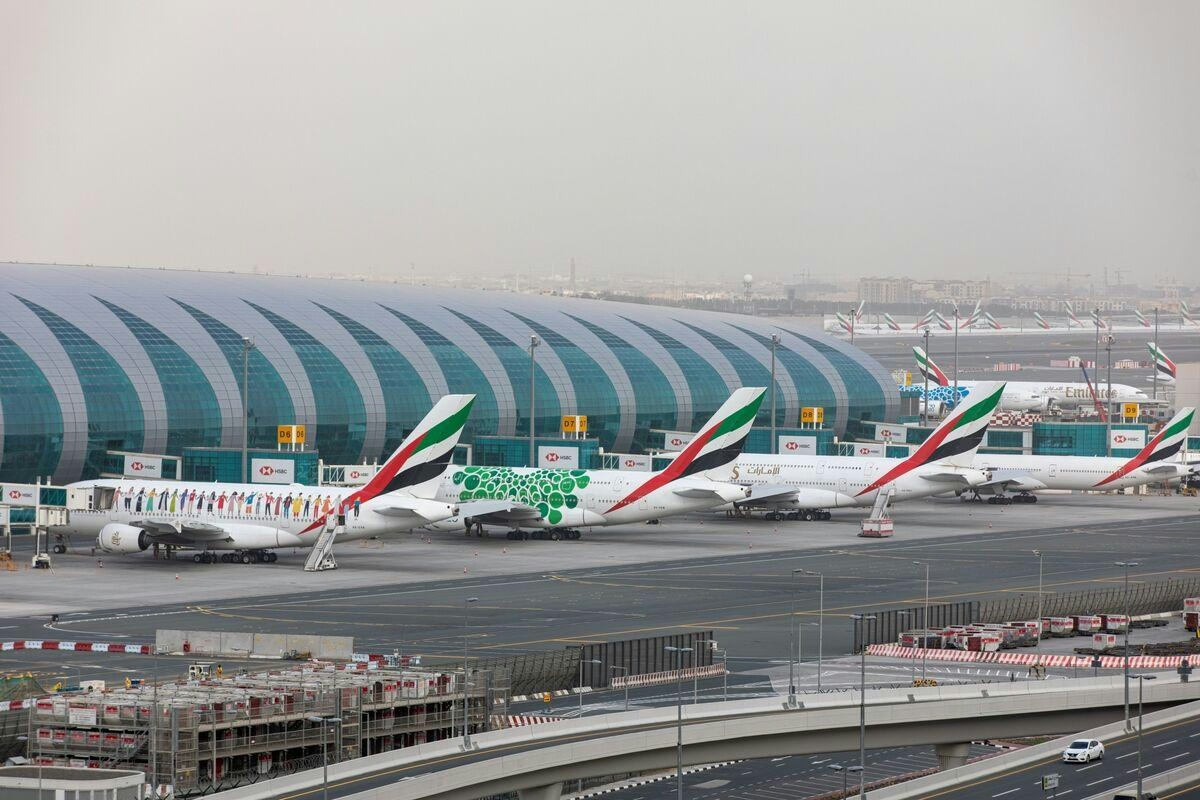
Emirates Emerges as Leading Airline in Middle East Aviation Emirates has solidified its position as the foremost airline in Middle East aviation, surpassing regional competitors including Etihad Airways, Qatar Airways, FlyDubai, and Saudia. This achievement reflects Emirates’ sustained dedication to innovation in safety, luxury, and customer service, which has set new industry standards and reinforced the Middle East’s role as a critical hub for international travel. Innovation and Excellence in Service Headquartered in Dubai, Emirates is widely recognized for its modern fleet, predominantly composed of Airbus A380 and Boeing 777 aircraft, which are celebrated for their efficiency and passenger comfort. The airline’s substantial investments in cutting-edge aviation technologies, stringent safety protocols, and operational excellence have propelled it to the top of global safety rankings in 2026. Emirates’ reliable on-time performance and its acclaimed in-flight entertainment system, ICE, further enhance its appeal to both leisure and business travelers. Central to its success is the airline’s emphasis on premium customer experiences, exemplified by its First Class Suites and Business Class offerings that blend luxury with dependability. These initiatives have not only elevated Emirates’ standing but have also influenced the broader development of aviation networks throughout the region. Competitive Dynamics and Market Impact Emirates’ dominance in 2025 has elicited significant market reactions and intensified competition. Rival carriers such as Qatar Airways and Etihad Airways are ramping up efforts to protect their market share by improving service quality, expanding route networks, and offering more competitive pricing. This heightened rivalry is expected to benefit passengers through enhanced services and greater choice, while compelling airlines to adopt strategic adaptations to sustain profitability. The evolving competitive landscape has also attracted increased regulatory scrutiny, with authorities closely monitoring market dynamics and competitive practices within the region’s aviation sector. As airlines compete for leadership, the industry faces both opportunities for innovation and challenges in maintaining growth amid shifting passenger preferences. Etihad Airways, the UAE’s national carrier, remains a formidable contender. Recently named the world’s safest airline in 2026, Etihad continues to strengthen its reputation through a modern, fuel-efficient fleet and a strong focus on passenger service. The intensifying competition is likely to drive further advancements across the sector as airlines strive to meet rising expectations and respond to changing market conditions. As Emirates leads the Middle East aviation industry forward, the sector is poised for ongoing transformation, promising travelers improved connectivity, enhanced safety, and elevated service standards.
Aviation Capital Group Orders 50 Boeing 737 MAX Jets

Aviation Capital Group Orders 50 Boeing 737 MAX Jets

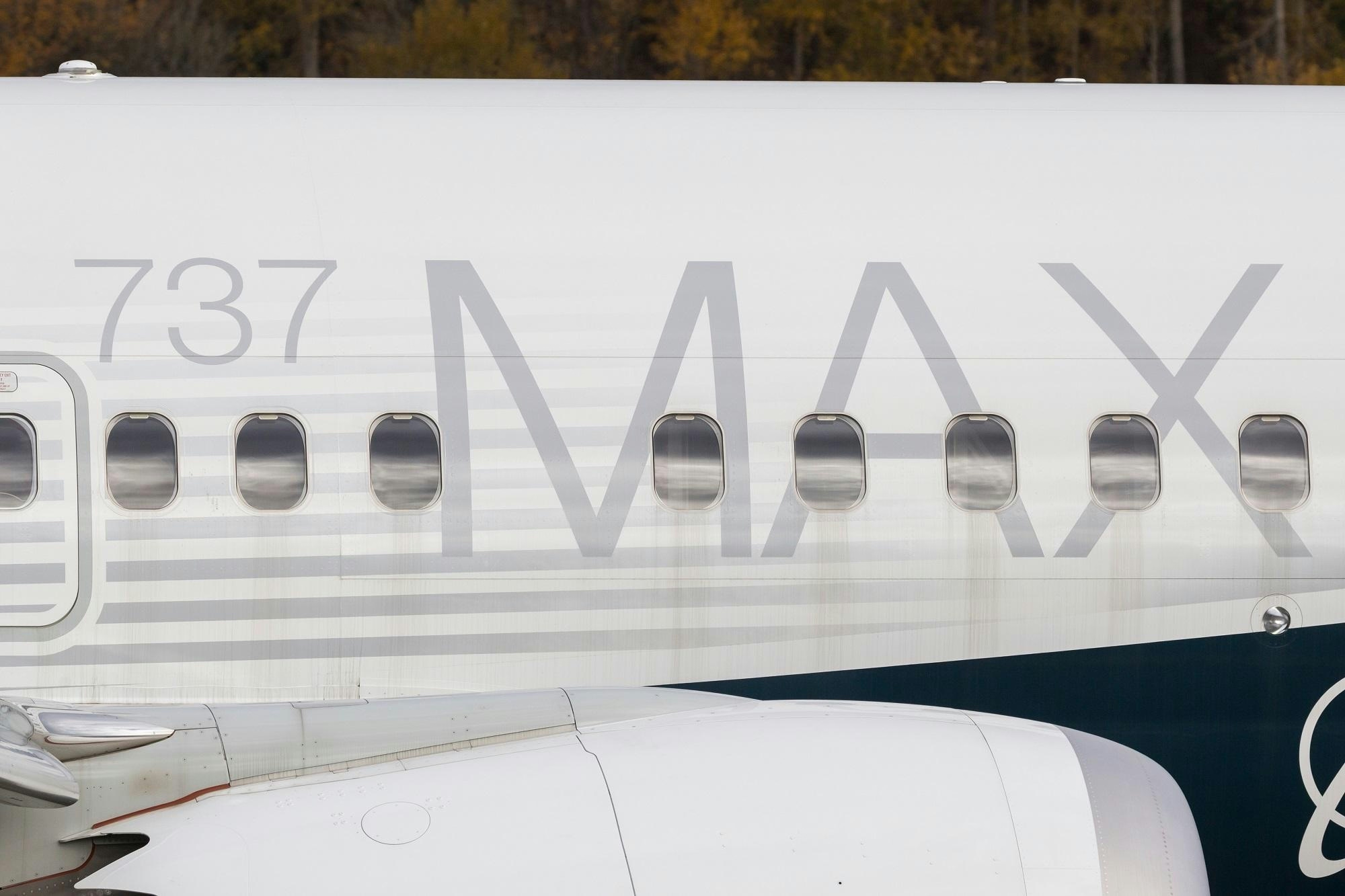
Aviation Capital Group Places Major Order for 50 Boeing 737 MAX Jets SEATTLE, January 13, 2026 — Aviation Capital Group LLC (ACG) has announced a substantial order for 50 Boeing 737 MAX aircraft, consisting of 25 737-8 and 25 737-10 models, according to Boeing [NYSE: BA]. This acquisition doubles ACG’s previous commitments for the 737-10 variant and represents the largest single order for this model by any aircraft lessor to date. Thomas Baker, CEO and President of ACG, emphasized that the new order strengthens the strategic value of the company’s existing portfolio and aligns with its growth objectives. He noted that the expanded fleet will enable ACG to provide its global clientele with a consistent delivery schedule of 737 MAX jets from 2026 through 2033, offering flexibility across both the 737-8 and 737-10 variants. With this latest purchase, ACG’s total Boeing 737 MAX order book now stands at 121 aircraft, including 50 firm orders for the 737-10. This expansion reflects ACG’s strong confidence in Boeing’s product offerings and their continued appeal to airlines worldwide. Brad McMullen, Boeing’s senior vice president of Commercial Sales and Marketing, remarked that ACG’s increased order underscores the lessor’s trust in the 737-10 and its attractiveness to customers globally. He highlighted ACG’s role as a key and valued partner within the 737 MAX program. Industry Context and Market Dynamics The announcement coincides with Boeing’s efforts to accelerate production following recent challenges related to safety and manufacturing. The broader aviation industry is demonstrating signs of robust recovery, with Boeing’s stock gaining momentum amid renewed demand. Major carriers, including Alaska Airlines, have also expressed confidence in Boeing’s resurgence, exemplified by a recent order for 110 jets, of which 105 are 737 MAX 10s. Competition remains intense as Airbus experiences increased demand for its A330 and A350 wide-body aircraft. The surge in orders for both narrow-body and wide-body models signals a sustained rebound and growth trajectory for the aviation sector in the post-pandemic environment. The Boeing 737 MAX family is widely recognized for its fuel efficiency and operational versatility, making it a preferred choice for lessors and airlines operating short- and medium-haul routes. To date, lessors have placed orders for nearly 1,300 737 MAX jets, representing approximately one-fifth of the total backlog for the model. Company Profiles Founded in 1989 and a wholly owned subsidiary of Tokyo Century Corporation, Aviation Capital Group is a leading aircraft asset manager with a portfolio of around 470 owned, managed, and committed aircraft as of September 30, 2025. The company leases aircraft to approximately 90 airlines across 50 countries, offering comprehensive asset management and financing solutions. Boeing remains a global aerospace leader, designing, manufacturing, and servicing commercial airplanes, defense products, and space systems for customers in over 150 countries. The company continues to prioritize innovation, safety, and sustainability as the aviation industry recovers and expands. For further information, visit aviationcapitalgroup.com and boeing.com.
Ask AeroGenie