
Trasforma le intuizioni dell’IA in azioni concrete

Tendenze
Categories
Air Taxi Exterior Component Systems Market Projected to Reach $5.8 Billion by 2036
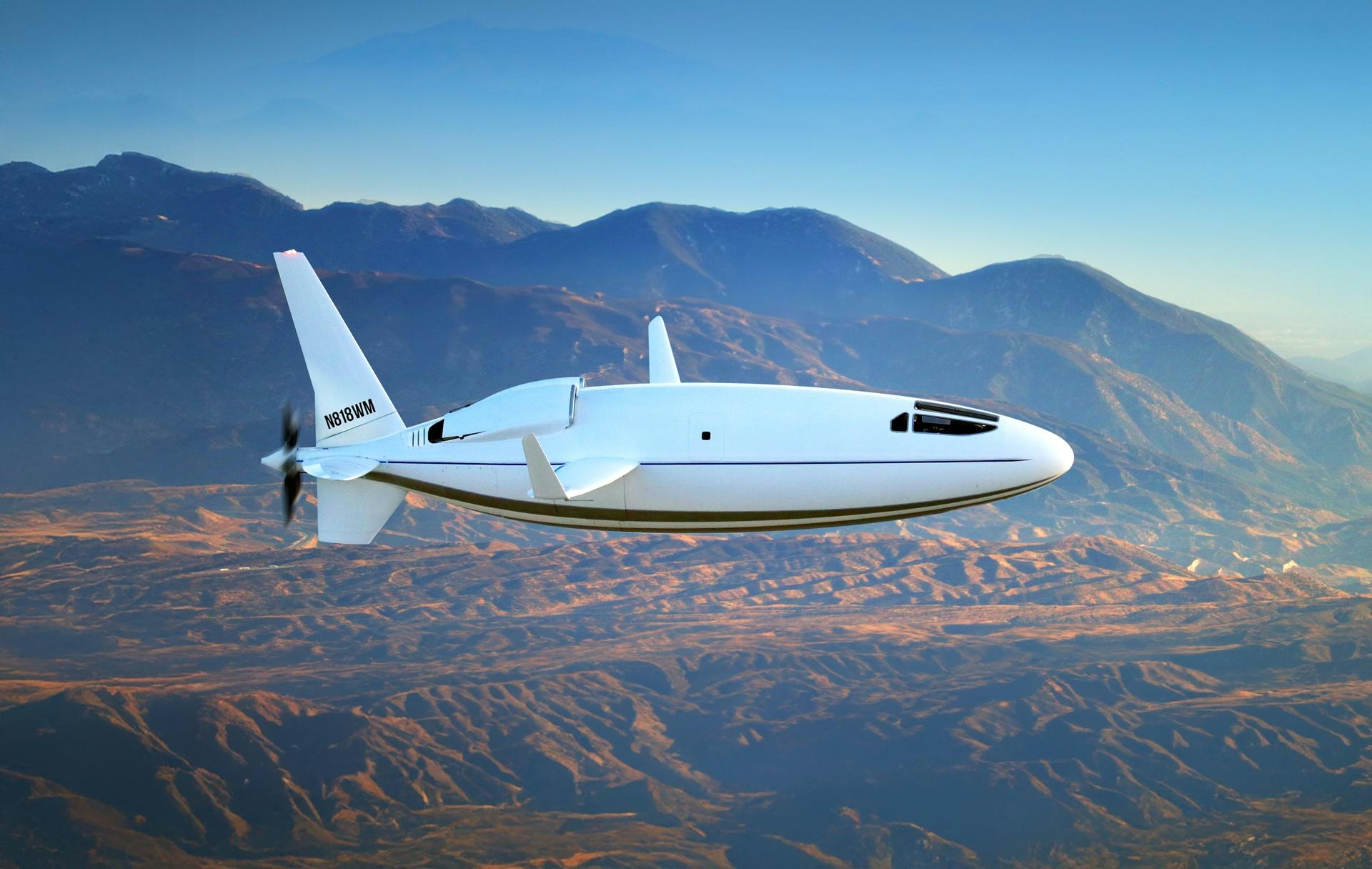
Air Taxi Exterior Component Systems Market Projected to Reach $5.8 Billion by 2036
The global market for air taxi exterior component systems is set for significant growth, with recent analysis from Future Market Insights forecasting an expansion to USD 5.8 billion by 2036. This represents a substantial increase from an estimated USD 650 million in 2026, driven by a robust compound annual growth rate (CAGR) of 24.5%. The industry is transitioning from prototype development to full-scale commercial production of electric vertical takeoff and landing (eVTOL) aircraft, marking a pivotal phase in urban air mobility.
Market Dynamics and Key Drivers
The rapid growth of the air taxi exterior component systems market is underpinned by several critical factors. The commercialization of eVTOL aircraft is accelerating demand for certified exterior components, particularly as manufacturers scale production to support large urban air mobility fleets. The adoption of lightweight composite materials, especially carbon fiber composites, is a major trend, accounting for approximately 65% of the market. These materials are favored for their superior strength-to-weight ratio, durability, and contribution to extending aircraft range, addressing the limitations posed by current battery technologies.
Regulatory requirements also play a significant role in shaping the market. Exterior systems must comply with stringent certification standards, including bird strike resistance, environmental durability, and lightning protection, making safety and compliance paramount. Additionally, the need for aerodynamic and acoustic optimization is driving innovation in exterior design, as quieter and more efficient aircraft are essential for urban environments.
Market Structure and Industry Trends
The air taxi exterior component systems sector encompasses the engineering, manufacturing, and certification of advanced aerodynamic structures for eVTOL aircraft. Within this market, fuselage and canopies represent the leading component segment, accounting for 42% of the market share due to their critical role in structural integrity, passenger safety, and regulatory compliance.
The rise of urban air mobility is stimulating investment in air taxi infrastructure, further boosting demand for exterior components. Most of this demand is currently driven by original equipment manufacturers (OEMs) integrating these systems during aircraft production, with a focus on line-fit installations. However, the market faces challenges including complex regulatory certification processes, high development costs associated with advanced materials and rigorous testing, and intense competition from established aerospace manufacturers leveraging their experience and resources.
In response, industry participants are expected to pursue strategic partnerships, invest in technological innovation, and expand their market presence to capitalize on the projected growth. Investor interest is anticipated to increase as the sector’s growth trajectory becomes more apparent.
Outlook
As the air taxi market matures, exterior component systems will remain central to innovation and regulatory scrutiny. The sector’s evolution will be driven by ongoing advancements in composite materials, certification processes, and the development of urban air mobility infrastructure, positioning it as a critical enabler of next-generation aerospace transportation.

Etihad Airways Suspends Airbus A380 Flights on Key Route

Aditya Birla Group Seeks Approval for Aircraft Leasing in GIFT City

Qatar Airways Highlights Innovation and Connectivity at Arabian Travel Market 2026

Hong Kong's Five-Year Plan Includes Andrew Fan's Aircraft Parts Processing Hub Proposal

ACIA Aero Leasing Delivers ATR72-600 to Air Nostrum

RTX Appoints Jill Albertelli as Head of Pratt & Whitney

TAT Technologies Joins Beyond Aero Hydrogen Aircraft Program

AURAK Study Highlights Barriers to Air Taxi Adoption in Emerging Economies

Xiamen Air Selects Altitude for 787 Maintenance at Heathrow

Etihad and Swissport Extend Global Partnership
