
Trasforma le intuizioni dell’IA in azioni concrete

Tendenze
Categories
Airbus and Virgin Atlantic Collaborate to Cut Food Waste Using AI
Airbus and Virgin Atlantic Collaborate to Cut Food Waste Using AI
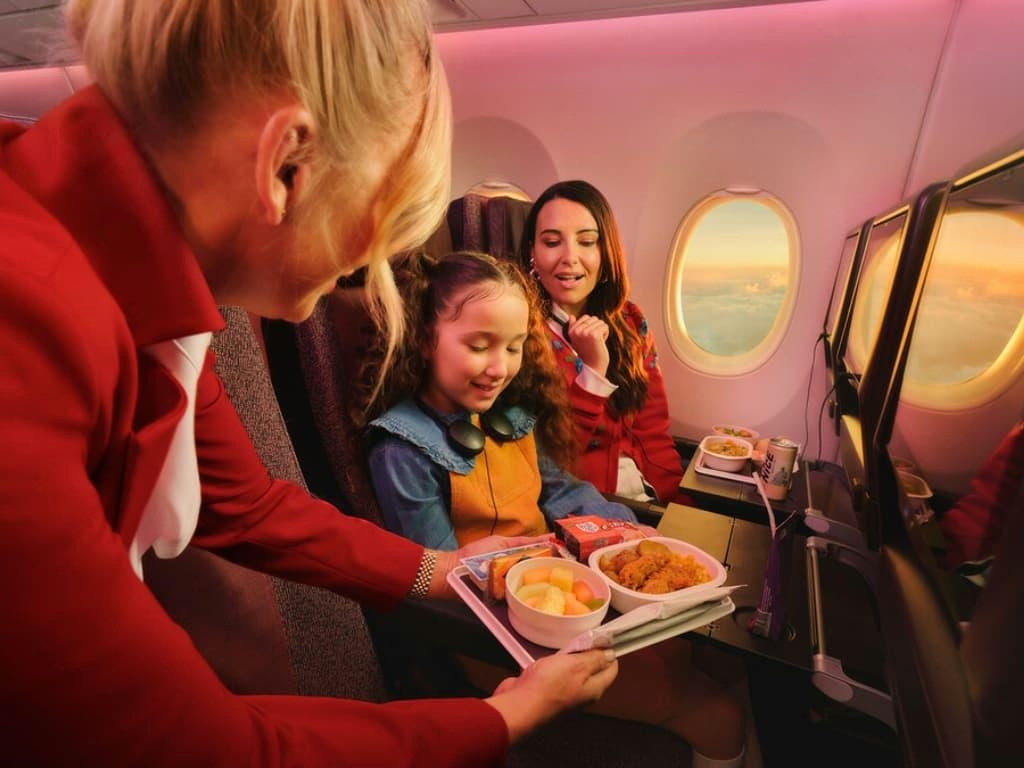
Airbus and Virgin Atlantic have announced a strategic partnership to address the persistent issue of food waste on long-haul flights through the development of an artificial intelligence (AI) tool named ‘Smart Catering.’ This initiative aims to significantly reduce preventable food and beverage waste, a challenge that has long affected both operational efficiency and environmental sustainability within the aviation sector.
Tackling Food Waste with Smart Catering
Food waste in airlines is a considerable problem, with estimates indicating that between 18% and 20% of meals and drinks served remain untouched. This not only inflates operational costs but also contributes to environmental degradation, conflicting with global sustainability goals such as the United Nations’ 2030 Agenda for Sustainable Development. With the worldwide economic impact of food waste projected to reach $3.4 trillion by 2030, the need for innovative and effective solutions is increasingly urgent.
The Smart Catering system integrates AI software into the existing digital devices used by cabin crew, such as tablets and mobile phones. Utilizing the device’s camera, the AI analyzes meal trays as they are removed from catering trolleys during service. This data is then transmitted to an onboard inventory platform, which updates real-time consumption figures and monitors remaining stock levels for both food and beverages.
Beyond inventory tracking, the application provides cabin crew with immediate access to detailed information on stock availability, galley locations, and passenger dietary requirements, including allergy and nutritional data. This real-time insight is designed to enhance service efficiency and ensure that passenger needs are met with greater precision.
Once fully implemented, Smart Catering will incorporate a ‘ground cloud’ platform, enabling airlines to analyze consumption data at the route level. This capability will allow carriers to better align food provisioning with actual passenger demand, thereby reducing overstocking and minimizing waste based on historical consumption trends.
Implications and Industry Response
The collaboration between Airbus and Virgin Atlantic arrives amid growing emphasis on sustainability within the airline industry. The adoption of AI-driven waste management solutions is expected to be positively received by environmental advocates and may establish a new benchmark for industry practices. However, the deployment of such technology presents challenges, including ensuring the AI’s accuracy in waste identification and its seamless integration into existing operational workflows. Additionally, there may be resistance from staff accustomed to traditional waste management methods, necessitating comprehensive training and change management efforts.
Market reactions are anticipated to be varied. While proponents of sustainability are likely to endorse the initiative, some stakeholders in traditional airline food services may express skepticism regarding the technology’s efficacy and its impact on established procedures. Competitors may respond by developing comparable AI tools or exploring alternative strategies to reduce waste, aiming to maintain their competitive positioning.
Future Prospects
As the aviation industry confronts increasing pressure to enhance sustainability, initiatives such as Smart Catering represent a forward-looking approach to reducing the environmental footprint of air travel. By leveraging AI to optimize food provisioning and minimize waste, Airbus and Virgin Atlantic are positioning themselves at the forefront of an industry-wide transformation. This shift holds the potential for substantial financial savings and environmental benefits, particularly as the global cost of food waste continues to escalate.

Etihad Airways Suspends Airbus A380 Flights on Key Route

Aditya Birla Group Seeks Approval for Aircraft Leasing in GIFT City

Qatar Airways Highlights Innovation and Connectivity at Arabian Travel Market 2026

Hong Kong's Five-Year Plan Includes Andrew Fan's Aircraft Parts Processing Hub Proposal

ACIA Aero Leasing Delivers ATR72-600 to Air Nostrum

RTX Appoints Jill Albertelli as Head of Pratt & Whitney

TAT Technologies Joins Beyond Aero Hydrogen Aircraft Program

AURAK Study Highlights Barriers to Air Taxi Adoption in Emerging Economies

Xiamen Air Selects Altitude for 787 Maintenance at Heathrow

Etihad and Swissport Extend Global Partnership
