
Trasforma le intuizioni dell’IA in azioni concrete

Tendenze
Categories
Airbus Focuses on Production Stability Amid Delivery Challenges
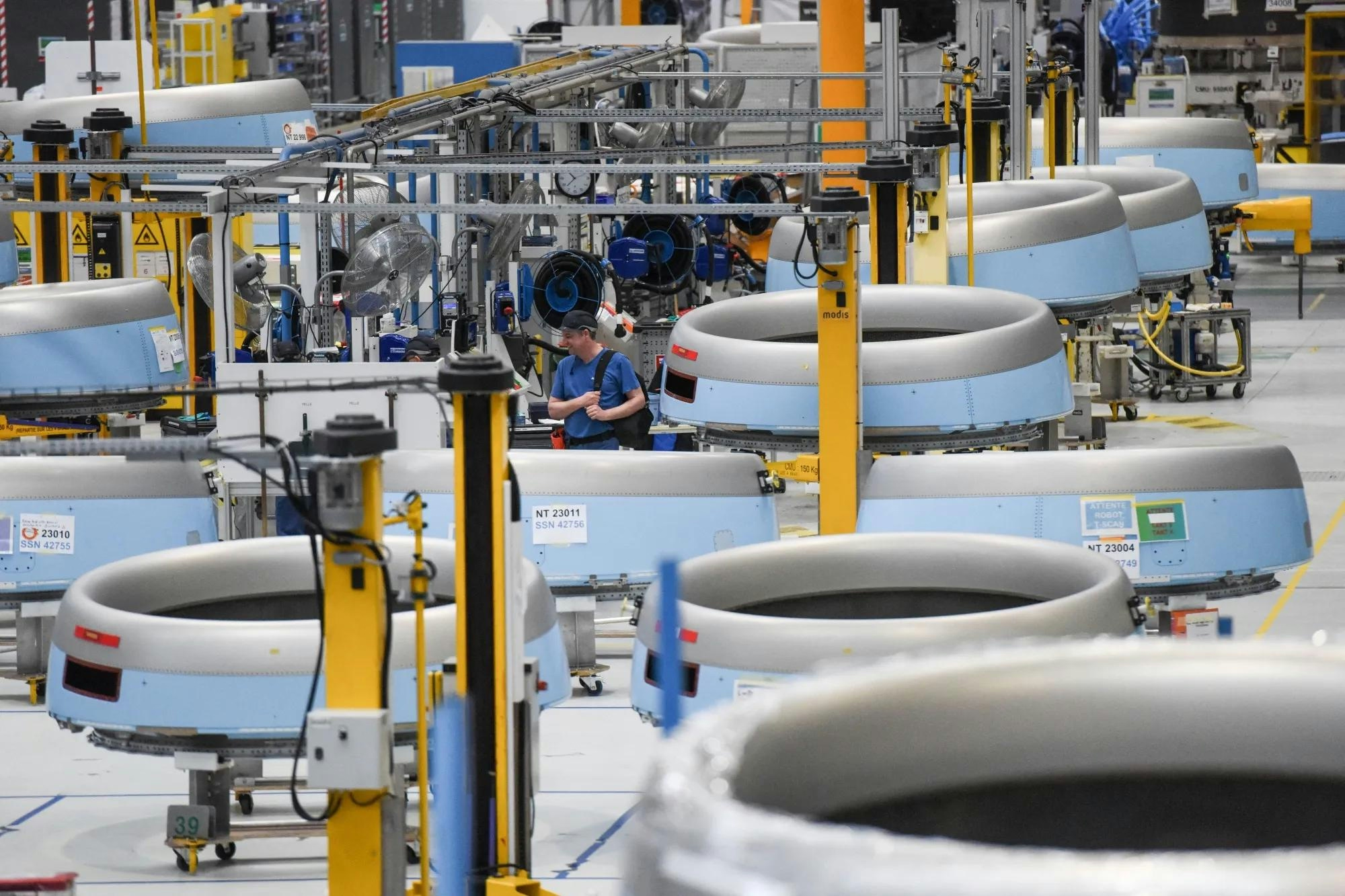
Airbus Focuses on Production Stability Amid Delivery Challenges
Production Stability as a Strategic Priority
Lars Wagner, the newly appointed CEO of Airbus Commercial Aircraft, has emphasized production stability as the foremost priority for the company amid increasing pressure from airlines and leasing firms to enhance delivery performance. Speaking at the Airline Economics conference in Dublin on January 26—his first public engagement since taking office earlier this year—Wagner acknowledged the complex challenges Airbus faces in sustainably ramping up output. He highlighted that the entire aerospace ecosystem is under strain, necessitating a careful approach before any further increases in production rates can be realized.
Airbus concluded 2025 with its strongest delivery figures since the onset of the pandemic, delivering 793 commercial aircraft, a 4% increase over 2024. This included 607 A320-family jets and 93 A220s, driven by a vigorous year-end push. Order activity remained robust, with 1,000 gross aircraft orders from 57 customers, translating into 889 net new orders after adjustments. These results have elevated Airbus’s backlog to record levels and underpin expectations for continued production growth in 2026.
Ongoing Supply Chain and Operational Challenges
Despite these positive delivery trends, Airbus continues to confront persistent supply chain constraints. Shortages of next-generation engines and defective fuselage panels have disrupted both fleet availability and production schedules. Extended maintenance periods for Pratt & Whitney GTF engines have compelled airlines to ground aircraft awaiting repairs, inflating spare-engine costs and diminishing operational capacity.
Delivery delays have also been exacerbated by these supply issues, compounded further by trade tensions and geopolitical uncertainties. CEO Guillaume Faury has underscored the necessity for Airbus to remain agile in navigating this evolving global environment.
In this competitive landscape, Airbus maintains its dominance in the single-aisle market, outpacing Boeing in annual deliveries. Boeing’s ongoing “industrial reset” and plans to increase production rates highlight the intense rivalry between the two manufacturers.
Outlook for 2026 and Beyond
Wagner has identified resolving production bottlenecks across Airbus’s programs as his immediate focus. The company aims to increase aircraft deliveries to approximately 900 units in 2026, with some internal forecasts projecting even higher figures. Central to this ambition is the A320neo family, with Airbus targeting a production rate of 75 aircraft per month by 2027. Capacity expansions include the commissioning of a second A320 final-assembly line in Tianjin, expected to be fully operational by early 2026, and the conversion of an A380 assembly line in Toulouse to support A321 production by mid-year.
Looking further ahead, Wagner’s secondary priority involves evaluating engine technologies for the next generation of narrow-body aircraft planned for the coming decade. Airlines have expressed concerns regarding newer engines, which, despite improved fuel efficiency, have exhibited reduced durability and increased maintenance disruptions. Wagner emphasized the need to address these durability issues to strike an appropriate balance between efficiency and reliability in future designs.
Airbus has characterized 2026 as a year of gradual progress rather than rapid transformation. While rising output is anticipated, it is expected to provide only limited relief for airlines seeking earlier delivery slots. As Airbus continues to manage supply chain and operational challenges, its leadership remains committed to stabilizing production and laying the groundwork for sustained future growth.
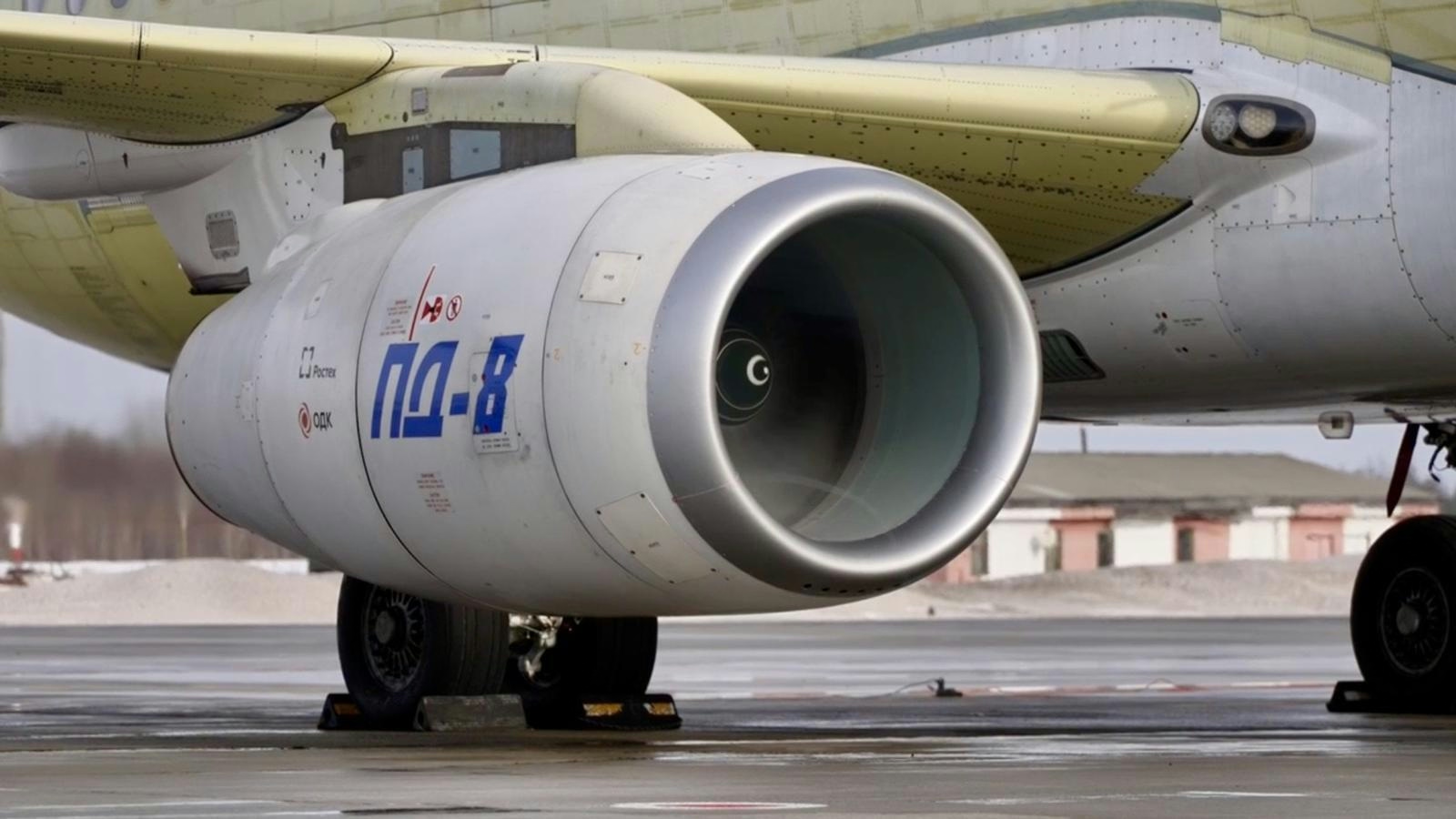
PD-8 Engine Encounters Corrosion Issues from Saltwater Exposure

Weekly Summary: August Deliveries, Year-to-Date Orders, and 4.1 Million Share Buyback
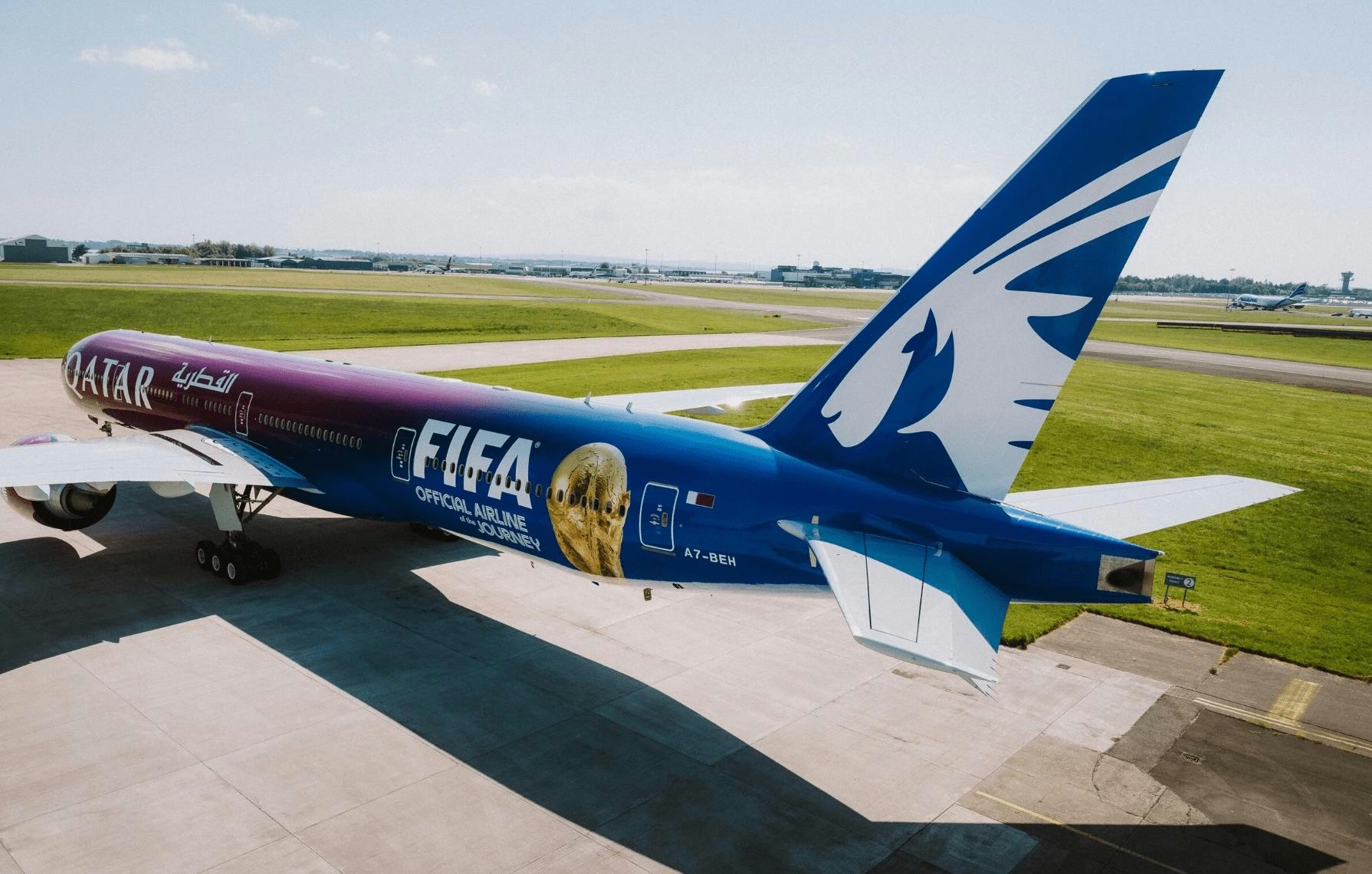
Linking Ireland’s Aircraft Leasing Industry to Elite Football
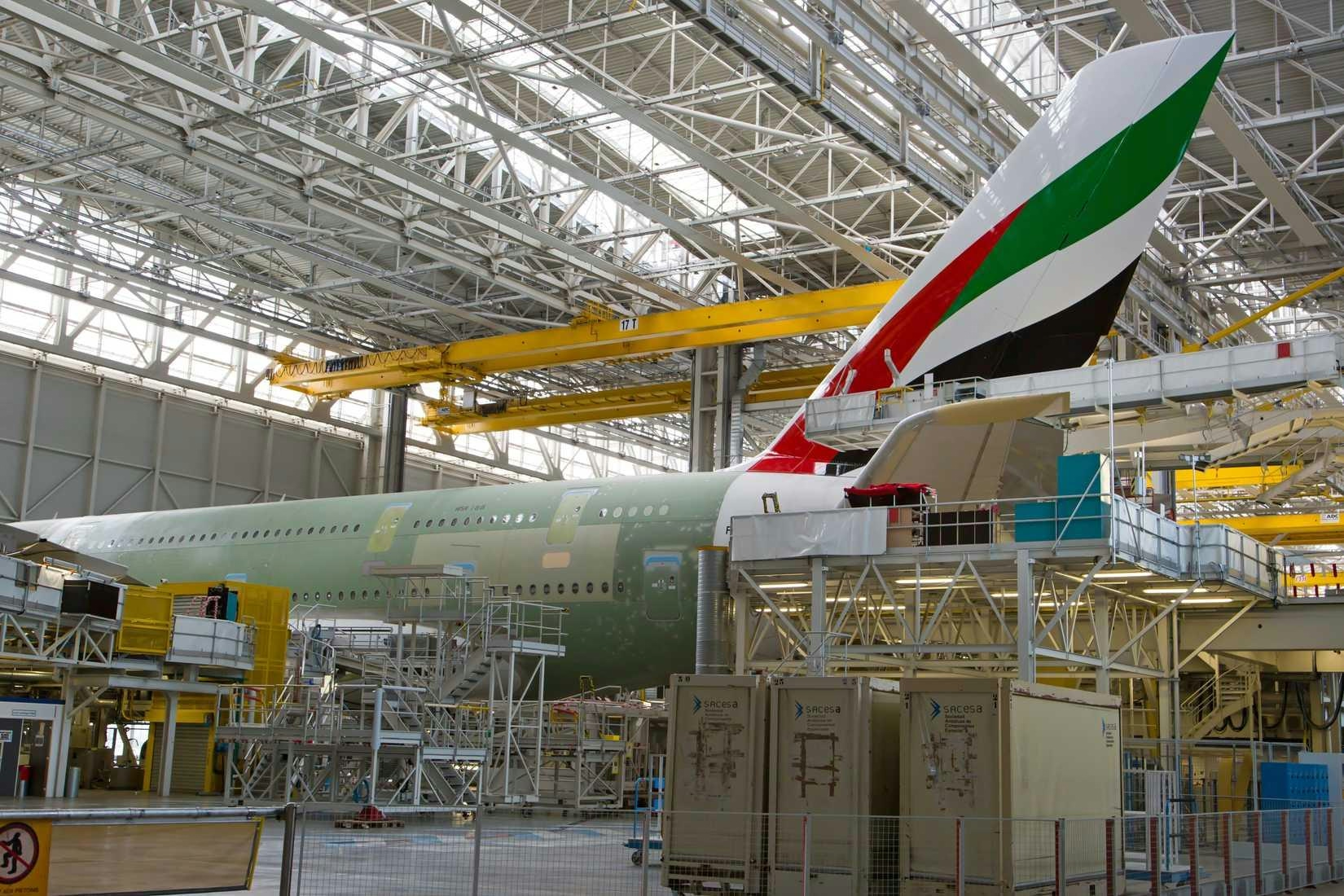
Airbus A380 at Tarbes Yields Over 90% of Parts for Active Fleets Through Careful Dismantling
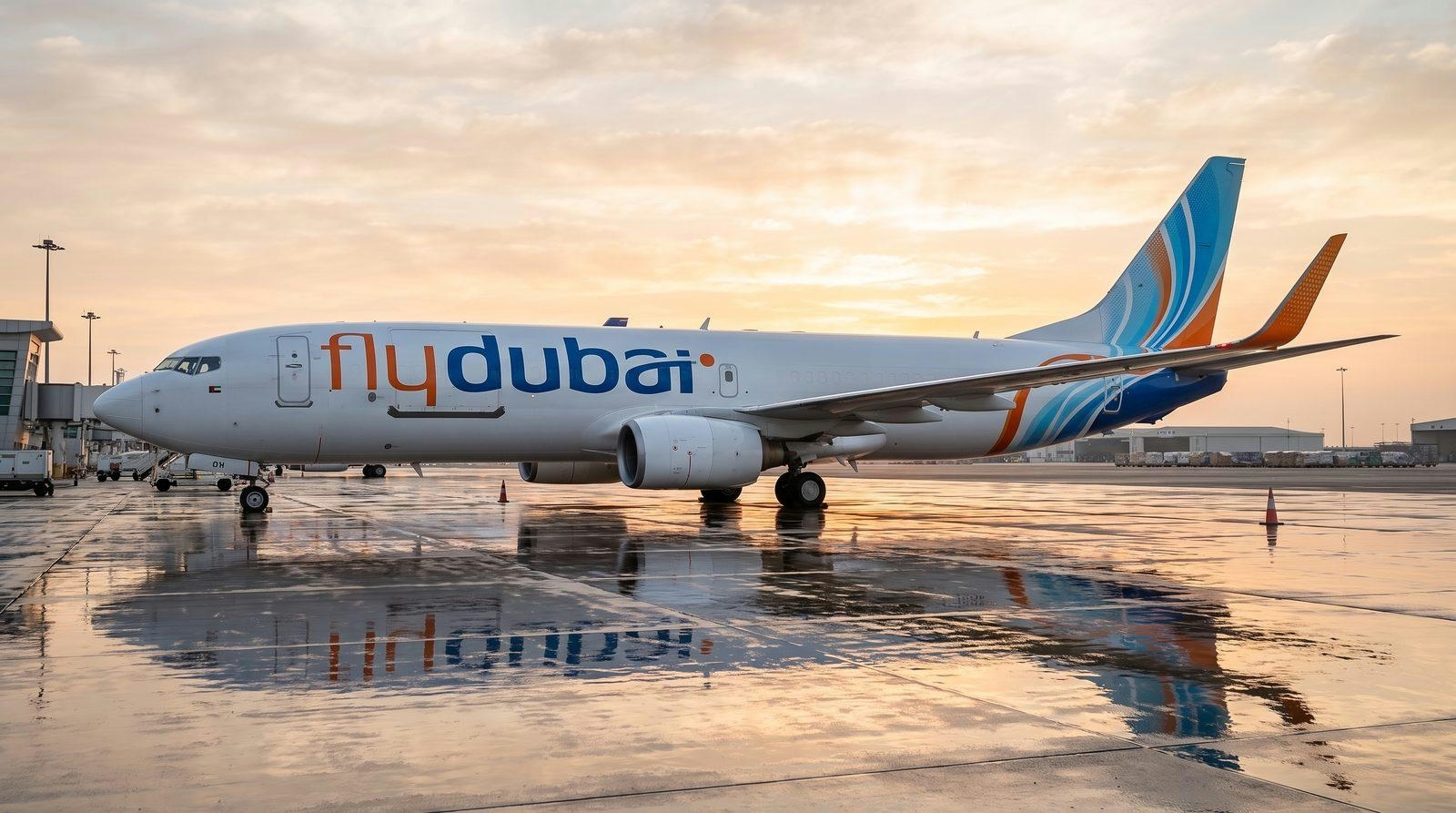
flydubai Begins Dedicated Freighter Operations with Three Leased 737-800s
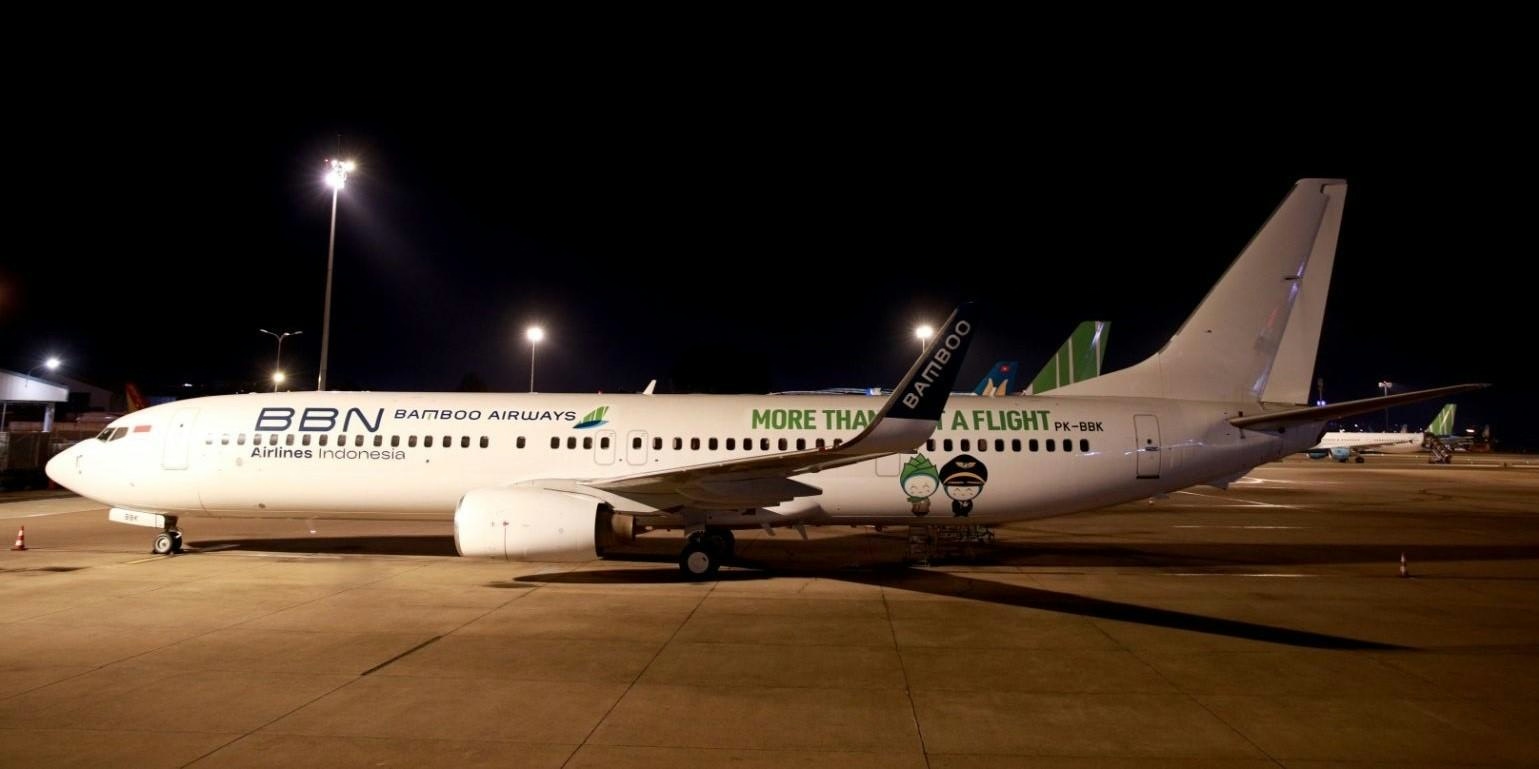
BBN Airlines Becomes IATA Member
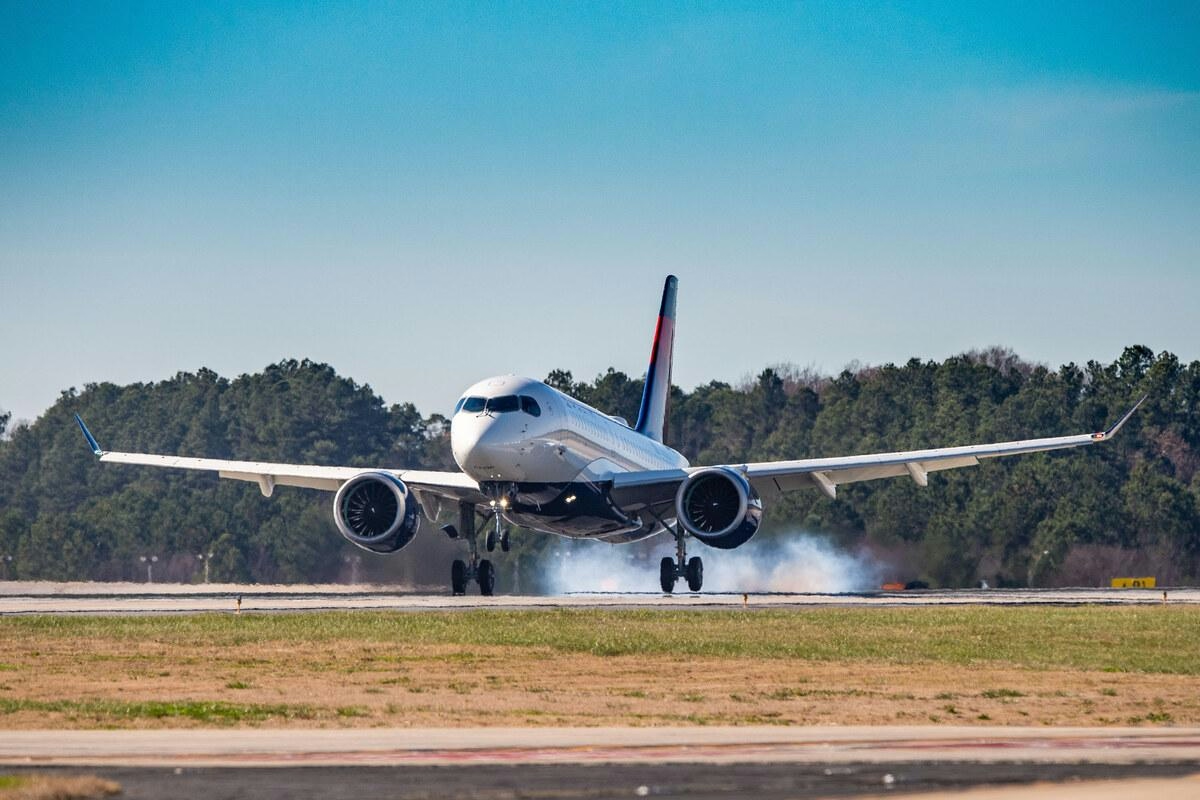
FAA Orders Breeze Airways and Delta to Inspect Airbus A220 Fuel Hoses

Philippine Aviation Navigates Expansion and Costs Amid Fuel Price Volatility
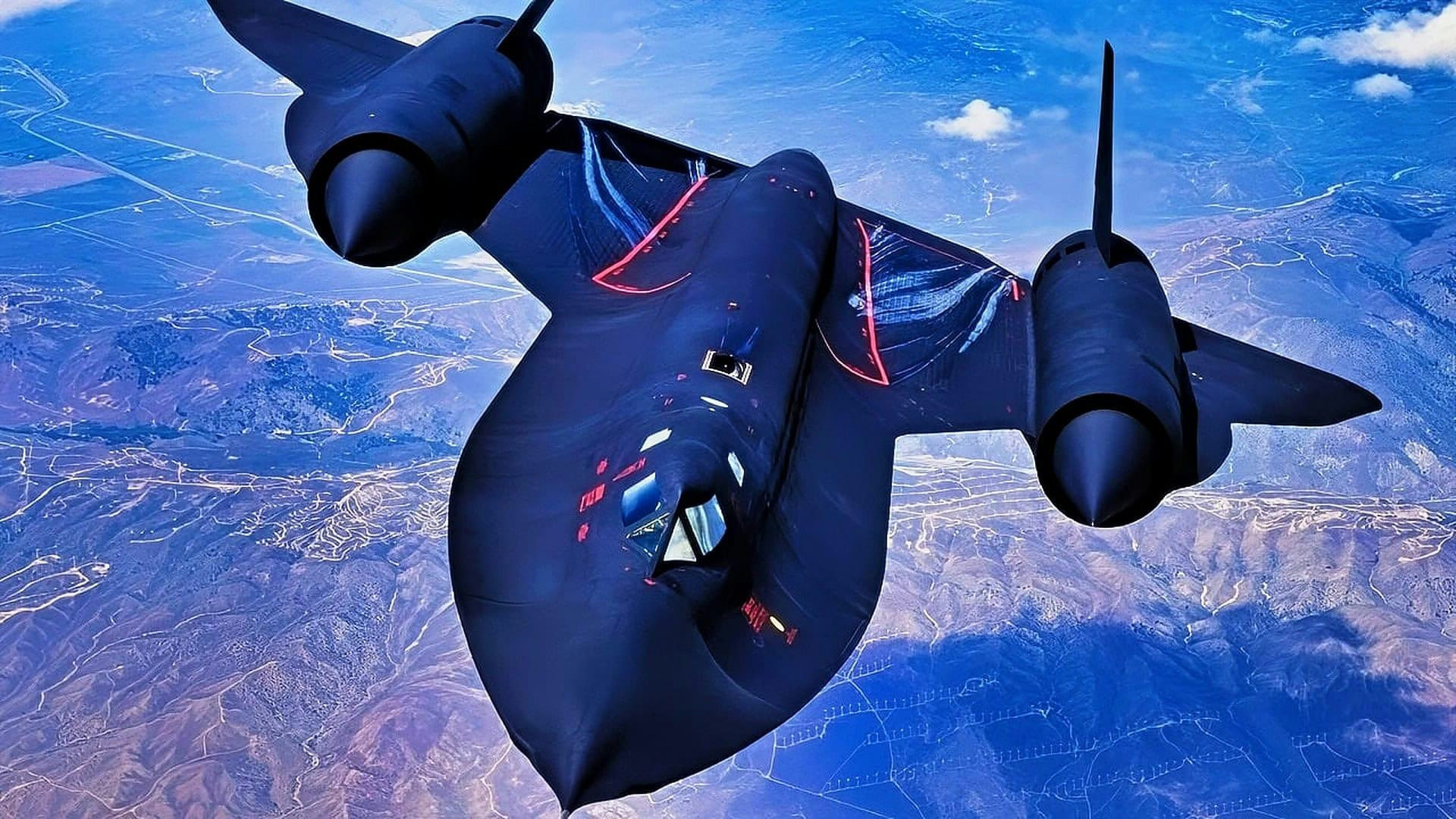
On April 26, 1971, an SR-71 Blackbird Flew Over 15,000 Miles in 10.5 Hours, Limited by Liquid Nitrogen Supply
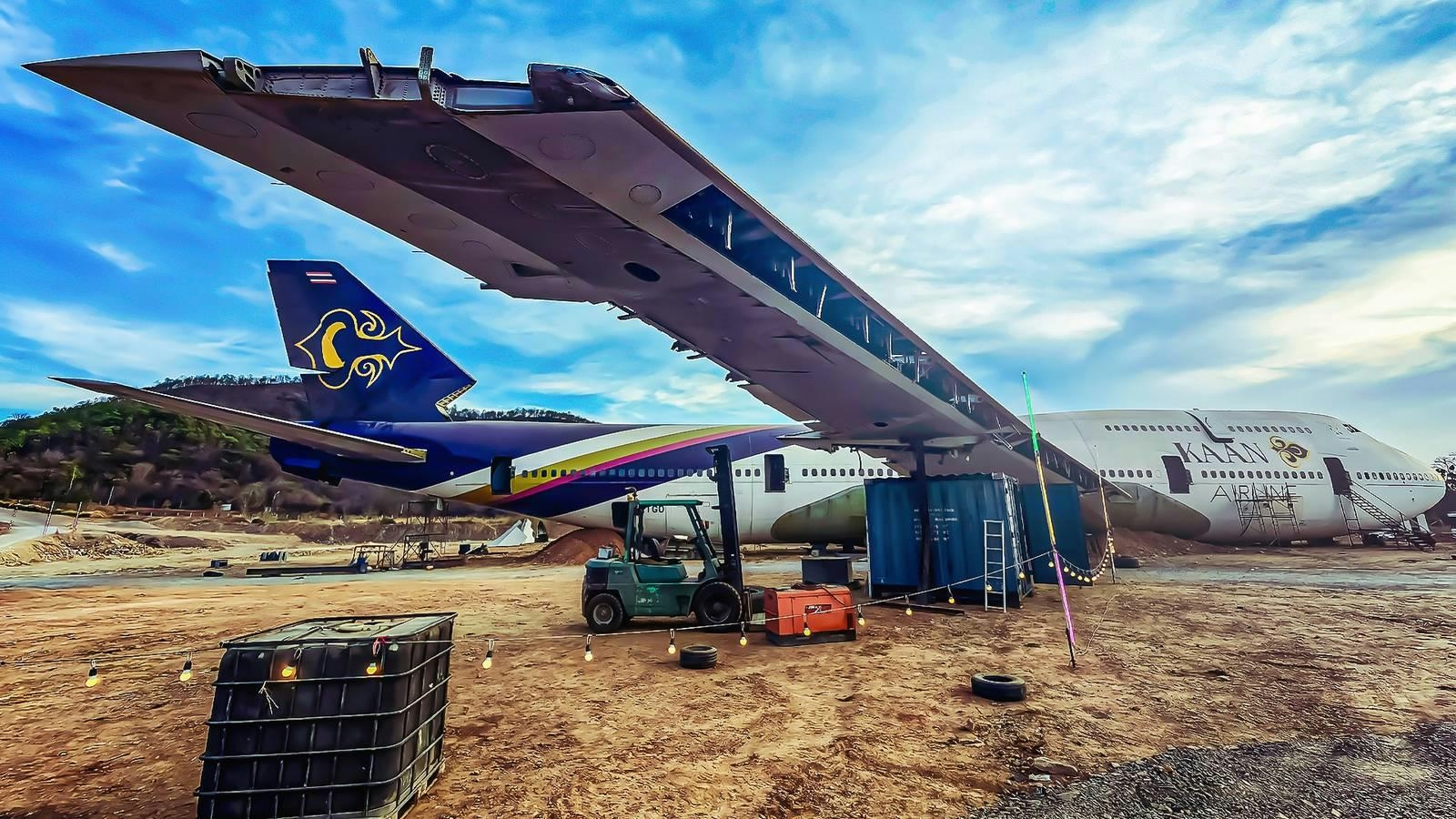
Boeing 747 Airframe Valued Less Than One Landing Gear Component
