
Trasforma le intuizioni dell’IA in azioni concrete

Tendenze
Categories
Aircraft Shortage Delays Retirement of Aging Fleets Worldwide
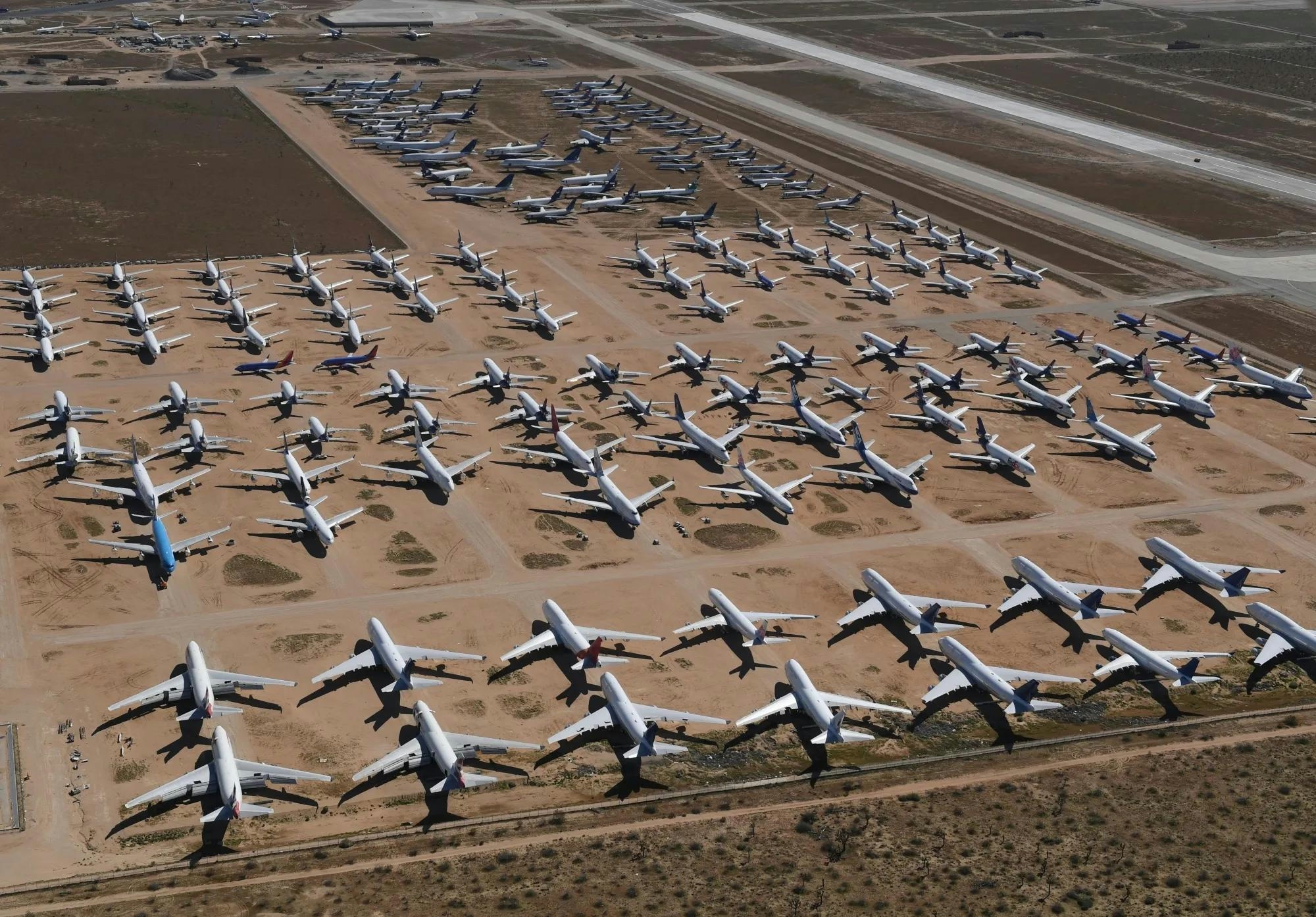
Aircraft Shortage Forces Airlines to Extend Service of Aging Fleets
A persistent global shortage of new aircraft is compelling airlines to retain older, less efficient planes in active service far beyond their intended retirement schedules. This phenomenon, driven by ongoing supply chain disruptions and manufacturing delays, is significantly altering fleet renewal strategies across the aviation industry.
Supply Chain Disruptions and Manufacturing Delays
The aviation sector currently faces a substantial deficit, with approximately 5,300 fewer aircraft delivered than manufacturers had originally committed. Despite around 16,000 planes remaining on order worldwide, the imbalance between supply and demand has created a challenging environment for airlines. The surge in post-pandemic travel demand has intensified the need for new jets, yet delivery delays have transformed aging aircraft from retirement candidates into operational necessities.
Leading manufacturers such as Boeing and Airbus continue to grapple with supply chain bottlenecks, labor shortages, and residual impacts from pandemic-related production halts. The International Air Transport Association (IATA) Director General Willie Walsh recently underscored ongoing difficulties in freighter manufacturing supply chains, cautioning that widebody airfreight capacity will remain constrained through 2026 and beyond. Additionally, Boeing’s recent wiring issues are expected to postpone some 737 Max deliveries, although the company remains confident in meeting its 2026 sales target of approximately 500 Max jets.
Impact on Airlines and Fleet Retirement Decisions
Faced with delayed deliveries, airlines have been forced to postpone or cancel retirement plans for aging aircraft, including models that have long surpassed their prime operational years. This trend is particularly pronounced in the United States, where American Airlines risks losing ground to competitors such as Delta and United, having placed fewer new widebody orders in recent years.
The continued operation of older aircraft carries notable financial and environmental consequences. These planes generally consume more fuel, incur higher maintenance expenses, and produce greater carbon emissions compared to newer models. However, elevated fuel prices have narrowed the cost advantage of newer, more maintenance-intensive engines, rendering the temporary retention of older jets a more economically viable option for many carriers.
Temporary Setback with Future Recovery Expected
Industry analysts and major aircraft lessors, including Avolon, emphasize that the current slowdown in fleet retirements is a temporary setback. As Boeing and Airbus address supply chain challenges and increase production rates, the backlog of undelivered aircraft is expected to diminish. This improvement will likely accelerate the retirement of the oldest and least efficient planes.
Nevertheless, the extended use of aging fleets is exerting pressure on airline profit margins and may prompt carriers to introduce higher baggage fees or other ancillary charges to offset rising operating costs. Furthermore, delays in fleet modernization hinder airlines’ progress toward decarbonization goals and broader sustainability commitments.
Outlook for Fleet Modernization
The aircraft shortage is anticipated to persist for several years, sustaining upward pressure on retirement timelines. Once manufacturing normalizes and new deliveries resume at scale, airlines are expected to expedite the transition to more fuel-efficient and environmentally compliant fleets, restoring momentum to fleet modernization efforts.
Frequently Asked Questions
Why aren’t airlines retiring older aircraft?
Airlines face a shortfall of approximately 5,300 aircraft deliveries compared to expectations, making it impractical to retire functioning planes when replacements remain unavailable due to manufacturing delays.
How does this affect airline costs and ticket prices?
Operating older aircraft increases fuel consumption and maintenance costs, which may lead airlines to raise fares or introduce additional fees to manage higher operational expenses.

Etihad Airways Suspends Airbus A380 Flights on Key Route

Aditya Birla Group Seeks Approval for Aircraft Leasing in GIFT City

Qatar Airways Highlights Innovation and Connectivity at Arabian Travel Market 2026

Hong Kong's Five-Year Plan Includes Andrew Fan's Aircraft Parts Processing Hub Proposal

ACIA Aero Leasing Delivers ATR72-600 to Air Nostrum

RTX Appoints Jill Albertelli as Head of Pratt & Whitney

TAT Technologies Joins Beyond Aero Hydrogen Aircraft Program

AURAK Study Highlights Barriers to Air Taxi Adoption in Emerging Economies

Xiamen Air Selects Altitude for 787 Maintenance at Heathrow

Etihad and Swissport Extend Global Partnership
