
Trasforma le intuizioni dell’IA in azioni concrete

Tendenze
Categories
Aircraft Transitions in APAC Demand Enhanced CAMO Support
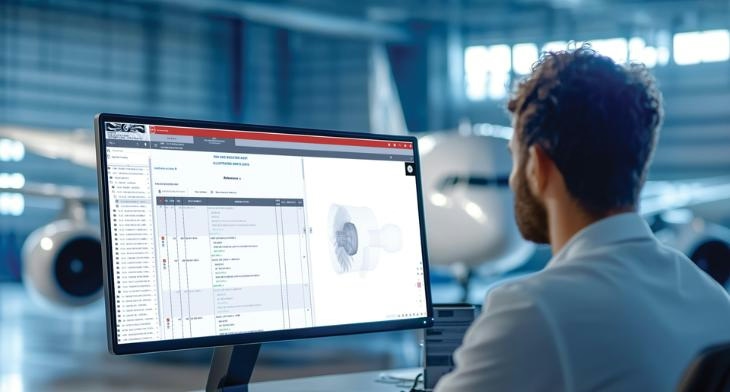
Aircraft Transitions in APAC Demand Enhanced CAMO Support
The Asia-Pacific (APAC) region remains one of the fastest-growing aviation markets globally, driven by rapid fleet expansion, increased aircraft leasing activity, and strong passenger demand. Currently, APAC accounts for nearly a quarter of the world’s international seat capacity, with Southeast Asian operators alone expected to require over 4,800 new aircraft within the next two decades. This extraordinary growth is intensifying the complexity of aircraft transitions, imposing new challenges on lessors, operators, and maintenance, repair, and overhaul (MRO) providers.
According to FL Technics, a leading MRO service provider, the dynamic nature of the APAC market means that traditional Continuing Airworthiness Management Organisation (CAMO) support is no longer adequate. Phillip M. Pilipunas, Vice President Commercial – APAC Engineering Department at FL Technics, highlights a common misconception: “One of the biggest misconceptions in aircraft transitions today is assuming technical compliance alone guarantees a smooth delivery. In reality, transition projects across APAC require simultaneous coordination between engineering, records integrity, regulatory interpretation, maintenance planning, and stakeholders.”
Rising Maintenance Demand and Market Pressures
The surge in aircraft transitions has significantly increased maintenance demand throughout the APAC region. This trend has been further intensified by the ongoing Middle East crisis, which has driven up costs for MRO operators. Airlines are advancing maintenance schedules to mitigate operational risks, thereby escalating the need for MRO services. In response, companies such as HAECO have made substantial investments to expand their MRO capabilities in China, while Dunlop Aircraft Tires is scaling up its retreading operations to meet growing aftermarket demand. Compounding these challenges is a shortage of landing gears for newer aircraft models like the A320neo and 737 MAX, which is emerging as a critical bottleneck. This scarcity complicates transition timelines and places additional strain on the aftermarket supply chain.
Technical Records and Transition Challenges
Aircraft in APAC frequently experience multiple operator changes, CAMO transfers, and maintenance events across a variety of regulatory environments. This often results in technical records that lack standardization and are difficult to trace. For lessors, gaps in documentation, inconsistencies between maintenance tracking systems, and missing component traceability can quickly escalate into commercial setbacks. Even minor delays during transitions may lead to extended aircraft parking, lost lease revenue, increased maintenance costs, and diminished predictability in delivery schedules. Consequently, minimizing uncertainty during transitions has become a paramount concern for both technical and commercial stakeholders.
Navigating Complex Regulatory Environments
Aircraft transitions in APAC typically require navigating a complex web of regulatory authorities and approval processes. As aircraft move between jurisdictions, operators and lessors must manage varying airworthiness requirements, import and export approvals, registration changes, and local regulatory procedures. What is accepted in one jurisdiction may necessitate additional review or documentation in another, demanding close coordination among civil aviation authorities, lessors, operators, CAMO organizations, and MRO providers.
Pilipunas emphasizes that “successful transition management is not only about completing technical work. It also requires understanding the regulatory expectations of different authorities and ensuring that all required approvals and documentation are addressed at the right stage of the project.” Early planning and collaboration among all stakeholders are essential to reduce uncertainty and facilitate smoother transitions.
The Importance of Local Expertise
Given the increasing complexity of aircraft transitions in APAC, lessors and operators are prioritizing partners with both local presence and specialized transition expertise. To enhance regional responsiveness, FL Technics Engineering has expanded its office and team in Bangkok, Thailand, providing on-the-ground technical coordination, faster communication with regional stakeholders, and rapid deployment during transition projects. Pilipunas notes, “In APAC, speed and responsiveness often determine whether a project stays on schedule.”
As the APAC aviation market continues to evolve, enhanced CAMO support, robust local expertise, and proactive stakeholder coordination are becoming indispensable for managing the region’s challenging aircraft transition landscape.
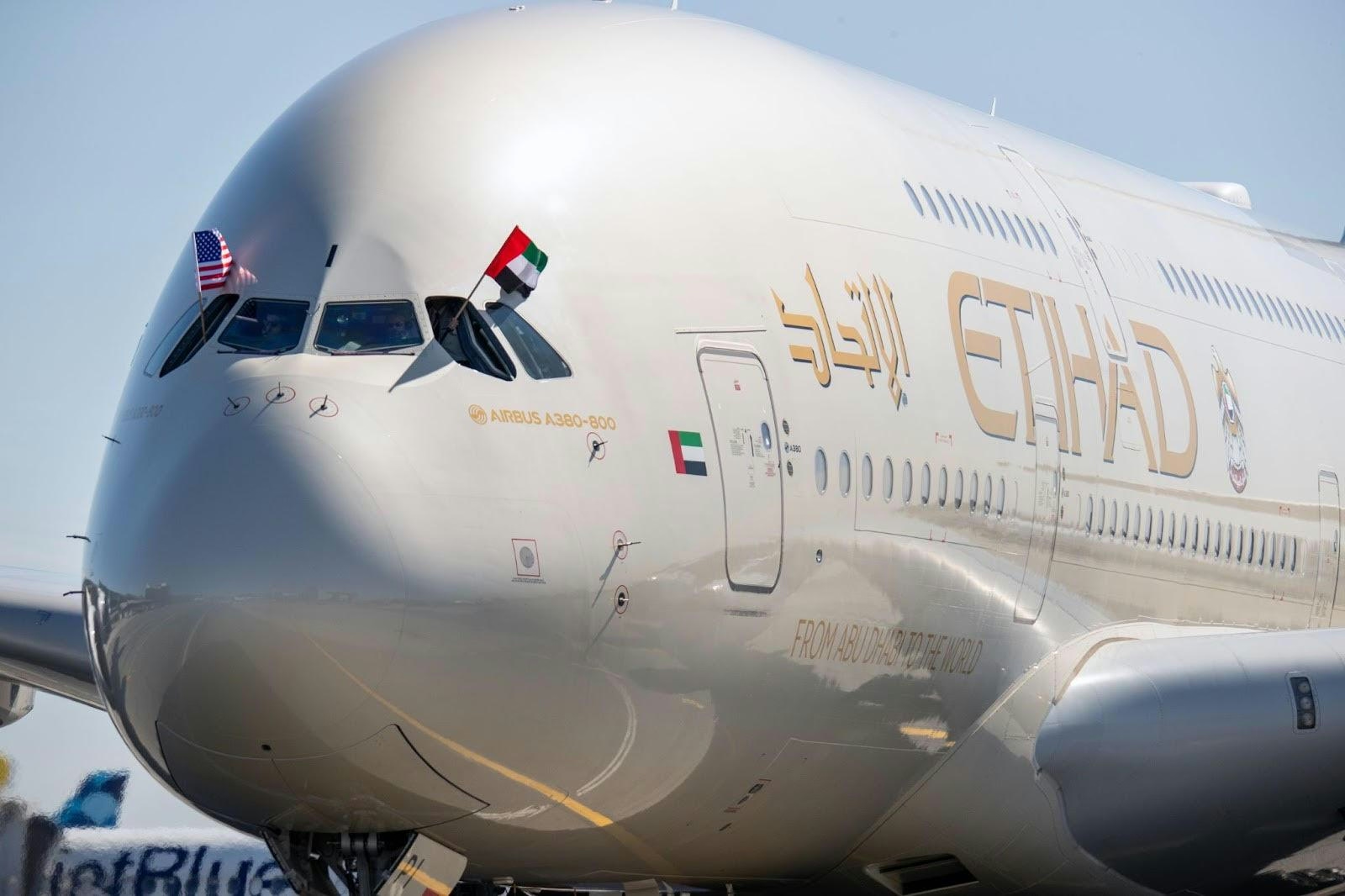
Etihad Airways Suspends Airbus A380 Flights on Key Route

Aditya Birla Group Seeks Approval for Aircraft Leasing in GIFT City

Qatar Airways Highlights Innovation and Connectivity at Arabian Travel Market 2026
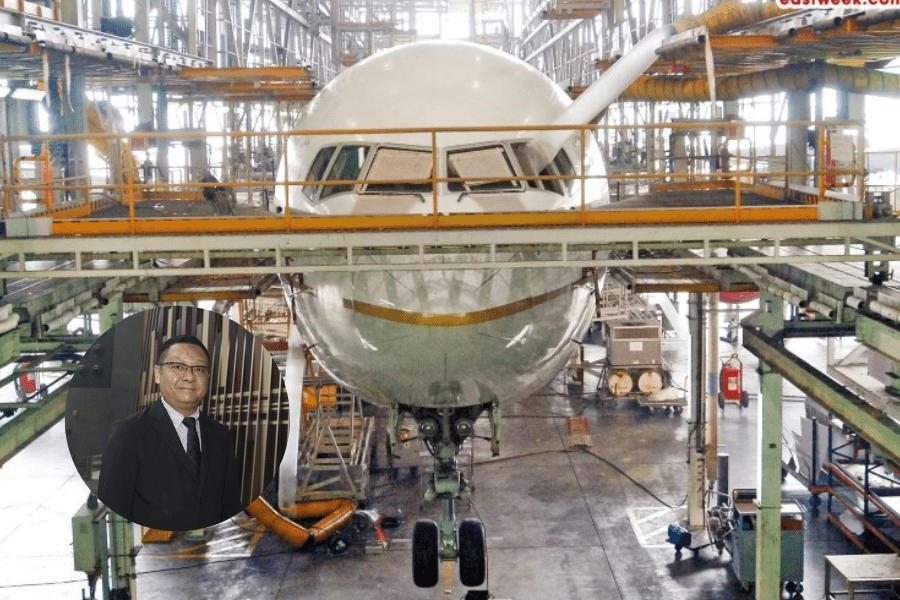
Hong Kong's Five-Year Plan Includes Andrew Fan's Aircraft Parts Processing Hub Proposal
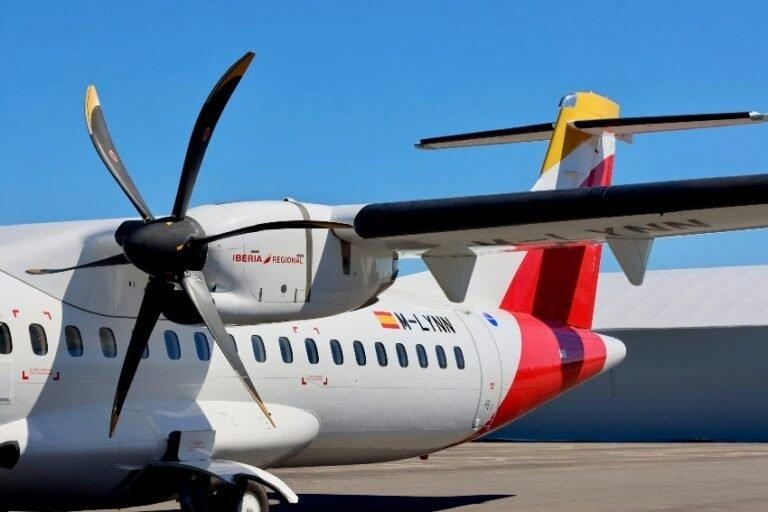
ACIA Aero Leasing Delivers ATR72-600 to Air Nostrum
RTX Appoints Jill Albertelli as Head of Pratt & Whitney

TAT Technologies Joins Beyond Aero Hydrogen Aircraft Program
AURAK Study Highlights Barriers to Air Taxi Adoption in Emerging Economies
Xiamen Air Selects Altitude for 787 Maintenance at Heathrow
Etihad and Swissport Extend Global Partnership
