
Trasforma le intuizioni dell’IA in azioni concrete

Tendenze
Categories
Airline That Introduced Low-Cost Long-Haul Widebody Service Ends the Model
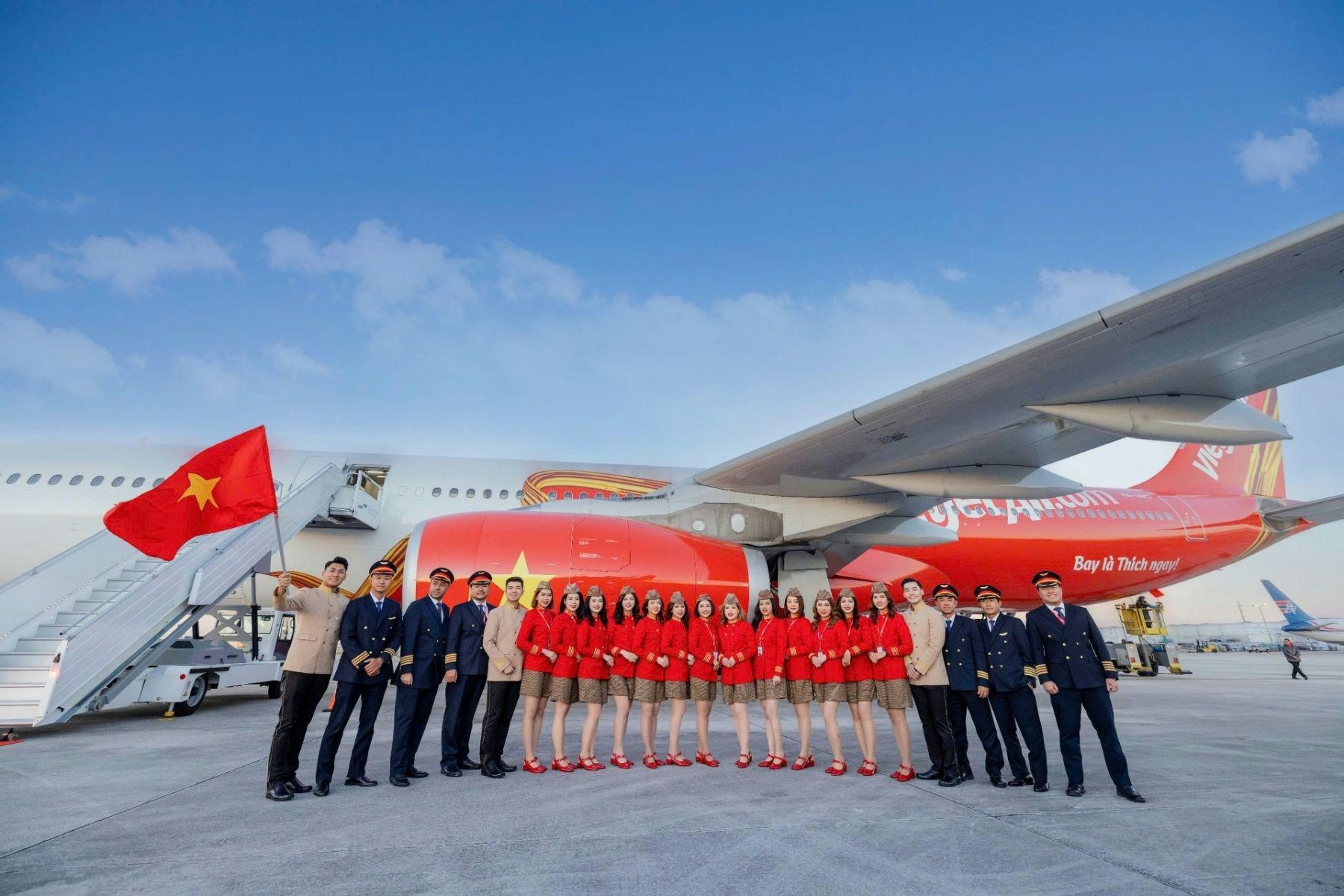
AirAsia X Ends Low-Cost Long-Haul Widebody Service Model
In a significant development for the budget aviation sector, AirAsia X and Airbus have jointly agreed to cancel the remaining 15 Airbus A330-900 aircraft from the manufacturer’s backlog. This decision, finalized in mid-2026, effectively terminates the airline’s long-standing ambition to expand its low-cost, long-haul widebody operations—a strategy that once held the promise of transforming affordable travel across the Asia-Pacific region.
Challenges Undermining the Low-Cost Long-Haul Model
AirAsia X, a pioneer in the low-cost long-haul market, has faced increasing economic pressures that have eroded the viability of its original business model. The airline’s approach relied on filling nearly 400 seats on high-density, twin-aisle jets to minimize per-seat costs. However, this model has been severely challenged by volatile fuel prices, currency fluctuations, and the broader unpredictability of global markets. Unlike legacy carriers, which benefit from premium cabins and loyalty programs to mitigate financial risks, budget airlines are particularly vulnerable when passenger demand weakens. An unfilled widebody aircraft quickly becomes a costly liability rather than an asset.
The cancellation of the A330neo order reflects wider industry difficulties. Rising operating expenses, geopolitical uncertainties, and mounting sustainability demands have prompted a reassessment of the feasibility of long-haul, low-cost widebody operations. Concurrently, the competitive environment is evolving, with larger full-service airlines such as Lufthansa and Air France-KLM consolidating their market positions. These carriers leverage extensive resources to maintain service quality and customer loyalty, intensifying the pressure on smaller, budget-focused airlines to adapt or face obsolescence.
Strategic Shift Towards Single-Aisle Aircraft
In response to these challenges, the AirAsia Group is shifting its focus toward a more flexible, single-aisle strategy. The airline has committed to acquiring 50 Airbus A321XLR aircraft, with options for an additional 20, in a deal valued at approximately $12.25 billion. These long-range narrowbody jets provide greater operational flexibility, enabling the airline to better align capacity with demand and reduce exposure to market volatility. This transition also allows AirAsia to optimize capital allocation and streamline operations, favoring sustainable, route-specific growth over reliance on the scale of widebody fleets.
The shift is not without its own challenges. As AirAsia reconfigures its network, it must also reconsider its in-flight connectivity solutions. The diminishing accessibility of SpaceX’s Starlink service could affect the quality of onboard internet, a critical factor in maintaining competitiveness within the low-cost segment.
AirAsia X’s withdrawal from the widebody, long-haul model marks the end of a notable chapter in budget aviation. The initiative that once aimed to democratize intercontinental travel has proven unsustainable under current market conditions. The airline’s new approach emphasizes agility and financial resilience over expansive growth, potentially offering a strategic framework for other carriers navigating the complexities of modern air travel.

Etihad and Swissport Extend Global Partnership
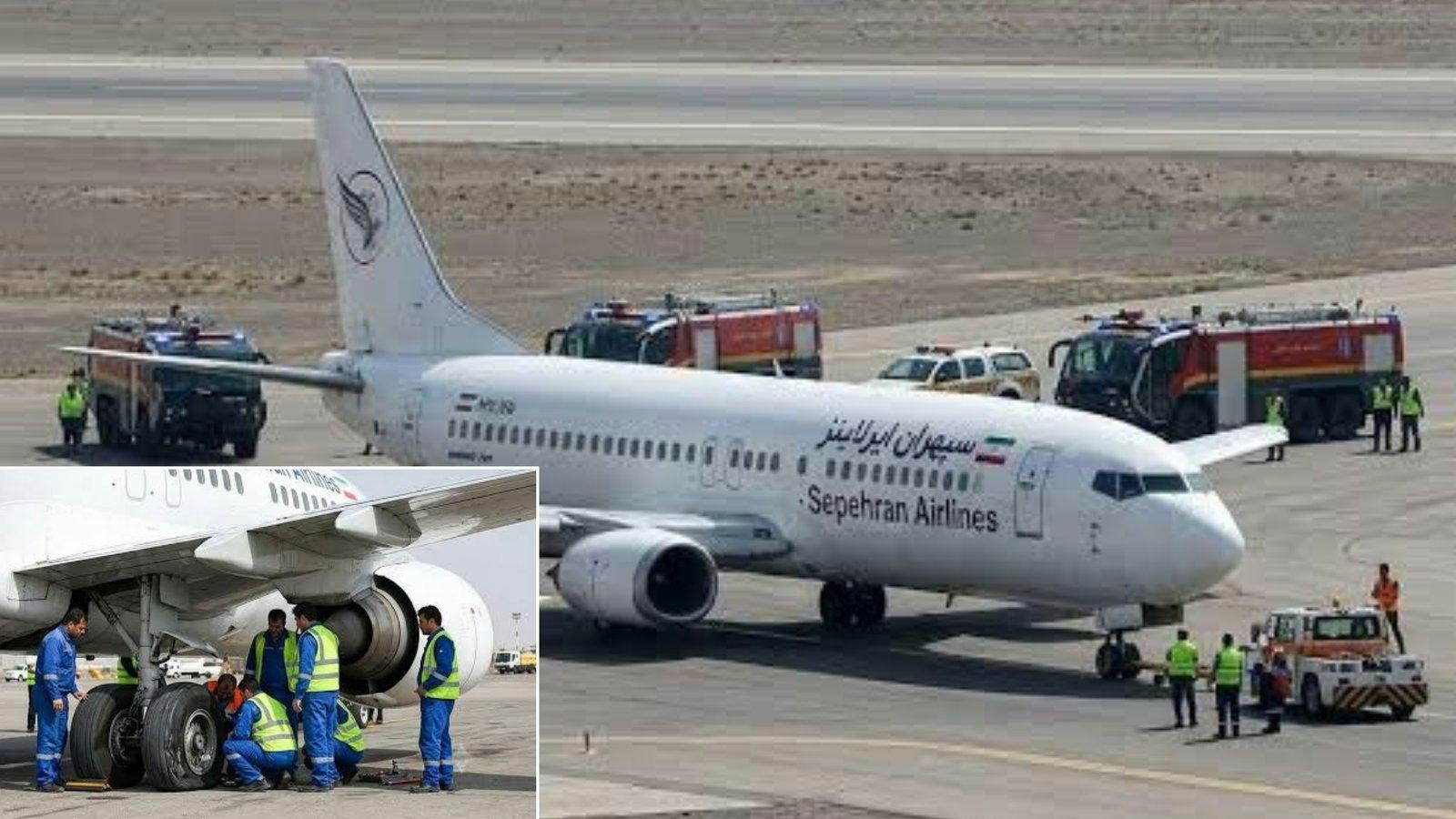
Sepehran Airlines B737 Returns to Mashhad After Tyre and Engine Issues

Etihad Deploys Widebody Fleet to Meet Strong Demand

Korean Air Finalizes $36.2 Billion Deal with Boeing
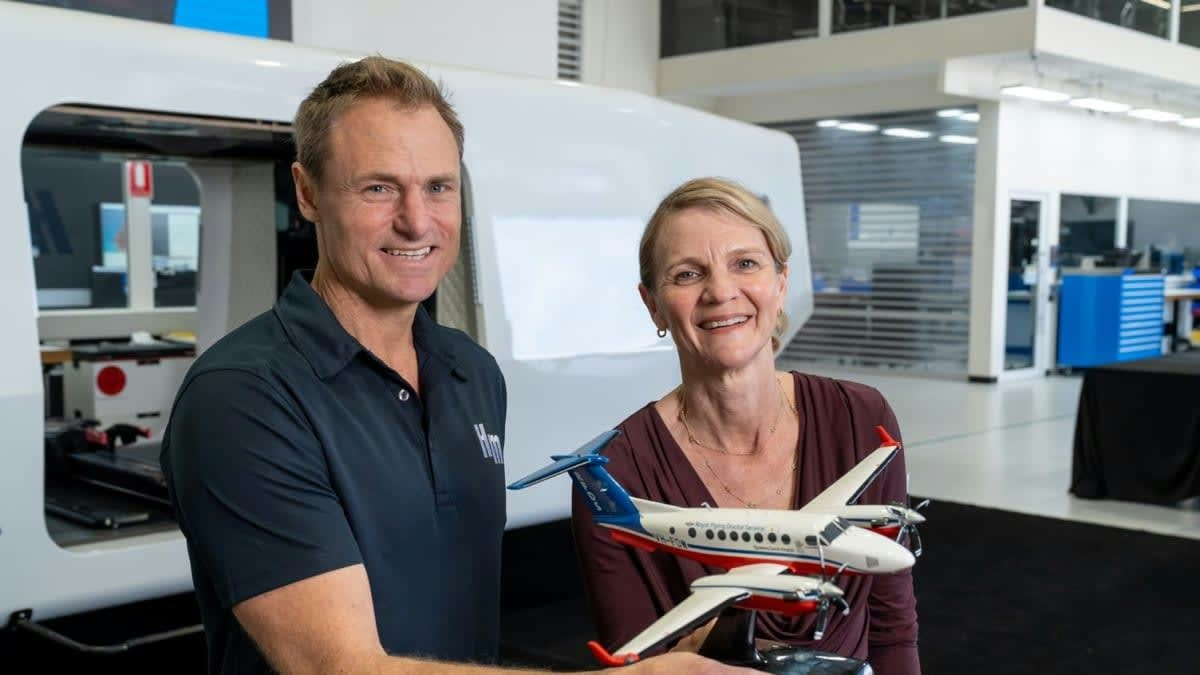
Australia’s RFDS Queensland Section Orders Six King Air 260Cs
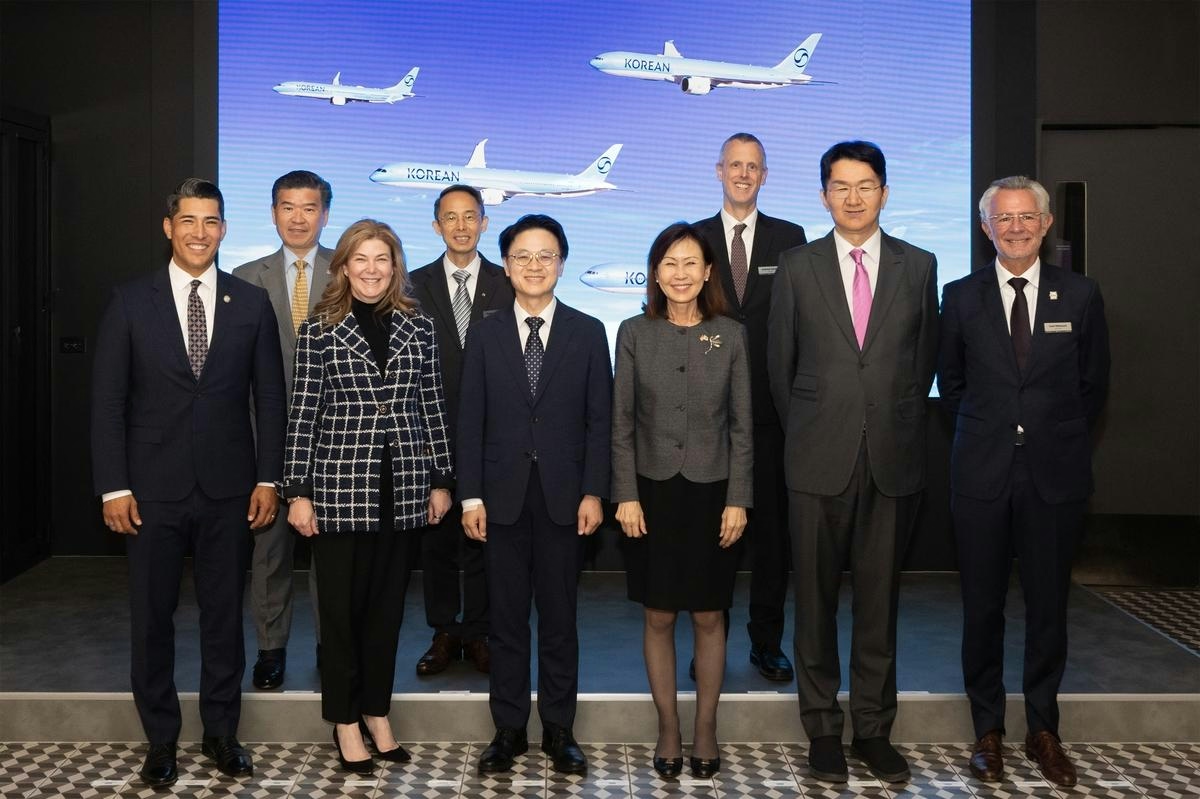
Korean Air Finalizes Order for 103 Boeing Jets and Engines
Embraer E195-E2 Features Distinctive Engine Placement Among Regional Jets
What Passengers Can Expect on Boeing’s New 777X Jet
How Ethiopian Airlines Became Africa’s Leading Carrier Amid Gulf Competition
Joby Aviation Extends Autonomous Flight Capabilities with Cross-Country Tour
