
Trasforma le intuizioni dell’IA in azioni concrete

Tendenze
Categories
Airlines Introduce AI Rebooking Systems to Cut Call Center Wait Times in 2026
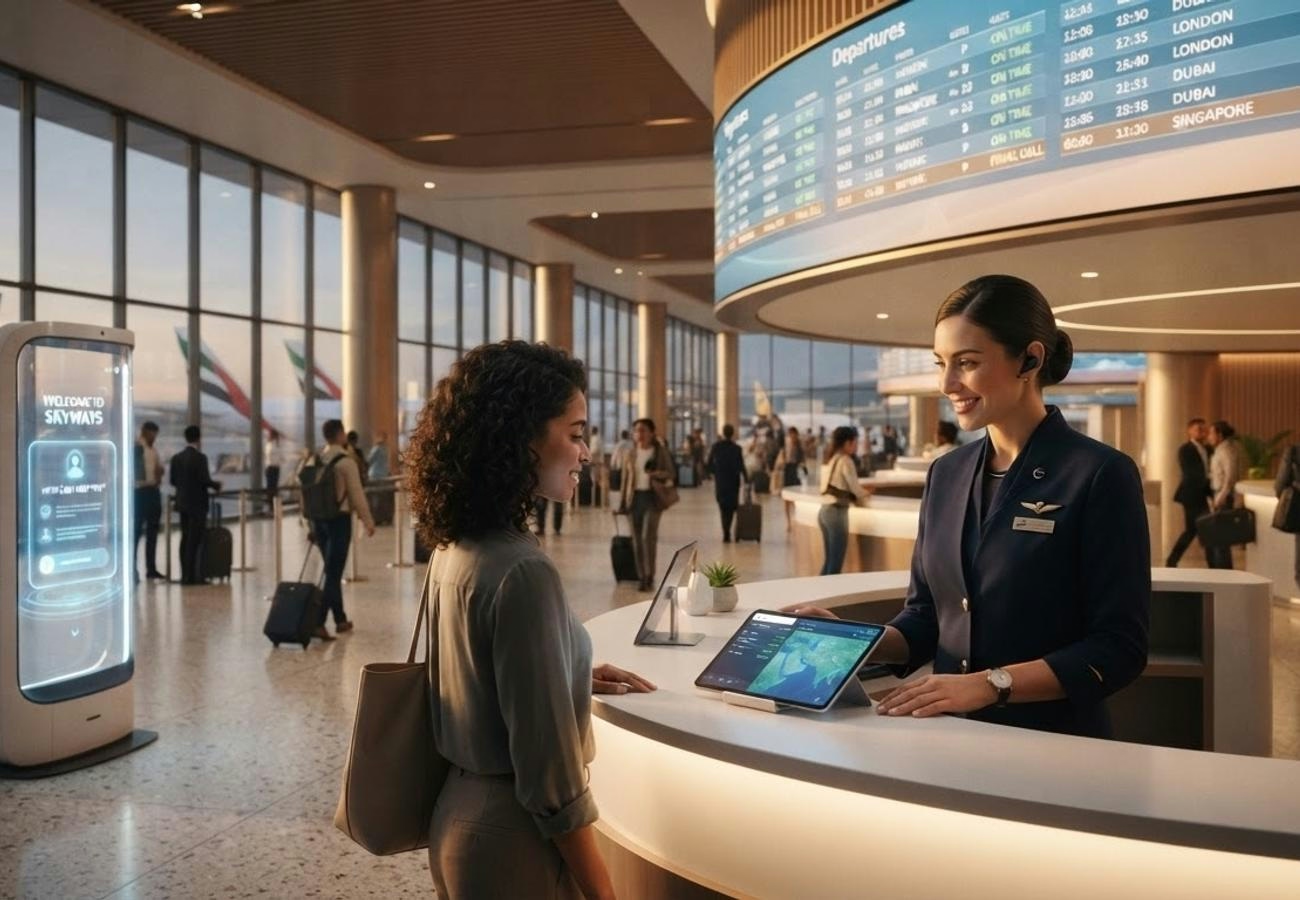
Airlines Introduce AI Rebooking Systems to Cut Call Center Wait Times in 2026
Airlines worldwide are increasingly adopting artificial intelligence to revolutionize their call center operations, aiming to significantly reduce the prolonged wait times that have long frustrated travelers. By integrating AI-driven rebooking systems, carriers seek to transform the traditional experience of extended holds into a near-instantaneous response, enhancing customer service efficiency and satisfaction.
AI Integration in Airline Call Centers
Historically, airline call centers have depended on agents manually searching for fare rules, seat availability, and alternative itineraries, a process that often resulted in lengthy pauses and extended hold times. The introduction of AI-powered background systems now automates these searches, retrieving booking details and disruption policies in real time. These advanced tools present ranked options to agents within seconds, thereby minimizing silence on the line and reducing the cognitive burden on staff. This shift allows agents to concentrate on delivering concrete solutions rather than resorting to generic holding statements, streamlining the overall customer interaction.
Impact on Disruptions and Rebooking
Flight disruptions caused by weather, air traffic control issues, or technical failures remain the primary drivers of call center surges. Legacy software frequently compelled both agents and passengers to endure long waits while flight-search results loaded. Modern AI-enabled tools are altering this dynamic through several key innovations. Pre-computed rerouting capabilities allow AI systems to forecast inventory and calculate alternative routes before an agent even accesses a passenger’s file. Additionally, automated tools facilitate the rapid issuance of meal vouchers and hotel referrals in accordance with airline policies and the specific cause of delay. Routine inquiries, such as check-in times or baggage allowances, are handled automatically through triage layering, reserving human intervention for more complex cases. Data from major airline hubs indicate that the interval between a rebooking request and a confirmed new itinerary has been reduced from tens of minutes to just a few, marking a significant improvement in operational responsiveness.
Implementation Challenges and Industry Response
Despite the clear advantages, airlines face considerable challenges in deploying these AI systems. Initial implementation costs are substantial, and extensive staff training is required to ensure smooth adaptation to new workflows. Technical glitches remain a concern, with the potential to disrupt service during critical periods. Market reactions have been mixed; while many passengers welcome the reduction in wait times, others express apprehension regarding privacy and data security as more personal information is processed by automated systems. In response, competitors are either adopting similar AI technologies or emphasizing their commitment to superior, human-centered customer service. Meanwhile, regulatory bodies have begun scrutinizing the use of AI in customer service, focusing on transparency and the protection of consumer rights.
Passenger Rights and Navigating AI Support
Although AI expedites the rebooking process, airlines’ legal obligations toward passengers remain unchanged. Passengers should be aware that airlines retain a duty of care, which includes providing meals, communications, and hotel accommodations when required by law, such as under EU261/2004 or Department of Transportation guidelines. It is advisable for passengers to keep screenshots or chat logs of AI-generated offers, as these records may prove essential if an AI system fails to provide mandatory rerouting or denies entitled vouchers. Importantly, AI functions as a triage tool rather than a final authority; passengers have the right to request escalation to a human supervisor for complex issues or unresolved cases. As airlines continue to refine these AI systems, the balance between operational efficiency, customer experience, and regulatory compliance will remain a critical focus.

Etihad and Swissport Extend Global Partnership

Sepehran Airlines B737 Returns to Mashhad After Tyre and Engine Issues

Etihad Deploys Widebody Fleet to Meet Strong Demand

Korean Air Finalizes $36.2 Billion Deal with Boeing

Australia’s RFDS Queensland Section Orders Six King Air 260Cs

Korean Air Finalizes Order for 103 Boeing Jets and Engines

Embraer E195-E2 Features Distinctive Engine Placement Among Regional Jets

What Passengers Can Expect on Boeing’s New 777X Jet

How Ethiopian Airlines Became Africa’s Leading Carrier Amid Gulf Competition

Joby Aviation Extends Autonomous Flight Capabilities with Cross-Country Tour
