
Trasforma le intuizioni dell’IA in azioni concrete

Tendenze
Categories
AL-51F1 Engine Extends Su-57's Range Beyond Air-to-Air Missiles
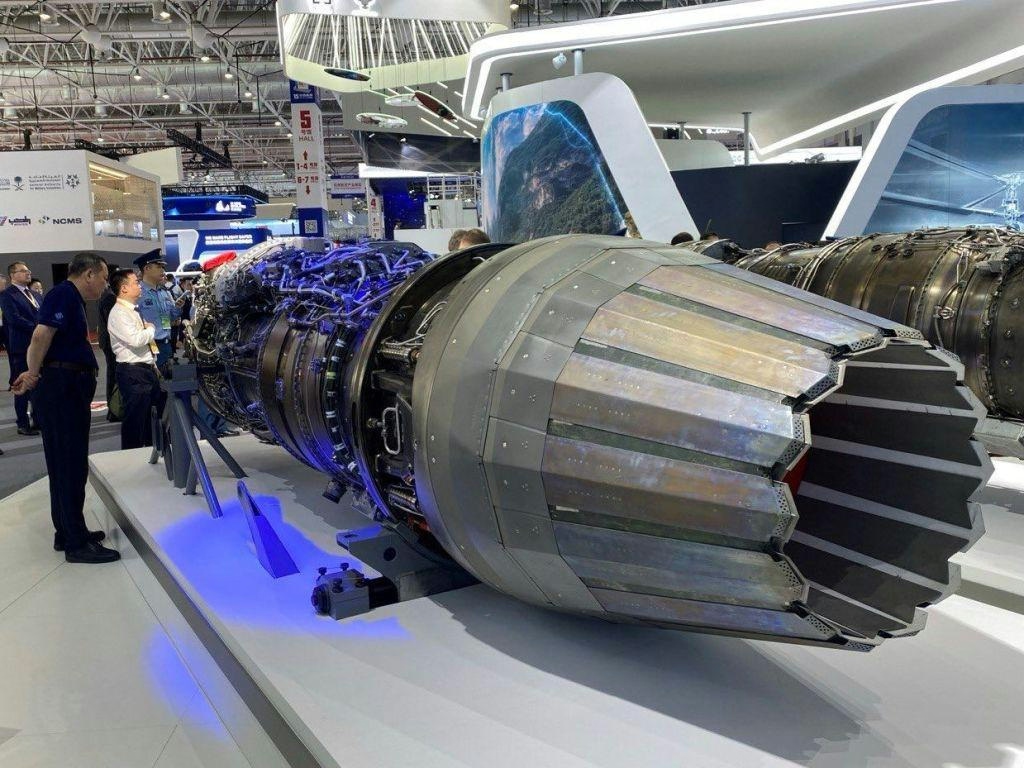
AL-51F1 Engine Enhances Su-57’s Operational Range and Stealth Capabilities
The integration of the AL-51F1 engine marks a significant advancement in the performance of Russia’s Su-57 fighter jet, substantially extending its operational range and survivability against both air-to-air and surface-to-air missile threats. According to military analyst Yuri Knutov, the Su-57 is equipped with an advanced “sensor suit” that grants pilots comprehensive 360-degree situational awareness. This capability, Knutov asserts, currently surpasses the maneuverability and detection systems of any other combat aircraft globally.
Knutov further characterizes the Su-57 not merely as a multi-role fighter but as a dedicated air superiority platform. Its design enables it to engage adversaries effectively while maintaining a near-invisible presence on the battlefield. “Such aircraft allow you to destroy the enemy while practically remaining invisible,” he remarked, underscoring the jet’s stealth and combat advantages.
Technical data available from open sources reveal that the AL-51F1 engine produces a maximum thrust of approximately 11,000 kgf in dry mode and can reach up to 18,000 kgf with afterburner engaged. The engine features a redesigned nozzle that reduces both infrared and radar signatures, thereby enhancing the aircraft’s stealth profile and reducing its detectability by enemy sensors.
Production Challenges and Strategic Implications
Despite these technological strides, the Su-57 program faces considerable obstacles. The ongoing conflict in Ukraine has disrupted production schedules, delaying the mass manufacture of the AL-51F1 engine and complicating the integration of advanced sixth-generation technologies into the fighter jet. These setbacks have prompted skepticism among international defense observers regarding Russia’s capacity to compete with the sophisticated fighter programs of the United States and China.
Market analysts have expressed doubts about the Su-57’s ability to achieve operational readiness and technological parity with rivals such as the U.S. F-35 and China’s fifth-generation stealth fighters. In response, both the United States and China are accelerating their own stealth aircraft development programs to maintain a competitive edge in aerial warfare technology.
The future influence of the Su-57 on the global air power balance will hinge not only on its technical capabilities but also on Russia’s success in overcoming production and integration challenges amid a complex and evolving geopolitical environment.
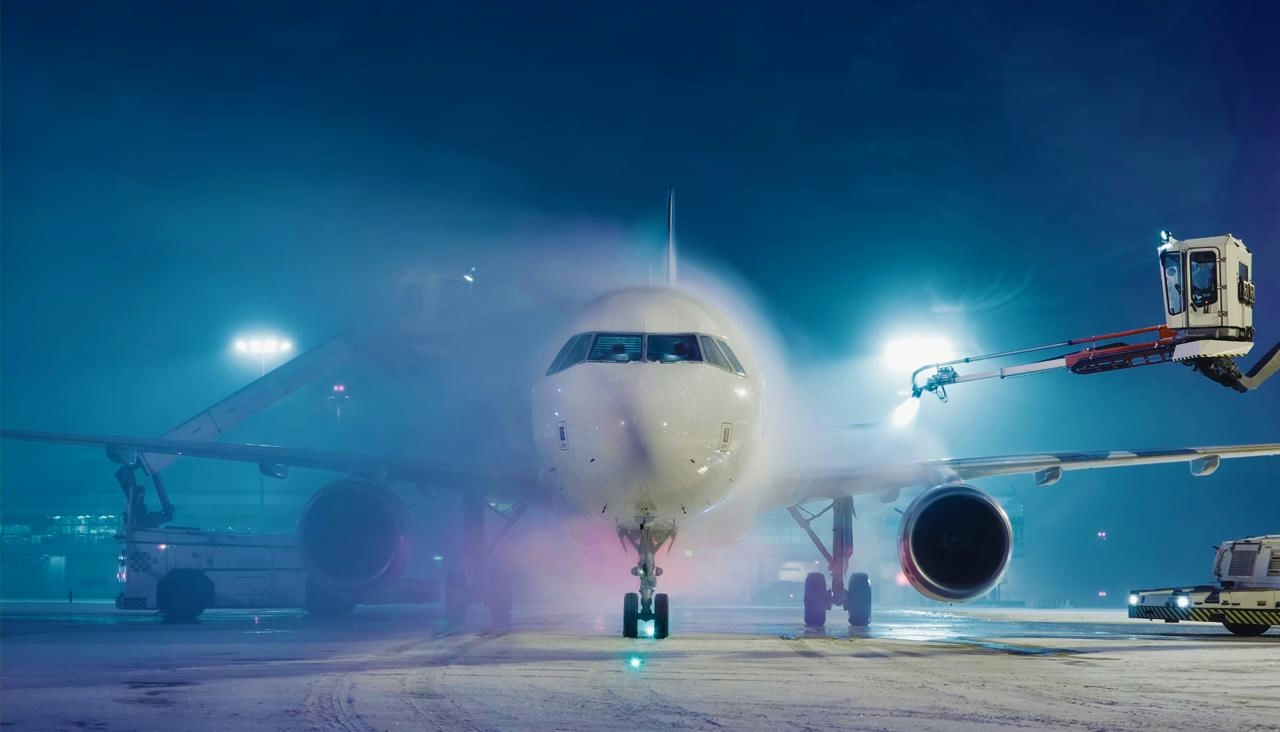
The Cost of De-Icing a Boeing 777 for Airlines
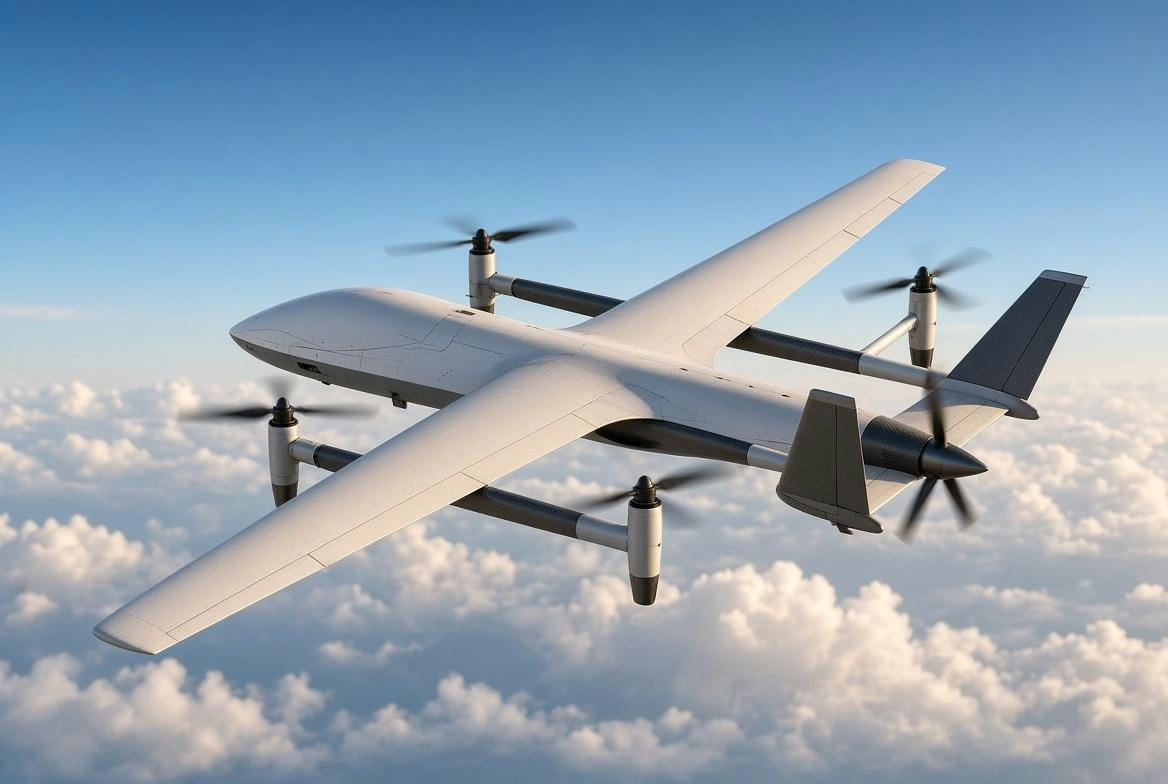
AVAKS-GeoService Patents UAV with Four Lift Propellers and One for Acceleration

Could AI Agents Turn the Time Between Trips Into a Revenue Channel?
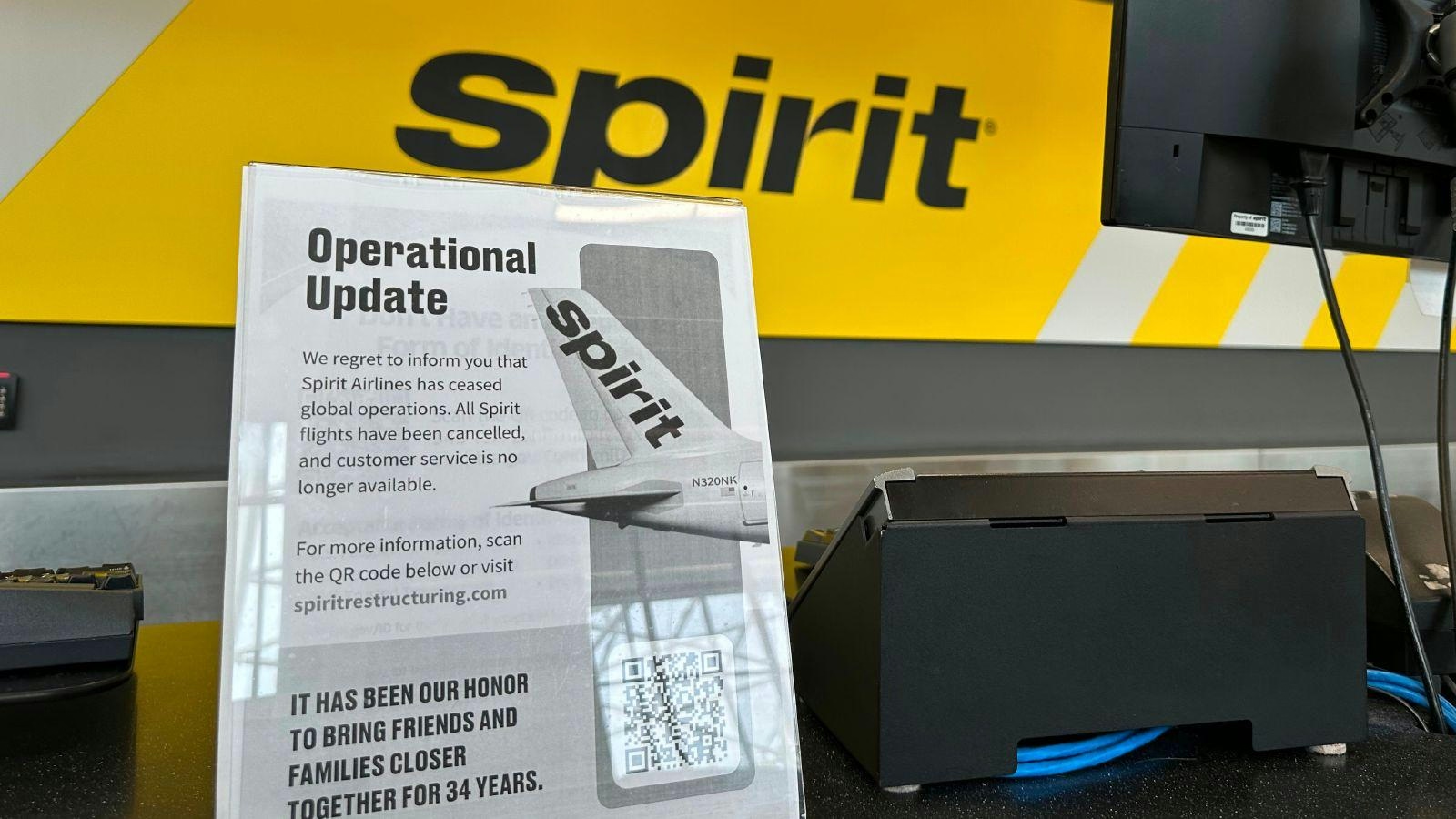
Competition for Defunct Spirit Airlines’ Employee Data Continues
La Caisse and SMBC Expand Leasing Platform to $3 Billion

Harald Gloy Appointed CEO of Lufthansa Technik
PD-8 Engine Not Related to French SaM146
Ethiopian Airlines Finalizes Order for Ten Boeing 777 Freighters
Nayak Aircraft Services Assumes Control of LAS Maintenance
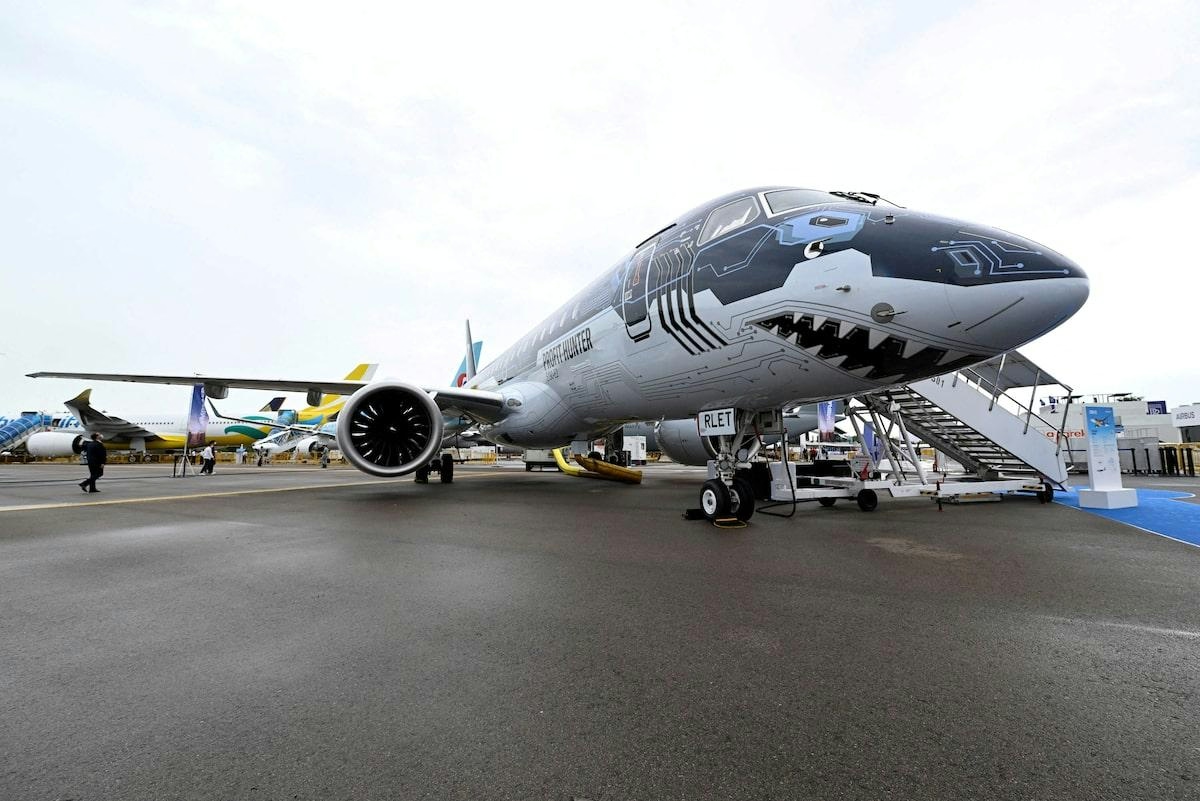
ANA Holdings Orders Eight More Embraer E190-E2 Jets
