
Trasforma le intuizioni dell’IA in azioni concrete

Tendenze
Categories
American Airlines Expands Widebody Fleet to Strengthen Long-Haul Operations
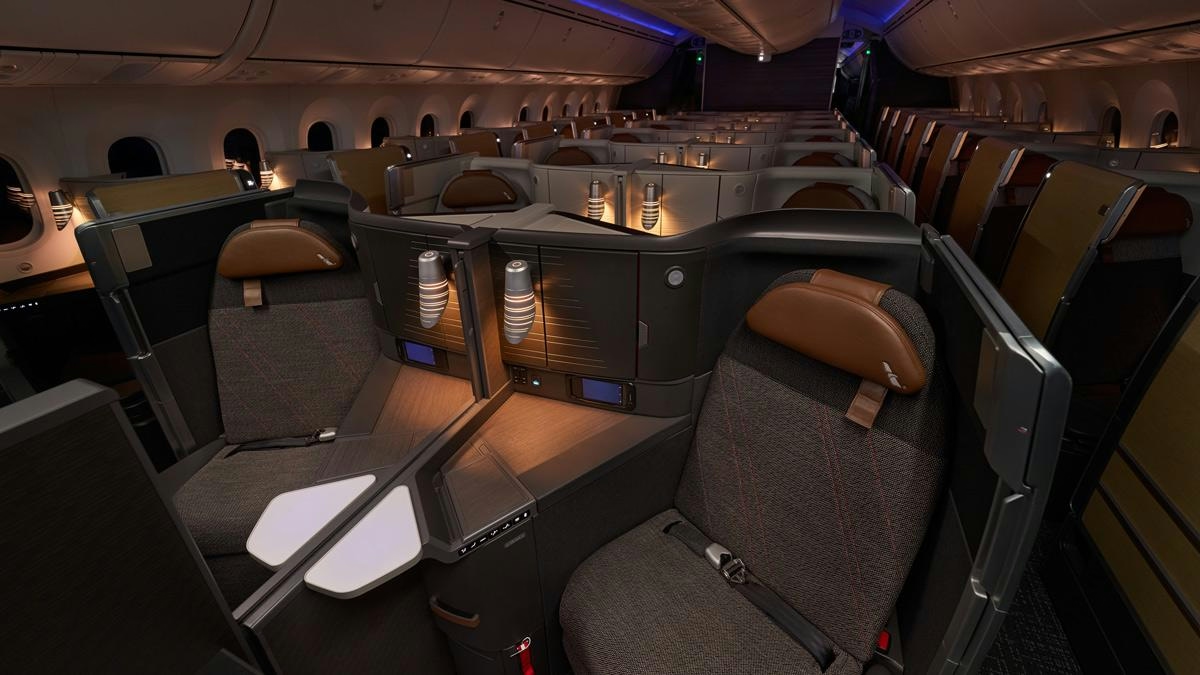
American Airlines Expands Widebody Fleet to Strengthen Long-Haul Operations
American Airlines is undertaking a significant expansion of its widebody fleet to bolster its long-haul operations and enhance the reliability of its global routes. In response to ongoing challenges such as terminal congestion, connection delays, and the operational risks posed by aging aircraft, the airline is implementing a comprehensive modernization strategy aimed at restoring stability and confidence for international travelers.
Strategic Fleet Renewal and Market Focus
CEO Robert Isom has announced an aggressive request for proposal (RFP) to both Airbus and Boeing, underscoring American Airlines’ commitment to increasing capacity and improving dependability across its long-haul network. This initiative seeks to replace older aircraft before they become a liability, thereby reducing the likelihood of mechanical delays and cancellations that have frequently disrupted travel during peak seasons. The airline’s focus on fleet renewal is designed to provide a more resilient and seamless experience for both business and leisure passengers.
The scale of this expansion is considerable. During the COVID-19 pandemic, American retired nearly 40 percent of its long-haul fleet, which led to greater reliance on partner airlines and seasonal routes. With a renewed emphasis on key international markets including the United Kingdom, Japan, and Australia, the airline is positioning itself to offer more direct and reliable service from its Dallas Fort Worth hub to major destinations such as London Heathrow, Tokyo Haneda, and Sydney. The increased widebody capacity is intended to alleviate operational pressures and improve passenger experience on these critical routes.
Competitive Positioning and Industry Implications
This strategic shift also represents a move away from the low-cost carrier model exemplified by airlines like Frontier and Spirit, as American Airlines seeks to reinforce its premium, globally competitive brand. By investing in new, highly reliable widebody aircraft, the carrier aims to meet growing passenger demand while providing a robust defense against the disruptions that have characterized recent years in international aviation.
Nevertheless, the expansion presents several challenges. Negotiating favorable terms with aircraft manufacturers and integrating new planes into the existing fleet will require meticulous planning and coordination. The move is also expected to intensify competition in the long-haul market, prompting rivals such as Delta and United to potentially accelerate their own fleet renewal programs or adjust their strategies to protect market share. On a global scale, other carriers including Ethiopian Airlines and Israir are similarly expanding their long-haul operations, heightening competitive pressures.
Market analysts predict that the increase in widebody capacity could lead to lower fares and encourage airlines to enhance their service offerings, ultimately benefiting travelers. For American Airlines, this fleet expansion signifies a strategic realignment and a confident investment in the future of international air travel, aiming to deliver greater reliability, comfort, and peace of mind for passengers navigating the world’s most vital air corridors.
Bluebox Enhances ROI for Connected Jets
Tracep L410 Missing Near Kitshanga/Walikale After Engine Failure on July 24, 2026
Airbus Projects Premium Travelers Will Shape US Domestic Aviation Through 2045

Week in brief: 10 key developments shaping Kazakhstan this week

SJC Unveils New Retail Concept Integrating Technology and Automation
JetBlue Becomes First U.S. Airline to Operate Transatlantic Flights Using Single-Aisle Jets
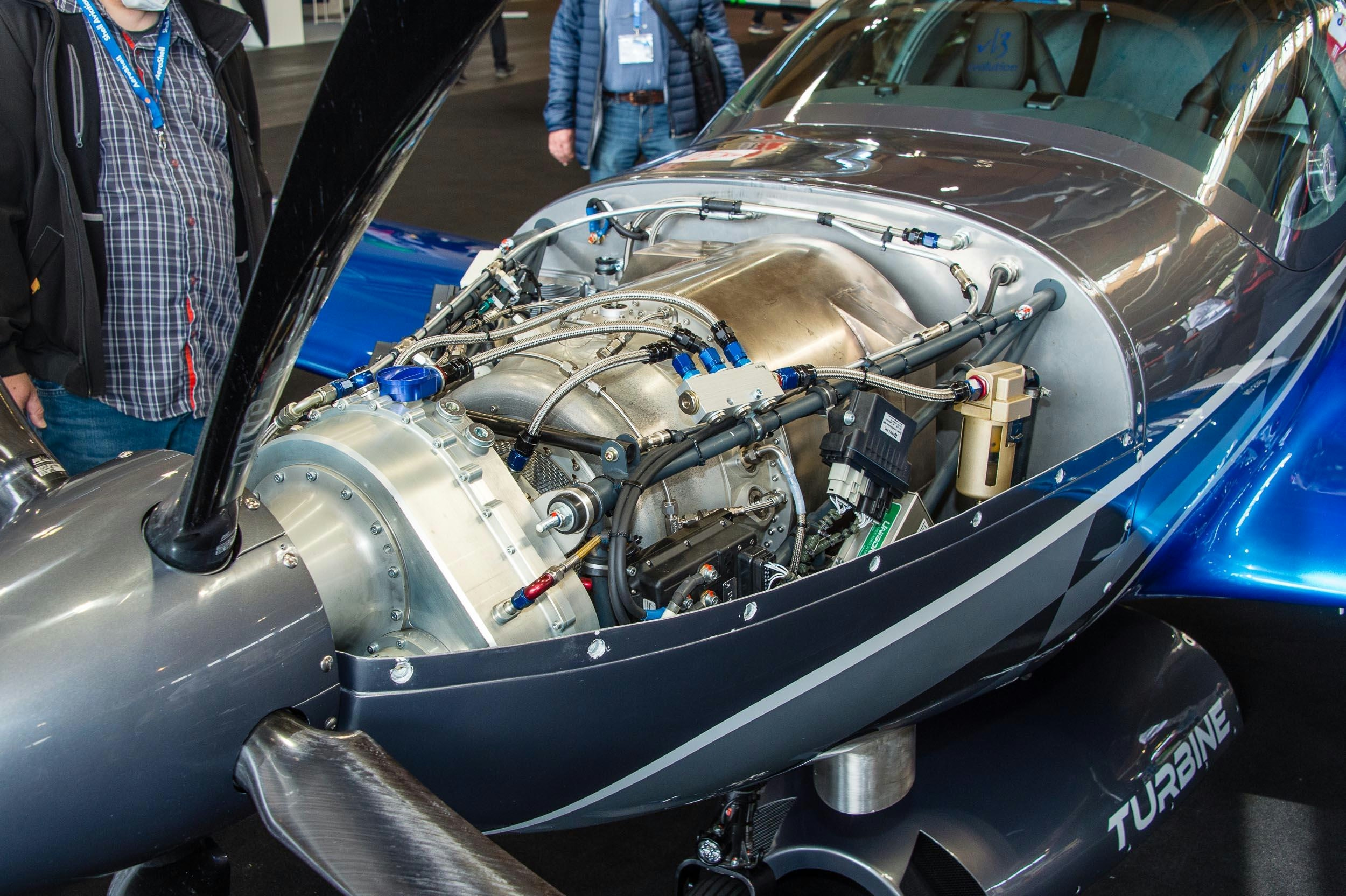
Turbotech turbine gains ground in light aircraft
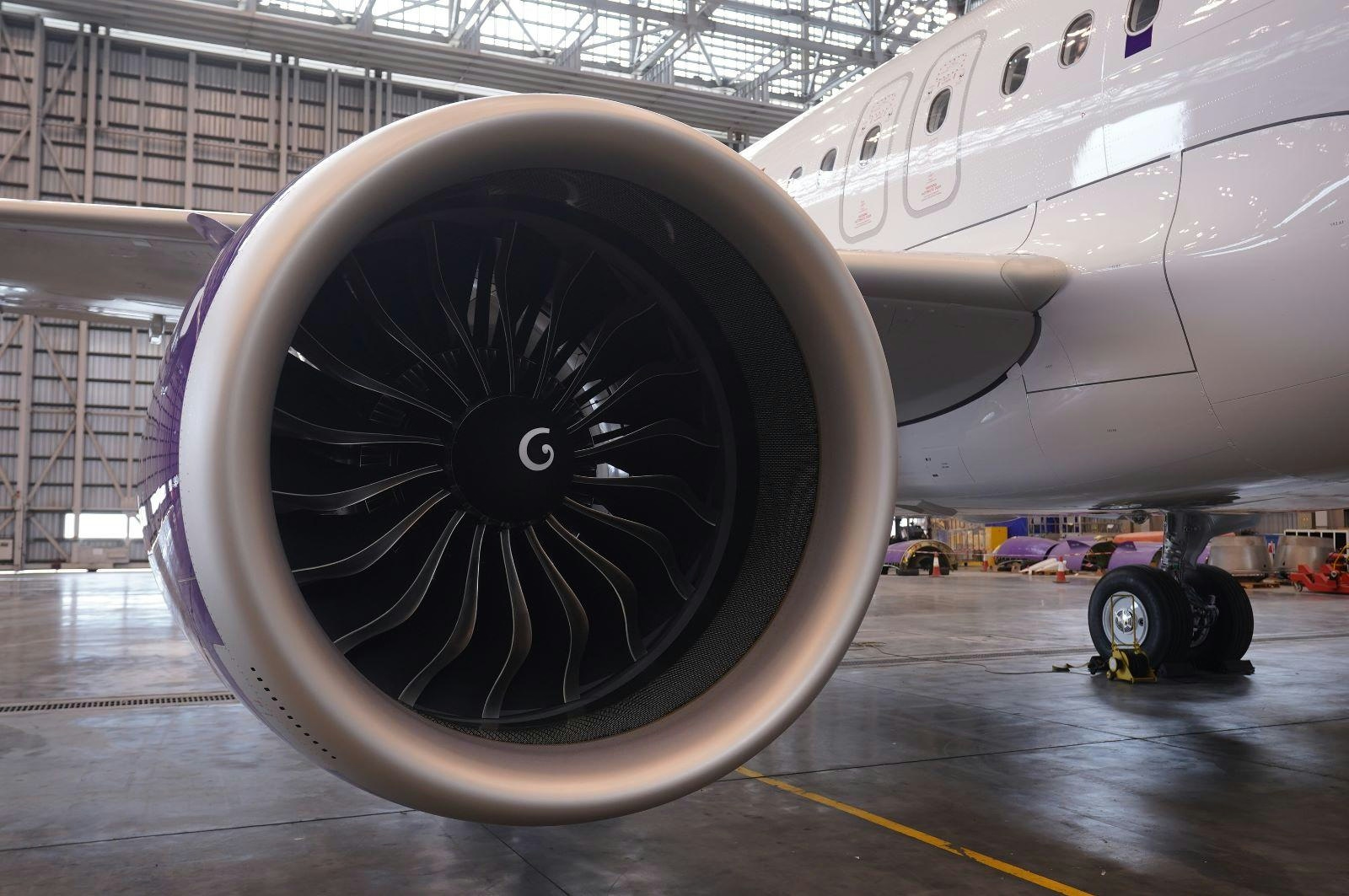
Jet2 Confirms Leap-1A Engines for Remaining A321neo Fleet

InsideFlyer - Today's briefing on miles, points, and premium travel

Kazakhstan targets first air taxi service in Central Asia
