
Trasforma le intuizioni dell’IA in azioni concrete

Tendenze
Categories
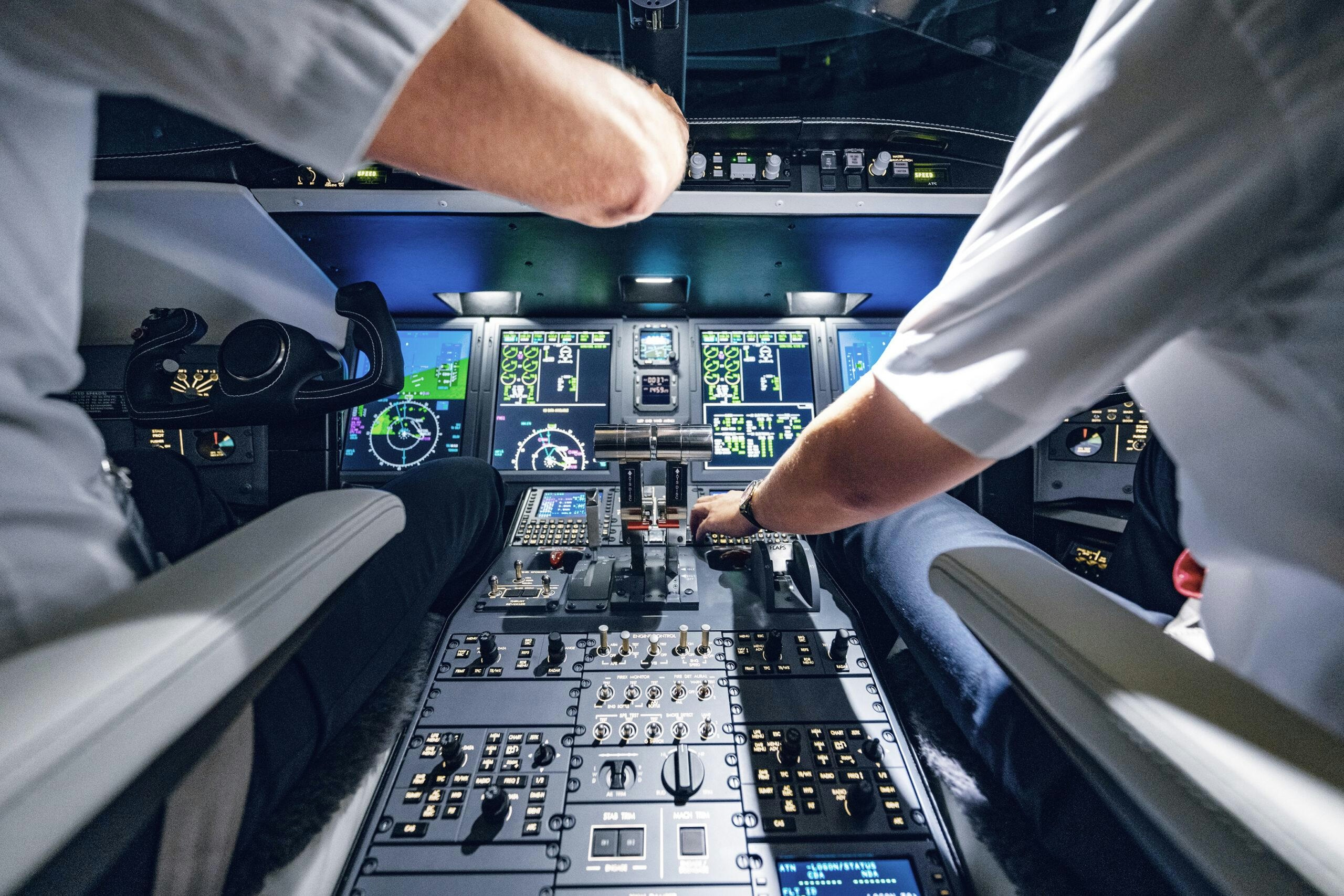
Artificial Intelligence Enters the Cockpit
Artificial Intelligence Enters the Cockpit
Advancements and Industry Developments
Initial assumptions suggested that artificial intelligence (AI) technology was still distant from practical application in general aviation (GA) cockpits. While AI tools such as ChatGPT are widely accessible, the aviation sector has been cautiously evaluating how close companies are to delivering AI-driven solutions directly to pilots. A detailed examination reveals that over a dozen companies are actively developing products that either utilize AI programming or gather data for AI-powered processing, aiming to integrate these innovations into cockpit software. Although some initiatives focus on transport category and military aircraft, notable progress is being made in general aviation, with certain AI solutions already entering the market.
Regulatory and Market Challenges
The journey toward widespread AI adoption in cockpits is complex and fraught with challenges. AI is rapidly becoming one of the most heavily regulated industries, and aviation’s stringent oversight adds another layer of scrutiny. Regulatory authorities are rigorously evaluating the safety and reliability of AI systems before granting certification for flight operations. Industry experts caution that underestimated costs, particularly related to AI token usage, could trigger a near-term market correction, potentially slowing the pace of innovation.
Market responses to AI’s integration into aviation are mixed. Some investors express optimism, anticipating improvements in efficiency and safety, while others remain cautious, weighing the potential risks alongside the benefits. This divergence has intensified focus on capital flows and policy developments as stakeholders attempt to navigate a swiftly evolving environment.
Safety, Workforce, and Operational Considerations
Competitors within the industry are adopting varied strategies, yet there is a growing consensus on the necessity of robust safety protocols. High-profile warnings from researchers have highlighted the risks of insufficiently managed AI systems, prompting calls for enhanced safeguards and regulatory oversight. Concurrently, the aviation sector continues to confront persistent workforce challenges, including labor shortages and cybersecurity vulnerabilities. These issues remain critical even as AI adoption accelerates in related fields such as government contracting and architecture and engineering firms.
The integration of AI into aviation underscores the intricate balance required between human expertise and digital innovation. As AI technology approaches operational readiness for cockpit use, the industry faces a pivotal moment. The potential for smarter, safer, and more efficient flight operations is tangible, yet achieving this future depends on carefully addressing regulatory, financial, and operational hurdles. The coming years will be decisive in determining whether AI becomes a trusted co-pilot or remains constrained by the challenges ahead.

Joby Aviation Extends Autonomous Flight Capabilities with Cross-Country Tour
Strengthening Europe's Aviation Supply Chain Amid Uncertainty
He 111Z Zwilling: Twin Fuselages, Five Engines, One Pilot
Monacair Plans Electric Air Taxi Service Between Monaco and Nice by 2029

Somalia’s Starsky Aviation Plans International Expansion
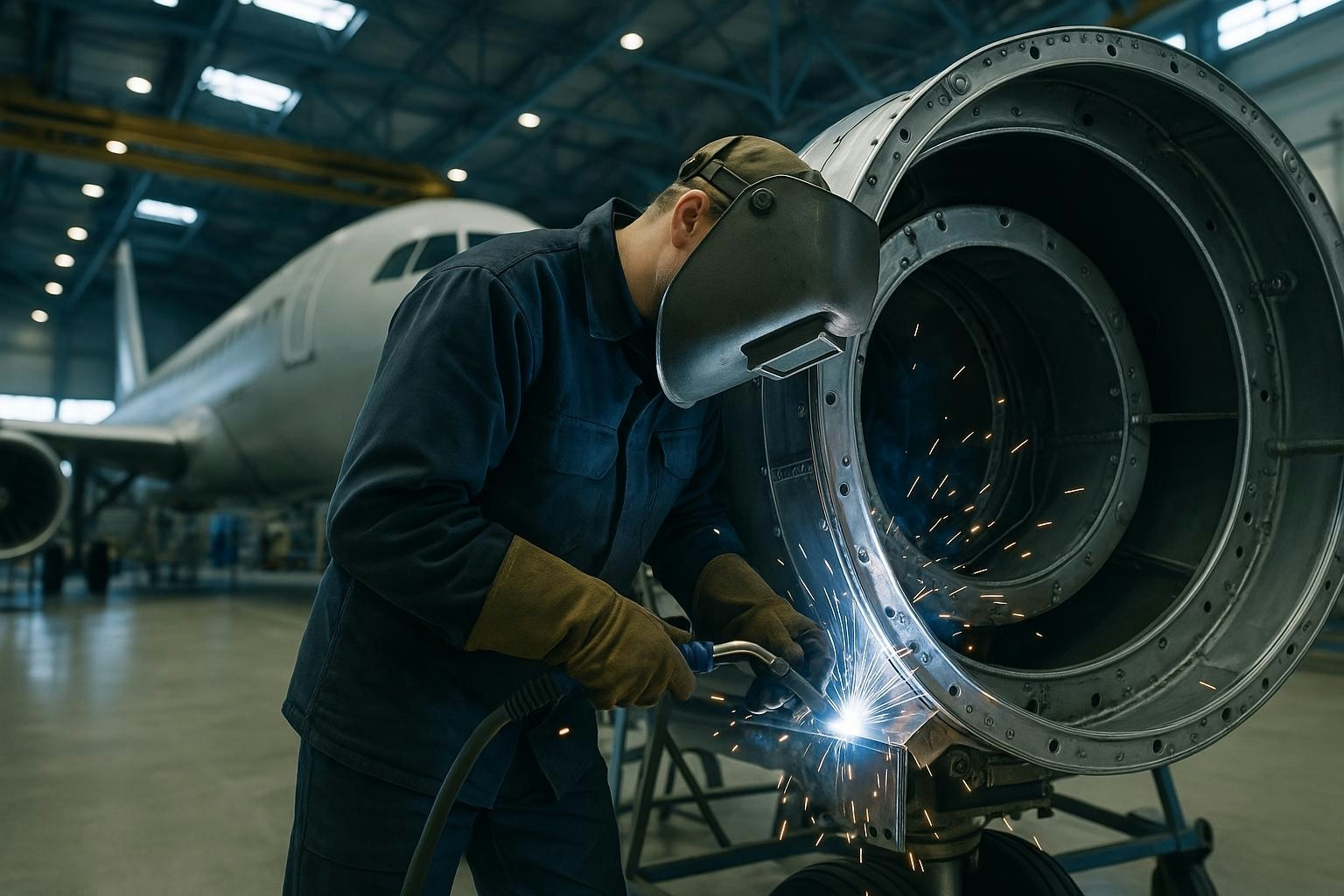
Precision and Care Essential in Aerospace Coating Applications

Drukair Chooses LEAP Engines for Five Airbus Aircraft
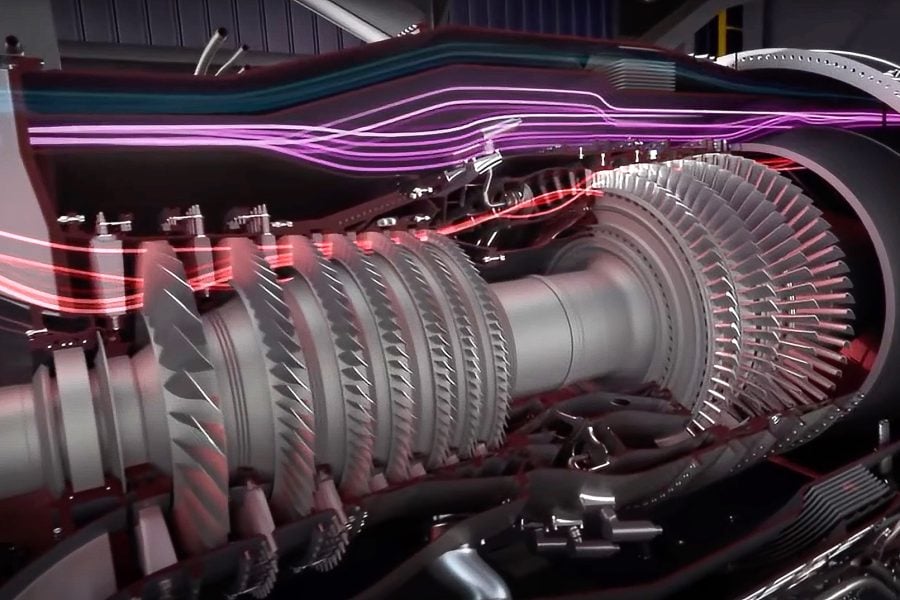
GE Aerospace Advances XA102 Adaptive Cycle Engine Toward Assembly for U.S. Air Force Combat Aircraft
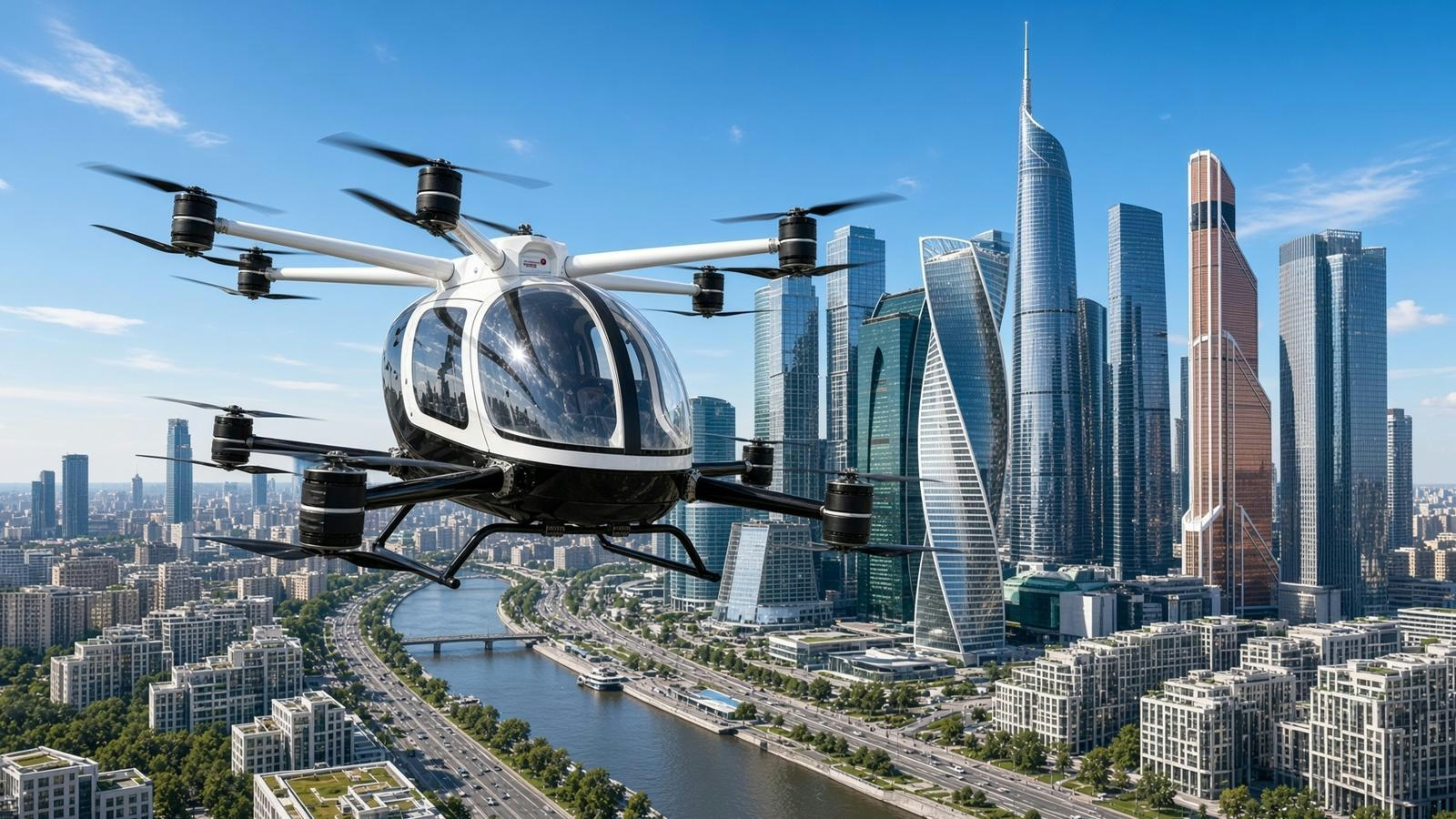
Russia Tests Air Taxis with Passenger Flights Possible in 2-3 Years
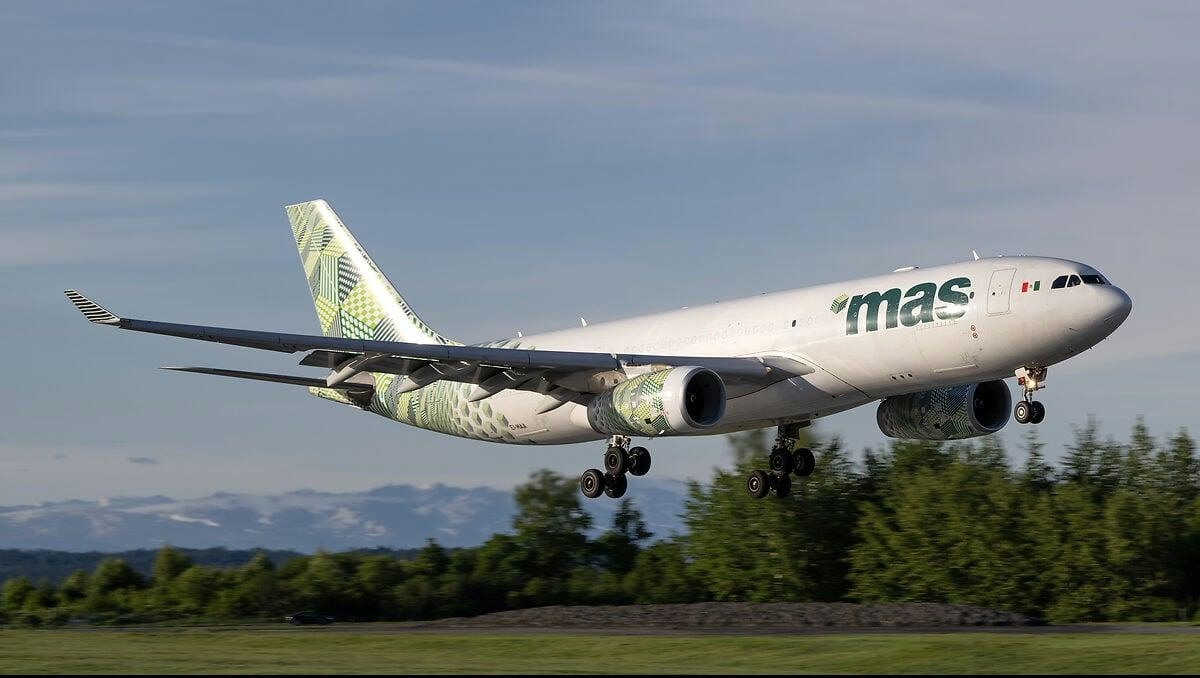
EPCOR and MAS Sign Five-Year A330 APU Support Agreement
