
Trasforma le intuizioni dell’IA in azioni concrete

Tendenze
Categories
Aviation Experts Analyze Causes of Fatal Takeoff Crash That Killed 12
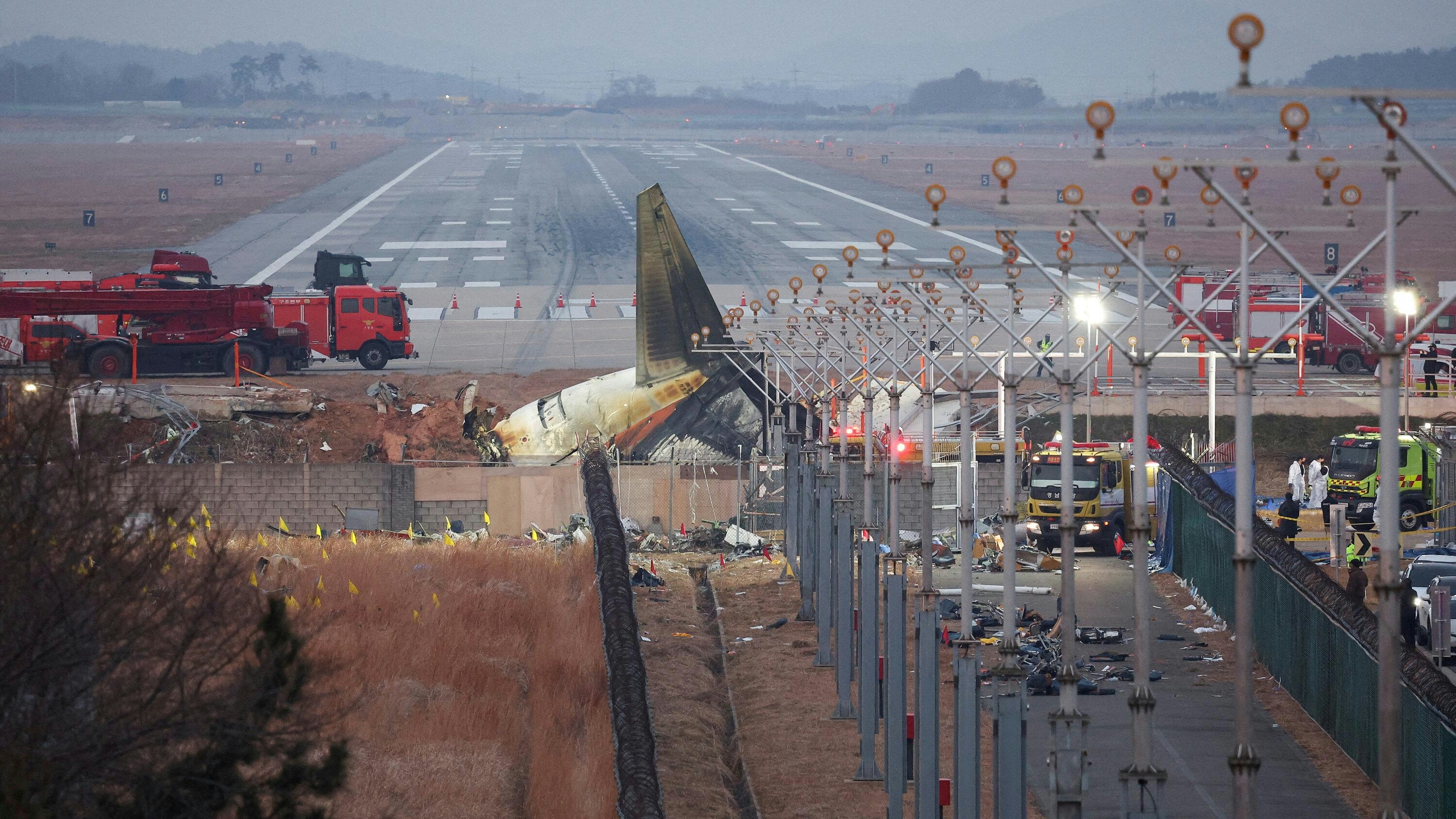
Aviation Experts Investigate Causes of Fatal UPS Cargo Plane Crash
A thorough investigation is underway following a tragic UPS cargo plane crash in Louisville, Kentucky, which resulted in the deaths of at least 12 individuals and left several others injured. The aircraft suffered a catastrophic failure during takeoff when one of its engines detached, causing the plane to crash in flames just beyond the runway. The National Transportation Safety Board (NTSB) has initiated a comprehensive inquiry, examining the aircraft’s maintenance records, flight data recorders, and the complete history of its engines and other critical components to determine the factors that led to the disaster.
Historical Context and Investigation Focus
This incident has drawn parallels to a similar tragedy in 1979 at Chicago’s O’Hare International Airport, where a General Electric engine separated from a DC-10 during takeoff, resulting in a fatal crash. In both cases, the detachment of an engine during the crucial takeoff phase proved deadly, raising pressing concerns about aircraft maintenance procedures and the structural integrity of key components.
NTSB officials have confirmed the recovery of the aircraft’s black boxes, which are expected to yield vital information as the investigation progresses. An NTSB spokesperson stated, “We are analyzing all available data, including maintenance logs and flight recorder information, to determine the sequence of events that led to this tragedy.” The agency is collaborating closely with the aircraft manufacturer and engine supplier to identify any potential systemic issues that may have contributed to the failure.
Safety Implications and Industry Response
Aviation safety experts emphasize that engine separations during takeoff are exceedingly rare but almost invariably catastrophic. One industry analyst noted, “The loss of an engine at such a critical moment can severely compromise an aircraft’s ability to remain airborne. It is essential to understand whether this was a result of mechanical failure, maintenance oversight, or another factor.”
The crash has intensified scrutiny of maintenance standards within the cargo aviation sector, particularly as the industry contends with growing demand and operational pressures. Investigators are expected to assess not only the immediate maintenance history of the aircraft involved but also broader industry practices to ensure that such incidents remain extraordinarily uncommon.
As the investigation continues, the families of the victims and the wider aviation community await definitive answers. The findings of the NTSB are anticipated to influence future safety recommendations and may prompt revisions to inspection protocols for similar aircraft and engine models.

Etihad Airways Suspends Airbus A380 Flights on Key Route

Aditya Birla Group Seeks Approval for Aircraft Leasing in GIFT City

Qatar Airways Highlights Innovation and Connectivity at Arabian Travel Market 2026

Hong Kong's Five-Year Plan Includes Andrew Fan's Aircraft Parts Processing Hub Proposal

ACIA Aero Leasing Delivers ATR72-600 to Air Nostrum

RTX Appoints Jill Albertelli as Head of Pratt & Whitney

TAT Technologies Joins Beyond Aero Hydrogen Aircraft Program

AURAK Study Highlights Barriers to Air Taxi Adoption in Emerging Economies

Xiamen Air Selects Altitude for 787 Maintenance at Heathrow

Etihad and Swissport Extend Global Partnership
