
Trasforma le intuizioni dell’IA in azioni concrete

Tendenze
Categories
Boeing 737 MAX Software Issues Prompt Changes in Global Aviation Safety
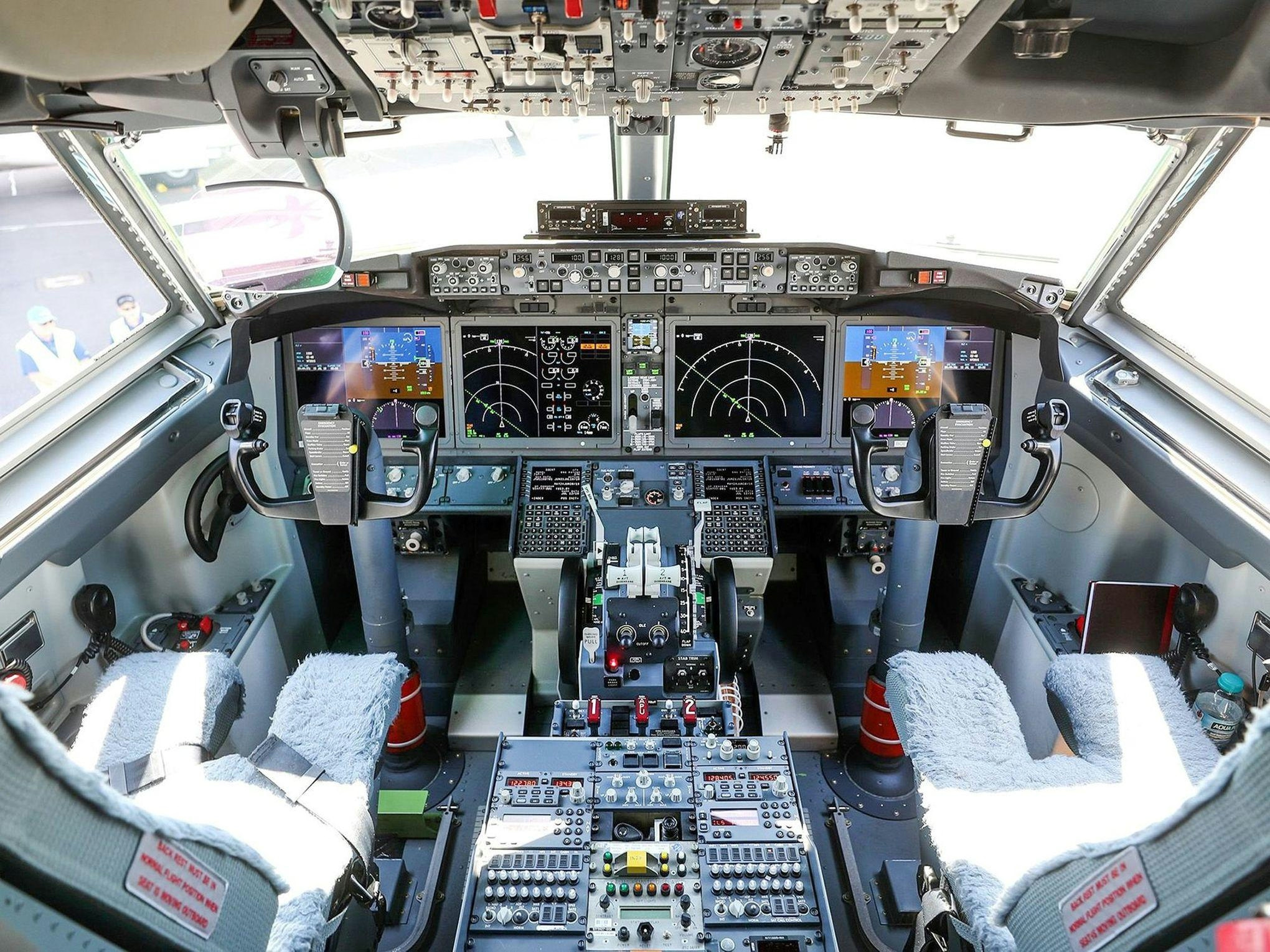
Boeing 737 MAX Software Issues Prompt Changes in Global Aviation Safety
The Boeing 737 MAX crisis has fundamentally altered global aviation safety standards by revealing significant deficiencies in software transparency and regulatory oversight. Central to the controversy was the Maneuvering Characteristics Augmentation System (MCAS), a software feature that Boeing failed to fully disclose to pilots, airlines, and regulatory authorities. This lack of transparency came to light following two catastrophic crashes—Lion Air Flight 610 in Indonesia and Ethiopian Airlines Flight 302—that resulted in the deaths of 346 people and led to the unprecedented global grounding of the 737 MAX fleet for nearly 20 months.
Concealed Software and Catastrophic Consequences
MCAS was engineered to automatically lower the aircraft’s nose to prevent aerodynamic stalls. However, Boeing’s failure to inform flight crews about the system left pilots unprepared to recognize or counteract its malfunction. In both fatal incidents, erroneous activation of MCAS repeatedly forced the aircraft into unrecoverable dives. These tragedies exposed not only critical design flaws but also systemic failures in Boeing’s communication and the regulatory approval process.
Regulatory Scrutiny and Industry-Wide Reform
The aftermath of the 737 MAX disasters prompted comprehensive reforms throughout the aviation industry. The Federal Aviation Administration (FAA) and other global regulators revised certification protocols, imposing stricter software testing requirements, enhanced pilot training standards, and demanding greater transparency from manufacturers. Airlines worldwide instituted extensive retraining programs before reintroducing the 737 MAX into service.
Boeing itself faced intense regulatory scrutiny, criminal investigations, and substantial financial penalties. The company continues to grapple with ongoing lawsuits, including investor class actions linked to the safety crisis. Additionally, LOT Polish Airlines publicly accused Boeing of concealing safety issues to secure sales, further intensifying regulatory and market pressures.
Market Impact and Competitive Landscape
The crisis has significantly affected Boeing’s market position. The company’s stock price has experienced volatility amid safety concerns, legal challenges, and delays in implementing FAA-mandated software updates. Despite temporary delivery suspensions, Boeing continues to supply aircraft and anticipates new 737 MAX certifications later this year. Meanwhile, competitor Airbus has maintained its market share as Boeing works to rebuild confidence and comply with regulatory demands.
Long-Term Implications for Aviation Safety
The 737 MAX crisis underscored the critical importance of full information sharing among manufacturers, regulators, and operators. While devastating, the incident has established new standards for transparency and accountability within the aviation sector. The aircraft’s return to service in late 2020 followed an exhaustive recertification process, marking one of the most scrutinized comebacks in aviation history.

Etihad Airways Suspends Airbus A380 Flights on Key Route

Aditya Birla Group Seeks Approval for Aircraft Leasing in GIFT City

Qatar Airways Highlights Innovation and Connectivity at Arabian Travel Market 2026

Hong Kong's Five-Year Plan Includes Andrew Fan's Aircraft Parts Processing Hub Proposal

ACIA Aero Leasing Delivers ATR72-600 to Air Nostrum

RTX Appoints Jill Albertelli as Head of Pratt & Whitney

TAT Technologies Joins Beyond Aero Hydrogen Aircraft Program

AURAK Study Highlights Barriers to Air Taxi Adoption in Emerging Economies

Xiamen Air Selects Altitude for 787 Maintenance at Heathrow

Etihad and Swissport Extend Global Partnership
