
Trasforma le intuizioni dell’IA in azioni concrete

Tendenze
Categories
Boeing 777-200s with Pratt & Whitney Engines May Return to Service Early Next Year
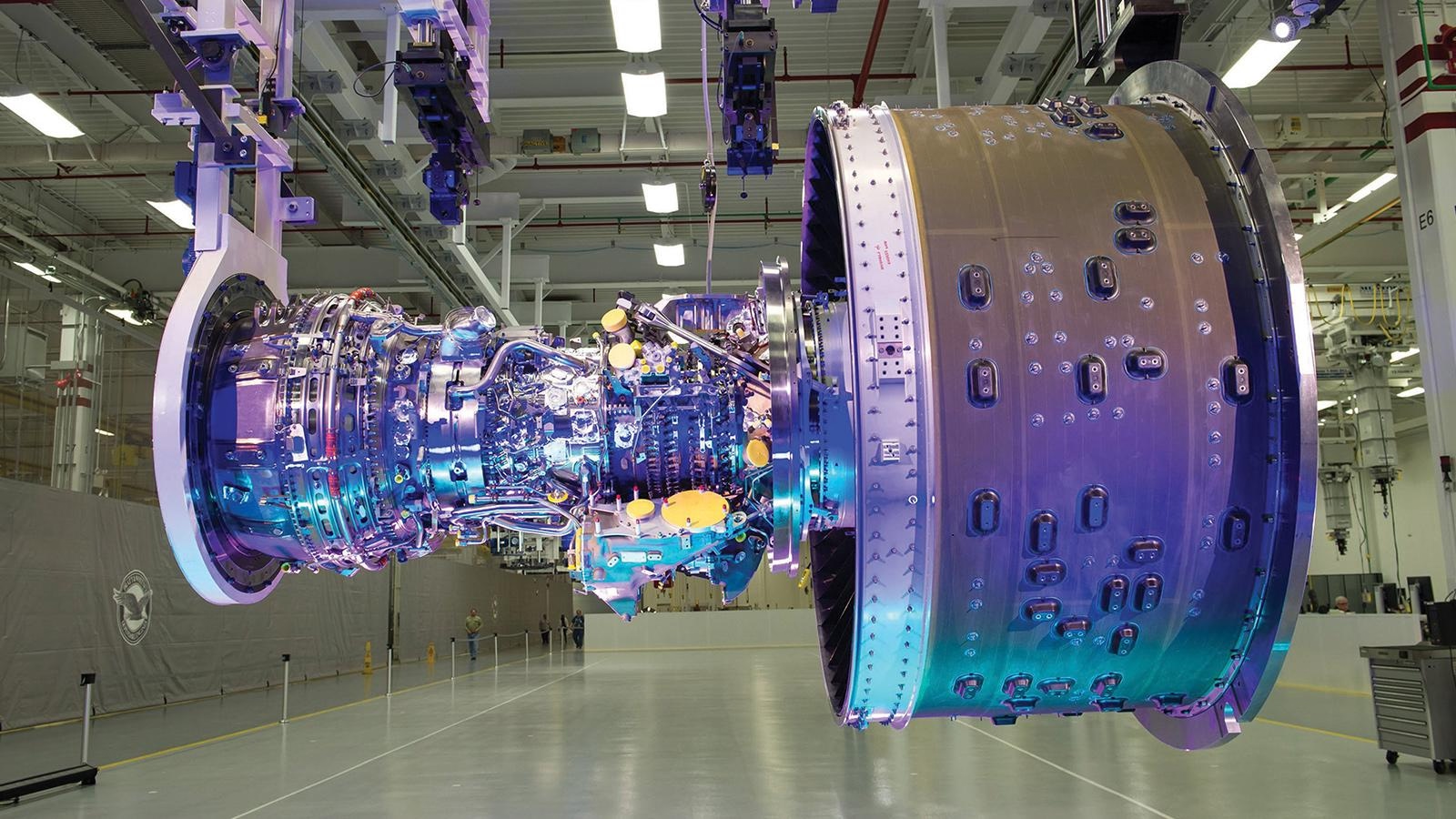
Boeing 777-200s with Pratt & Whitney Engines Poised for Return Early Next Year
The Federal Aviation Administration (FAA) has proposed a series of airworthiness directives that could enable Boeing 777-200 aircraft powered by Pratt & Whitney (PW) engines to resume operations as early as next year. This development is contingent upon the successful completion of mandated inspections and necessary modifications aimed at ensuring continued safety.
Background and Regulatory Response
The proposed directives follow the February 2021 incident involving United Airlines Flight 328, a Boeing 777-222 flying from Denver to Honolulu. Shortly after takeoff, the aircraft experienced a catastrophic failure of its number two engine, which resulted in debris falling over Broomfield, Colorado. Fortunately, no injuries were reported, and the aircraft was able to land safely. Investigations by the National Transportation Safety Board (NTSB) revealed that the failure was caused by a fan blade detaching due to material fatigue. This event led to the engine cowling breaking away and igniting a fire at the rear of the engine.
In response, United Airlines and other operators worldwide grounded a total of 124 affected aircraft. The FAA promptly mandated immediate inspections of all Boeing 777s equipped with PW4000 engines. The newly proposed directives call for reinforced engine cowlings, enhanced blade inspections utilizing thermo-acoustic imaging technology, and thorough checks of specific systems and components. Remediation efforts will be guided by inspection outcomes to uphold stringent safety standards.
Industry Reactions and Future Outlook
United Airlines, the sole U.S. carrier operating 52 Boeing 777s with Pratt & Whitney engines, has expressed support for the FAA’s proposals. The airline noted that the majority of its affected engines have already undergone the required inspections and anticipates that these aircraft could return to service early next year. Boeing has also voiced optimism, having previously recommended a temporary suspension of operations for the model until safety measures were fully addressed.
Pratt & Whitney has emphasized that advanced blade inspections are currently underway, employing new visualization technologies designed to detect potential issues before they escalate into critical failures.
Despite this progress, challenges remain in ensuring full regulatory compliance and addressing any residual safety concerns. The market has responded with cautious optimism. Airlines such as Emirates have expressed hope regarding Boeing’s advancements and the broader implications for fleet reliability. Meanwhile, competitors continue to monitor the situation closely, seeking to maintain market share by promoting alternative engine options and underscoring their own safety records.
As Pratt & Whitney advances propulsion technology, the aviation industry remains focused on restoring confidence in the Boeing 777-200 fleet while adhering to rigorous safety requirements. The coming months will be pivotal as airlines, manufacturers, and regulators collaborate to facilitate a safe and timely return to service.

Eight Aboard Twin-Engine Cessna Crash in Remote Alaska
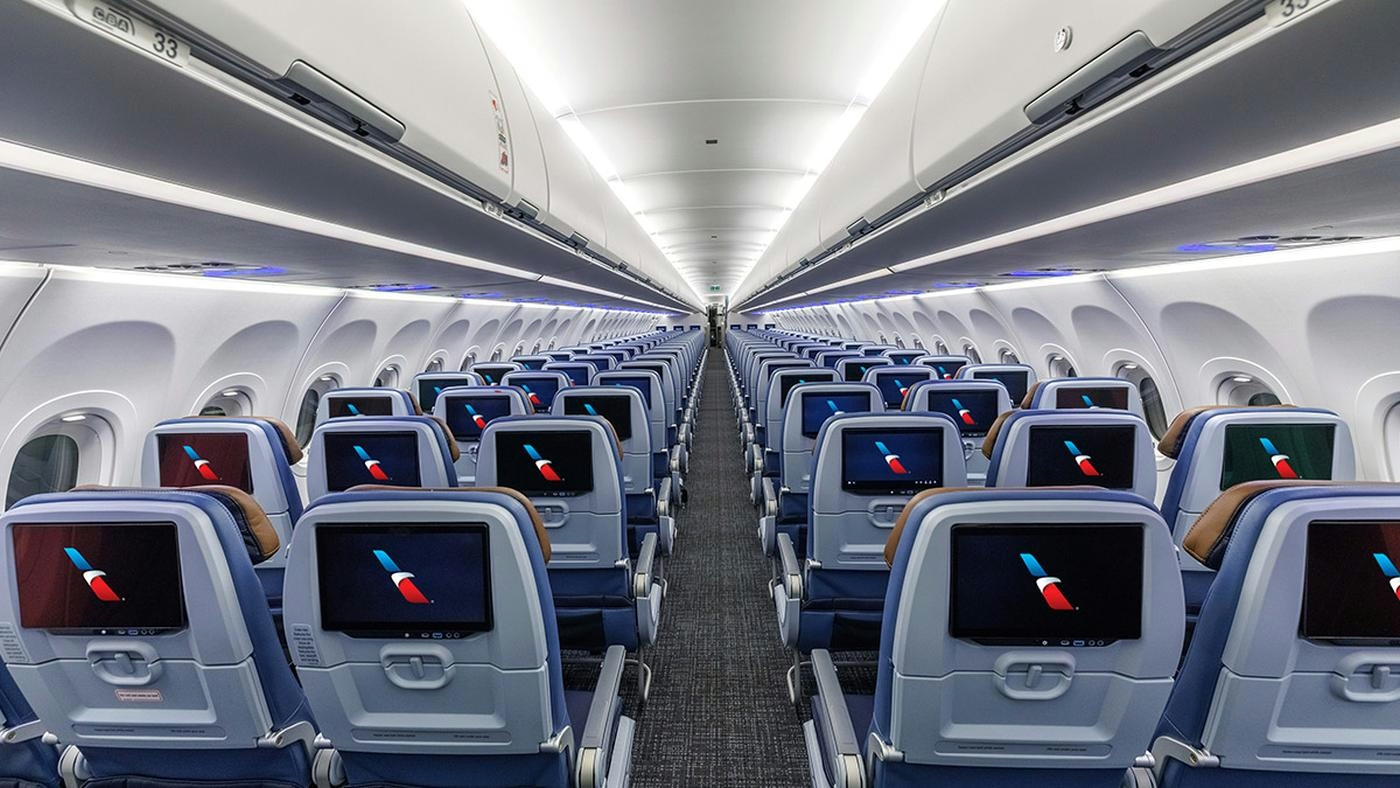
American Airlines Plans to Receive New Aircraft Deliveries in 2026
Delta Flight Returns to Atlanta Airport Due to Engine Trouble

Samoa Airways Recovers Damaged DHC-6-300 Aircraft
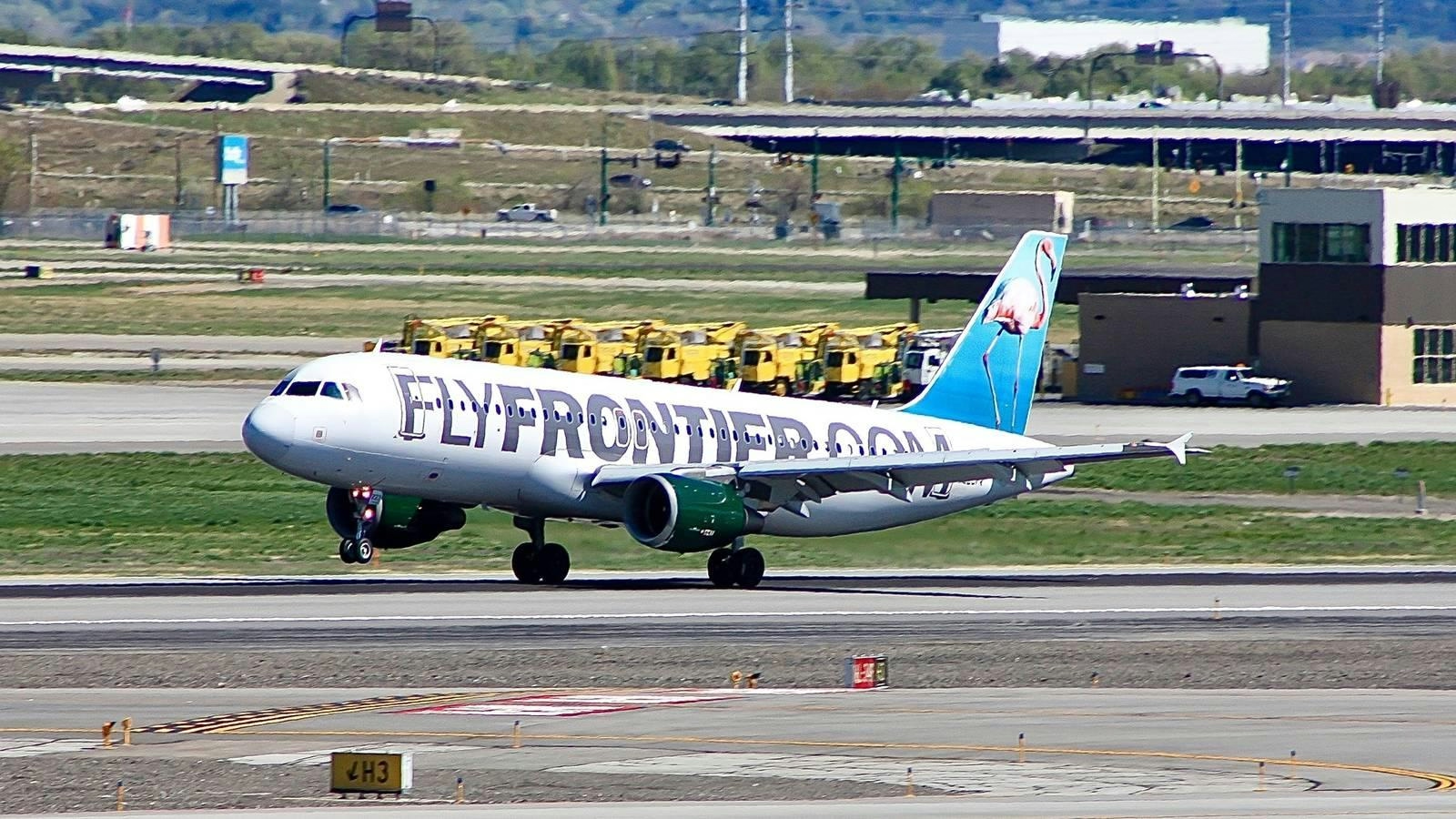
Man Ingested by Frontier Airlines Engine Marks Denver’s Sixth Airfield Security Breach in Three Years

The Advantages and Disadvantages of Owning Versus Leasing a Private Jet
Former Spirit Employees Express Concerns Over AI Partnership With Google
China Certifies Pilotless Air Taxi for Export; Sri Lanka First Buyer

US Pilot Hourly Pay Ranges from $90 for Regional to $465 for Widebody Flights

NASA Chooses University Teams to Support Aviation Research
