
Trasforma le intuizioni dell’IA in azioni concrete

Tendenze
Categories
Boeing Plane Returns to China for Delivery as Tariff Tensions Ease
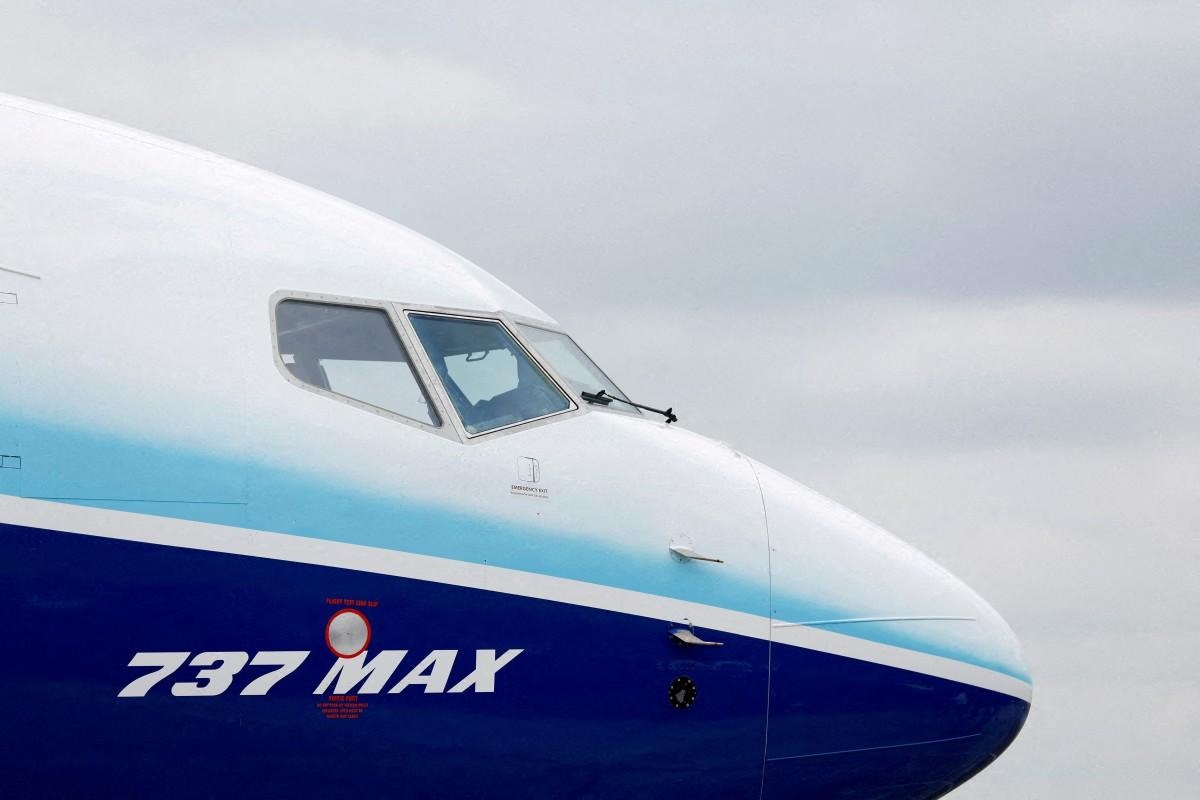
Boeing Resumes Deliveries to China Amid Easing Trade Tensions
Boeing has recommenced aircraft deliveries to China, marking a significant development in the aerospace sector and suggesting a potential easing of longstanding trade frictions between the United States and China. This move comes as Boeing endeavors to reestablish its presence in a market that has grown increasingly competitive and cautious following years of tariff-related disruptions.
Earlier this year, Boeing delivered two aircraft to Chinese airlines in April, representing a notable advancement after a prolonged period of slowed U.S.-China aerospace trade. The resumption of deliveries follows a phase during which tariffs and regulatory obstacles had sharply curtailed Boeing’s access to the Chinese market, historically one of its largest and most profitable.
Challenges and Market Dynamics
Despite these positive signs, industry analysts caution that the environment remains uncertain. Although some trade barriers have been relaxed, residual tensions continue to influence the strategic decisions of Chinese carriers. There is mounting evidence that Chinese airlines are diversifying their fleets, with a discernible shift in preference toward European competitor Airbus. Recent developments indicate that Chinese carriers are contemplating substantial new orders from Airbus, reflecting a broader strategic recalibration in response to recent trade disputes.
Market observers emphasize that while Boeing’s renewed deliveries are encouraging, the company faces significant challenges in reclaiming its previous market dominance. The potential for renewed geopolitical tensions, coupled with evolving preferences among Chinese airlines, means Boeing’s path forward is fraught with complexity.
Broader Implications for U.S.-China Relations
The implications of these developments extend beyond the aerospace industry. As global supply chains adapt to changing trade policies, companies across various sectors are reassessing their strategies for international expansion and collaboration. The aerospace market, in particular, serves as a key indicator of the overall health of U.S.-China economic relations.
For Boeing, the return to China represents both an opportunity and a formidable test. The company must navigate the intricacies of international trade while contending with competitive pressures from Airbus and other global players. The decisions made by Chinese airlines in the coming months are likely to influence the balance of power within the global aviation industry for years ahead.
While the easing of tariff tensions offers a cautious optimism for renewed cooperation, the measured approach of Chinese carriers underscores the lasting impact of recent trade disputes. Boeing’s capacity to adapt to these evolving conditions will be crucial as it seeks to rebuild trust and regain market share in one of the world’s most vital aviation markets.

Etihad Airways Suspends Airbus A380 Flights on Key Route

Aditya Birla Group Seeks Approval for Aircraft Leasing in GIFT City

Qatar Airways Highlights Innovation and Connectivity at Arabian Travel Market 2026

Hong Kong's Five-Year Plan Includes Andrew Fan's Aircraft Parts Processing Hub Proposal

ACIA Aero Leasing Delivers ATR72-600 to Air Nostrum

RTX Appoints Jill Albertelli as Head of Pratt & Whitney

TAT Technologies Joins Beyond Aero Hydrogen Aircraft Program

AURAK Study Highlights Barriers to Air Taxi Adoption in Emerging Economies

Xiamen Air Selects Altitude for 787 Maintenance at Heathrow

Etihad and Swissport Extend Global Partnership
