
Trasforma le intuizioni dell’IA in azioni concrete

Tendenze
Categories
British Airways Flight 9: The 747 That Lost All Four Engines
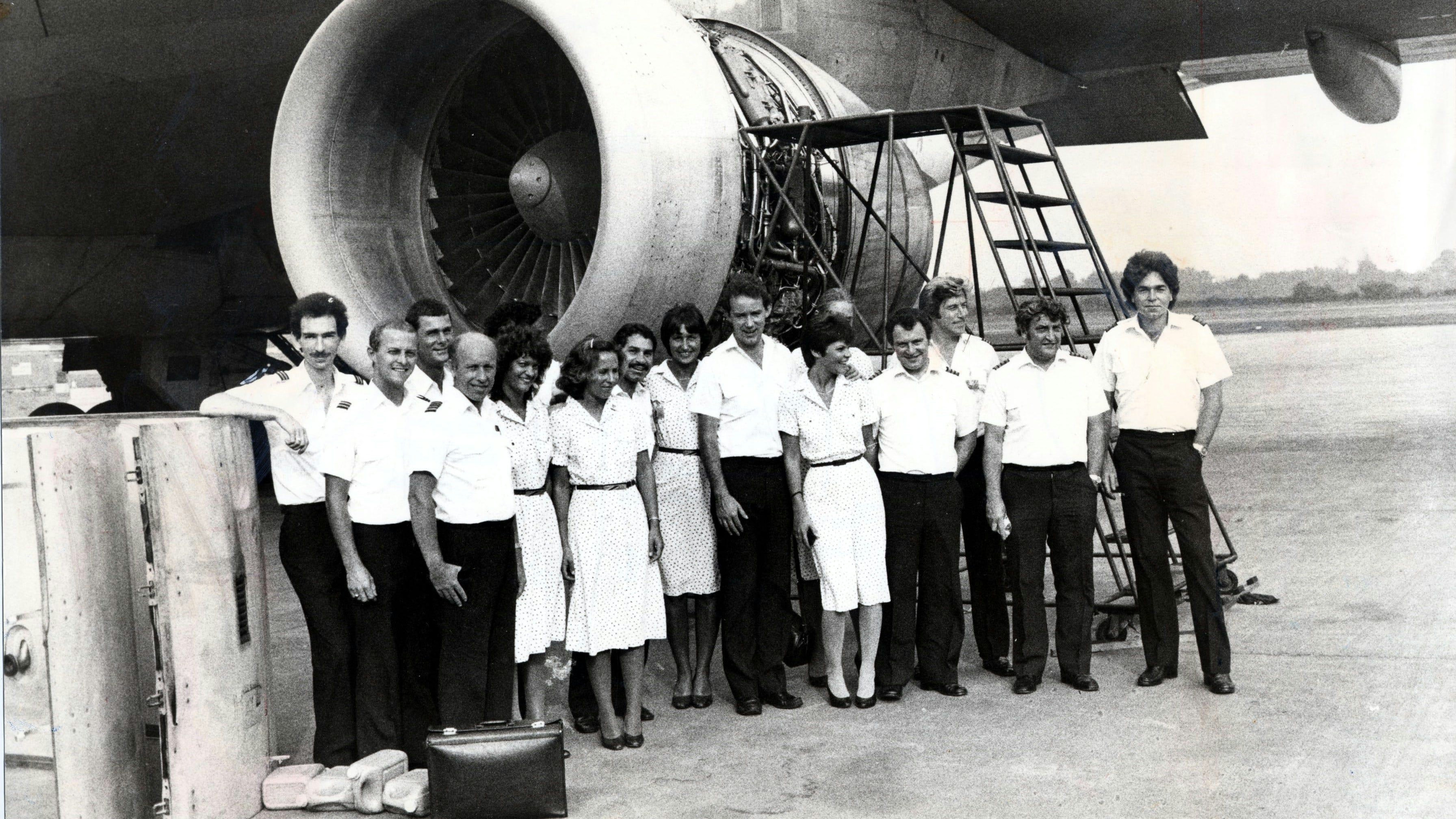
British Airways Flight 9: The 747 That Lost All Four Engines
On the night of 24 June 1982, British Airways Flight 9 was cruising steadily over the Indian Ocean when passengers observed an unusual glow along the wings accompanied by a sulphurous haze seeping into the cabin. In the cockpit, the crew witnessed St Elmo’s fire flickering across the windows. Within moments, the unthinkable occurred: all four engines of the Boeing 747-236B, carrying 263 people, failed in rapid succession.
Encounter with the Invisible Hazard
Flight 9 was en route from Kuala Lumpur to Perth, maintaining an altitude of 37,000 feet. Unbeknownst to the crew, Mount Galunggung in Indonesia had erupted, releasing a vast, invisible cloud of volcanic ash into their flight path. Unlike conventional storm clouds, volcanic ash is dry and abrasive, and it does not register on weather radar. The aircraft flew directly into this hazardous plume, which sandblasted the fuselage and infiltrated the engines, causing them to fail one after another.
Despite the gravity of the situation, Captain Eric Moody addressed the passengers with remarkable calmness: “Ladies and gentlemen, this is your Captain speaking. We have a small problem. All four engines have stopped. We are doing our damnedest to get it under control. I trust you are not in too much distress.”
Sixteen Minutes Without Power
With all engines offline, the 747 transformed into the largest glider in the world, descending silently through the night sky. The flight crew calculated that the aircraft could glide approximately 15 kilometers for every kilometer of altitude lost, providing critical time to attempt engine restarts before a potential emergency water landing.
Captain Moody later recounted, “We glided from 37,000 feet to 12,000 feet before we got them going again.” The engines had failed because volcanic ash had melted inside them, forming glass-like deposits that blocked airflow. As the powerless engines cooled during the descent, the glass cracked and flaked away. Once the aircraft descended below the ash cloud, the crew successfully restarted the engines and proceeded to land safely in Jakarta.
Impact on Aviation Safety and Industry Practices
The Flight 9 incident highlighted the severe dangers posed by volcanic ash to aviation, exposing vulnerabilities not only in aircraft operation but also in broader aspects of aviation safety and fuel supply chains. Around the same time, the closure of the Strait of Hormuz had revealed risks in global jet fuel logistics, intensifying concerns about the reliability of fuel delivery systems. Alongside other incidents, including a Ryanair engine failure and a Boeing 737 crash in the Arabian Sea, Flight 9 prompted increased scrutiny of safety protocols and supply chain resilience within the industry.
In response, airlines and their competitors adopted more rigorous safety measures and contingency planning to mitigate similar risks in the future. The legacy of Flight 9 extends beyond its miraculous outcome, influencing industry standards and underscoring the critical importance of preparedness in global aviation.
All 263 people aboard survived, a testament to extraordinary airmanship and the enduring lessons derived from this harrowing event.

Hong Kong's Five-Year Plan Includes Andrew Fan's Aircraft Parts Processing Hub Proposal

ACIA Aero Leasing Delivers ATR72-600 to Air Nostrum

RTX Appoints Jill Albertelli as Head of Pratt & Whitney

TAT Technologies Joins Beyond Aero Hydrogen Aircraft Program

AURAK Study Highlights Barriers to Air Taxi Adoption in Emerging Economies

Xiamen Air Selects Altitude for 787 Maintenance at Heathrow

Etihad and Swissport Extend Global Partnership
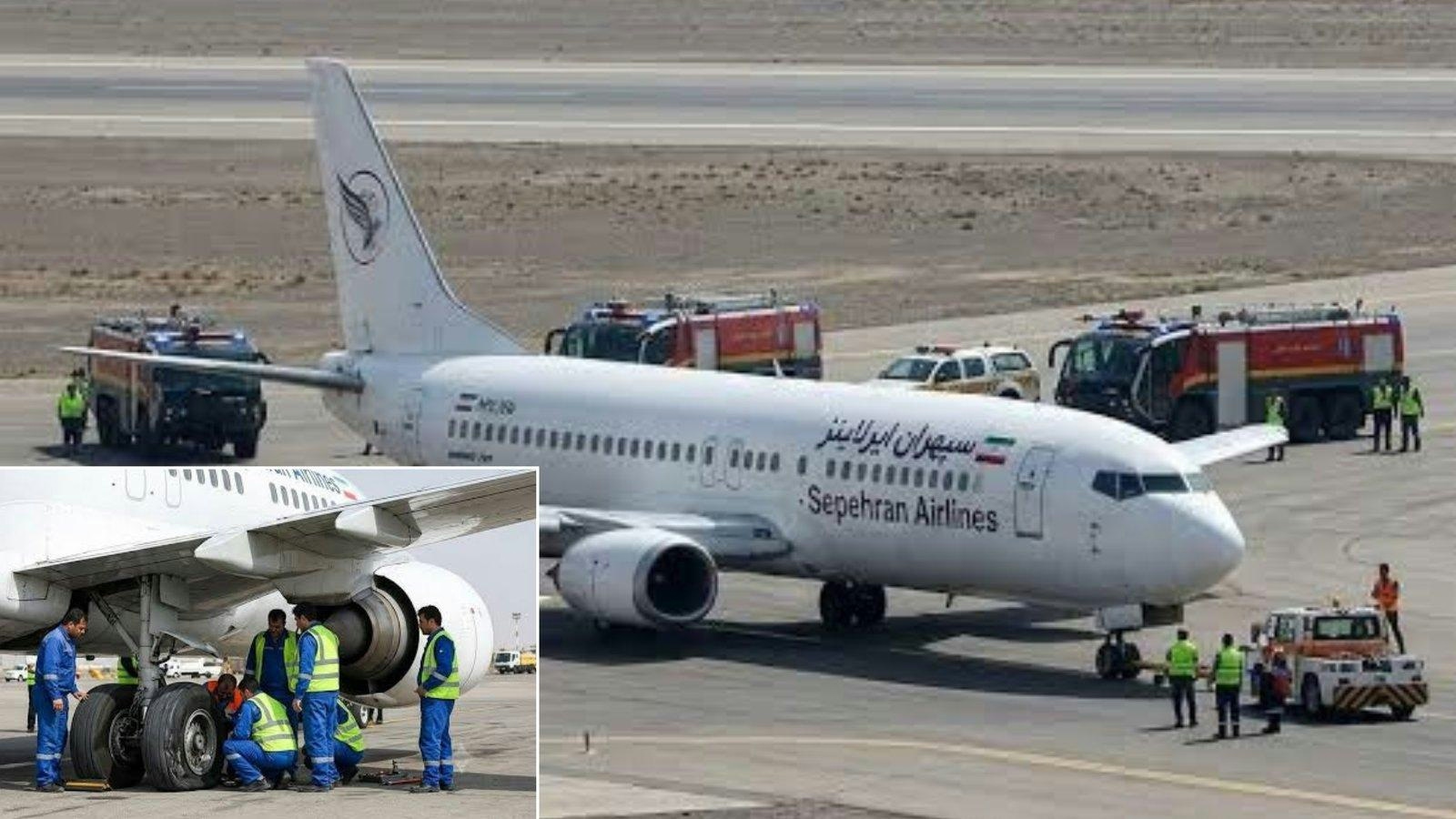
Sepehran Airlines B737 Returns to Mashhad After Tyre and Engine Issues

Etihad Deploys Widebody Fleet to Meet Strong Demand

Korean Air Finalizes $36.2 Billion Deal with Boeing
