
Trasforma le intuizioni dell’IA in azioni concrete

Tendenze
Categories
CAAC Advances Integration of AI in Civil Aviation
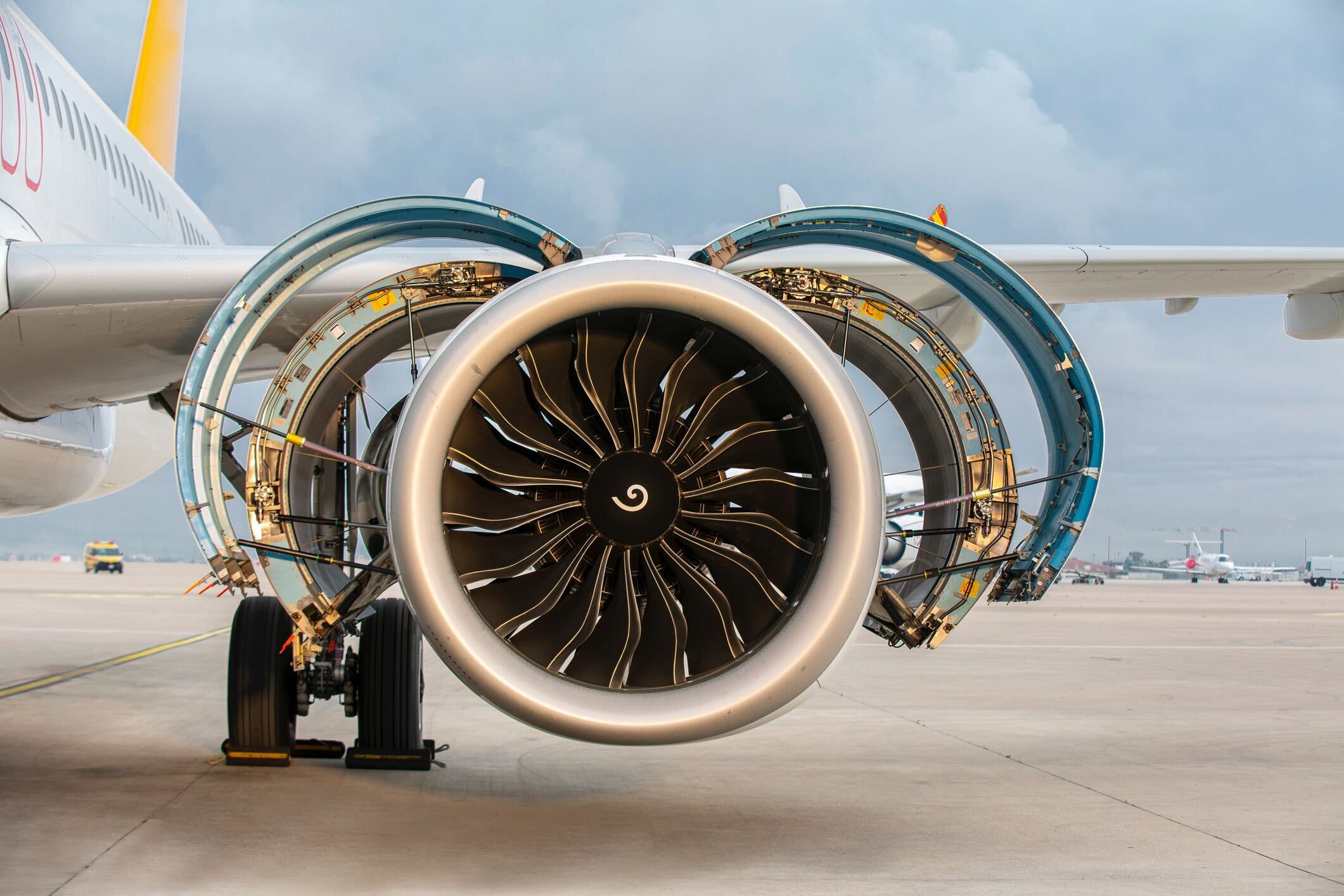
CAAC Advances Integration of AI in Civil Aviation
The Civil Aviation Administration of China (CAAC) has introduced new guidelines designed to accelerate the adoption of artificial intelligence (AI) within the country’s civil aviation sector. The recently published document, titled "Implementation Opinions on Promoting High-Quality Development of 'AI + Civil Aviation'," sets forth a strategic framework aimed at harnessing AI to improve operational efficiency, safety, and innovation throughout the industry.
Strategic Focus and Industry Collaboration
The CAAC’s initiative emphasizes fostering close collaboration between AI technology providers and aviation enterprises. Key focus areas include intelligent flight operations, predictive maintenance, passenger services, and air traffic management. By integrating AI-driven solutions, the administration anticipates streamlined workflows, cost reductions, and enhanced passenger experiences. This approach reflects a broader commitment to leveraging cutting-edge technology to modernize and optimize civil aviation operations.
Challenges and Regulatory Considerations
Despite the promising outlook, the widespread implementation of AI in civil aviation presents significant challenges. Industry experts have raised concerns regarding data privacy and security, especially as airlines and service providers manage increasing volumes of sensitive information. The technical complexity involved in integrating advanced AI systems with existing aviation infrastructure demands robust oversight and specialized expertise. Furthermore, regulatory compliance remains a critical priority, with authorities working to establish clear standards and guidelines to ensure the safe and ethical deployment of AI technologies.
Market Response and Competitive Dynamics
Following the CAAC’s announcement, the aviation market has responded with increased investment in AI-driven platforms. This surge is expected to intensify competition, potentially driving down prices for AI-enhanced services and fostering greater innovation in customer offerings. In turn, industry players are accelerating their own AI initiatives, forming strategic partnerships to enhance workforce planning and operational efficiency. These developments underscore the rapidly evolving landscape of civil aviation, where technological advancement is becoming a key differentiator.
As the CAAC continues to promote AI integration, it stresses the importance of balancing technological progress with stringent safety standards and regulatory oversight. Observers note that the initiative’s success will hinge on the sector’s ability to navigate emerging challenges while fully realizing AI’s transformative potential.

Etihad Airways Suspends Airbus A380 Flights on Key Route

Aditya Birla Group Seeks Approval for Aircraft Leasing in GIFT City

Qatar Airways Highlights Innovation and Connectivity at Arabian Travel Market 2026

Hong Kong's Five-Year Plan Includes Andrew Fan's Aircraft Parts Processing Hub Proposal

ACIA Aero Leasing Delivers ATR72-600 to Air Nostrum

RTX Appoints Jill Albertelli as Head of Pratt & Whitney

TAT Technologies Joins Beyond Aero Hydrogen Aircraft Program

AURAK Study Highlights Barriers to Air Taxi Adoption in Emerging Economies

Xiamen Air Selects Altitude for 787 Maintenance at Heathrow

Etihad and Swissport Extend Global Partnership
