
Trasforma le intuizioni dell’IA in azioni concrete

Tendenze
Categories
Carburetor Ice Causes Skydiving Plane to Crash
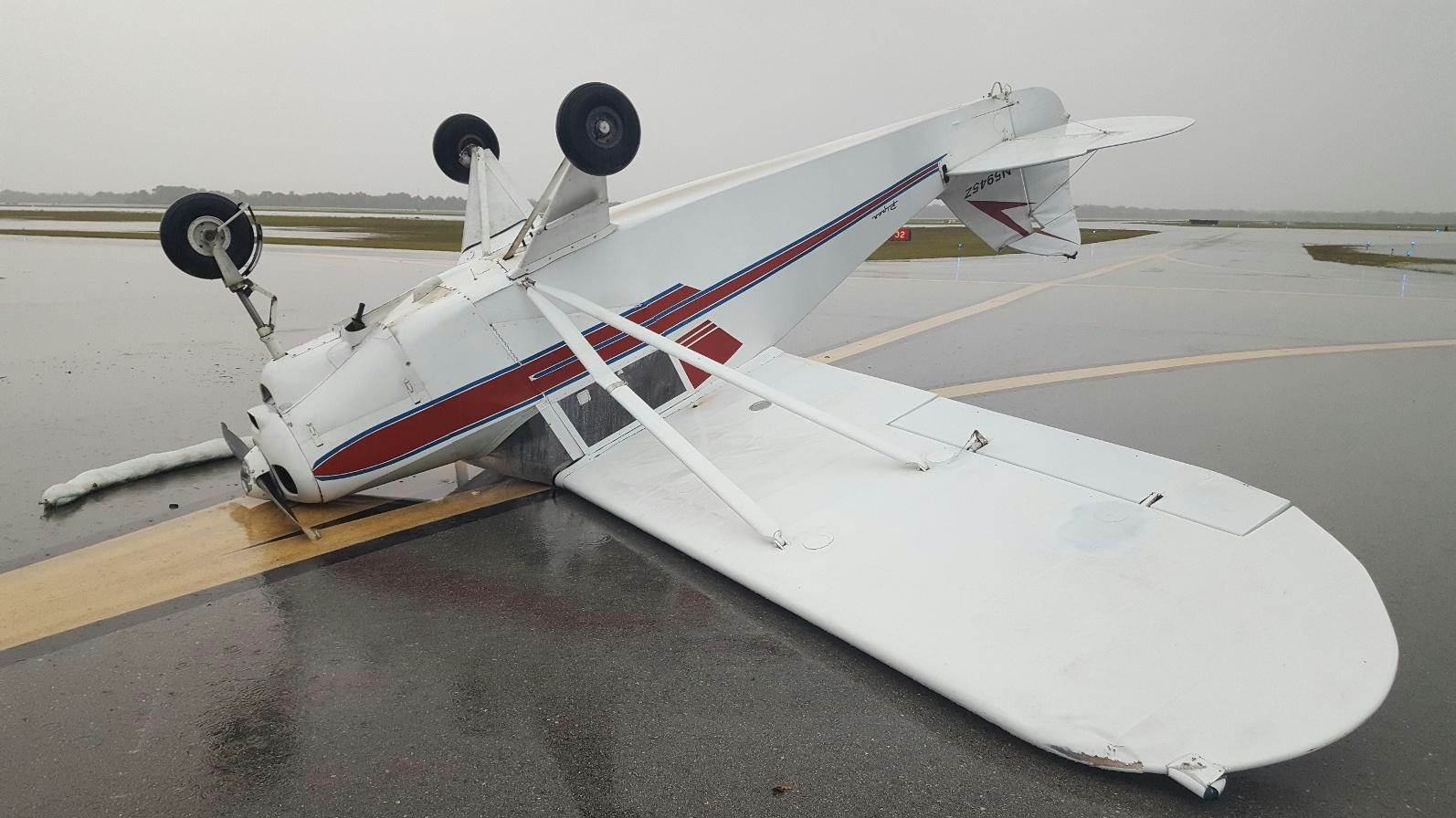
Carburetor Ice Causes Skydiving Plane Crash Near Upolu Airport
A Cessna 182B skydiving aircraft experienced a loss of engine power during its descent near Upolu Airport (PHUP) in Hawi, Hawaii, resulting in a crash that caused substantial damage to the plane and minor injuries to the pilot. According to a recent National Transportation Safety Board (NTSB) report, the incident highlights the dangers of carburetor icing and emphasizes the need for improved pilot training and safety measures.
Sequence of Events and Emergency Response
The pilot had completed a skydiving drop from 8,500 feet mean sea level and initiated a spiraling descent back to the airport. During this phase, the throttle was reduced to idle, and 20 degrees of flaps were deployed. The pilot then applied full carburetor heat while gradually enriching the engine mixture. At approximately 300 feet above ground level, the mixture was confirmed to be full rich, the propeller was set forward, and carburetor heat was fully engaged. However, when the pilot attempted to increase throttle, the engine failed to respond.
Despite following emergency procedures to restore power, the engine could not be restarted. The pilot executed a forced landing in a field about one mile west of the airport. Uneven terrain caused the nose gear to collapse, inflicting significant damage to the fuselage and engine compartment.
Investigation Findings and Weather Conditions
Post-accident examination revealed no mechanical malfunctions or failures in the engine or fuel system. The gascolator contained 100LL aviation fuel, and only trace amounts of water were detected in the fuel tanks. Weather data from Kailua/Kona Keahole Airport (PHKO), located approximately 34 miles south, recorded a temperature of 84°F, a dew point of 71°F, and relative humidity of 81%. According to the Federal Aviation Administration’s (FAA) Carburetor Ice Probability Chart, these conditions present a high risk of serious carburetor icing at glide power.
The FAA’s Pilot’s Handbook of Aeronautical Knowledge explains that carburetor ice is most likely when temperatures are below 70°F and humidity exceeds 80%, but it can occur at temperatures as high as 100°F. During prolonged descents with closed or reduced throttle settings, the engine cools rapidly, increasing susceptibility to carburetor icing. The handbook advises pilots to apply full carburetor heat before reducing throttle and to maintain it during descent, as well as to periodically open the throttle to keep the engine warm.
Conclusion and Implications for Aviation Safety
The NTSB determined that the probable cause of the accident was a loss of engine power due to carburetor ice formation during the extended descent, with the pilot’s delayed application of carburetor heat contributing to the outcome. This incident underscores the critical importance of timely carburetor heat application, especially in humid conditions.
Aviation experts emphasize that enhanced pilot training on recognizing and managing carburetor icing is essential to prevent similar accidents. The event may also prompt increased scrutiny of aircraft maintenance protocols and could lead to higher insurance premiums for aircraft susceptible to carburetor icing. In response, some manufacturers and industry competitors are exploring new technologies and safety features aimed at mitigating the risk of carburetor ice in future aircraft models.

Etihad Airways Suspends Airbus A380 Flights on Key Route

Aditya Birla Group Seeks Approval for Aircraft Leasing in GIFT City

Qatar Airways Highlights Innovation and Connectivity at Arabian Travel Market 2026

Hong Kong's Five-Year Plan Includes Andrew Fan's Aircraft Parts Processing Hub Proposal

ACIA Aero Leasing Delivers ATR72-600 to Air Nostrum

RTX Appoints Jill Albertelli as Head of Pratt & Whitney

TAT Technologies Joins Beyond Aero Hydrogen Aircraft Program

AURAK Study Highlights Barriers to Air Taxi Adoption in Emerging Economies

Xiamen Air Selects Altitude for 787 Maintenance at Heathrow

Etihad and Swissport Extend Global Partnership
