
Trasforma le intuizioni dell’IA in azioni concrete

Tendenze
Categories
Crash Caused by Fuel Exhaustion
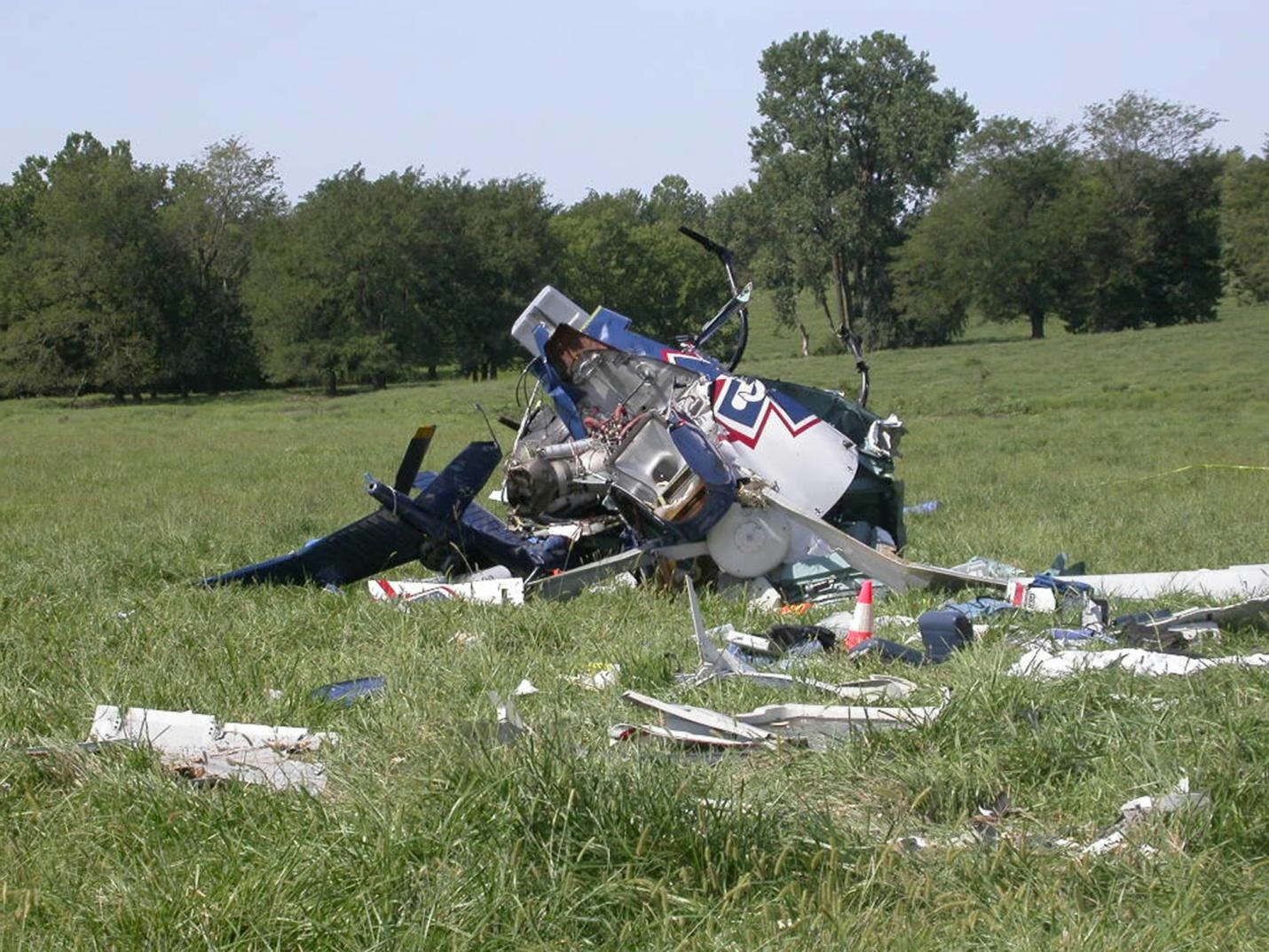
Crash Caused by Fuel Exhaustion Near Iola, Kansas
A Piper PA-28-181 aircraft crashed near Iola, Kansas, after exhausting its fuel supply, according to a recent report released by the National Transportation Safety Board (NTSB). The pilot reported commencing the flight with 48 gallons of fuel, estimating this quantity would provide approximately five hours of flight time. After flying for roughly four hours and twenty minutes, the pilot began his descent, activated the fuel pump, and checked the fuel gauges, which indicated three to four gallons remaining in each tank.
Shortly after this, the engine lost power. The pilot attempted to restart the engine by switching fuel tanks, temporarily restoring power before the engine failed again. With no alternative, he executed an emergency landing on a gravel road about 1.5 miles northeast of the airport. During the landing, the right wing struck a tree and separated from the fuselage, causing significant damage to the aircraft. The pilot was unharmed and later informed investigators that he believed the aircraft had run out of fuel, leading to the engine failure.
Investigation Findings and Broader Implications
The NTSB determined the probable cause of the accident to be inadequate fuel planning by the pilot, which resulted in total engine failure due to fuel exhaustion. Incidents of this nature carry consequences beyond the immediate crash site. They often necessitate road closures and cause traffic disruptions, which can impede emergency response efforts and affect local infrastructure. Similar events, such as the Middletown crash on Interstate 91, have demonstrated the wider impact of fuel exhaustion accidents on surrounding communities.
Moreover, such accidents tend to prompt heightened scrutiny of fuel management practices within the aviation sector. Regulatory authorities may respond by considering new guidelines or implementing stricter oversight to mitigate the risk of recurrence. In parallel, industry competitors frequently enhance safety protocols and engage in public relations initiatives to maintain confidence among passengers and stakeholders.
The NTSB’s October 2023 report highlights the essential role of meticulous fuel planning, consistent maintenance, and vigilant operational oversight. By assimilating lessons from these incidents, pilots and operators can contribute to preventing future accidents and strengthening safety standards throughout the aviation industry.

Etihad Airways Suspends Airbus A380 Flights on Key Route

Aditya Birla Group Seeks Approval for Aircraft Leasing in GIFT City

Qatar Airways Highlights Innovation and Connectivity at Arabian Travel Market 2026

Hong Kong's Five-Year Plan Includes Andrew Fan's Aircraft Parts Processing Hub Proposal

ACIA Aero Leasing Delivers ATR72-600 to Air Nostrum

RTX Appoints Jill Albertelli as Head of Pratt & Whitney

TAT Technologies Joins Beyond Aero Hydrogen Aircraft Program

AURAK Study Highlights Barriers to Air Taxi Adoption in Emerging Economies

Xiamen Air Selects Altitude for 787 Maintenance at Heathrow

Etihad and Swissport Extend Global Partnership
