
Trasforma le intuizioni dell’IA in azioni concrete

Tendenze
Categories
Crew Rest and Sleep on Delta’s Widebody Aircraft
Crew Rest and Sleep on Delta’s Widebody Aircraft
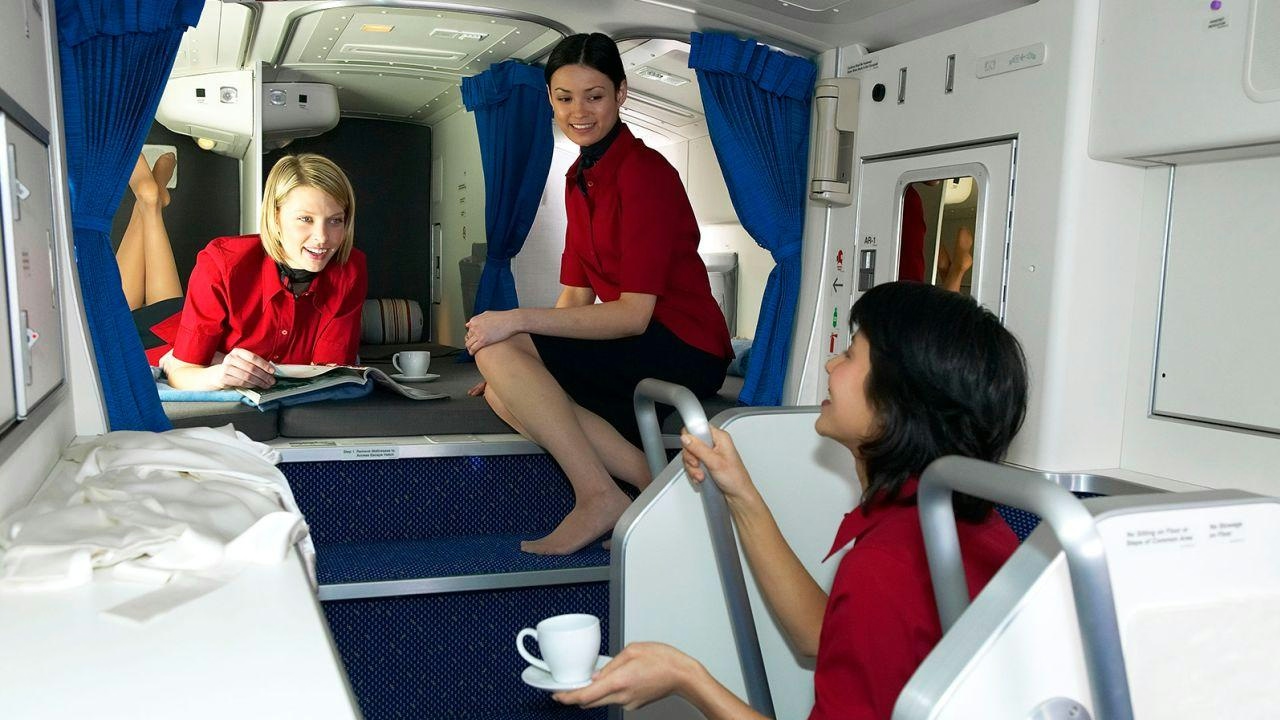
A well-rested cabin crew is fundamental to the safe and efficient operation of widebody aircraft, particularly on long-haul flights. Delta Air Lines acknowledges this critical need by providing dedicated crew rest areas throughout its widebody fleet. These facilities enable flight attendants to take essential breaks for sleep and recuperation, thereby supporting high standards of customer service and ensuring that crew members remain alert and prepared to respond to emergencies or medical situations.
Delta’s Widebody Fleet and Crew Rest Facilities
Delta operates a diverse widebody fleet that combines older aircraft with newer, technologically advanced models. The current fleet includes Airbus A330-200 and A330-300 variants, the newer A330-900, and the Airbus A350-900, with additional A350-1000s on order. Boeing models in service include the 767-300ER and 767-400ER, while the airline has placed orders for Boeing 787-10 Dreamliners. In January 2026, Delta announced the addition of 30 Boeing 787-10 aircraft, complementing a prior order of 100 Boeing 737 MAX 10s. According to Delta’s Chief Financial Officer Dan Janki, this fleet diversification and modernization strategy aims to enhance the customer experience and improve operational efficiency.
On aircraft such as the Airbus A350-900, crew rest areas are located in the overhead crown above the economy cabin. These spaces are accessed via discreet ladders or staircases near the galley or aircraft doors, remaining largely out of passenger view. Inside, multiple bunks are arranged in a staggered layout, each equipped with privacy curtains and ventilation systems to foster a restful environment. Similar configurations are anticipated for the A350-1000 and the forthcoming 787-10s, although final designs will depend on regulatory approvals and operational requirements.
Industry Challenges and Future Outlook
Delta’s commitment to enhancing crew rest facilities occurs amid broader challenges facing the aviation industry. The International Air Transport Association (IATA) has highlighted concerns regarding supply chain disruptions and delays in new aircraft deliveries from original equipment manufacturers. These factors may affect the pace at which new rest areas and fleet upgrades are implemented.
Furthermore, Delta’s emphasis on crew welfare and premium seating options may invite regulatory scrutiny and necessitate negotiations with crew unions over rest periods and working conditions. Competitors are likely to respond by adopting similar crew rest provisions or adjusting their strategies to maintain operational efficiency and appeal to premium travelers. As Delta continues to shift toward more premium seating configurations, the competitive landscape may evolve with other airlines following suit to attract discerning passengers.
Looking ahead, Delta’s ongoing fleet modernization and focus on crew rest underscore the airline’s commitment to meeting evolving operational demands and passenger expectations. Despite supply chain and regulatory challenges, the airline’s approach highlights the vital role of crew welfare in delivering safe, reliable, and high-quality long-haul service.

Etihad Airways Suspends Airbus A380 Flights on Key Route

Aditya Birla Group Seeks Approval for Aircraft Leasing in GIFT City

Qatar Airways Highlights Innovation and Connectivity at Arabian Travel Market 2026

Hong Kong's Five-Year Plan Includes Andrew Fan's Aircraft Parts Processing Hub Proposal

ACIA Aero Leasing Delivers ATR72-600 to Air Nostrum

RTX Appoints Jill Albertelli as Head of Pratt & Whitney

TAT Technologies Joins Beyond Aero Hydrogen Aircraft Program

AURAK Study Highlights Barriers to Air Taxi Adoption in Emerging Economies

Xiamen Air Selects Altitude for 787 Maintenance at Heathrow

Etihad and Swissport Extend Global Partnership
