
Trasforma le intuizioni dell’IA in azioni concrete

Tendenze
Categories
Delta Airlines Chooses GE Aerospace GEnx Engines Amid Hypersonic Missile Tests
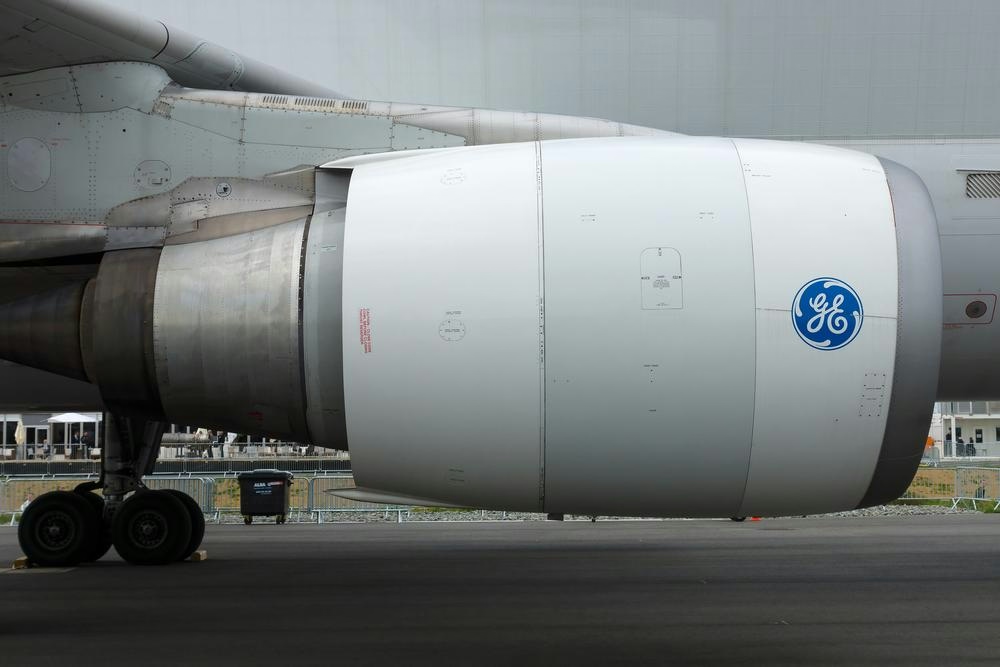
Delta Airlines Selects GE Aerospace GEnx Engines Amid Hypersonic Missile Developments
GE Aerospace has secured a significant contract with Delta Air Lines, which has chosen the company’s GEnx engines to power 30 new Boeing 787-10 aircraft. Announced on January 13, the agreement also includes the provision of spare engines and long-term service support, reinforcing GE Aerospace’s strong position in the commercial aviation sector.
Strategic Partnership and Engine Performance
Delta’s selection of the GEnx engine reflects the company’s commitment to enhancing operational efficiency and reliability across its international network. Introduced in 2011, the GEnx engine has amassed over 70 million flight hours and currently powers nearly two-thirds of all Boeing 787 aircraft worldwide. Ed Bastian, Delta’s chief executive officer, emphasized that the engines are “foundational to our growth vision,” enabling the airline to connect passengers to global destinations with improved performance.
GE Aerospace’s Dual Focus: Commercial Aviation and Defense
The timing of Delta’s decision coincides with GE Aerospace’s increasing prominence in defense technology, particularly in the development of hypersonic missile engines. In collaboration with Lockheed Martin, GE Aerospace recently completed tests on a liquid-fueled rotating detonation ramjet designed to propel hypersonic missiles at unprecedented speeds with enhanced fuel efficiency and extended range. This advancement underscores the company’s expanding role in cutting-edge military applications alongside its commercial aviation business.
This dual focus presents potential challenges. GE Aerospace’s involvement in hypersonic missile technology may invite regulatory scrutiny and ethical debates, as governments and the public assess the implications of advanced military capabilities. Market responses to Delta’s engine selection are likely to be mixed; while the GEnx’s proven reliability and performance, particularly in the Asia-Pacific region, are widely recognized, concerns may arise regarding the impact of GE’s defense activities on its commercial partnerships.
Industry Competition and Future Outlook
The aerospace sector is poised for intensified competition as other carriers, including United Airlines, plan to expand their fleets with new Boeing 787 deliveries. Competitors are expected to highlight innovations and reliability in their own engine technologies to capture market share. Furthermore, the industry’s growing emphasis on hypersonic technology could shift resources and focus away from commercial engine development, potentially influencing the long-term strategies of airlines like Delta that depend on continuous innovation and support for their fleets.
As a leading designer, manufacturer, and service provider of advanced jet engines and integrated systems for commercial, military, and business aircraft, GE Aerospace’s balancing act between its commercial and defense roles will remain a critical factor for its airline partners and the broader aviation industry.

Etihad Airways Suspends Airbus A380 Flights on Key Route

Aditya Birla Group Seeks Approval for Aircraft Leasing in GIFT City

Qatar Airways Highlights Innovation and Connectivity at Arabian Travel Market 2026

Hong Kong's Five-Year Plan Includes Andrew Fan's Aircraft Parts Processing Hub Proposal

ACIA Aero Leasing Delivers ATR72-600 to Air Nostrum

RTX Appoints Jill Albertelli as Head of Pratt & Whitney

TAT Technologies Joins Beyond Aero Hydrogen Aircraft Program

AURAK Study Highlights Barriers to Air Taxi Adoption in Emerging Economies

Xiamen Air Selects Altitude for 787 Maintenance at Heathrow

Etihad and Swissport Extend Global Partnership
