
Trasforma le intuizioni dell’IA in azioni concrete

Tendenze
Categories
Delta Ends Near-Free Upgrades to Increase Premium Revenue
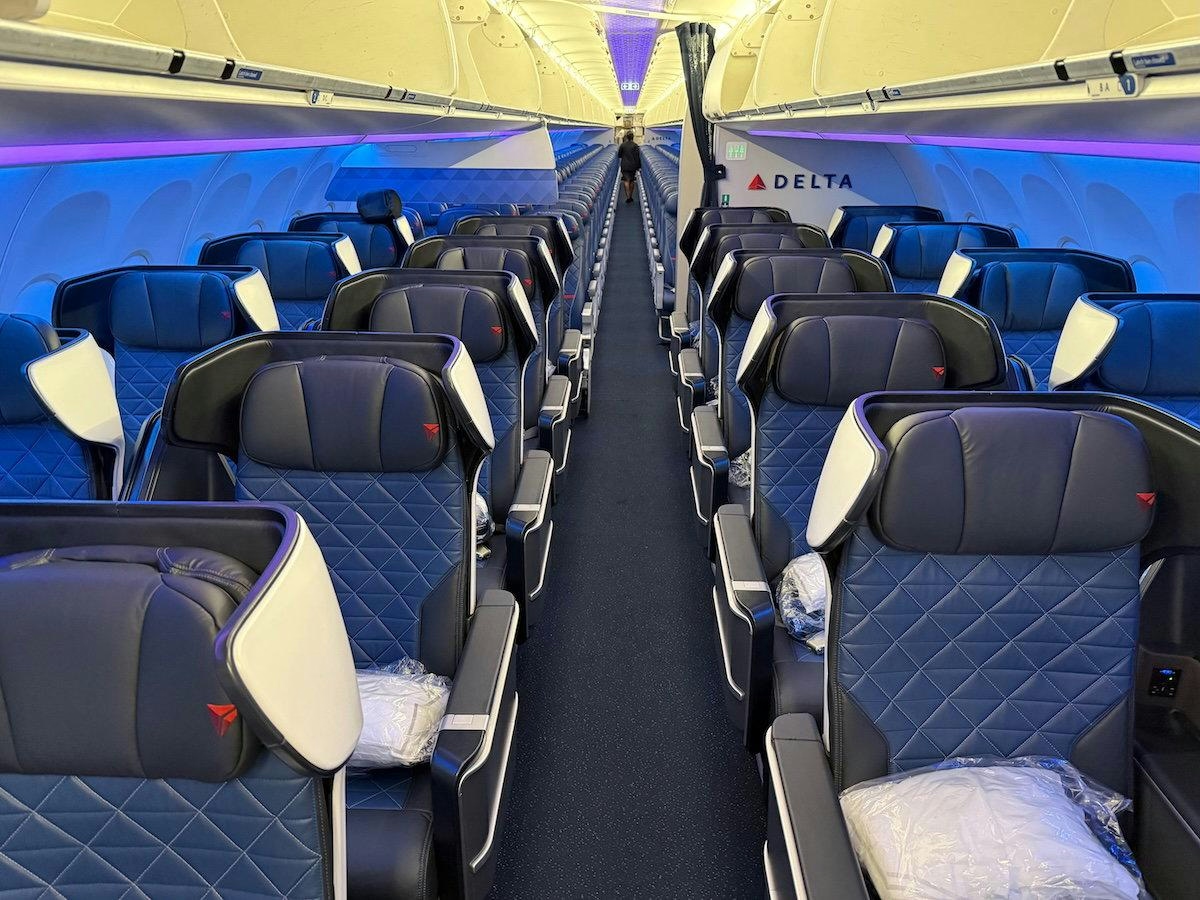
Delta Ends Near-Free Upgrades to Boost Premium Revenue
Changing Dynamics in Premium Air Travel
Over recent years, demand for premium airline seating has steadily increased, with passengers showing a growing willingness to pay for additional space, comfort, and enhanced onboard amenities. This evolving consumer preference has prompted airlines to expand their premium offerings beyond traditional long-haul international routes to include domestic flights as well. From lie-flat business class cabins to upgraded economy experiences, premium products have become a vital revenue stream for major carriers, fundamentally altering how seat inventory is marketed and sold.
Delta Air Lines is among the carriers capitalizing on this shift. In 2024, the Atlanta-based airline made it clear that it no longer views upgrades as complimentary rewards but as valuable revenue opportunities. At its 2024 Investor Day, Delta outlined a strategy focused on reducing free upgrades, increasing options for customers to purchase premium seats, and implementing dynamic pricing tailored to each passenger’s willingness to pay. The airline is also testing new fare structures aimed at converting more travelers into paying premium customers.
From Complimentary Upgrades to Revenue Generation
Historically, Delta routinely provided complimentary upgrades to frequent flyers, particularly on domestic routes. Medallion members often enjoyed automatic moves to first class at no extra cost, with upgrades allocated based on loyalty tier and seat availability. This system rewarded miles flown rather than money spent, allowing travelers to earn elite status through volume—even on discounted tickets—and still receive premium perks. For many business travelers and status seekers, these upgrades became a dependable benefit, especially on short- and medium-haul flights during off-peak times.
This approach fostered loyalty among frequent flyers who chose Delta for the chance of a better seat, even when cheaper alternatives were available. However, the model presented long-term challenges. A significant portion of premium cabin seats frequently went unsold, filled instead by passengers who had not paid for the product. This practice diminished the potential value of premium seating and constrained the airline’s ability to maximize revenue from one of its most sought-after offerings.
Recognizing these inefficiencies, Delta’s leadership began to reconsider the upgrade system. Viewing it as outdated and financially unsustainable, the airline decided to implement strategic changes to better align premium seating with revenue goals.
Premium Seating as a Core Business Focus
At the 2024 Investor Day, Delta Air Lines President Glen Hauenstein emphasized that the era of routinely handing out premium seats was over. He described premium cabins as the airline’s “biggest loss leader” in previous years, acknowledging that “we didn’t sell them, we gave them away.” This candid assessment underscored the need to reposition premium seats as high-value products with consistent revenue potential.
Hauenstein explained that Delta previously charged significantly higher fares for first class but often undermined this pricing by distributing upgrades freely. The airline’s new approach aims to treat premium seating as a strategic asset, focusing on monetization rather than complimentary distribution. By reducing free upgrades and offering more opportunities for passengers to purchase premium seats, Delta seeks to enhance profitability while meeting growing customer demand for premium travel experiences.

Etihad and Swissport Extend Global Partnership
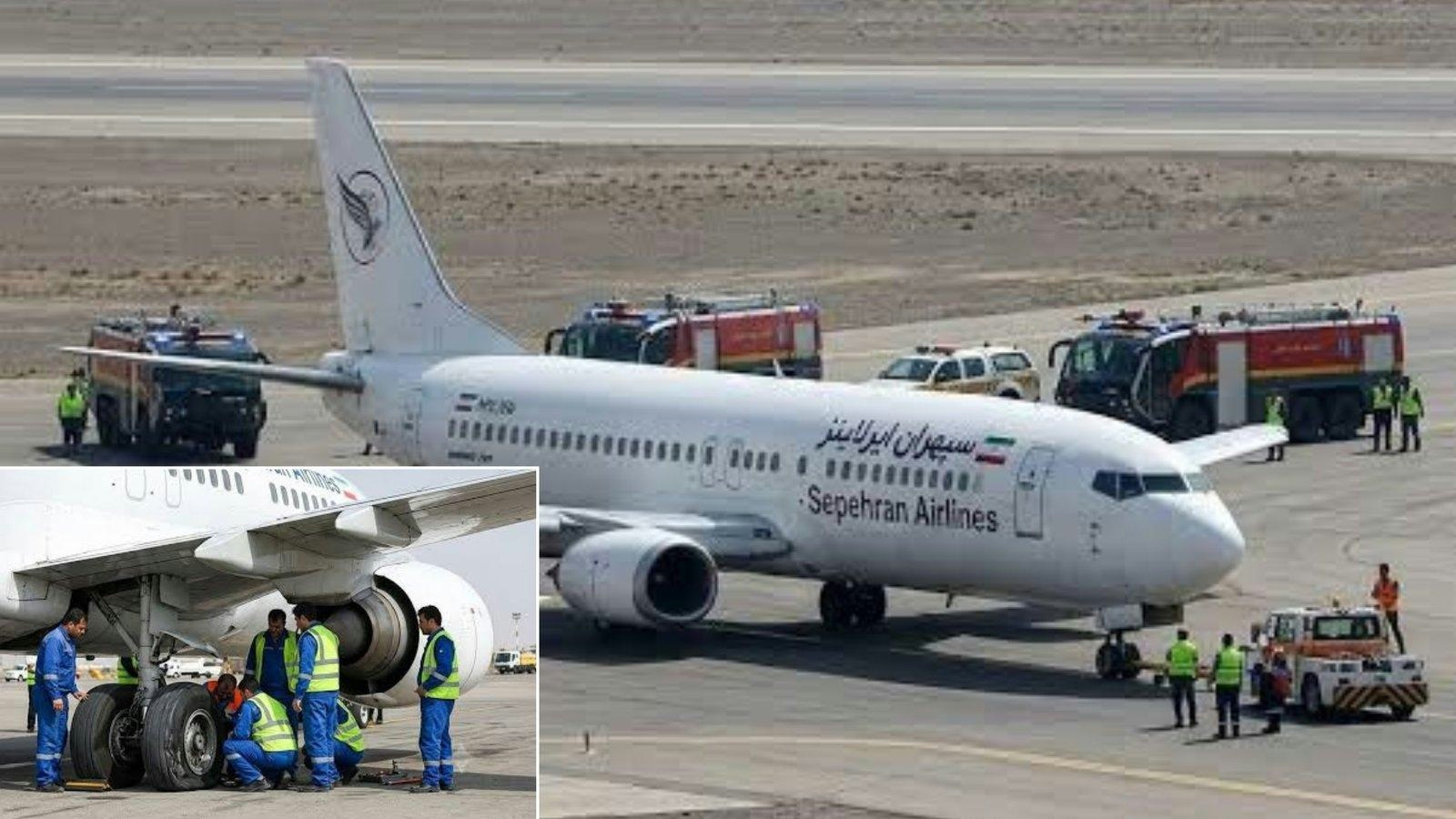
Sepehran Airlines B737 Returns to Mashhad After Tyre and Engine Issues
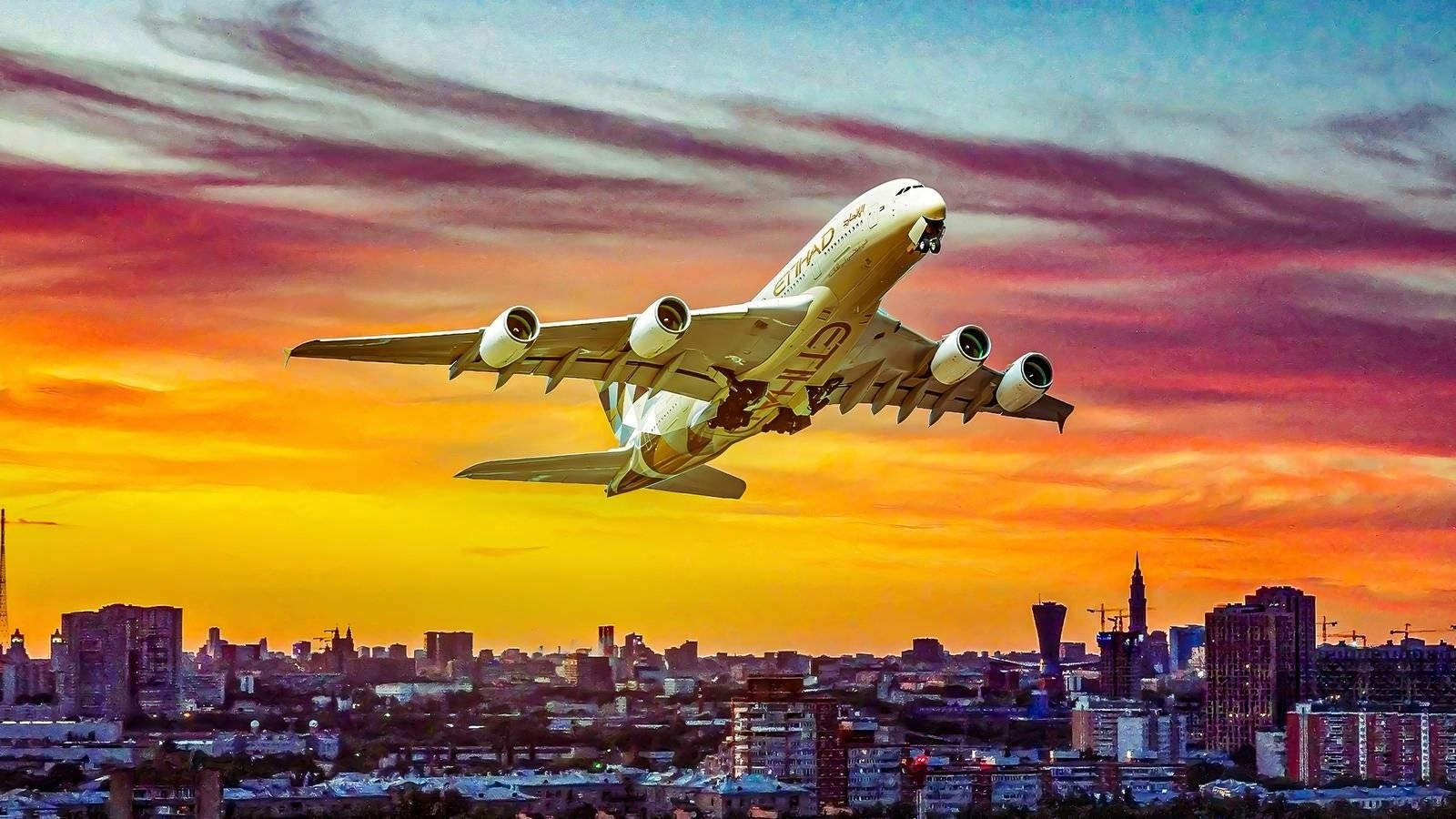
Etihad Deploys Widebody Fleet to Meet Strong Demand
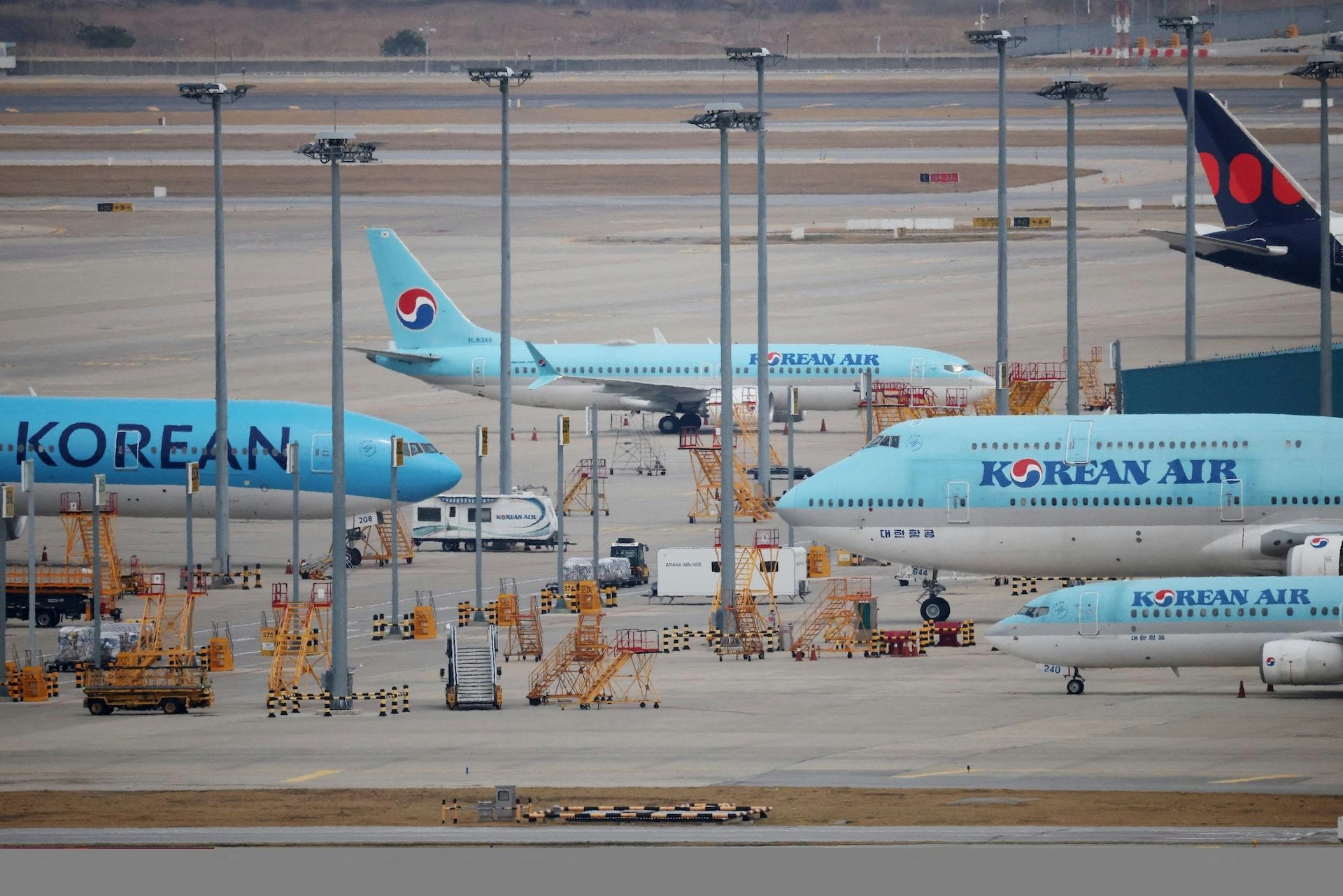
Korean Air Finalizes $36.2 Billion Deal with Boeing
Australia’s RFDS Queensland Section Orders Six King Air 260Cs
Korean Air Finalizes Order for 103 Boeing Jets and Engines
Embraer E195-E2 Features Distinctive Engine Placement Among Regional Jets
What Passengers Can Expect on Boeing’s New 777X Jet
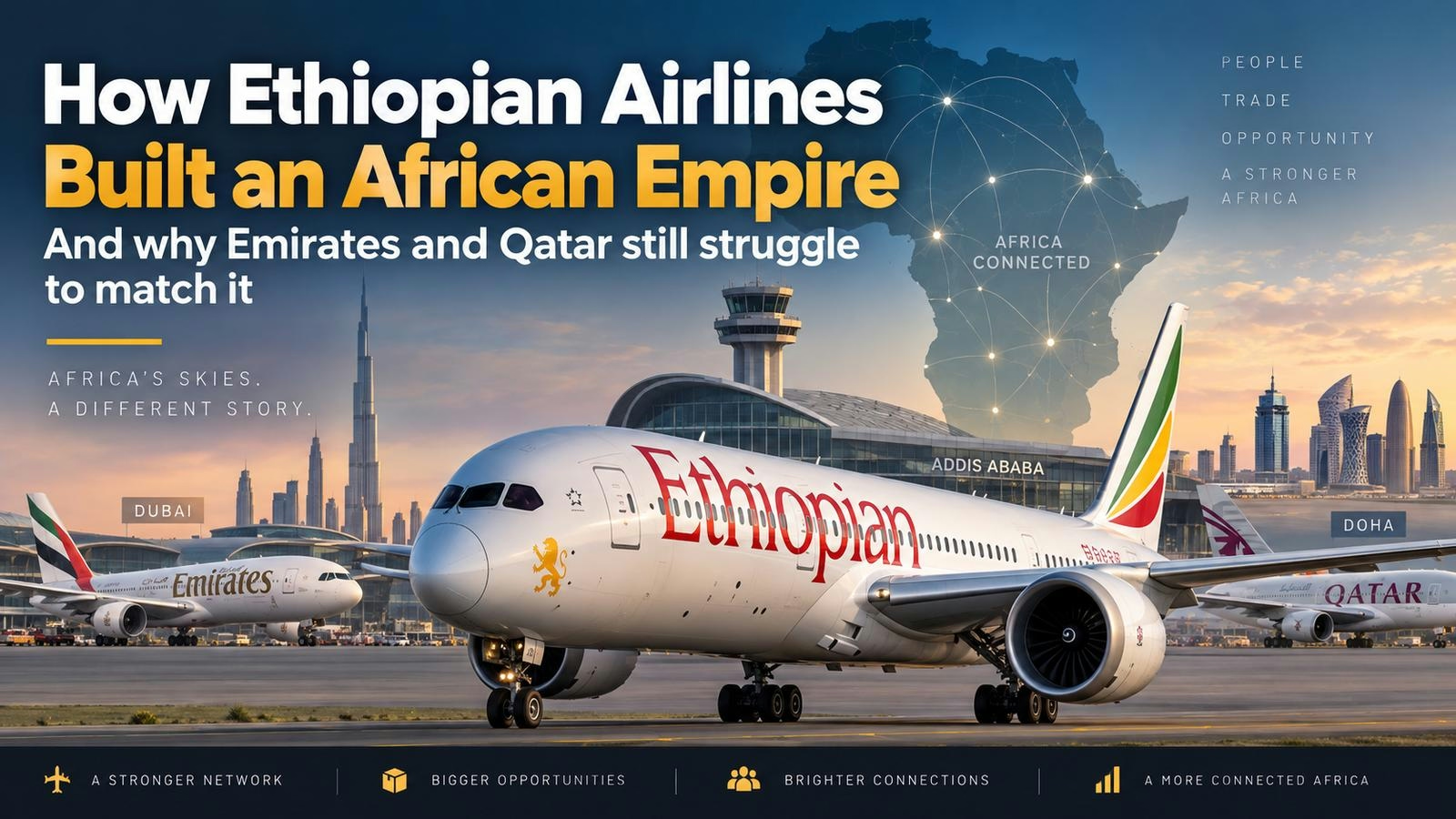
How Ethiopian Airlines Became Africa’s Leading Carrier Amid Gulf Competition

Joby Aviation Extends Autonomous Flight Capabilities with Cross-Country Tour
