
Trasforma le intuizioni dell’IA in azioni concrete

Tendenze
Categories
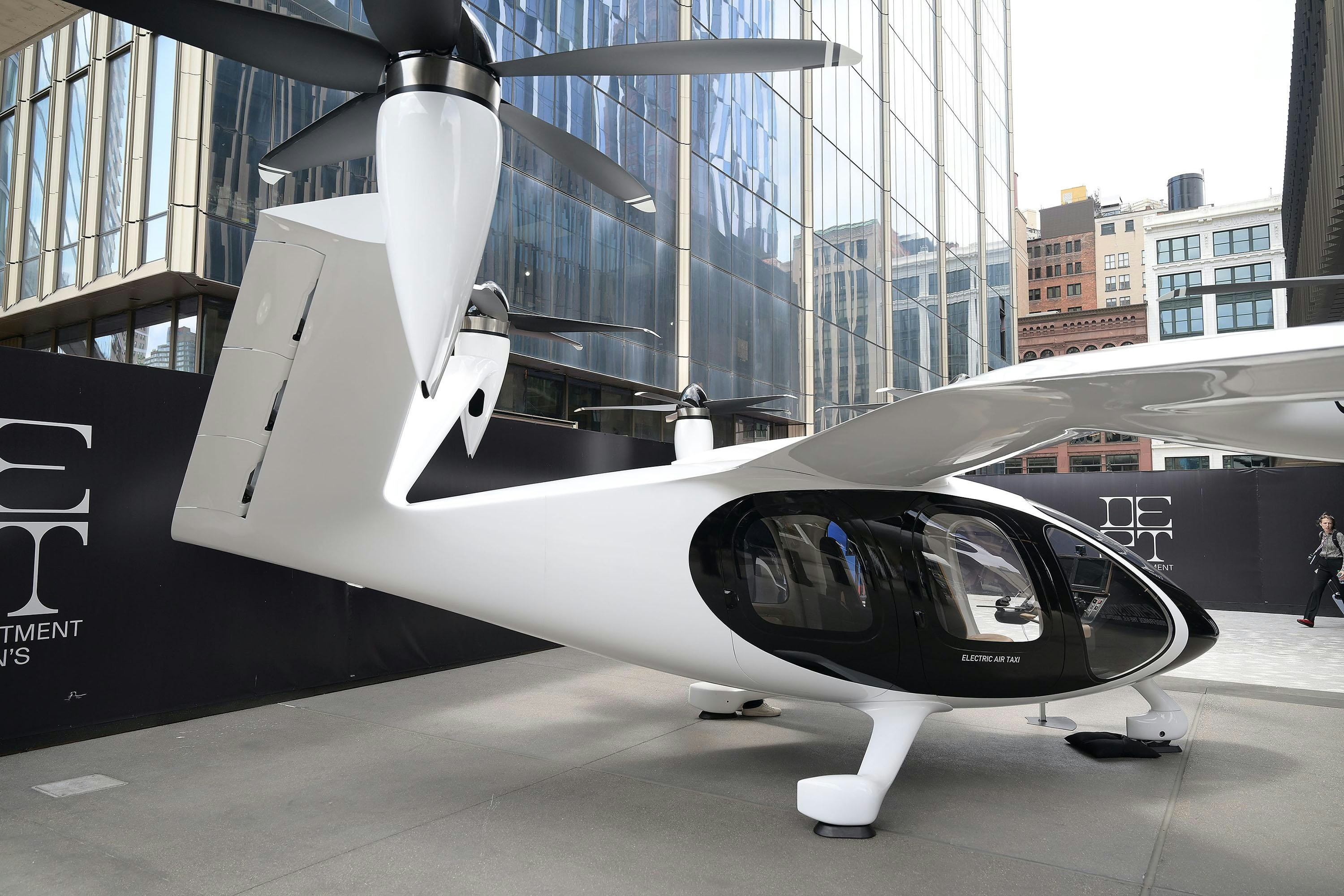
Dubai Advances Air Taxi Plan with Approval of First Vertiport
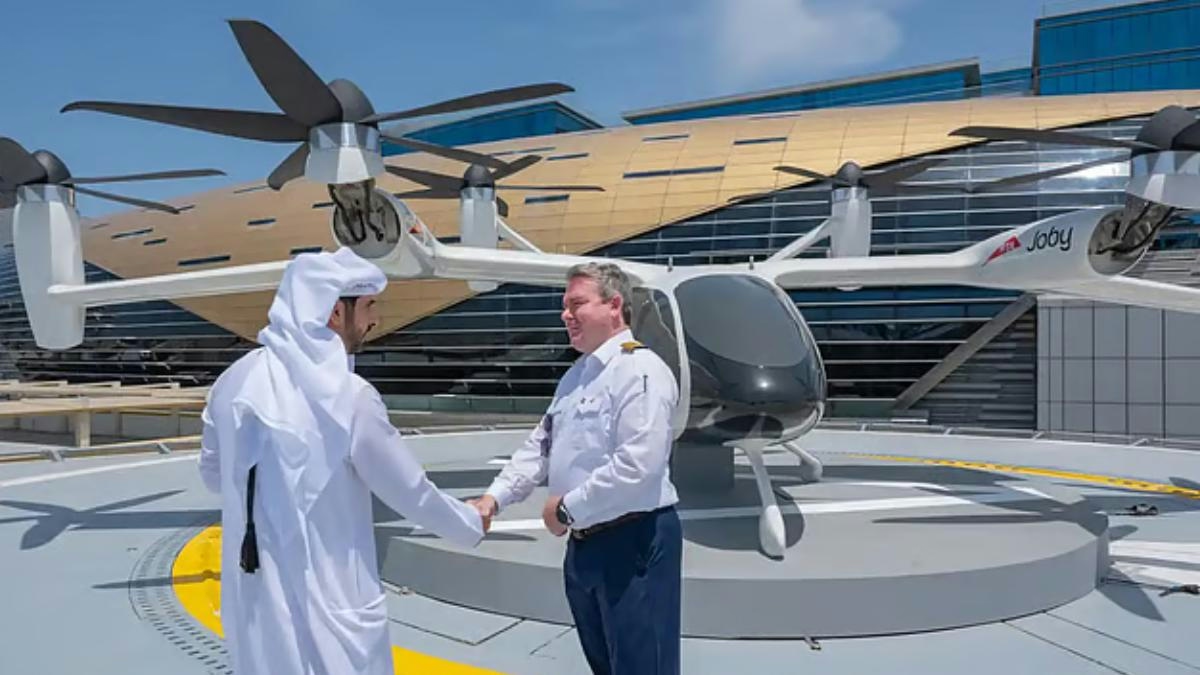
Dubai Advances Air Taxi Plan with Approval of First Vertiport
Dubai has marked a pivotal milestone in its pursuit of commercial air taxi services with the certification of the world’s first purpose-built commercial vertiport. Saif Mohammed Al Suwaidi, Director General of the UAE’s General Civil Aviation Authority (GCAA), hailed the achievement as “a historic achievement for the UAE and a defining moment for the future of aviation.” He underscored that the approval embodies the vision of the nation’s leadership, the sophistication of its regulatory framework, and the country’s capacity to drive innovation while maintaining stringent safety standards.
Regulatory and Technological Challenges Ahead
The vertiport certification represents a critical step in Dubai’s ambitious strategy to introduce autonomous air taxi operations by 2030. Nevertheless, significant challenges remain. Regulatory authorities face the complex task of ensuring that emerging air mobility solutions are fully integrated with existing aviation infrastructure and comply with rigorous safety requirements. The process will involve extensive testing and additional regulatory clearances before fully autonomous flights can be launched, which may result in delays to the city’s projected timeline.
Technological integration poses another substantial hurdle. The success of Dubai’s air taxi initiative depends on seamless coordination with current air traffic management systems and urban infrastructure. Achieving this will require close collaboration among government bodies, technology developers, and aviation specialists to address the complexities inherent in urban air mobility.
Competitive and Market Dynamics
The global urban air mobility sector is becoming increasingly competitive, with established aerospace firms such as Joby Aviation, Archer Aviation, and Beta Technologies advancing their own air taxi technologies. These companies may respond to Dubai’s progress with intensified marketing efforts, strategic alliances, and further innovation, potentially influencing the pace and trajectory of Dubai’s air taxi deployment.
Market reactions to the vertiport certification have been varied. While some investors express optimism about Dubai’s leadership role in urban air mobility and the economic opportunities it may generate, others remain cautious. Concerns persist regarding the substantial costs involved in developing and operating air taxi services, alongside ongoing questions about safety and public acceptance.
Despite these challenges, the certification of Dubai’s first commercial vertiport underscores the city’s firm commitment to shaping the future of urban transportation. As Dubai advances toward its vision of autonomous air travel, the coming years will be crucial in determining how regulatory, technological, and market factors influence the evolution of aviation in the UAE.

Etihad and Swissport Extend Global Partnership
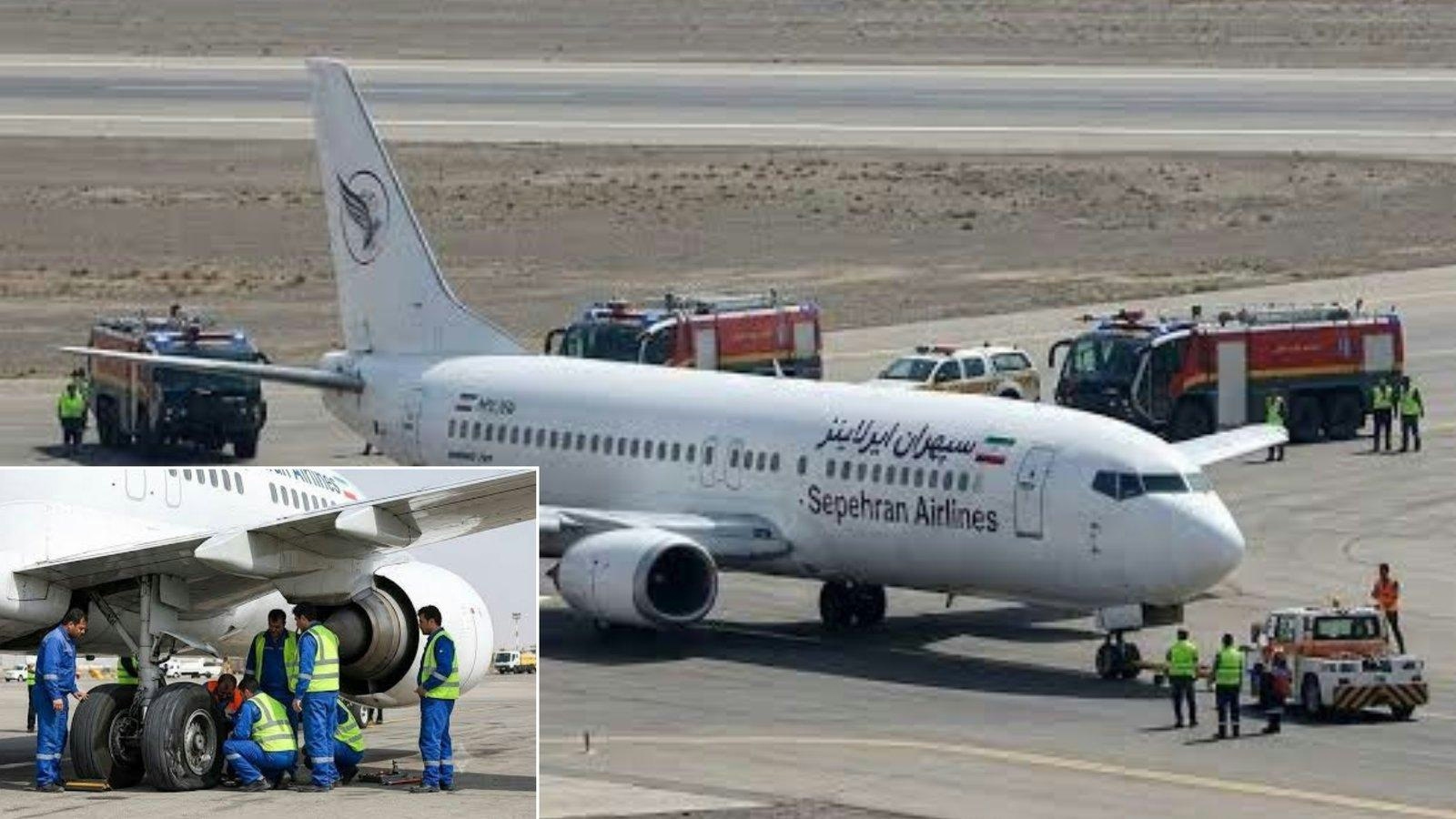
Sepehran Airlines B737 Returns to Mashhad After Tyre and Engine Issues

Etihad Deploys Widebody Fleet to Meet Strong Demand
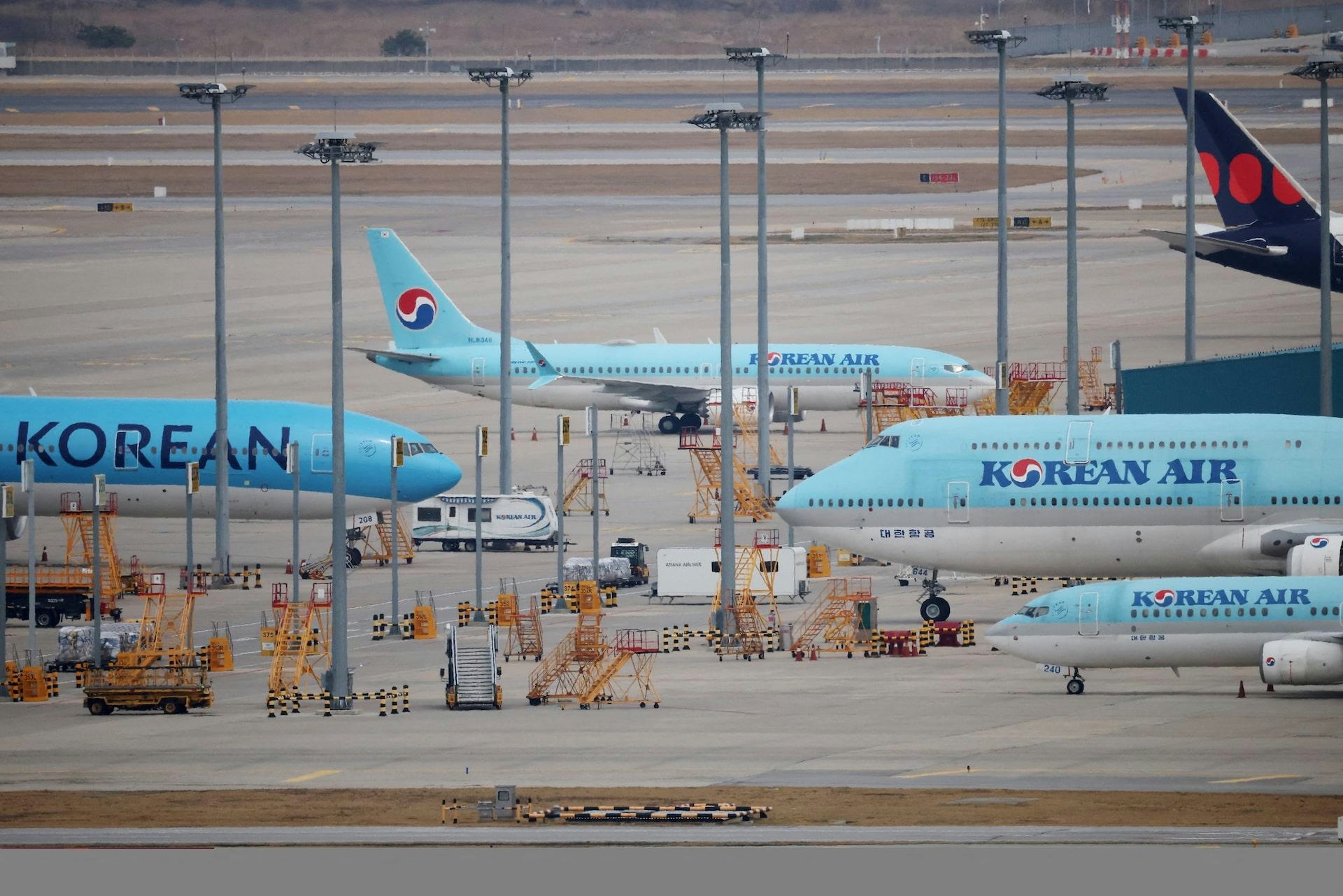
Korean Air Finalizes $36.2 Billion Deal with Boeing
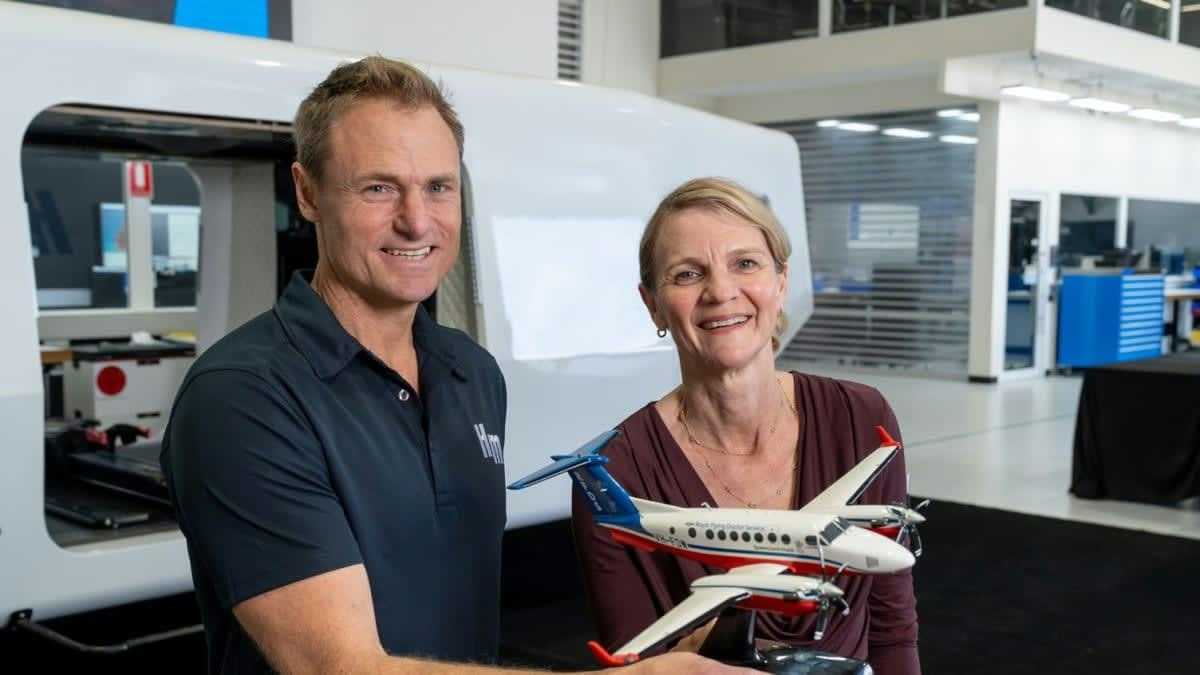
Australia’s RFDS Queensland Section Orders Six King Air 260Cs
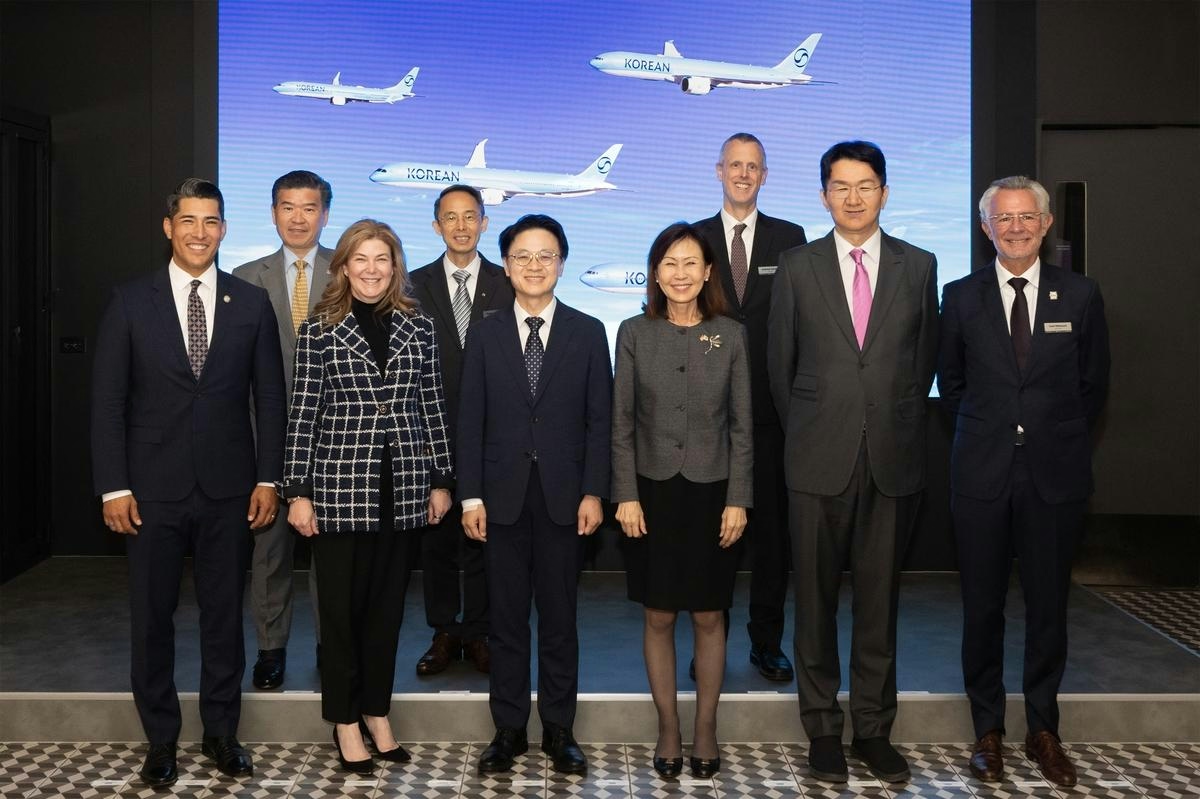
Korean Air Finalizes Order for 103 Boeing Jets and Engines
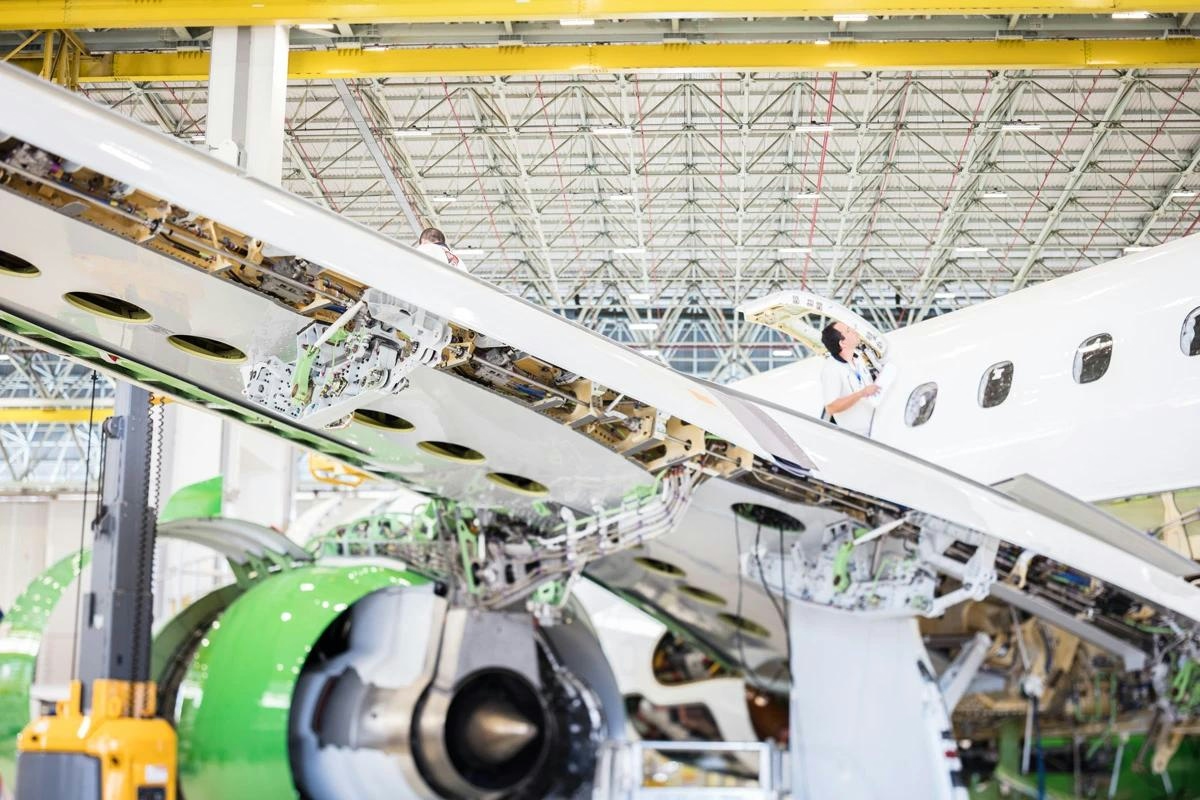
Embraer E195-E2 Features Distinctive Engine Placement Among Regional Jets
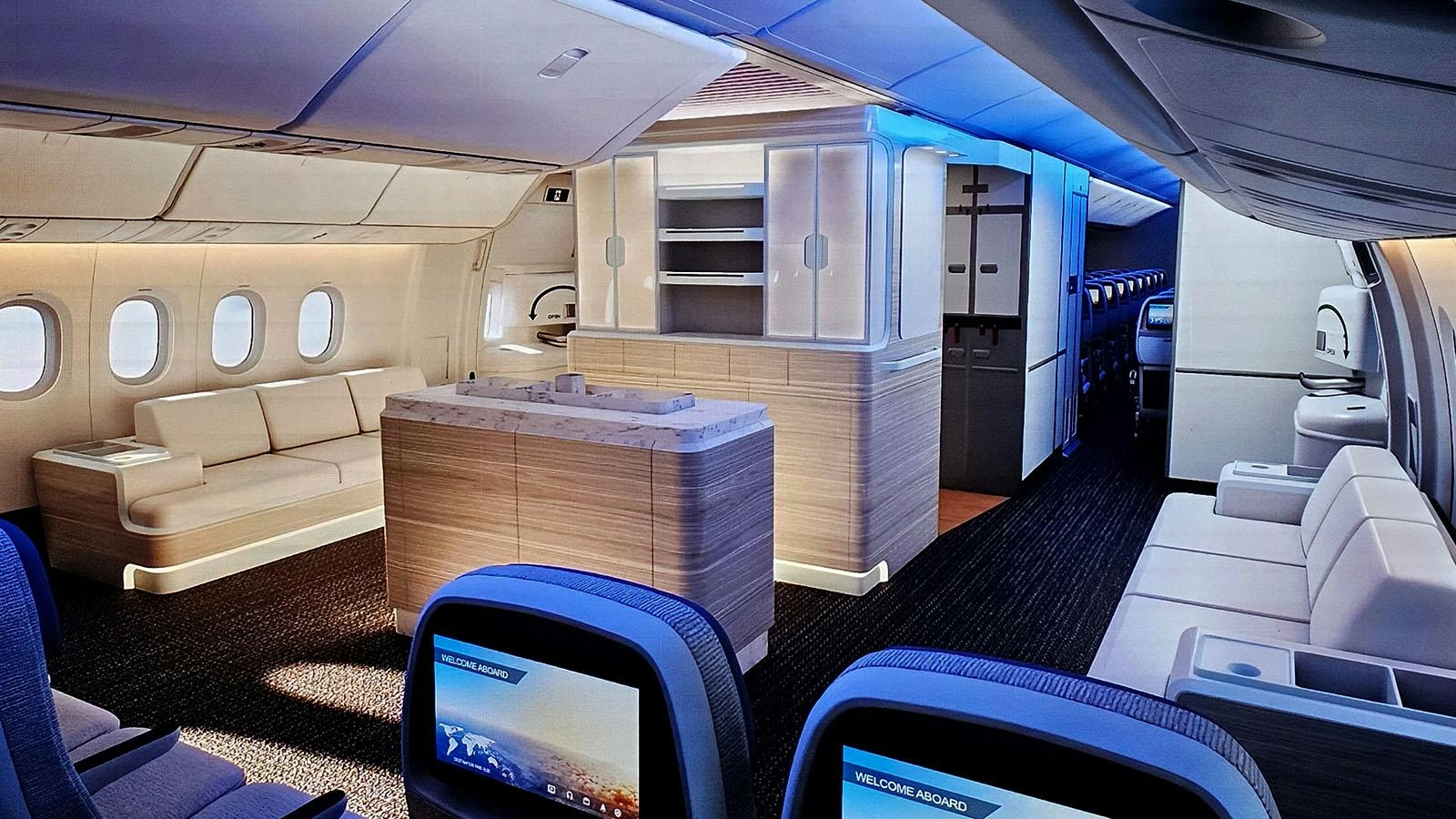
What Passengers Can Expect on Boeing’s New 777X Jet
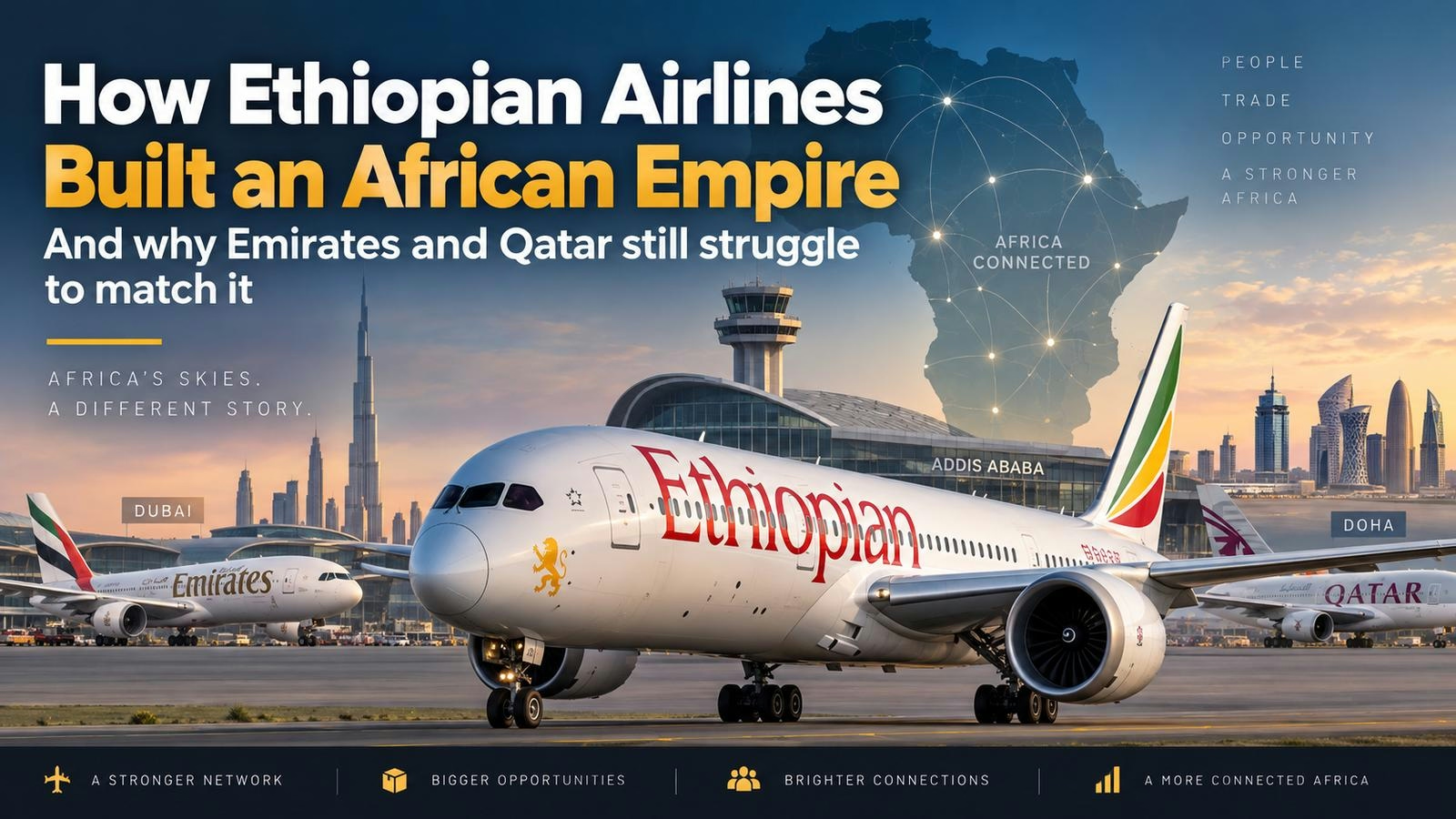
How Ethiopian Airlines Became Africa’s Leading Carrier Amid Gulf Competition
Joby Aviation Extends Autonomous Flight Capabilities with Cross-Country Tour
