
Trasforma le intuizioni dell’IA in azioni concrete

Tendenze
Categories
Electric Flying Taxis Near Commercial Launch
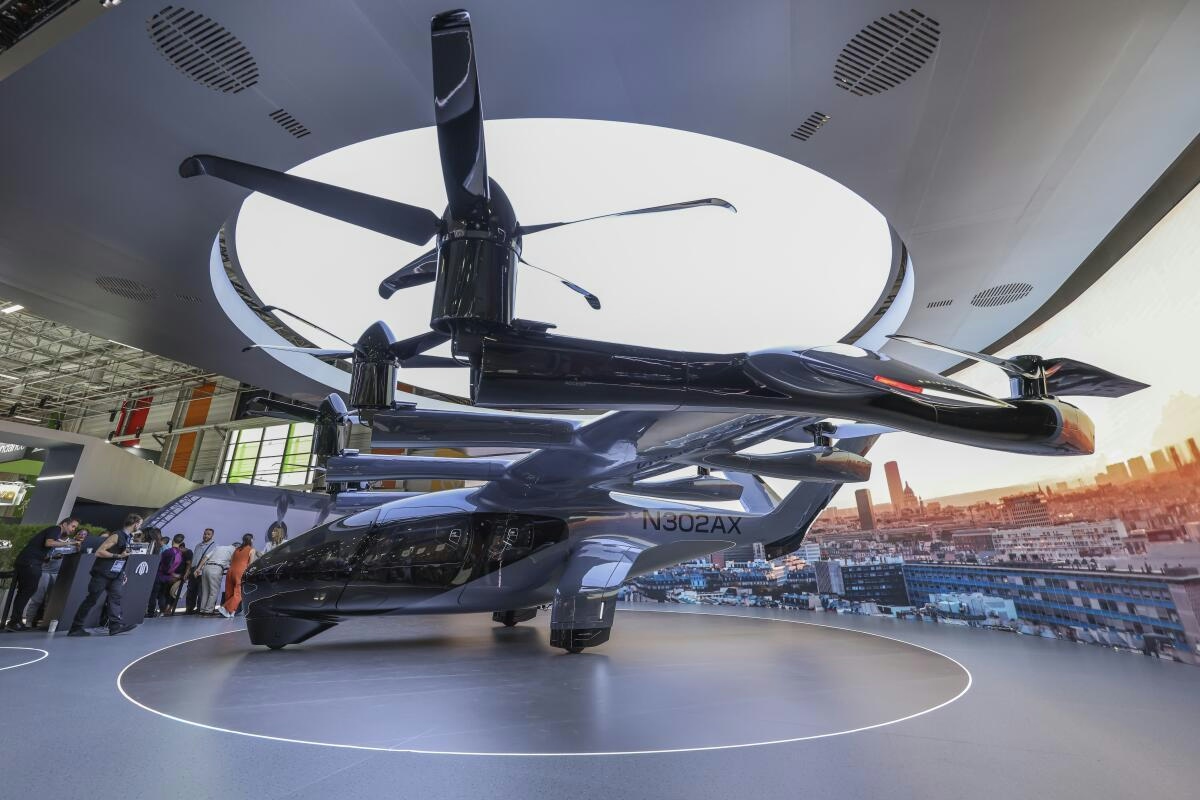
Electric Flying Taxis Poised for Commercial Launch
Joby Aviation is spearheading a transformative shift in urban transportation through its partnership with Virgin Atlantic, advancing the commercial introduction of electric air taxis. The company’s electric vertical takeoff and landing (eVTOL) aircraft is designed to carry four passengers, providing a quieter and zero-emission alternative to conventional helicopters. Equipped with six tilting rotors, the air taxi can hover, ascend, and cruise at speeds reaching 200 miles per hour, with a range of approximately 100 miles on a single battery charge. Successful test flights conducted in both the United States and Japan have validated the vehicle’s operational capabilities in real-world conditions.
Commercial Rollout and Industry Challenges
Joby Aviation aims to commence commercial services in Dubai and London by late 2025, signaling a potential paradigm shift in short-range urban travel. Despite this progress, the path to widespread adoption remains complex. Regulatory challenges persist as authorities work to develop comprehensive safety standards and operational frameworks for this emerging mode of transport. Public acceptance also poses a significant hurdle, with concerns surrounding safety, noise pollution, and the integration of air taxis into already congested urban airspaces.
The market for electric flying taxis is becoming increasingly competitive, with companies such as Archer Aviation and Eve Air Mobility vying alongside Joby to establish a dominant presence. This rivalry has already led to legal confrontations, including Archer’s counterclaim against Joby alleging fraud, underscoring the high stakes involved in this nascent industry.
Regulatory Progress and Future Outlook
Regulatory bodies are actively facilitating the sector’s growth. The Federal Aviation Administration (FAA) has approved pilot programs for electric air taxis across 26 states, marking a critical step toward commercialization. However, some major metropolitan areas, including Los Angeles, were excluded from these test sites, potentially affecting local efforts to become early adopters of urban air mobility solutions.
As the industry approaches commercial launch, significant questions remain regarding the pace at which electric air taxis will secure public trust and regulatory endorsement. If these challenges are successfully navigated, electric air taxis could revolutionize urban travel by offering a fast, clean, and efficient alternative to traditional ground transportation.
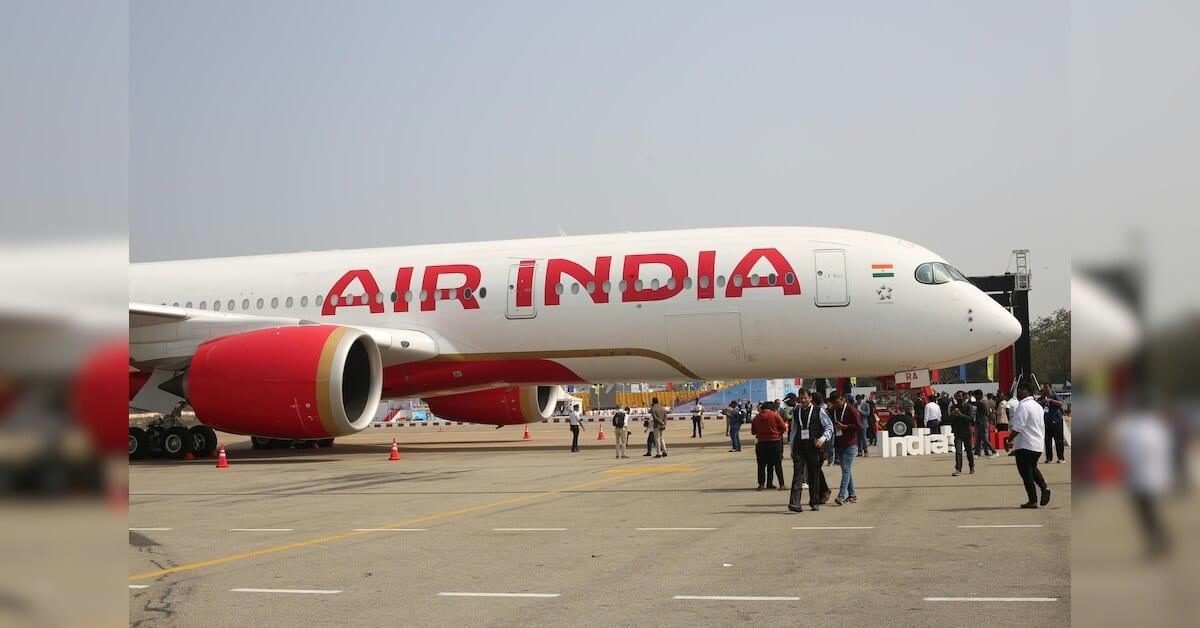
Air India Expands Use of Salesforce AI to Enhance Customer Service
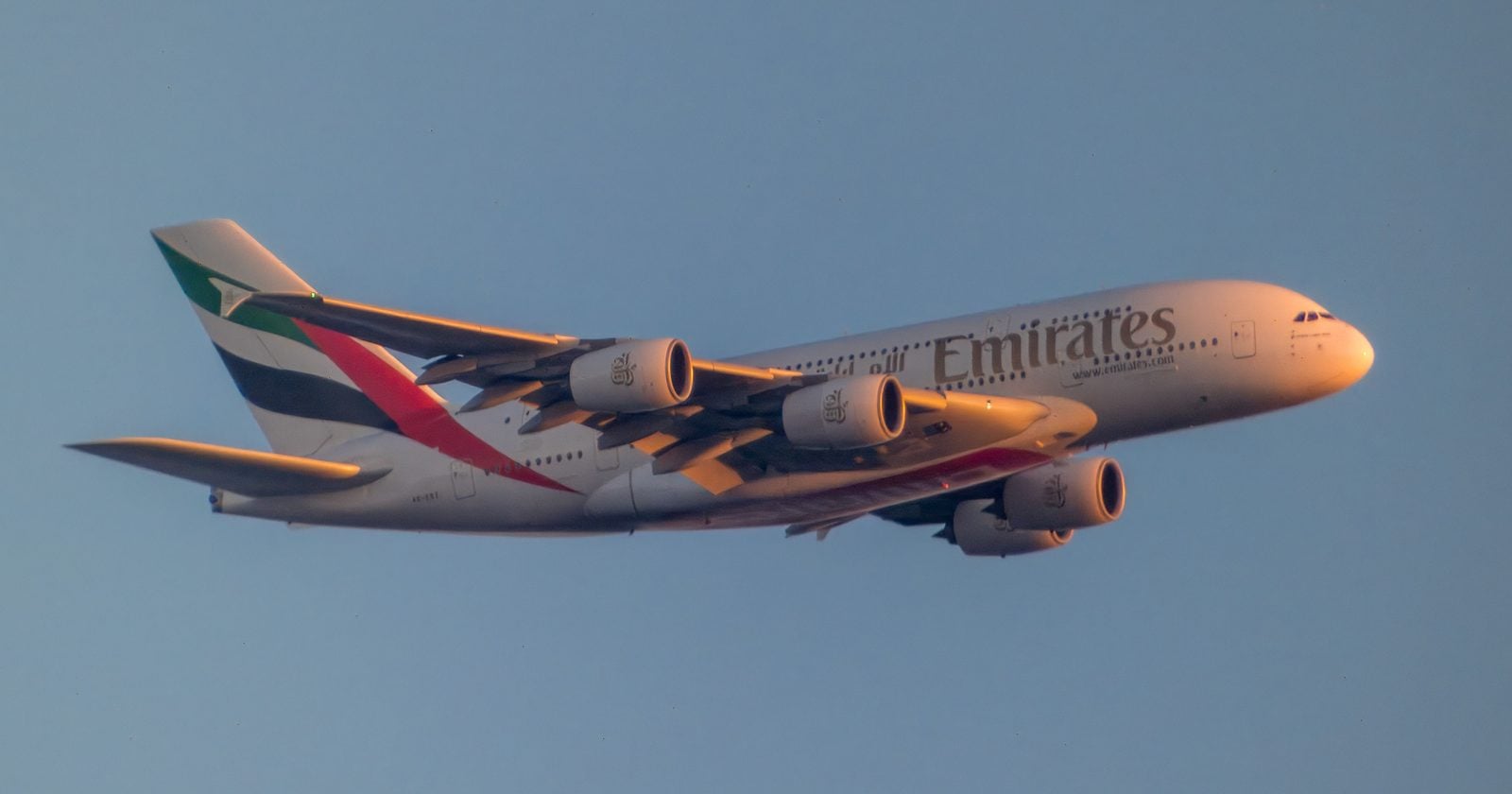
European Regulators Order Urgent Inspections After Cracks Found in Airbus A380 Wing Spars
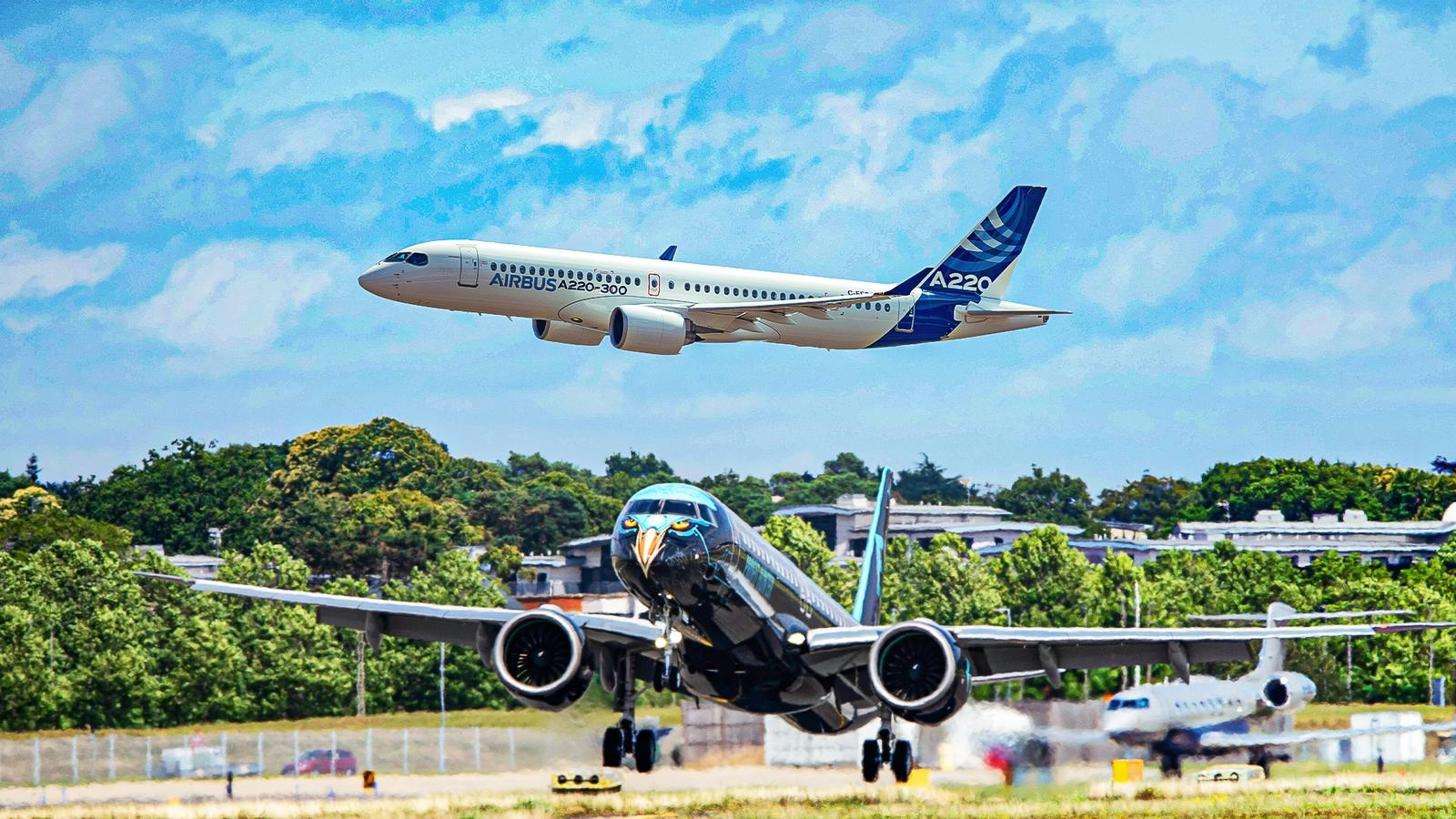
Embraer Delivers 2,000th E-Jet as Airbus A220 Seeks Market Share
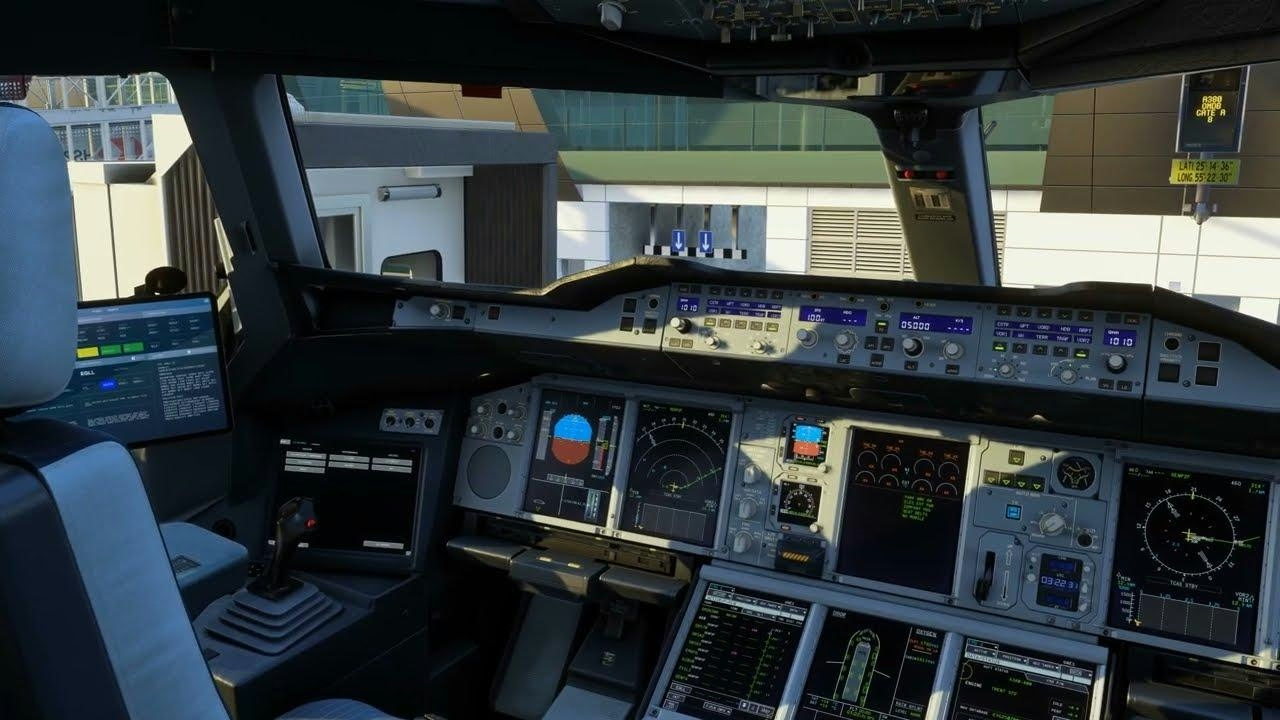
iniBuilds Releases Second In-Depth A380 Video
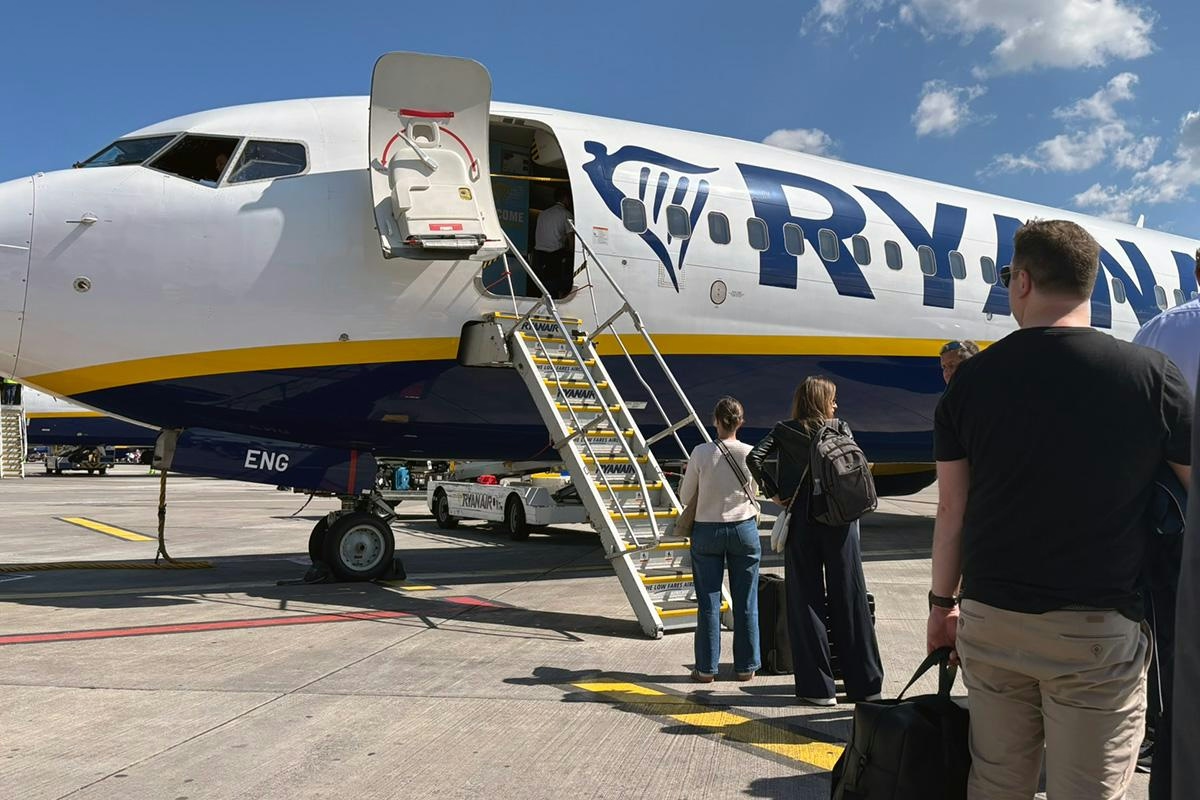
Ryanair and Alaska Airlines Apply AI to Operational Decision-Making

Digital Payments, AI, and Aviation Strengthen Philippines-India Relations
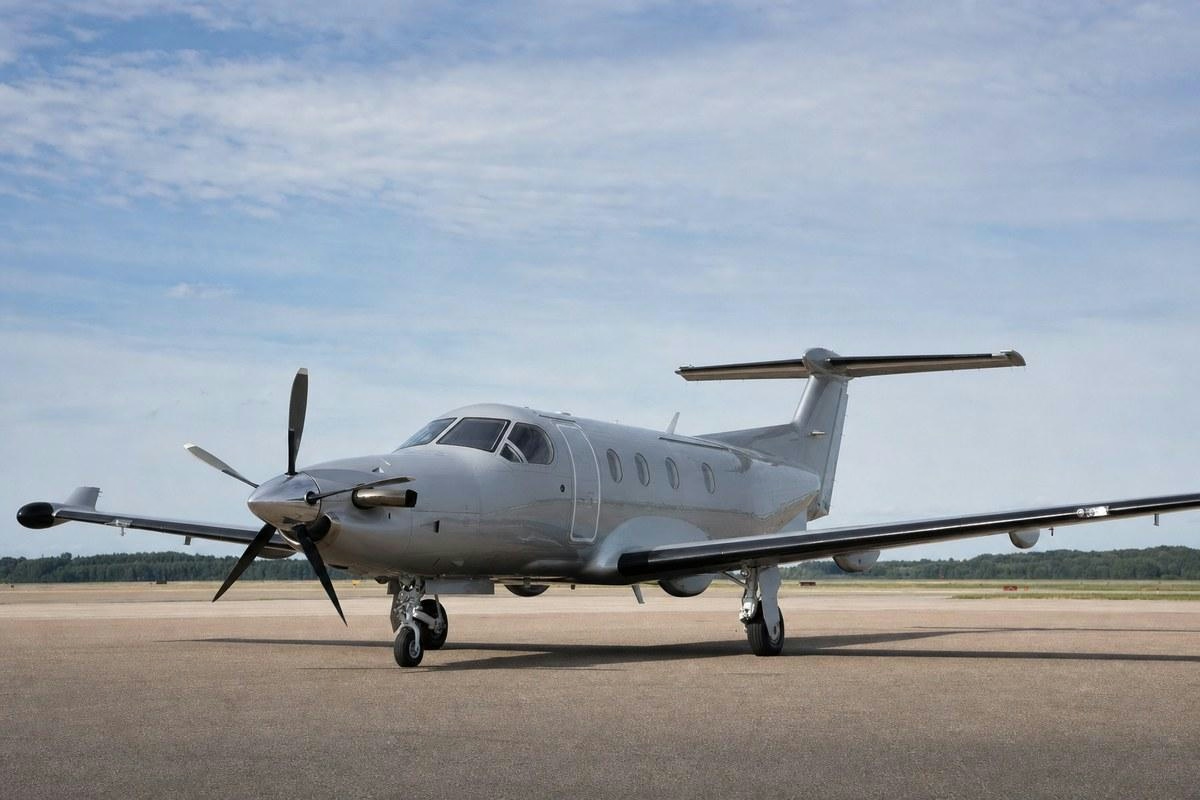
PlaneSense Suspends PC-12 Jet Card Sales
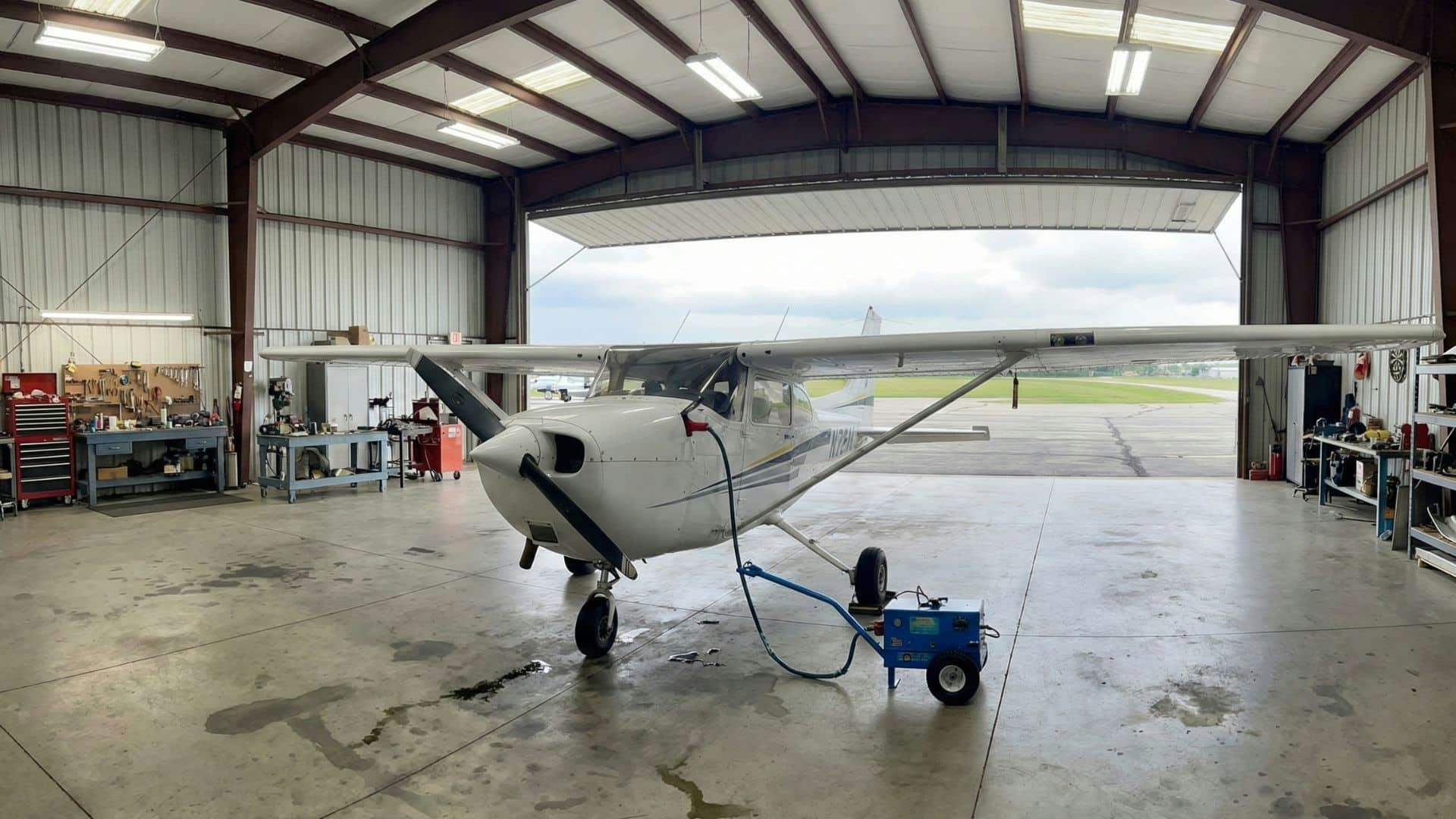
How AI Could Transform Bird-Strike Prevention for Business Aviation
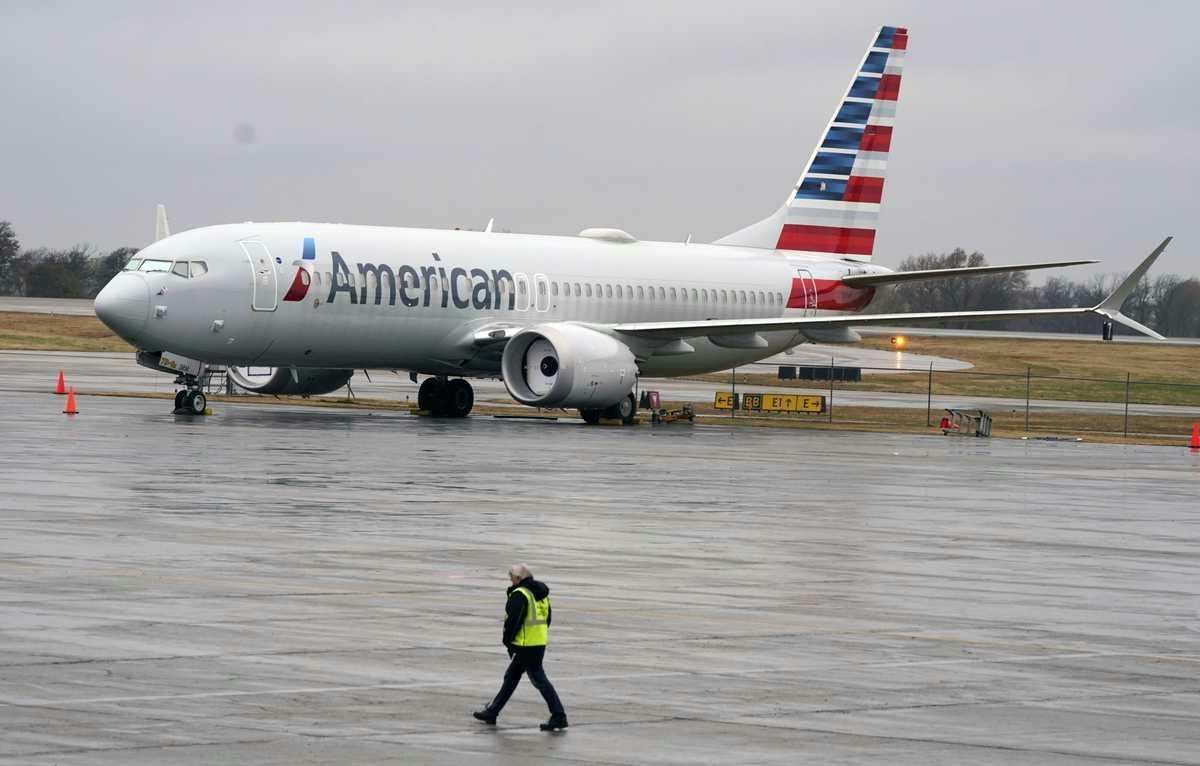
American Airlines and Boeing Complete First 737 MAX Landing Gear Swap

Vietjet and Thales sign major MRO and AI deals in Paris
