
Trasforma le intuizioni dell’IA in azioni concrete

Tendenze
Categories
Experts Discuss the Future of Helicopter Maintenance
Experts Discuss the Future of Helicopter Maintenance
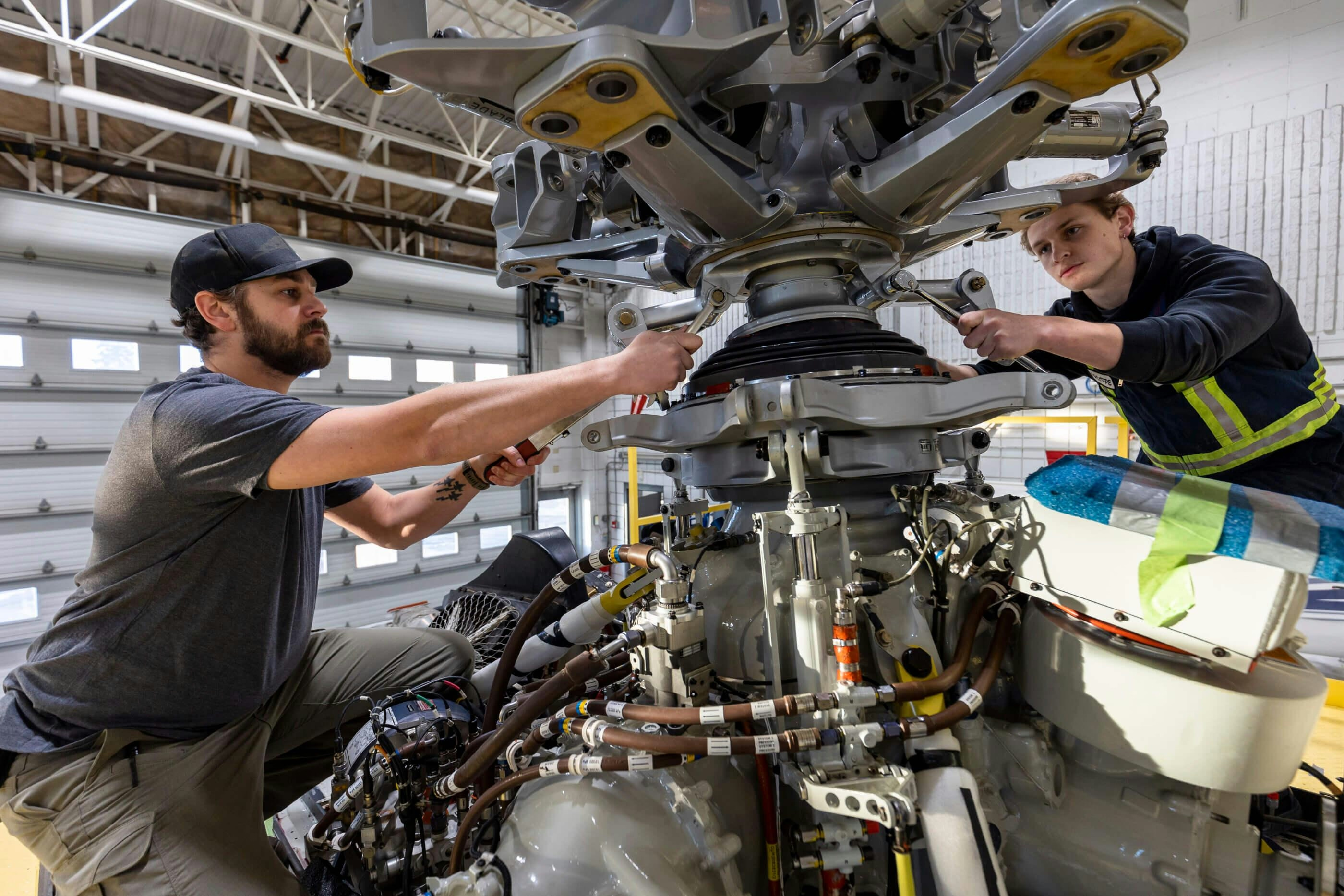
At the 2025 Vertical MRO Conference held in Irving, Texas, leading figures from the rotorcraft maintenance sector convened to examine the evolving landscape of helicopter maintenance over the coming decade. The discussions highlighted a range of perspectives, from the transformative potential of artificial intelligence and data-driven maintenance to pressing concerns about workforce shortages and regulatory shifts. Despite differing viewpoints, there was a consensus that the industry must adapt proactively to challenges such as a diminishing pool of skilled technicians, the increasing digitization of aircraft, and the imperative for enhanced collaboration.
Embracing Collaboration Amidst Competition
A prominent theme throughout the conference was the transition from isolated operations toward greater cooperation among maintenance, repair, and overhaul (MRO) providers, original equipment manufacturers (OEMs), and operators—even among direct competitors. Wendell Dunaway, regional sales director at PHI MRO Services, noted the unprecedented level of partnership emerging within the industry. He cited ongoing collaborations with competitors such as Air Methods and Apollo, emphasizing that setting aside rivalry has become essential. “When we talk about putting the competition aside, it’s amazing how everybody is fully on board with that,” Dunaway remarked.
Chris Matt, MRO regional sales director at PHI Aviation, underscored that such collaboration is no longer optional but vital for survival. He explained that the industry is increasingly pooling labor resources and sharing opportunities to meet demand. “The whole industry getting together and working more as a whole is going to be the shift for survival,” Matt stated. “There’s enough work out there for us all.”
Jason Gerein, executive vice president of customer service at Heli-Welders Canada, extended this call for cooperation to include OEMs and their authorized service centers. Recalling remarks from Maria Aguirre of Airbus Helicopters during the panel, Gerein emphasized the importance of unity over competition. “We’re not trying to compete, we’re trying to help the customer. Ultimately, that makes the OEM look good because as an Airbus service center, we’re an extension of Airbus,” he said. Gerein further highlighted the detrimental impact of internal friction, particularly when customers face operational delays due to parts shortages or manpower constraints. “There’s so much work to go around, so let’s work together. If you can’t do something, we’ll split profits, we’ll split margins. Just get the customer flying again,” he urged.
Addressing Fleet Transitions and Workforce Shortages
A critical concern permeating the conference was the ongoing shortage of skilled technicians. The retirement of experienced personnel, coupled with a decline in new entrants to the field, has created a significant talent gap. This issue is further complicated by the phase-out of legacy helicopter models such as the VH-3D and VH-60N, necessitating a transition to newer platforms like the VH-92A. This fleet evolution is anticipated to increase demand for advanced maintenance techniques and technologies tailored to modern rotorcraft.
In response, industry participants are expanding their service capabilities and investing in digital tools designed to meet the complex requirements of contemporary fleets. Companies are also intensifying efforts to capture market share by offering innovative solutions and fostering stronger partnerships across the sector.
Looking Forward
Despite the challenges outlined, panelists at the conference agreed that the future of helicopter maintenance hinges on the industry’s capacity to adapt. This will require embracing technological advancements, cultivating collaborative relationships, and addressing workforce shortages with urgency. As Chris Matt succinctly put it, “We all have to get there together.”

Etihad Airways Suspends Airbus A380 Flights on Key Route

Aditya Birla Group Seeks Approval for Aircraft Leasing in GIFT City

Qatar Airways Highlights Innovation and Connectivity at Arabian Travel Market 2026

Hong Kong's Five-Year Plan Includes Andrew Fan's Aircraft Parts Processing Hub Proposal

ACIA Aero Leasing Delivers ATR72-600 to Air Nostrum

RTX Appoints Jill Albertelli as Head of Pratt & Whitney

TAT Technologies Joins Beyond Aero Hydrogen Aircraft Program

AURAK Study Highlights Barriers to Air Taxi Adoption in Emerging Economies

Xiamen Air Selects Altitude for 787 Maintenance at Heathrow

Etihad and Swissport Extend Global Partnership
