
Trasforma le intuizioni dell’IA in azioni concrete

Tendenze
Categories
FAA Administrator Faces Questions Over Delayed Stock Divestment
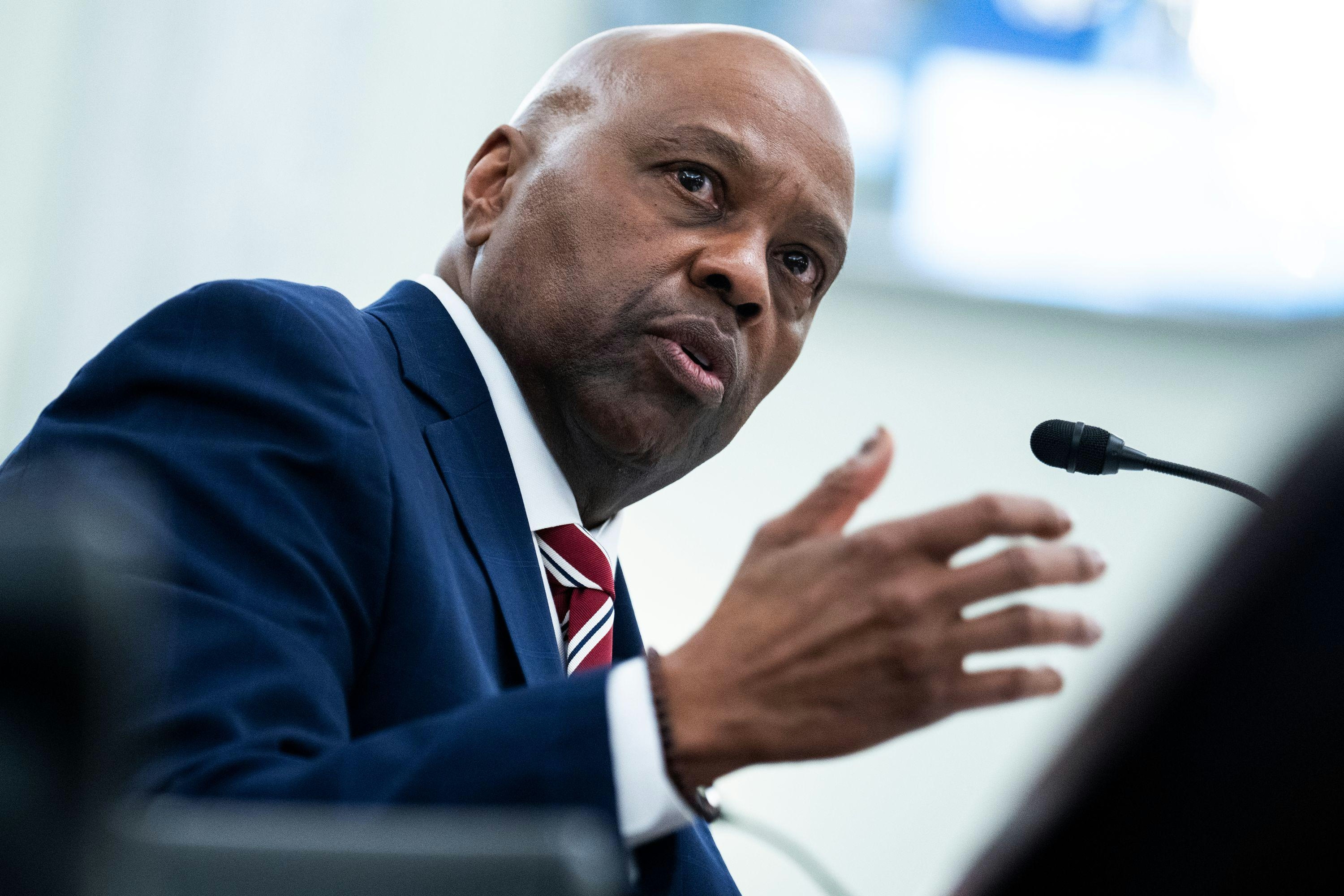
FAA Administrator Under Senate Scrutiny for Delayed Stock Divestment
The Federal Aviation Administration (FAA) Administrator, Bryan Bedford, is facing intensified scrutiny following calls from three Democratic senators for an investigation into his delayed divestment of airline stock. Bedford, who previously served as CEO of Republic Airways, is accused of violating his ethics agreement by retaining a substantial equity stake in the airline well beyond the mandated deadline. This delay potentially allowed him to benefit financially from a subsequent merger involving Republic Airways.
Allegations and Political Response
Reports indicate that Bedford was contractually obligated to divest his holdings in Republic Airways by October 7. However, the sale was not finalized until February, several months after Republic Airways completed its merger with Mesa Airlines in November 2025. At the time of divestiture, Bedford’s shares were valued between $6 million and $30 million. The senators contend that by postponing the sale, Bedford may have profited from the increased share value following the merger.
In a formal letter addressed to the Inspector General of the Department of Transportation, the senators asserted that Bedford “intentionally held on to his shares until the airline completed a lucrative merger, likely significantly boosting the value of his holdings.” The Senate Commerce Committee is reportedly monitoring the situation closely, intensifying the political pressure on the FAA chief.
Context of the Republic Airways-Mesa Airlines Merger
The merger between Republic Airways and Mesa Air Group, initiated in April 2025 and completed in November of the same year, resulted in the formation of Republic Airways Holdings Inc., now the largest operator of Embraer E-Jets in North America. The combined airline operates a fleet exceeding 300 Embraer E170 and E175 aircraft and serves as a key regional partner for major carriers including United Airlines, Delta Air Lines, and American Airlines. Notably, United Airlines, which previously held a stake in Mesa Airlines, maintained an interest in the merged entity, further consolidating its position in the regional aviation market.
Broader Economic and Industry Implications
This controversy emerges amid a period of heightened market volatility and economic uncertainty. Rising oil prices and geopolitical tensions have unsettled financial markets, with prominent figures such as JPMorgan Chase CEO Jamie Dimon warning of a potential recession and bear market. Market sentiment has also been influenced by ambiguous remarks from former President Donald Trump regarding the Iran conflict, alongside fluctuating performances from major corporations like Intel and Tesla.
While the response from competitors to the Republic-Mesa merger remains unclear, the aviation sector is navigating a challenging environment. The ongoing investigation into Bedford’s conduct adds complexity to the situation, as lawmakers and regulators consider the broader implications for government ethics and the stability of the airline industry.
As the FAA and its administrator confront mounting questions, the outcome of this inquiry could have significant consequences for federal oversight and public confidence in the agency during a time of economic and industry uncertainty.

Bangladesh Launches Initiative to Become Regional Aviation Hub
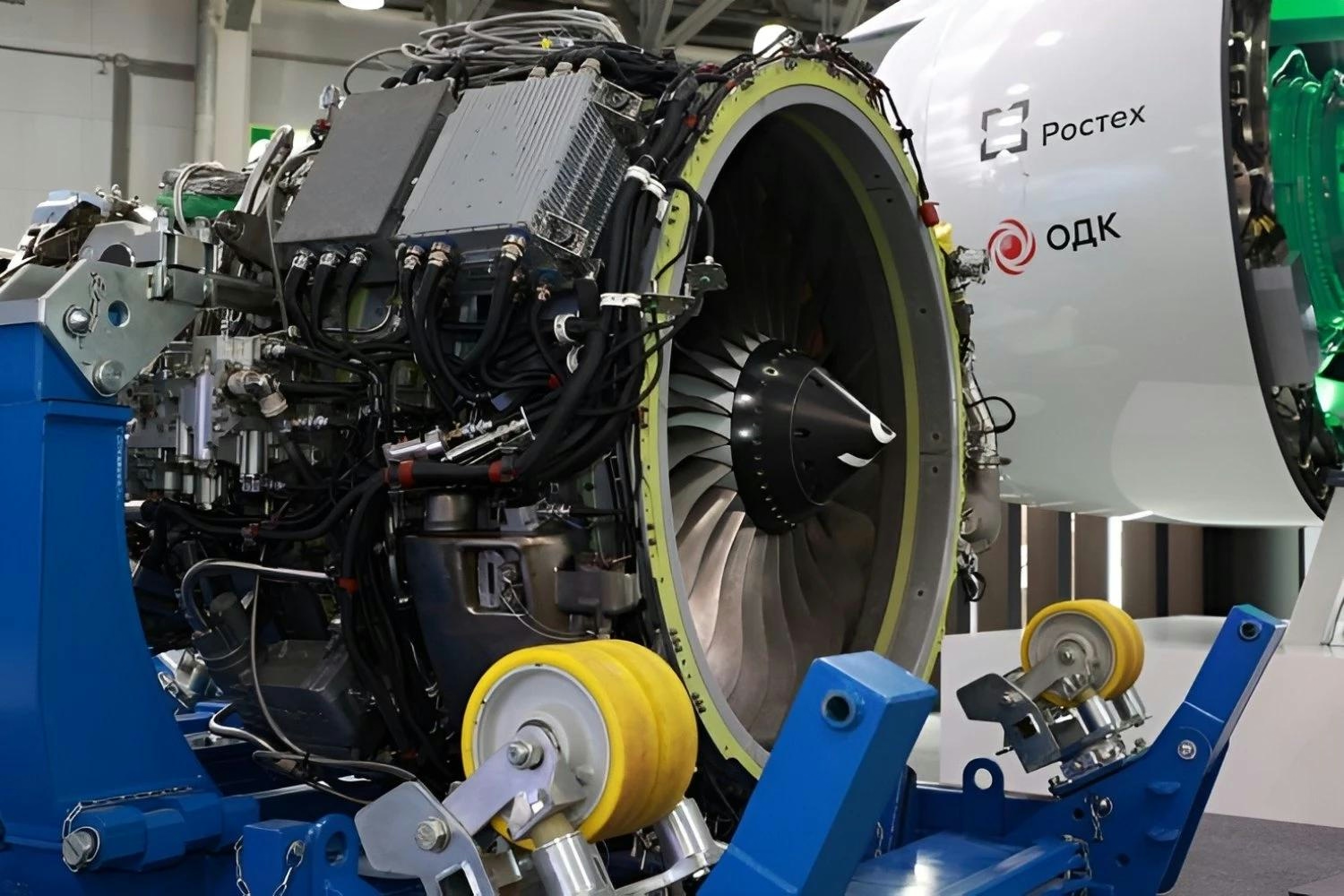
Russia Transports PD-8 Engine to India for International Certification

Kyrgyzstan to Adopt EMPIC GmbH Software for Flight Safety Oversight

Why Hawaiian Airlines Is Waiting Until 2028 To Add A Premium Economy Cabin To Its Airbus A330 Fleet

Engine Fault Causes Royal Navy Helicopter Crash Fatality

Joby Aviation Begins Texas Air Taxi Test Flights Amid Stock Decline

Iberia Receives Full Approval for Airbus A350 Heavy Maintenance

NetJets to Construct Terminal and Hangar at Dallas Love Field

Using AI in Aircraft Purchases

CIAM Unveils RPD-150T Engine to Replace Rotax 150 hp Model
