
Trasforma le intuizioni dell’IA in azioni concrete

Tendenze
Categories
Fall Protection for Aircraft Maintenance in Extreme Cold
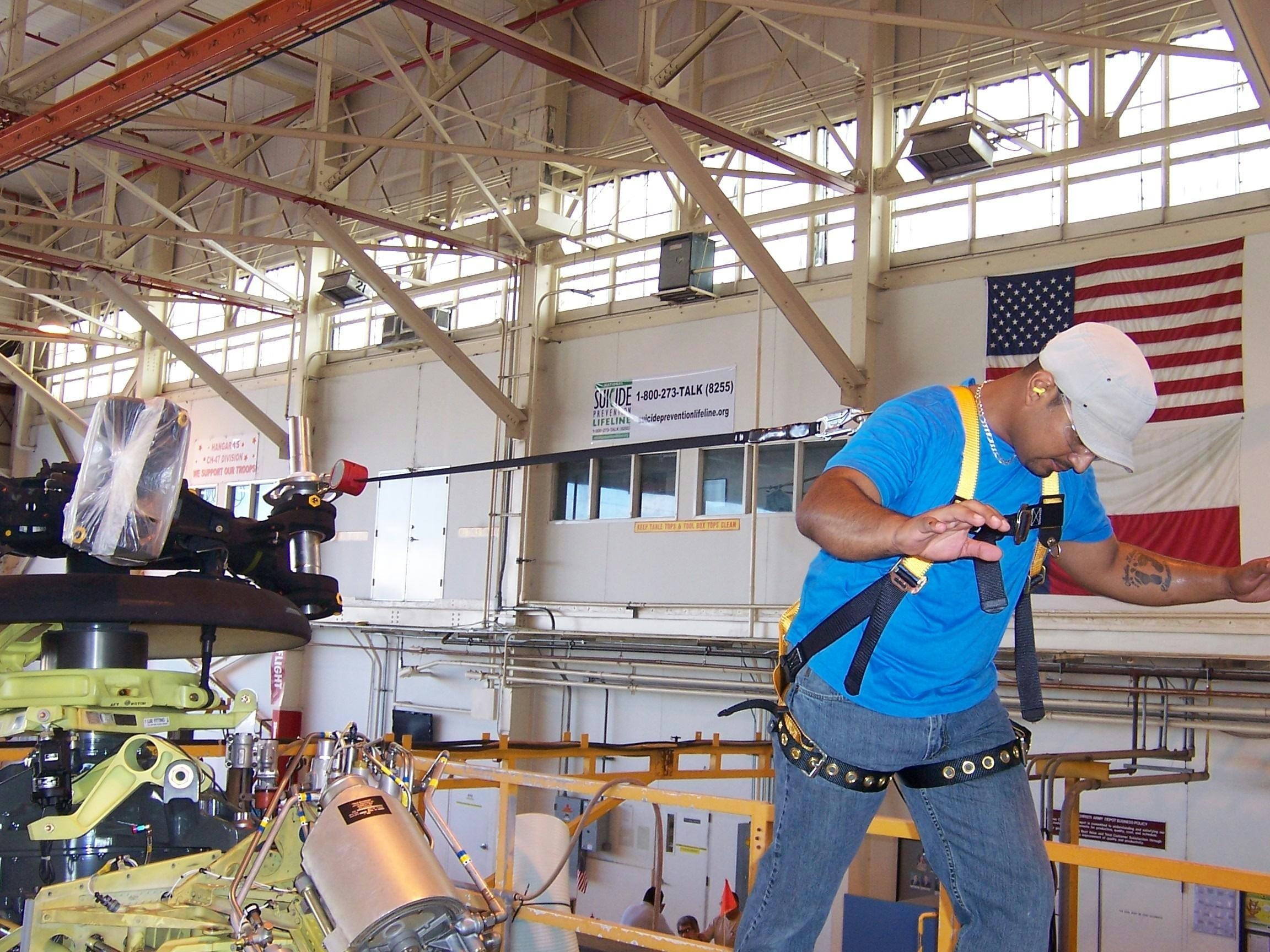
Fall Protection for Aircraft Maintenance in Extreme Cold
Falls remain a significant cause of workplace injuries and fatalities in the United States, with the U.S. Bureau of Labor Statistics (BLS) reporting approximately 450,000 fall-related injuries annually. Nearly 10% of these incidents are associated with snow, sleet, or icy conditions, underscoring the heightened risks during winter months. In aviation maintenance, repair, and overhaul (MRO) operations, the combination of cold temperatures and increased precipitation creates hazardous working environments. The Occupational Safety and Health Administration (OSHA) estimates that falls at the same level and to lower levels result in 800 to 1,000 worker deaths each year, emphasizing the critical need for effective fall protection strategies.
Winter-Specific Challenges in Aircraft Maintenance
Extreme cold weather presents unique challenges for fall protection in aircraft maintenance. Protective equipment must retain its durability and functionality despite freezing temperatures, while icy and slippery surfaces significantly increase the likelihood of slips and falls. Safety gear such as harnesses, lanyards, and anchor points are vulnerable to stiffening or material degradation in low temperatures, potentially compromising their effectiveness. Employers are therefore tasked with adapting both equipment and safety procedures to withstand winter conditions, ensuring that fall protection systems remain reliable and that workers are adequately safeguarded against the increased hazards posed by extreme cold.
Regulatory Framework and Industry Practices
Under OSHA’s General Industry standard 1910, employers are required to provide fall protection whenever employees face a fall risk of four feet or more. Acceptable protective measures include guardrails, safety netting, and personal fall protection systems. The selection of appropriate fall protection methods must consider the specific environmental challenges of winter weather, with employers bearing responsibility for implementing the most feasible and effective solutions to mitigate risks.
In response to these challenges, the safety equipment industry has seen a growing demand for specialized fall protection gear designed to perform in extreme cold. Innovations include harnesses and footwear with enhanced slip resistance, as well as insulated equipment that maintains flexibility and strength despite freezing temperatures. Advances in materials science have led to products that offer improved durability, weather resistance, and ergonomic design, balancing worker safety with comfort and mobility. However, the widespread adoption of these innovations depends on evolving regulatory standards and market conditions, which influence their availability and integration within the aviation maintenance sector.
Ensuring Year-Round Worker Safety
While structural fall prevention measures such as guardrails and secure maintenance platforms are fundamental, fall arrest systems remain a vital safeguard against fatal accidents. To maintain worker safety throughout the year, particularly during winter, aviation maintenance employers must prioritize comprehensive training that addresses cold-weather risks, ensure the selection and upkeep of winter-appropriate equipment, and implement rigorous safety procedures tailored to extreme conditions. By proactively confronting the challenges posed by cold environments, the aviation maintenance industry can reduce fall-related injuries and fatalities, fostering safer workplaces for all personnel.

Etihad Airways Suspends Airbus A380 Flights on Key Route

Aditya Birla Group Seeks Approval for Aircraft Leasing in GIFT City

Qatar Airways Highlights Innovation and Connectivity at Arabian Travel Market 2026

Hong Kong's Five-Year Plan Includes Andrew Fan's Aircraft Parts Processing Hub Proposal

ACIA Aero Leasing Delivers ATR72-600 to Air Nostrum

RTX Appoints Jill Albertelli as Head of Pratt & Whitney

TAT Technologies Joins Beyond Aero Hydrogen Aircraft Program

AURAK Study Highlights Barriers to Air Taxi Adoption in Emerging Economies

Xiamen Air Selects Altitude for 787 Maintenance at Heathrow

Etihad and Swissport Extend Global Partnership
