
Trasforma le intuizioni dell’IA in azioni concrete

Tendenze
Categories
Global Fuel Shortages and Rising Energy Costs Impact Multiple Countries Amid Geopolitical Tensions

Global Fuel Shortages and Rising Energy Costs Amid Geopolitical Tensions
A severe wave of fuel shortages and escalating energy costs is affecting major economies worldwide, including Russia, France, the United States, the United Kingdom, Germany, Vietnam, South Africa, and India. This crisis is unfolding against a backdrop of intensifying geopolitical tensions, refinery disruptions, and supply chain breakdowns. The resulting strain on global transport networks, aviation operations, and tourism sectors extends far beyond the immediate scarcity at fuel stations, revealing vulnerabilities in critical infrastructure and economic systems.
Disruptions in Supply Chains and Economic Impact
Repeated refinery outages, shipping bottlenecks, and volatile crude oil markets have destabilized fuel supply chains on a global scale. These factors have driven petrol and diesel prices sharply higher, squeezed aviation fuel margins, and increased operational costs for industries reliant on affordable energy. In many affected regions, the consequences are already evident through fuel rationing, transport delays, and rising expenses for airlines and tourism operators.
The International Air Transport Association (IATA) has issued warnings that surging fuel costs could reduce global airline profitability by half by 2026, with fuel expenses projected to increase by $100 billion. The outgoing IATA director general attributed the spike in oil and jet fuel prices to the fallout from the U.S.-Iran conflict, which has compounded challenges stemming from the Covid-19 pandemic and the ongoing war in Ukraine. These pressures are compelling airlines to reassess route viability and pricing strategies, while tourism-dependent economies face declining demand as travel becomes more costly and operationally constrained.
The energy crisis is also contributing to broader economic instability. In the United States, rising input costs are driving higher food inflation, with RaboResearch highlighting the elevated inflation risk posed by geopolitical and energy market dynamics across the food system. In Asia, share markets have declined amid fresh drone attacks in the Gulf, which have pushed oil prices and bond yields upward. Analysts caution that if the Strait of Hormuz remains closed through the end of the year and oil prices sustain levels near $150 per barrel into 2027, the likelihood of a global recession will increase significantly.
Global oil inventories are under mounting pressure as well. UBS estimates that stocks fell to approximately 7.8 billion barrels by the end of April and could approach a historic low of 7.6 billion barrels by the end of May. This tightening of supply is expected to intensify the fuel crunch and exacerbate price volatility.
Russia’s Refinery Disruptions and Regional Fuel Stress
Russia is experiencing some of the most acute internal disruptions, with fuel shortages reported across more than 50 regions and occupied territories. Authorities have responded by implementing regional rationing and temporary limits on fuel purchases. These measures come amid refinery damage and logistical challenges that have worsened uneven fuel availability, particularly between western regions and other parts of the country.
A Deepening and Interconnected Global Crisis
What initially appeared as localized disruptions has evolved into a deeply interconnected global energy crisis. The convergence of refinery interruptions, geopolitical tensions, infrastructure vulnerabilities, and unpredictable crude oil flows is fundamentally reshaping how nations manage mobility, transport goods, and sustain economic growth. As energy security becomes increasingly fragile, countries and industries worldwide are being compelled to adapt to a new era marked by persistent fuel stress and economic uncertainty.

Embraer E195-E2 Features Distinctive Engine Placement Among Regional Jets

What Passengers Can Expect on Boeing’s New 777X Jet

Joby Aviation Extends Autonomous Flight Capabilities with Cross-Country Tour

Strengthening Europe's Aviation Supply Chain Amid Uncertainty
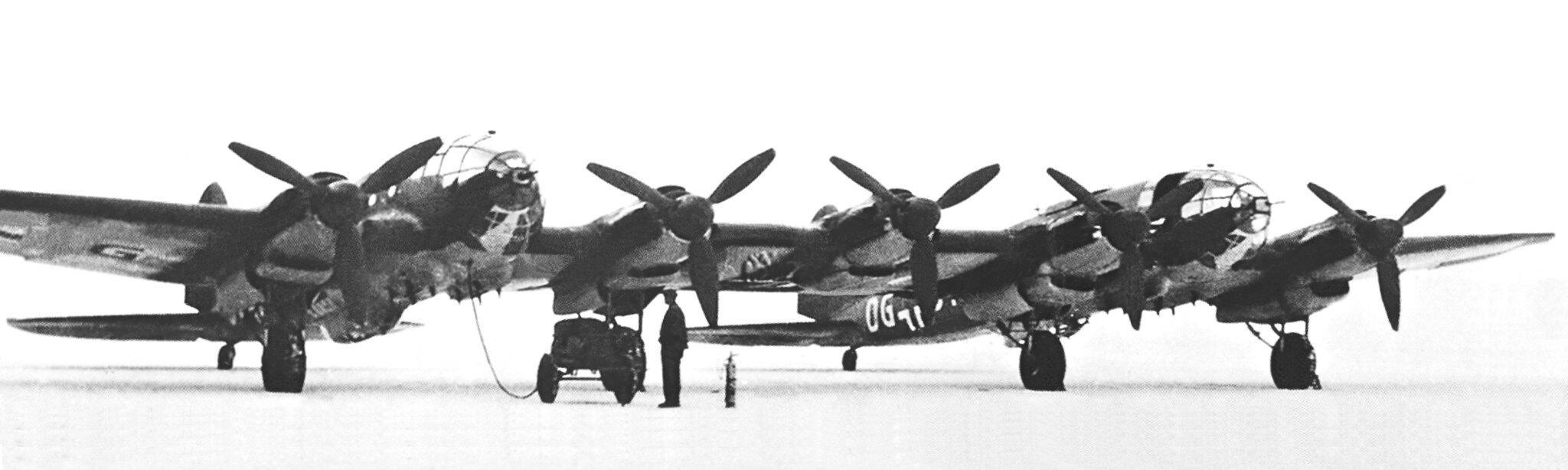
He 111Z Zwilling: Twin Fuselages, Five Engines, One Pilot

Monacair Plans Electric Air Taxi Service Between Monaco and Nice by 2029

Somalia’s Starsky Aviation Plans International Expansion

Precision and Care Essential in Aerospace Coating Applications

Drukair Chooses LEAP Engines for Five Airbus Aircraft
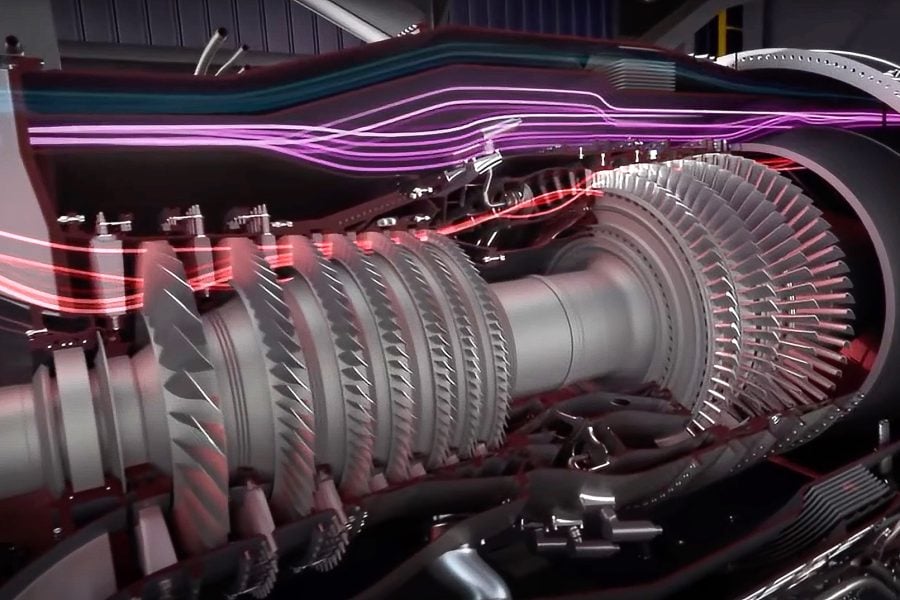
GE Aerospace Advances XA102 Adaptive Cycle Engine Toward Assembly for U.S. Air Force Combat Aircraft
