
Trasforma le intuizioni dell’IA in azioni concrete

Tendenze
Categories
How Technology, Premium Cabins, and Sustainability Are Transforming Air Travel
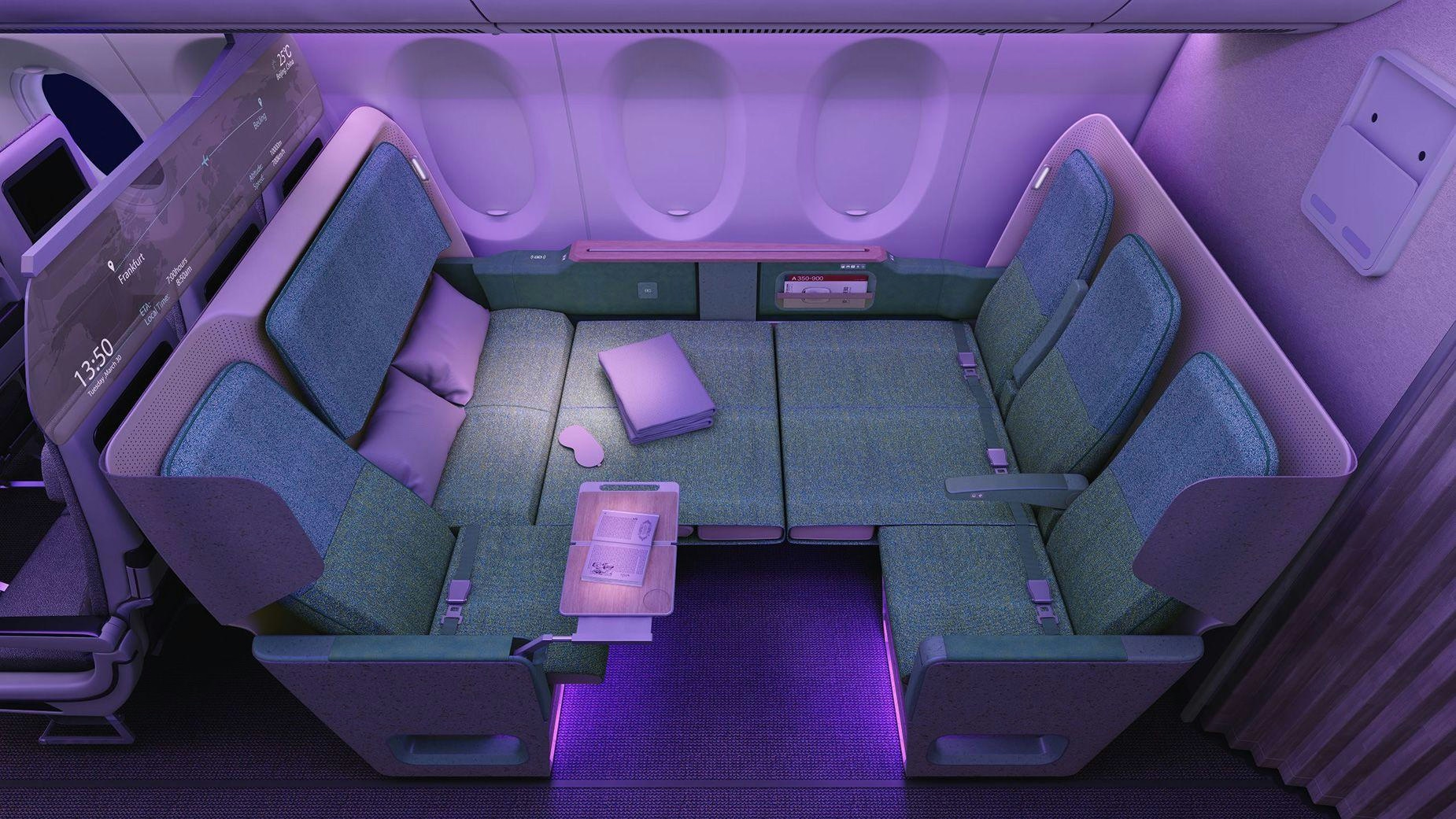
How Technology, Premium Cabins, and Sustainability Are Transforming Air Travel
Global aviation is experiencing a significant transformation driven by rapid technological advancements, shifting passenger expectations, and increasing sustainability demands. Airlines are moving beyond traditional competition based solely on routes and pricing, instead investing heavily in intelligent cabin designs, AI-powered systems, and enhanced premium onboard experiences to attract and retain customers. As global passenger traffic continues to grow, the industry faces both remarkable opportunities and complex challenges.
Technology at the Core of Modern Aviation
Today’s airlines are evolving into technology-centric enterprises, utilizing artificial intelligence, predictive analytics, and automation to optimize operations and improve the customer experience. AI plays a pivotal role in areas such as flight scheduling, fuel efficiency, dynamic pricing, predictive maintenance, automated customer service, and personalized marketing offers. These technological innovations extend beyond operational back-ends, delivering tangible benefits to passengers. Features like real-time baggage tracking, biometric boarding, app-based airport navigation, and expedited rebooking systems are becoming standard, enabling a more connected and seamless journey from booking to arrival.
Airports are also embracing digital transformation to manage increasing passenger volumes and enhance operational efficiency. Investments in facial recognition, contactless security screening, automated passport control, and AI-driven crowd management are helping to reduce congestion and streamline passenger flows. Major international hubs are already testing highly automated processes that minimize wait times and improve reliability. As airports become smarter, travelers spend less time in queues and more time enjoying lounges, retail outlets, and personalized services, contributing to higher satisfaction levels, particularly among premium travelers.
The Rise—and Challenge—of Premium Air Travel
Premium cabins have emerged as one of the most lucrative segments within the aviation industry, with airlines focusing heavily on attracting high-yield passengers. Significant investments in premium economy, business-class suites, exclusive lounges, high-speed Wi-Fi, and wellness-oriented seating are redefining the onboard experience. For instance, United Airlines has placed premium upgrades and customer experience at the core of its long-term strategy. Market responses have been favorable, with increased satisfaction reported in first and business class as airlines introduce new routes, lounges, and spacious suites. Premium economy, in particular, is experiencing rapid growth by offering enhanced comfort at a price point below business class.
Nevertheless, this emphasis on premium travel presents notable challenges, especially in the context of sustainability. Environmental concerns are intensifying, particularly among younger generations such as Gen X, who face greater financial constraints compared to Boomers. While the industry is advancing efficiency and accessibility through new materials and technologies, the environmental impact of expanding premium cabins remains under scrutiny. Airlines continue to promote innovations like Bluetooth connectivity, wireless charging, and mood lighting, but the long-term sustainability and viability of these investments are uncertain amid evolving market dynamics and regulatory pressures.
The Road Ahead
As competition intensifies, airlines are responding with their own investments in technology and premium offerings, fueling a race to shape the future of air travel. Balancing profitability, passenger experience, and environmental responsibility remains a complex task. The ongoing transformation of the aviation industry will favor those capable of rapidly adapting to deliver innovation, comfort, and sustainability in equal measure.

Etihad Airways Suspends Airbus A380 Flights on Key Route

Aditya Birla Group Seeks Approval for Aircraft Leasing in GIFT City

Qatar Airways Highlights Innovation and Connectivity at Arabian Travel Market 2026

Hong Kong's Five-Year Plan Includes Andrew Fan's Aircraft Parts Processing Hub Proposal

ACIA Aero Leasing Delivers ATR72-600 to Air Nostrum

RTX Appoints Jill Albertelli as Head of Pratt & Whitney

TAT Technologies Joins Beyond Aero Hydrogen Aircraft Program

AURAK Study Highlights Barriers to Air Taxi Adoption in Emerging Economies

Xiamen Air Selects Altitude for 787 Maintenance at Heathrow

Etihad and Swissport Extend Global Partnership
