
Trasforma le intuizioni dell’IA in azioni concrete

Tendenze
Categories
Hydrogen Engines: The Cryogenic Future of Aviation
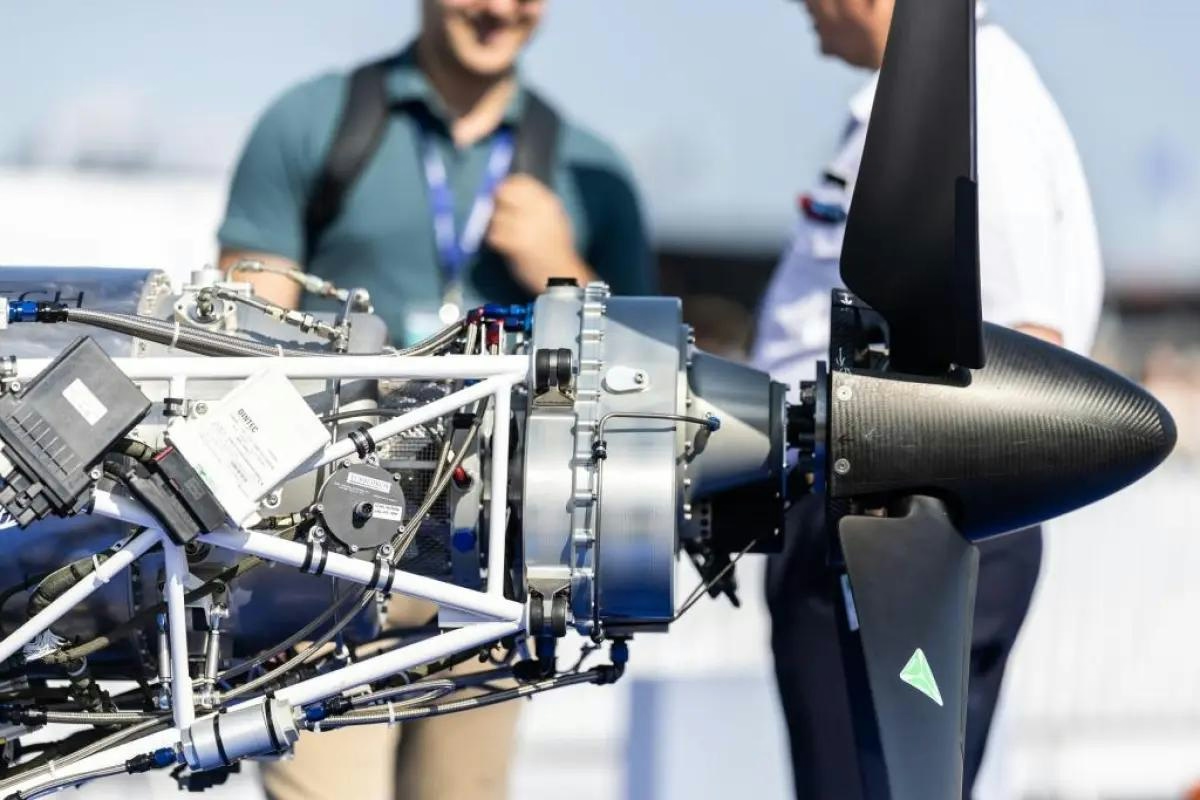
Hydrogen Engines: The Cryogenic Future of Aviation
The implementation of hydrogen engines is increasingly recognized as a promising avenue for decarbonizing commercial aviation. Hydrogen’s potential to enable zero carbon dioxide emissions during flight positions it as a pivotal technology in the industry’s pursuit of sustainability. However, transitioning to hydrogen-powered aircraft presents significant challenges, particularly in the realms of cryogenic storage, operational safety, structural integration, and the stringent requirements of aeronautical certification.
Technical and Engineering Challenges
For engineers, the objective extends beyond simply enabling flight powered by hydrogen; the technology must also meet rigorous standards of safety, reliability, and certifiability. Central to these challenges is the management of cryogenics. Hydrogen propulsion in aviation primarily takes two forms: direct combustion in turbines or electrochemical conversion via fuel cells. Both approaches are technically viable, yet their development and maturity vary depending on the aircraft type, mission profile, and operational scale.
Direct combustion leverages familiar propulsion principles but introduces complexities such as maintaining flame stability, controlling combustion temperatures, and managing nitrogen oxide (NOx) emissions. Fuel cells, on the other hand, are particularly suited for regional or auxiliary aircraft, though they impose strict demands on electrical, thermal, and weight management systems. Rather than serving as a simple retrofit of existing engines, hydrogen propulsion represents a fundamentally new architecture with distinct risks and operational requirements.
Cryogenic Storage and Thermal Management
The practical solution for onboard hydrogen storage is to maintain it in liquid form, as compressed hydrogen gas would require volumes too large for commercial aircraft. Liquid hydrogen must be stored at approximately -253°C, necessitating highly insulated tanks and advanced containment systems to minimize heat ingress. NASA has long identified critical storage challenges, including the high volumetric demand of liquid hydrogen, hydrogen permeation through materials, and the embrittlement of certain metals. The fuel must remain at cryogenic temperatures within structures capable of withstanding the mechanical stresses of flight, maintenance procedures, and repeated thermal cycling.
Cryogenic tanks designed for aviation must strike a balance between insulation efficiency, weight, durability, and structural compatibility. Airbus, for instance, is developing double-wall tanks featuring vacuum and multilayer insulation to reduce heat transfer, though these solutions add complexity to integration and maintenance processes. NASA emphasizes that tank geometry, material selection, and insulation strategies are vital to minimizing thermal losses and ensuring system viability. Effective thermal management extends beyond preventing heat gain; it also involves controlling hydrogen boil-off, managing internal pressure, and ensuring stable fuel delivery to the propulsion system.
Industry Outlook and Infrastructure Considerations
Beyond the technical obstacles, the widespread adoption of hydrogen engines will require substantial infrastructure development for hydrogen production, storage, and refueling. Market responses remain mixed: while some stakeholders express optimism about hydrogen’s long-term sustainability benefits, others remain cautious due to current technological limitations and the high costs involved. Leading industry players such as Rolls-Royce, Airbus, and Pratt & Whitney are investing heavily in hydrogen propulsion research, forging partnerships, and launching new ventures to establish leadership in this emerging sector. As the aviation industry confronts these challenges, the cryogenic future of hydrogen-powered flight continues to take shape through ongoing innovation and collaboration.

Etihad and Swissport Extend Global Partnership
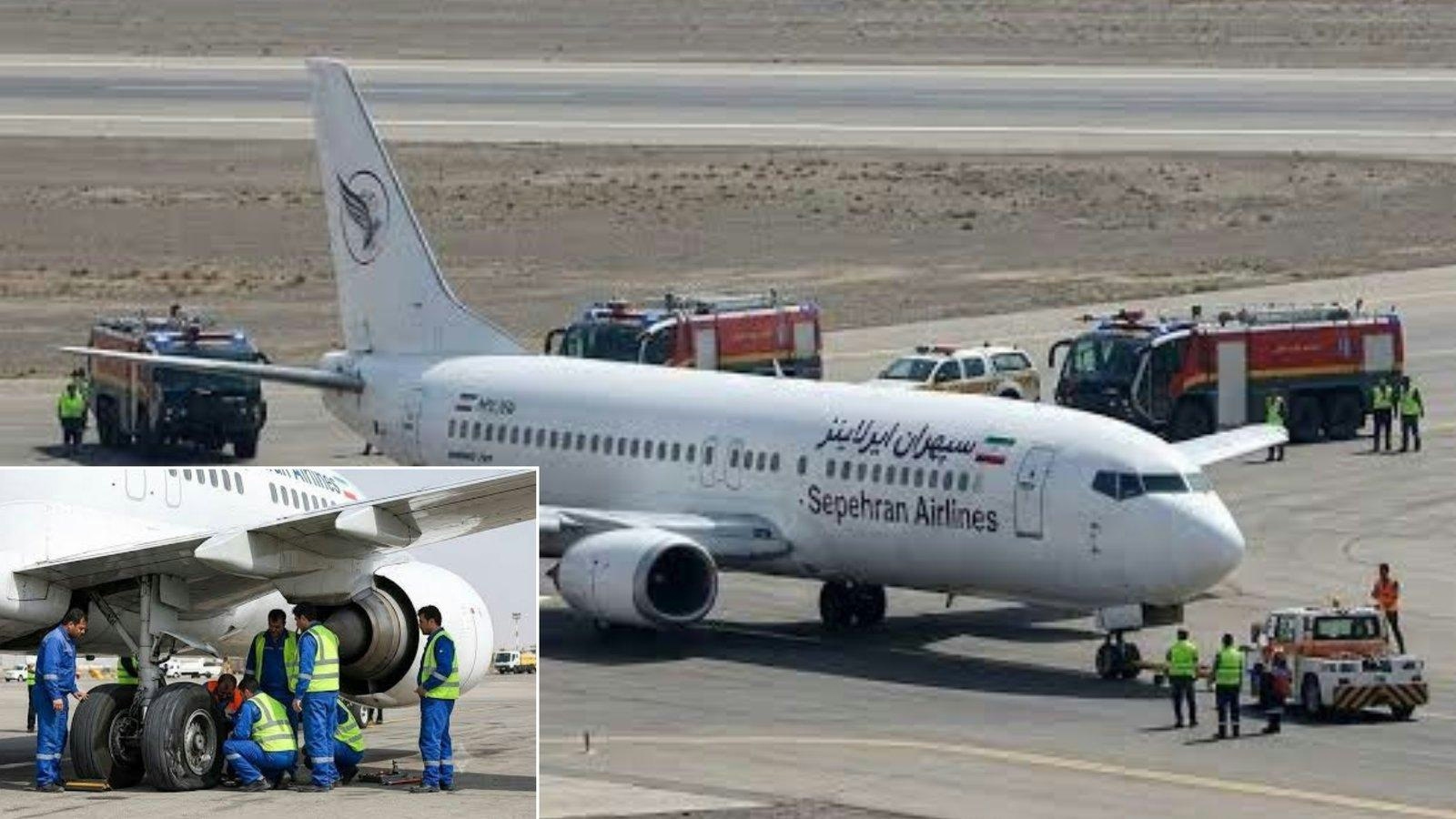
Sepehran Airlines B737 Returns to Mashhad After Tyre and Engine Issues

Etihad Deploys Widebody Fleet to Meet Strong Demand

Korean Air Finalizes $36.2 Billion Deal with Boeing

Australia’s RFDS Queensland Section Orders Six King Air 260Cs

Korean Air Finalizes Order for 103 Boeing Jets and Engines
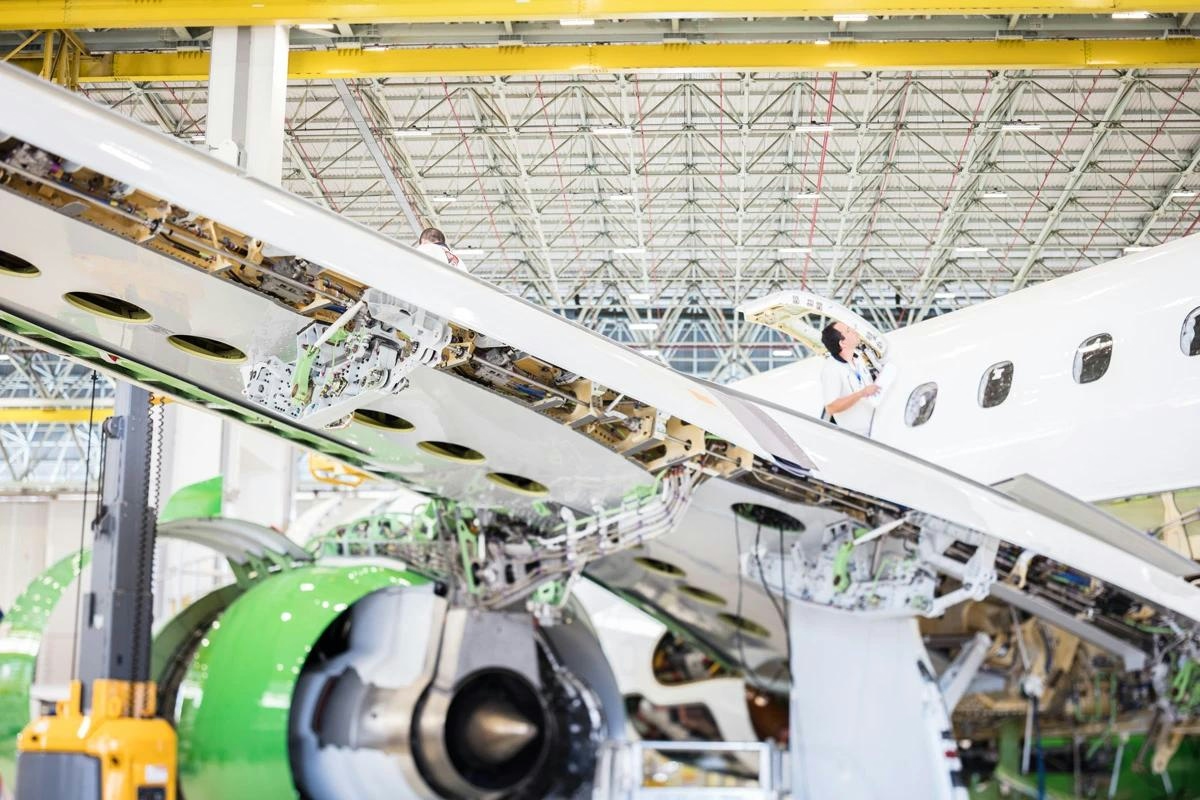
Embraer E195-E2 Features Distinctive Engine Placement Among Regional Jets

What Passengers Can Expect on Boeing’s New 777X Jet

How Ethiopian Airlines Became Africa’s Leading Carrier Amid Gulf Competition

Joby Aviation Extends Autonomous Flight Capabilities with Cross-Country Tour
