
Trasforma le intuizioni dell’IA in azioni concrete

Tendenze
Categories
Kemerovo Engineer Develops Airship Powered by Rocket Engines with Electronic Warfare Capabilities
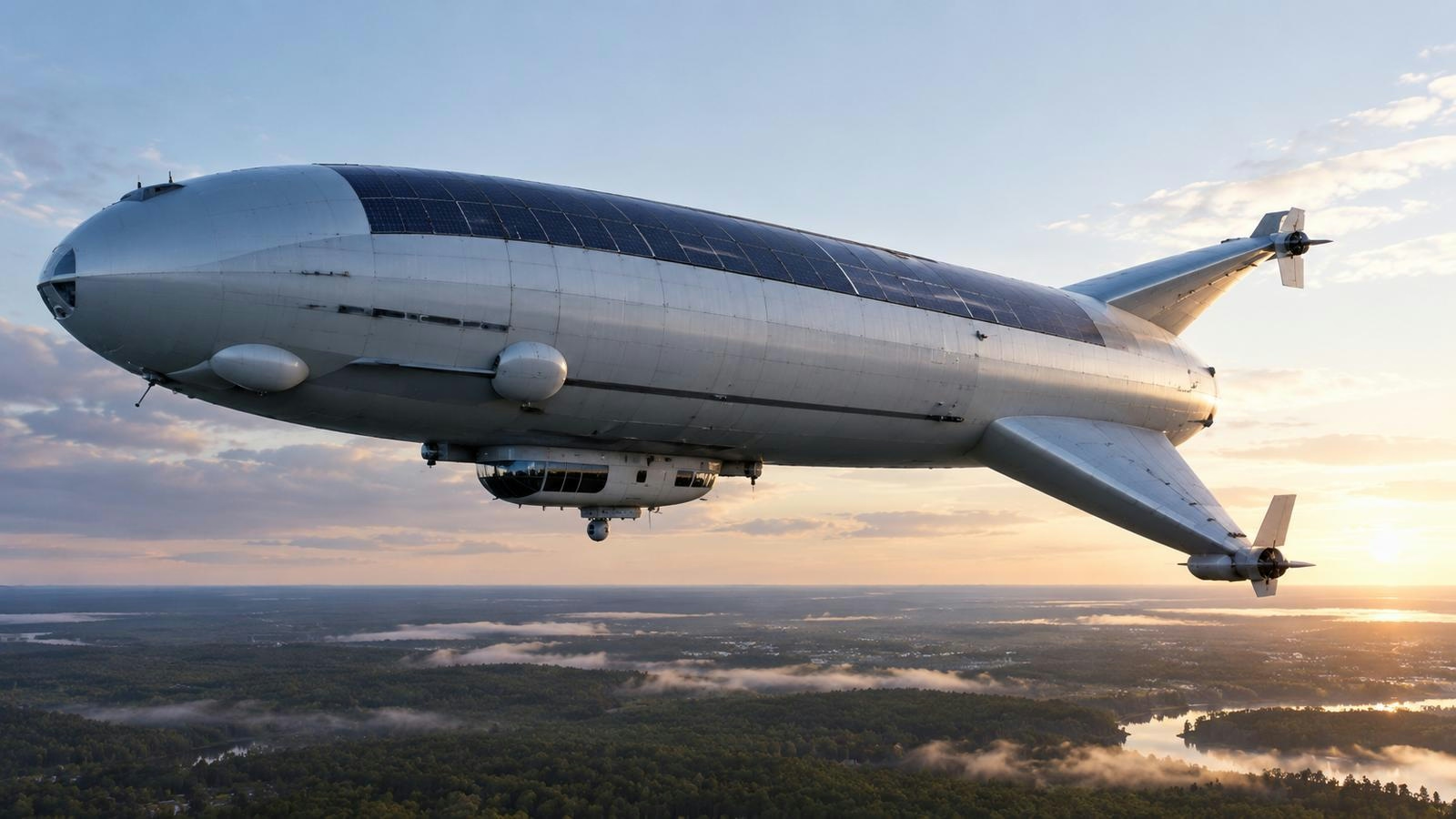
Kemerovo Engineer Develops Rocket-Powered Airship with Electronic Warfare Capabilities
Innovative Design Merges Aerostat and Aircraft Technologies
Sergey Zubov, an engineer based in Kemerovo, has unveiled a pioneering concept for an unmanned airship named BUMERAD. This design integrates the traditional features of an aerostat with the dynamic control of an aircraft. Central to the airship’s structure is a rigid frame shaped like a forward-swept wing, supporting a two-section main balloon equipped with controllable ballonnets to enhance lift and maneuverability. At the extremities of the balloon, rocket micro-engines are installed to provide active steering capabilities.
The BUMERAD’s power system relies on batteries supplemented by solar panels embedded in the balloon’s surface. A distinctive feature of the gondola is a miniaturized water electrolyzer designed to produce hydrogen onboard. The airship is intended to carry communication devices, collect meteorological and geophysical data, and function as a signal repeater. Certain configurations also allow for the integration of electronic warfare (EW) systems and armaments, positioning BUMERAD as a versatile platform with potential applications in both civilian and military sectors.
Safety Concerns and Operational Challenges
Despite its innovative approach, the BUMERAD concept raises significant safety and operational concerns. The editorial board of Pervy Tekhnichesky has highlighted the inherent risks of combining an onboard hydrogen-producing electrolyzer with pulsed rocket micro-engines, warning that this arrangement creates a substantial explosion hazard. The comparison to a "flying powder keg" evokes memories of the Hindenburg disaster, underscoring the potential dangers involved. Additionally, the large surface area typical of airships inherently limits agility, casting doubt on the feasibility of employing BUMERAD as a nimble attack platform despite its forward-swept wing design.
Beyond these technical issues, the project faces broader challenges related to cost and market viability. The integration of rocket propulsion and advanced electronic warfare capabilities is expected to significantly increase both development and operational expenses. This financial burden may deter potential investors wary of the associated risks. While some industry observers recognize the promise of BUMERAD’s unique features, market reactions have been mixed. Meanwhile, international competitors, particularly in Japan and Ukraine—where investment in electronic warfare technologies is accelerating—may respond by expediting similar developments.
Context Within Russia’s Aerospace Sector
The timing of BUMERAD’s development coincides with delays in Russia’s wider aerospace initiatives, notably the postponed introduction of reusable rocket launches now scheduled for 2031. This setback could affect the availability and advancement of propulsion technologies critical to projects like BUMERAD, further complicating its path toward operational deployment.
As Zubov’s concept attracts attention, its future will depend on overcoming substantial technical and economic obstacles while navigating an increasingly competitive and rapidly evolving aerospace environment.

Etihad and Swissport Extend Global Partnership
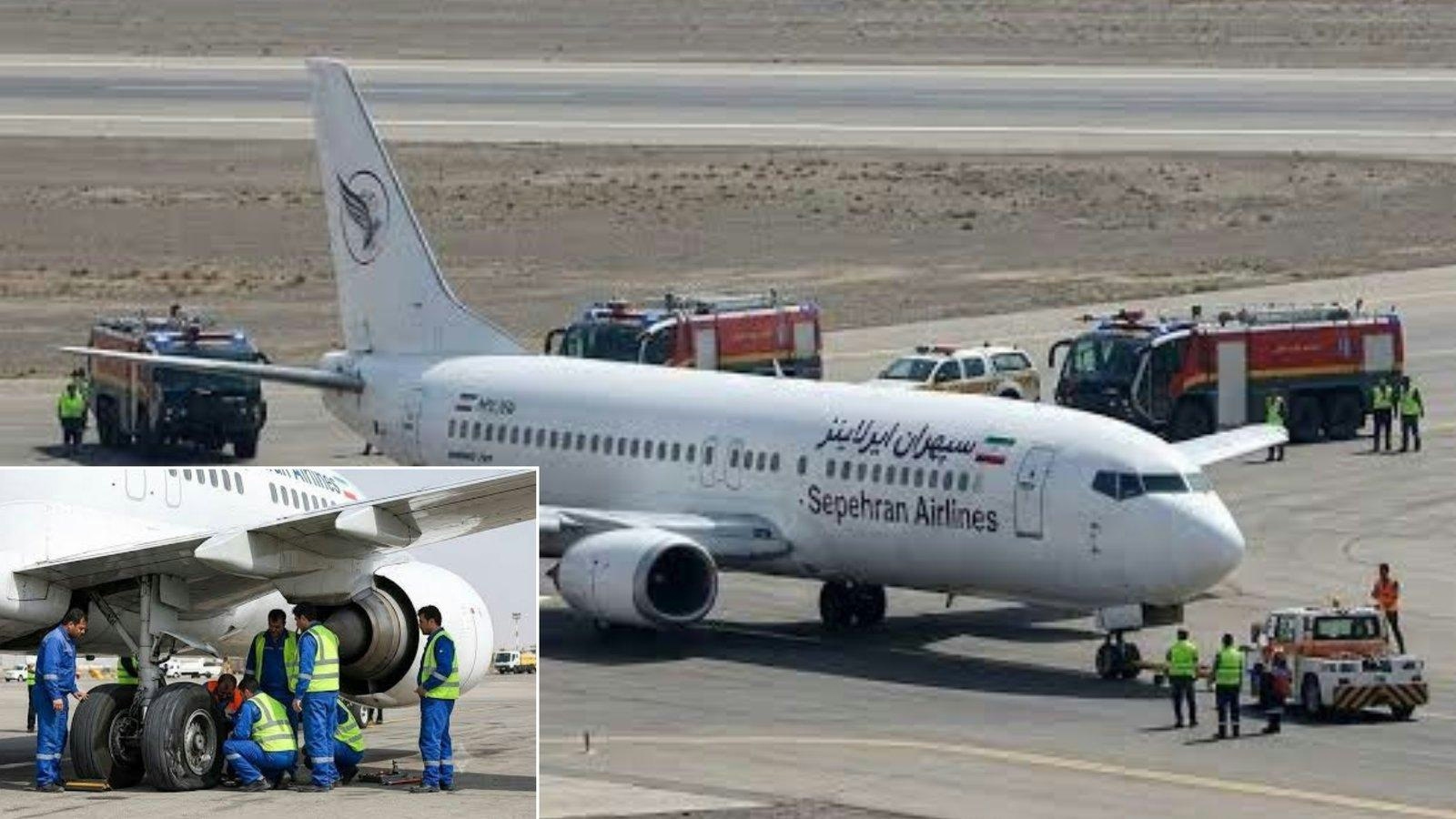
Sepehran Airlines B737 Returns to Mashhad After Tyre and Engine Issues

Etihad Deploys Widebody Fleet to Meet Strong Demand

Korean Air Finalizes $36.2 Billion Deal with Boeing

Australia’s RFDS Queensland Section Orders Six King Air 260Cs

Korean Air Finalizes Order for 103 Boeing Jets and Engines
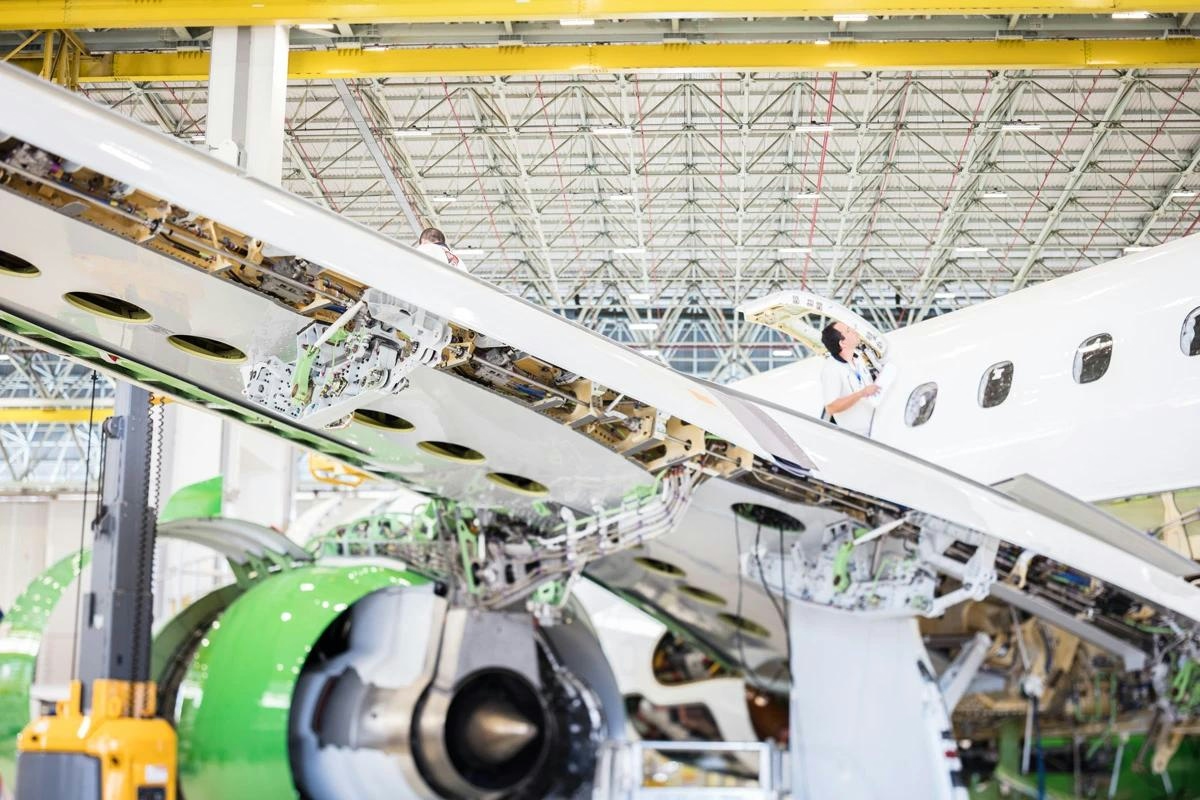
Embraer E195-E2 Features Distinctive Engine Placement Among Regional Jets

What Passengers Can Expect on Boeing’s New 777X Jet

How Ethiopian Airlines Became Africa’s Leading Carrier Amid Gulf Competition
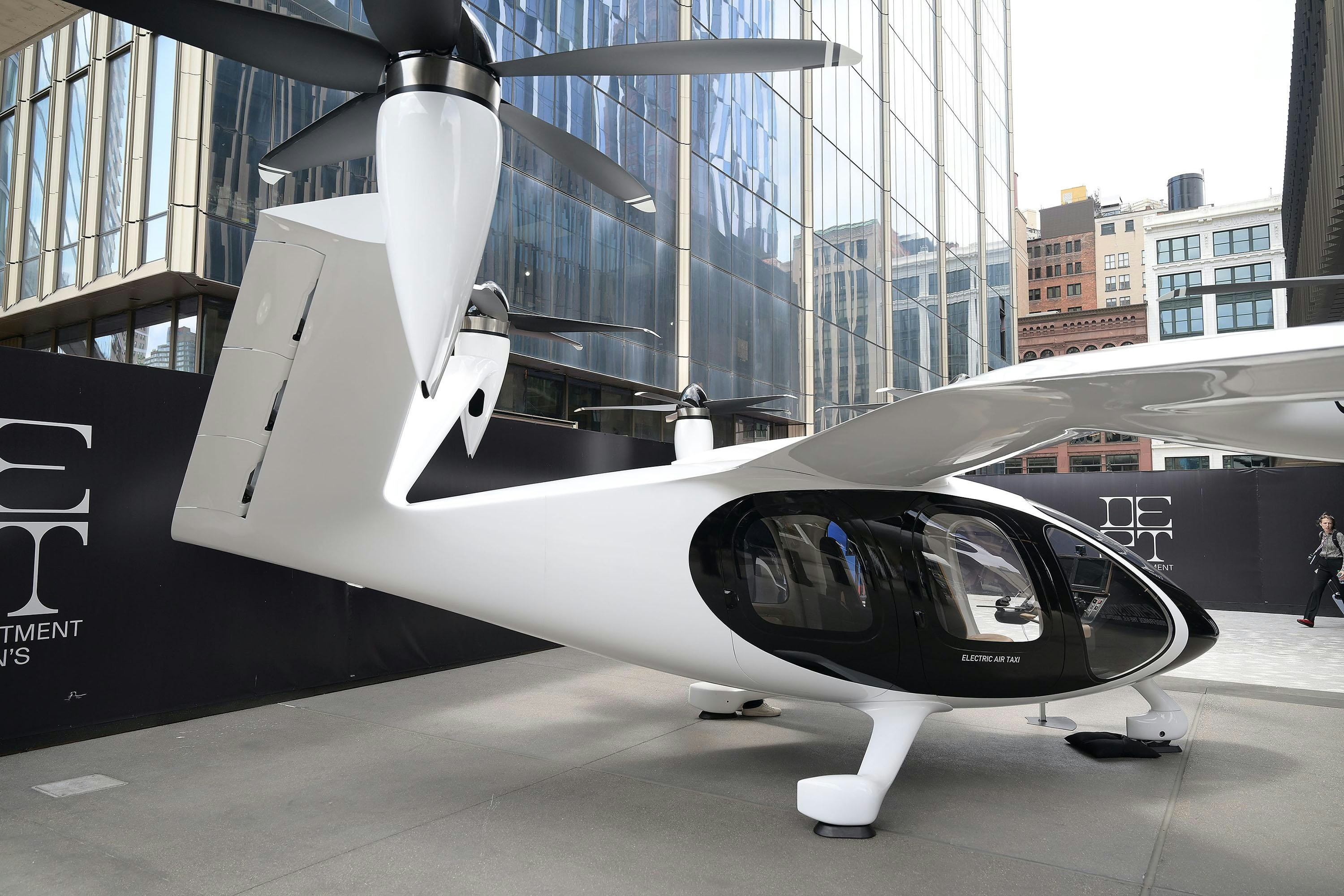
Joby Aviation Extends Autonomous Flight Capabilities with Cross-Country Tour
