
Trasforma le intuizioni dell’IA in azioni concrete

Tendenze
Categories
KLM Boeing 737 diverts to Denmark after engine failure and cabin smoke
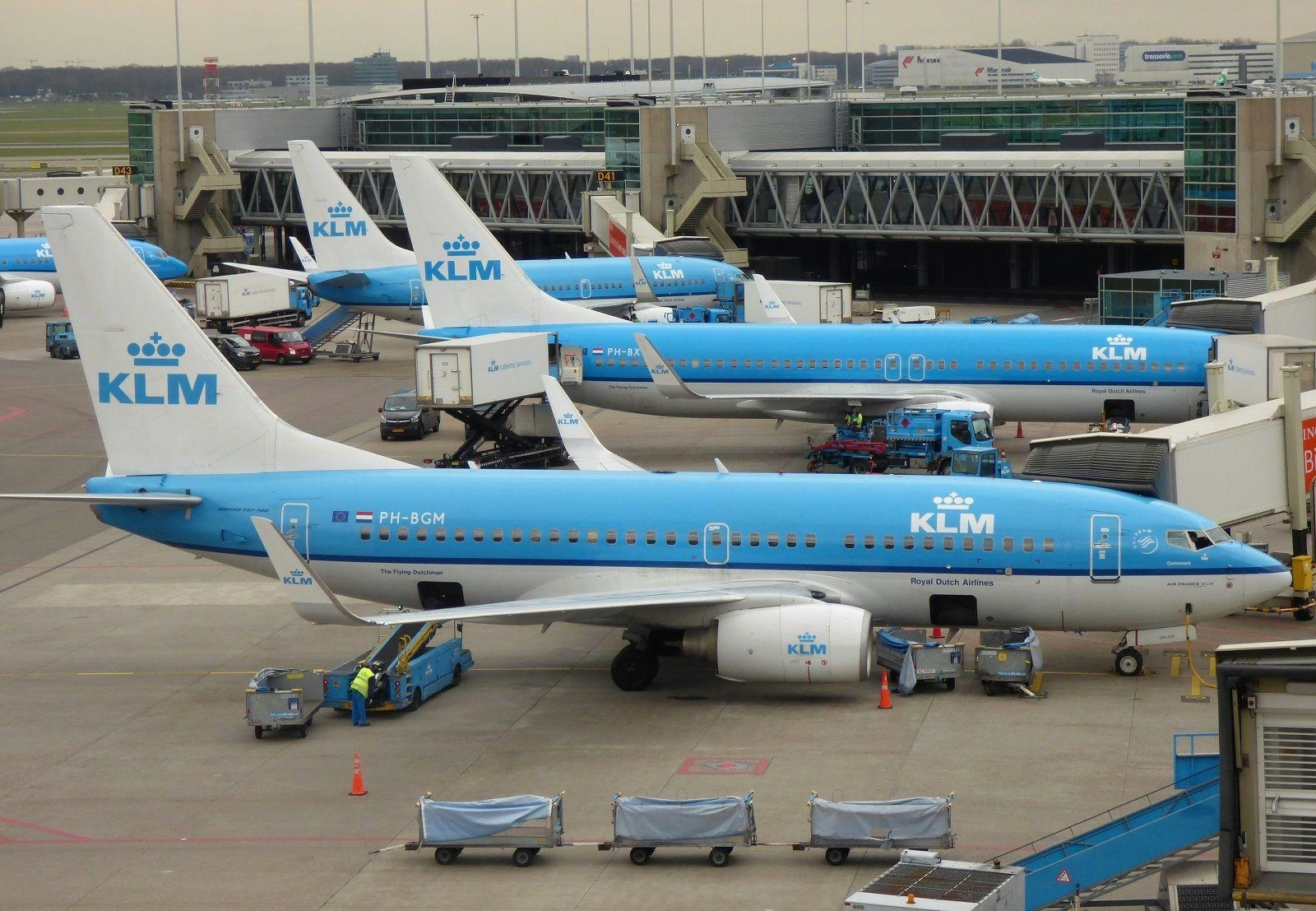
KLM Boeing 737 Diverts to Denmark Following Engine Failure and Cabin Smoke Incident
A KLM Boeing 737-800, operating flight KL1164 from Bergen to Amsterdam, was compelled to make an emergency diversion to Billund Airport in Denmark on Friday after experiencing a serious in-flight engine malfunction. The aircraft, registered PH-BXY, encountered two loud explosions from its right engine shortly after cabin service commenced. Passengers reported a strong smell of burnt electronics and visible smoke entering the cabin, causing considerable alarm among those onboard.
Incident Details and Response
Passengers described seeing black smoke billowing from the right engine, while the cabin crew swiftly prepared emergency equipment amid rising tension. The flight crew received a low oil pressure warning and, adhering to established safety protocols, promptly shut down the affected engine. The aircraft continued its journey on a single engine and landed safely at Billund without further incident. Authorities confirmed that no injuries were sustained during the event.
Preliminary investigations indicate that internal engine components may have become dislodged, resulting in significant mechanical damage. KLM has acknowledged the incident and stated that a thorough investigation is underway, refraining from speculation regarding the cause. The airline has arranged for a replacement aircraft to transport passengers to their final destination and is providing assistance including overnight accommodation and rebooking options where necessary.
Industry Context and Safety Measures
This incident occurs amid heightened scrutiny of Boeing’s production quality, following recent high-profile events such as a midair panel blowout. Boeing has responded by increasing its 737 production rate from 42 to 47 jets per month, with plans to further raise output to 52 per month early next year. These developments have prompted airlines and regulatory bodies to re-evaluate safety protocols and pilot training standards.
In light of similar occurrences involving cabin smoke, the National Transportation Safety Board (NTSB) has recommended enhanced pilot training focused on managing cockpit smoke emergencies. GE Aerospace, a key engine supplier, has introduced a software update designed to mitigate the risk of cabin smoke events. Additionally, some airlines are sharing incident data to foster more realistic and effective cockpit-smoke training scenarios for flight crews.
As investigations proceed, the KLM incident underscores ongoing challenges in aviation safety, highlighting the critical importance of rigorous pilot training and sustained vigilance in aircraft manufacturing and maintenance practices.

Etihad Airways Suspends Airbus A380 Flights on Key Route

Aditya Birla Group Seeks Approval for Aircraft Leasing in GIFT City

Qatar Airways Highlights Innovation and Connectivity at Arabian Travel Market 2026

Hong Kong's Five-Year Plan Includes Andrew Fan's Aircraft Parts Processing Hub Proposal

ACIA Aero Leasing Delivers ATR72-600 to Air Nostrum

RTX Appoints Jill Albertelli as Head of Pratt & Whitney

TAT Technologies Joins Beyond Aero Hydrogen Aircraft Program

AURAK Study Highlights Barriers to Air Taxi Adoption in Emerging Economies

Xiamen Air Selects Altitude for 787 Maintenance at Heathrow

Etihad and Swissport Extend Global Partnership
