
Trasforma le intuizioni dell’IA in azioni concrete

Tendenze
Categories
Lufthansa Uses Boeing 787 as Flying Laboratory to Test Next-Generation Technologies
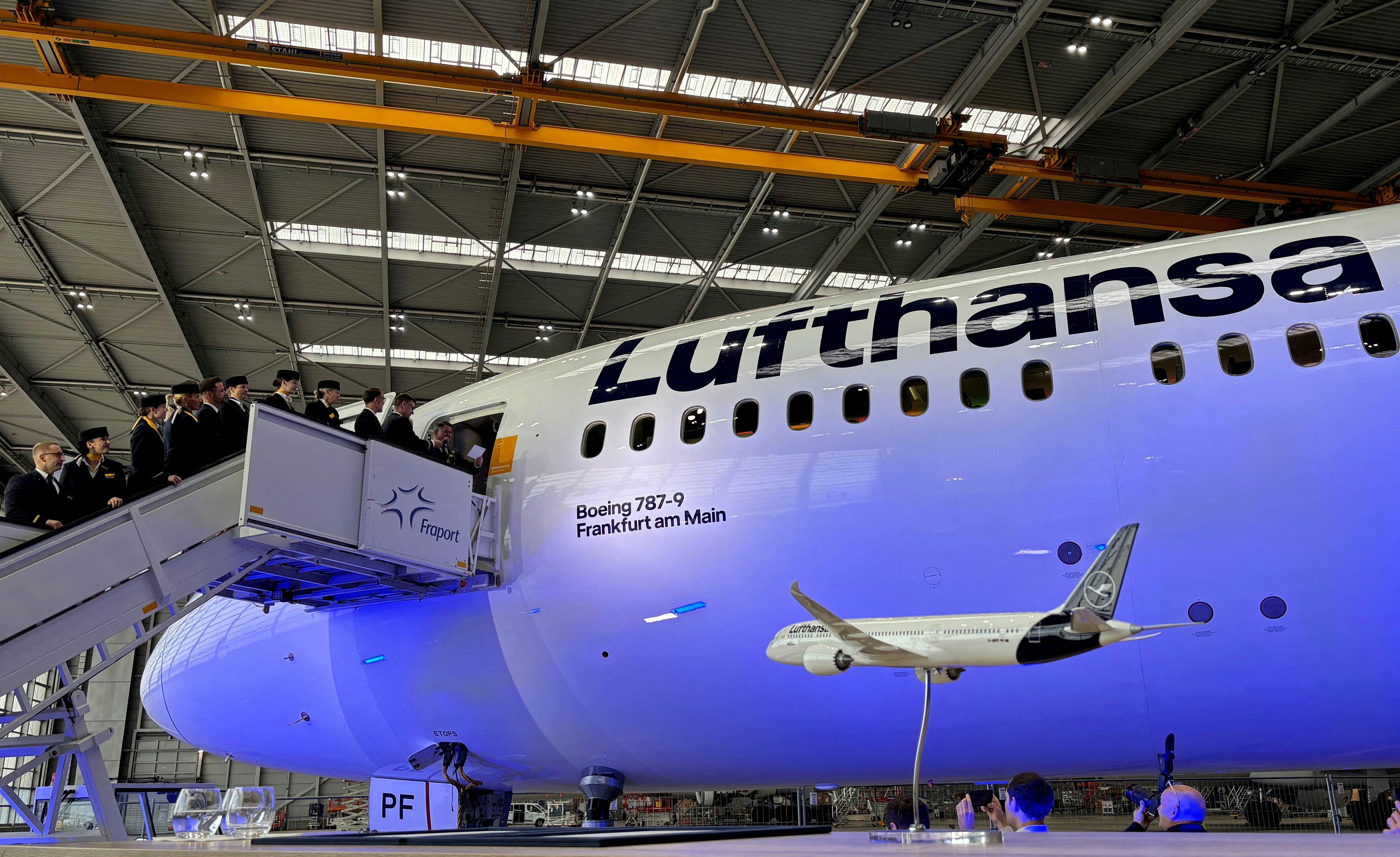
Lufthansa Deploys Boeing 787 as Flying Laboratory for Next-Generation Aviation Technologies
Lufthansa has embarked on an ambitious initiative to transform one of its Boeing 787 aircraft into a flying laboratory dedicated to testing and developing next-generation aviation technologies. This move underscores the German carrier’s commitment to innovation and sustainability, positioning it at the forefront of efforts to create greener and more efficient air travel amid increasing industry pressure to reduce emissions and modernize fleets.
Advancing Innovation Amid Industry Challenges
Equipped with advanced sensors and experimental systems, the Boeing 787 will serve as a platform for evaluating new materials, propulsion methods, and digital solutions. Lufthansa’s program aligns with a broader trend among major European airlines, which are pooling resources and investing heavily in research to remain competitive in a rapidly evolving market. However, the initiative faces significant challenges, including rising operating costs and ongoing geopolitical uncertainties that could complicate the deployment of new technologies. The consolidation trend within the airline industry highlights the financial pressures carriers endure, with stakeholders closely monitoring how such investments will affect Lufthansa’s financial performance.
Market responses to Lufthansa’s flying laboratory have been varied. Environmental advocates and some investors have praised the airline’s proactive approach to sustainability, while others have expressed concern over the substantial financial commitments required for experimental programs of this nature. Striking a balance between innovation and fiscal responsibility remains a delicate task, particularly as airlines continue to recover from the disruptions caused by recent global events.
Competitive Landscape and Operational Considerations
Lufthansa’s initiative has prompted reactions from competitors, some of whom are exploring similar testing programs, while others focus on leveraging their existing technological advancements to maintain a competitive edge. The race to adopt and commercialize next-generation aviation technologies is intensifying, with airlines seeking to differentiate themselves in an increasingly crowded market.
Operational reliability remains a critical concern for Lufthansa. The airline recently faced scrutiny following an incident involving a missing nose-gear locking pin during maintenance, raising questions about safety protocols and potentially affecting market perception. As Lufthansa advances its flying laboratory program, maintaining rigorous safety standards will be essential to preserving stakeholder confidence.
Despite these uncertainties, Lufthansa’s use of the Boeing 787 as a testbed for innovation signals a clear commitment to shaping the future of air travel. The outcome of this initiative could influence industry standards and accelerate the adoption of sustainable technologies across the aviation sector. For now, Lufthansa’s progress will be closely watched as it navigates the complex interplay of technological advancement, financial stewardship, and operational excellence.

Etihad and Swissport Extend Global Partnership

Sepehran Airlines B737 Returns to Mashhad After Tyre and Engine Issues

Etihad Deploys Widebody Fleet to Meet Strong Demand

Korean Air Finalizes $36.2 Billion Deal with Boeing
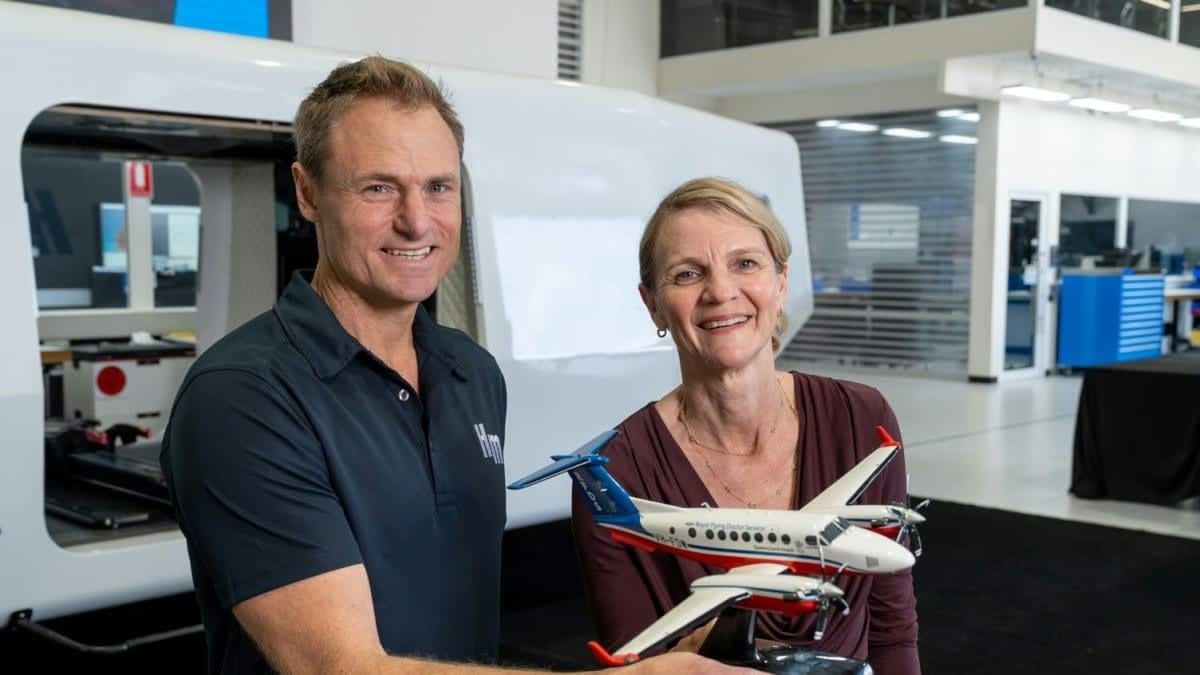
Australia’s RFDS Queensland Section Orders Six King Air 260Cs

Korean Air Finalizes Order for 103 Boeing Jets and Engines
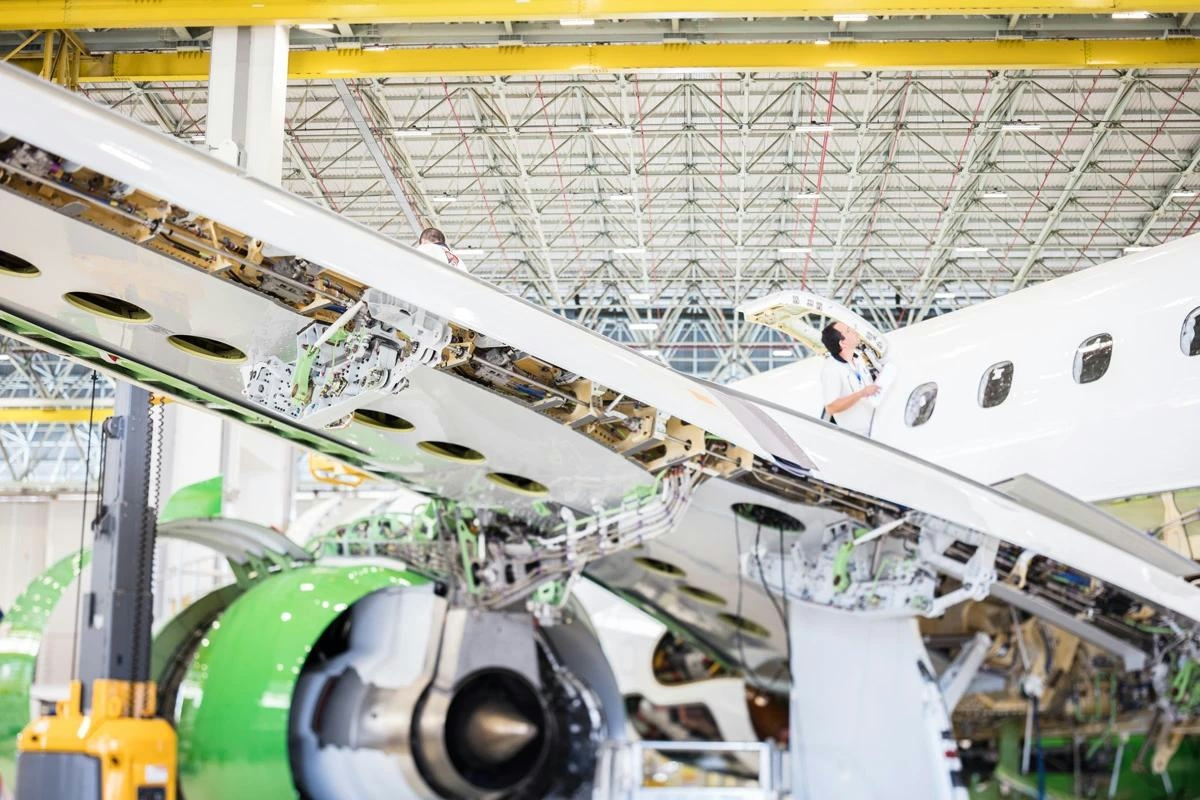
Embraer E195-E2 Features Distinctive Engine Placement Among Regional Jets
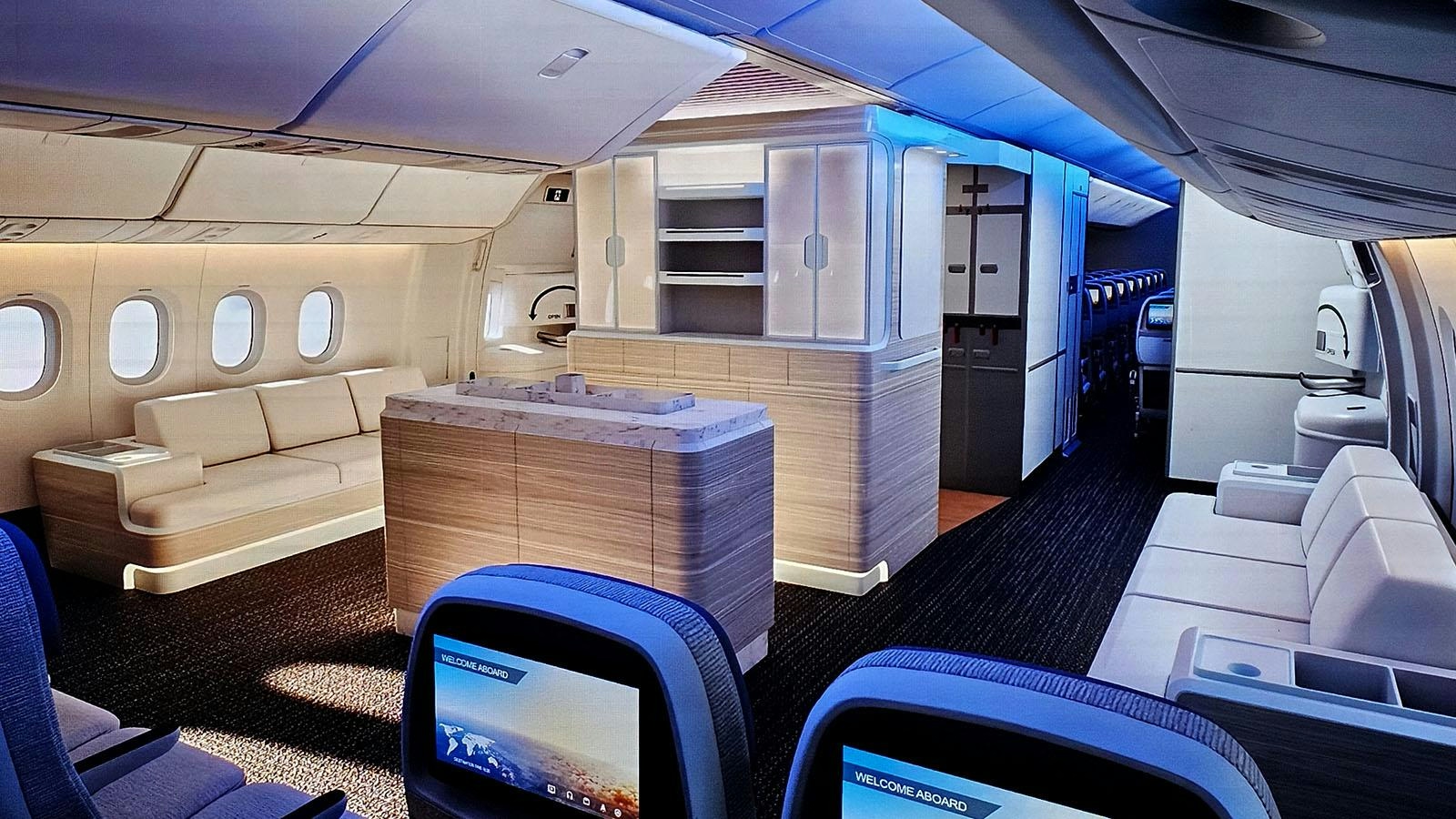
What Passengers Can Expect on Boeing’s New 777X Jet

How Ethiopian Airlines Became Africa’s Leading Carrier Amid Gulf Competition

Joby Aviation Extends Autonomous Flight Capabilities with Cross-Country Tour
