
Trasforma le intuizioni dell’IA in azioni concrete

Tendenze
Categories
New Crew Rostering System Introduces AI-Based Scheduling Tools
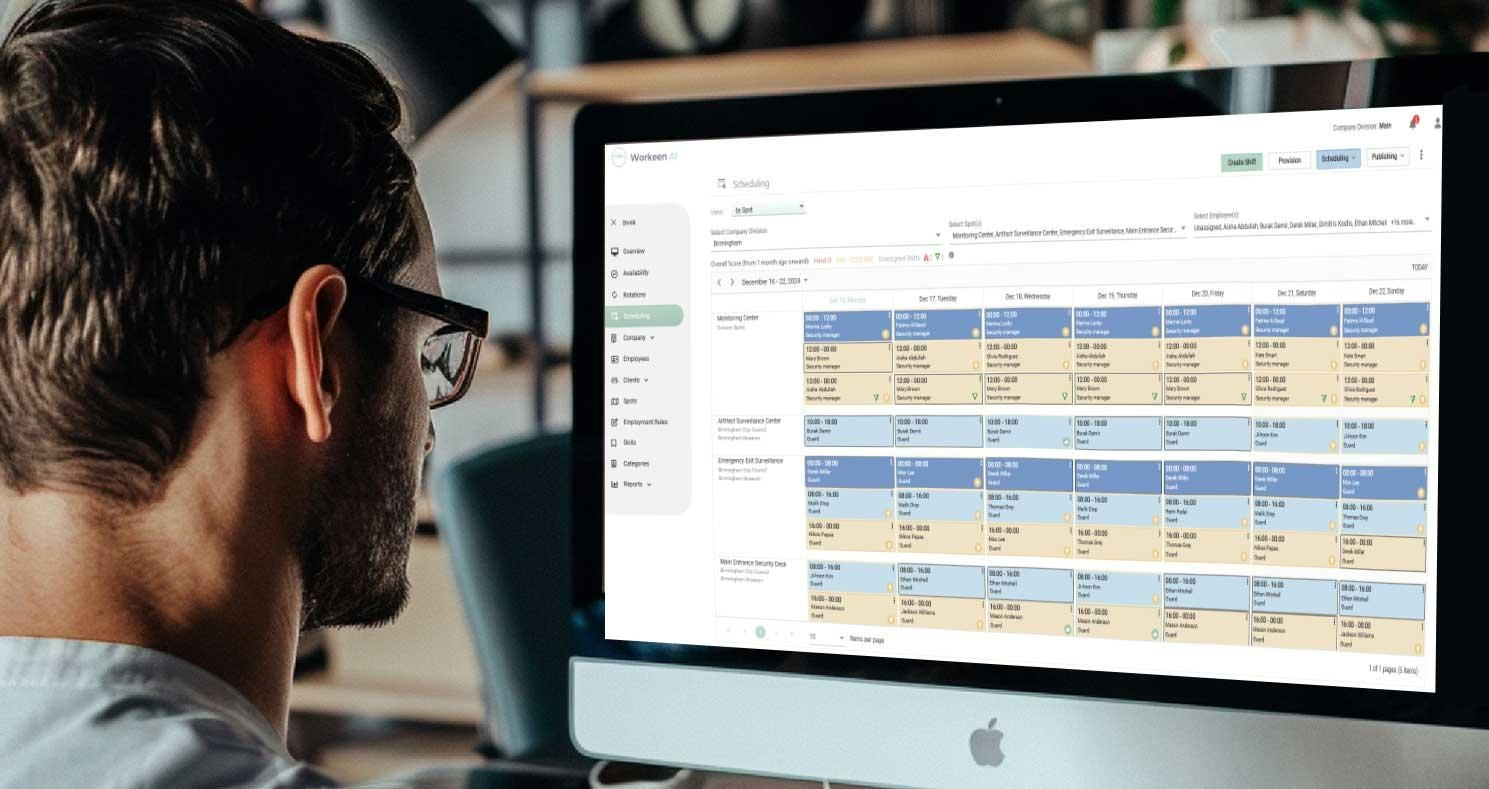
New Crew Rostering System Introduces AI-Based Scheduling Tools
Astrom Training Solutions has launched its latest Crew Rostering System, featuring advanced artificial intelligence to optimize crew pairing, rostering, and flight scheduling. The platform is engineered to assist airlines in efficiently generating, managing, and recovering crew schedules during both routine operations and irregular operations (IROPS). Among its key functionalities are real-time re-rostering, regulatory compliance management, and fatigue risk assessment, all designed to promote safe and effective crew utilization.
Integrated Optimization Enhances Operational Efficiency
A defining characteristic of the new system is its synchronized optimization capability, which simultaneously aligns crew pairing, rostering, and flight scheduling. This integrated approach allows airlines to optimize crew and aircraft plans in tandem, thereby enhancing operational resilience, reducing the impact of disruptions, and improving resource efficiency across the network. The system also extends this synchronization to simulator scheduling, creating a cohesive environment that balances operational demands with training requirements.
Additional features include scenario-based pairing optimization, AI-driven disruption prediction, and seamless integration of training event scheduling. These tools provide airlines with increased flexibility and foresight in managing the complexities of crew operations, enabling more proactive and adaptive scheduling strategies.
Industry Challenges and Market Response
The introduction of AI-based scheduling tools arrives amid ongoing industry debates regarding the scalability and reliability of such technologies. Research from Infor underscores the difficulties in expanding AI solutions beyond initial pilot phases, raising concerns about their long-term viability across extensive airline networks. Furthermore, recent high-profile crew scheduling disruptions at Delta have intensified skepticism among some industry stakeholders about the dependability of AI-driven systems.
Market reactions to Astrom’s new platform are expected to be varied. While some airlines may embrace AI tools to enhance operational efficiency, others are likely to adopt a more cautious stance in light of recent incidents. Competitors are anticipated to respond by incorporating similar AI capabilities into their own offerings or by developing proprietary solutions aimed at reducing dependence on third-party providers.
Astrom Training Solutions will present the new Crew Rostering System at WATS 2026, booth 308, providing industry professionals an opportunity to explore the platform’s features and engage in discussions about the evolving role of AI in airline operations.
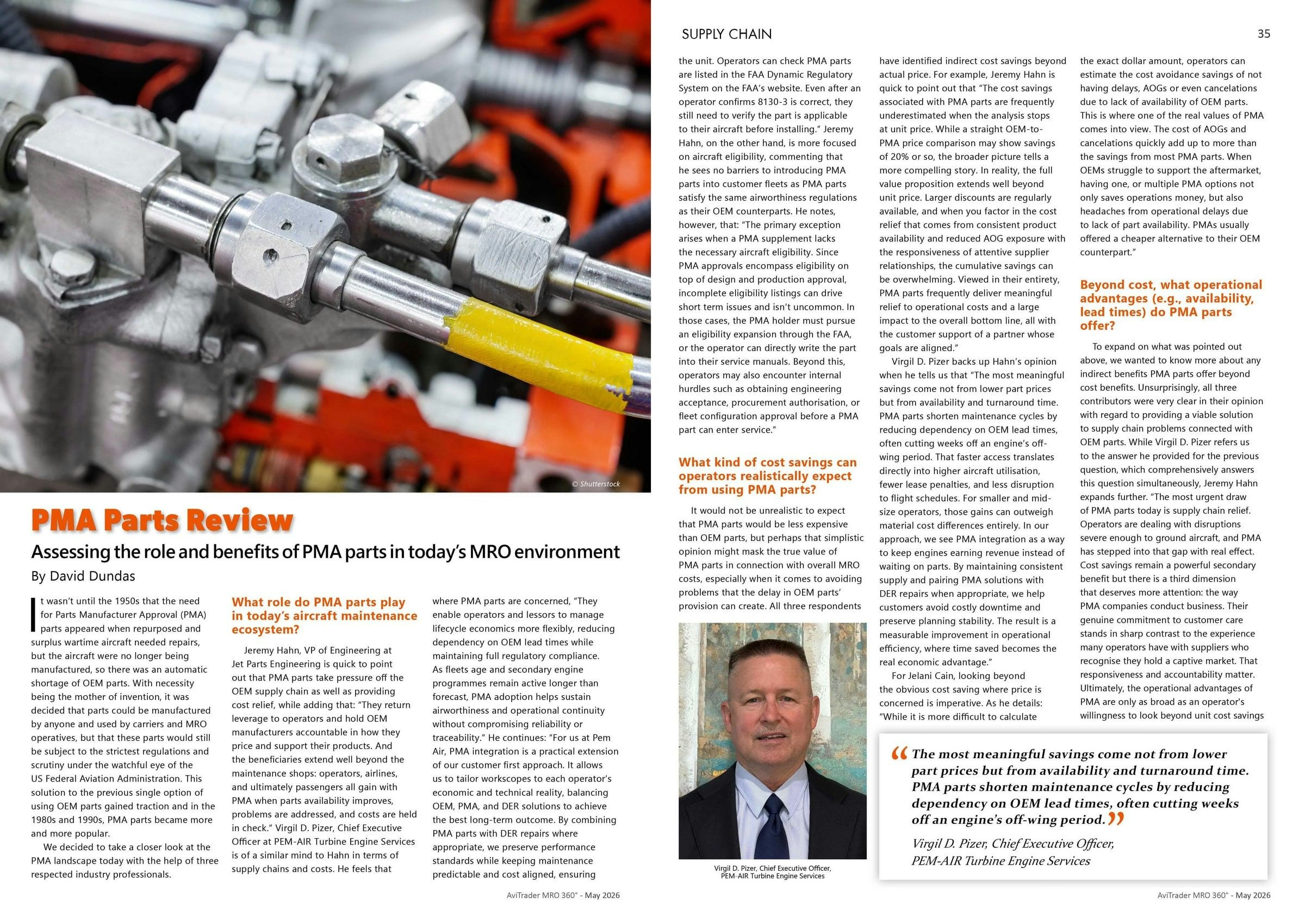
Chromalloy Gains Indonesia DGCA Approval for CFM56-5B/7B PMA Parts
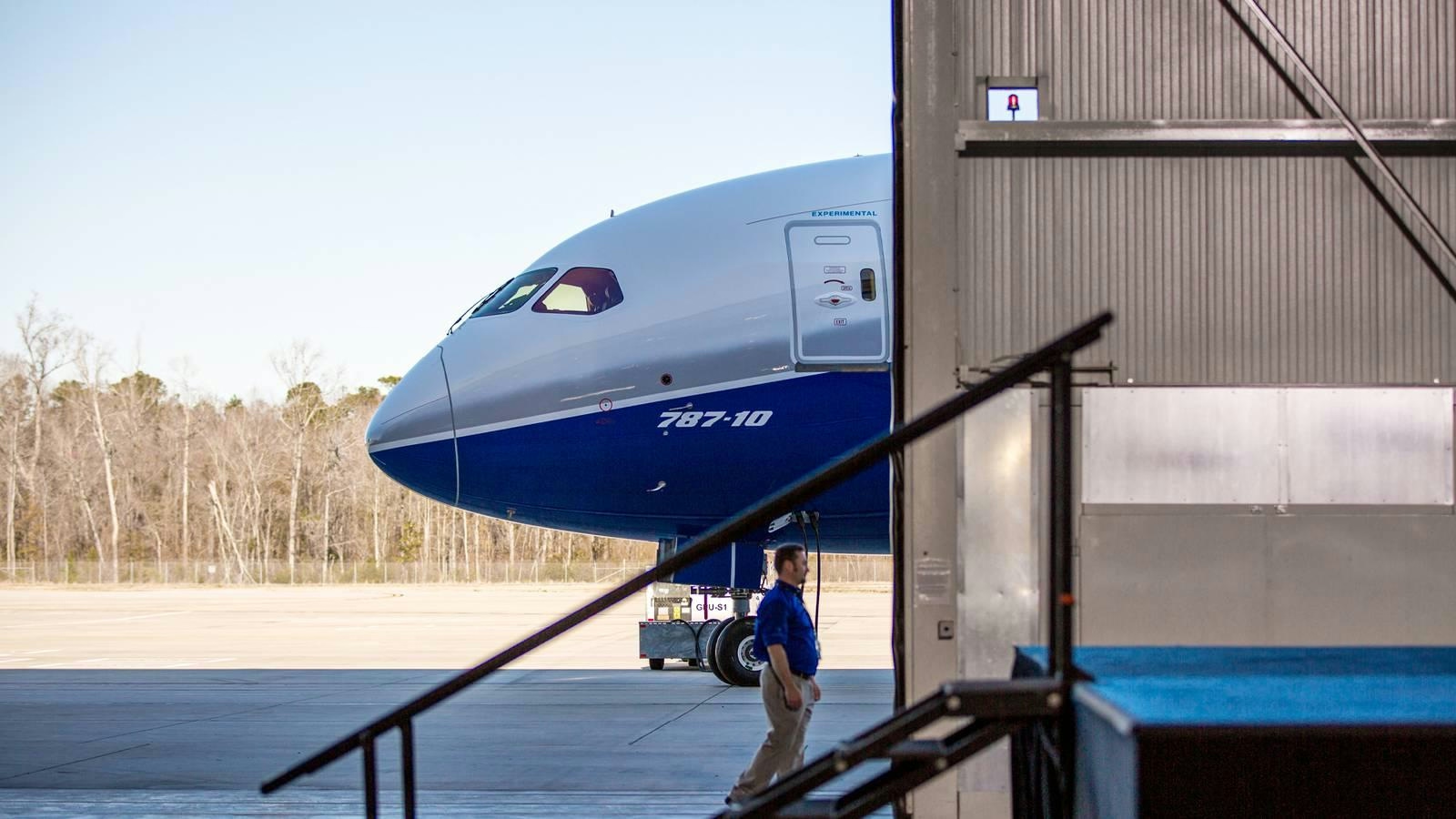
One of the Largest Widebody Aircraft Is the Cheapest to Fly in the U.S.
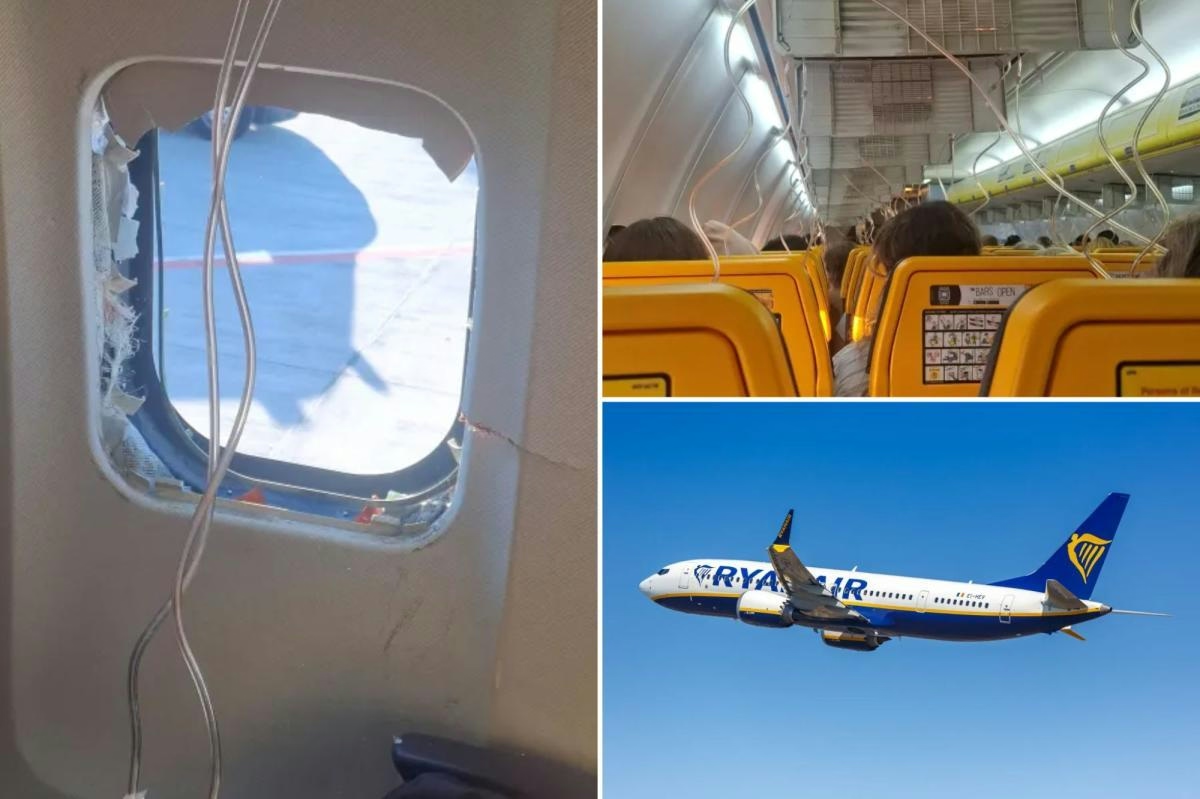
NTSB: Engine Debris Shattered Ryanair Plane Window, Causing Passenger Injury
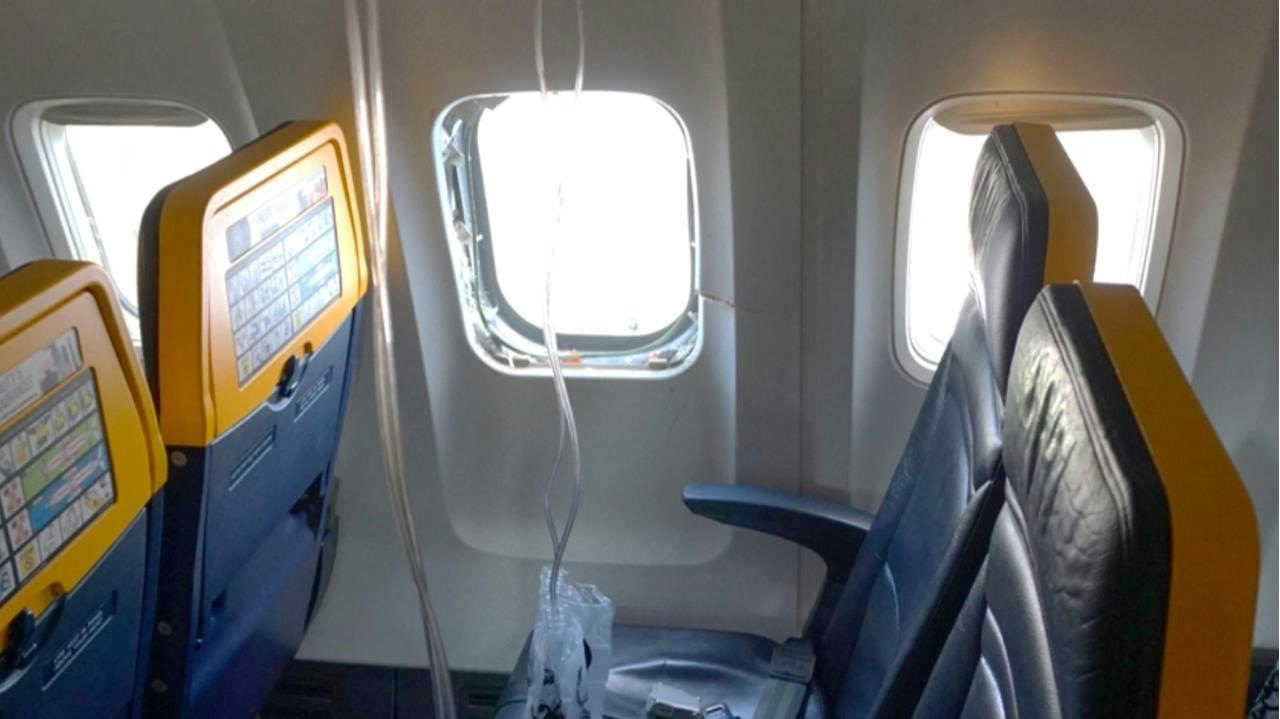
NTSB: Engine Debris Broke Ryanair Window, Causing Passenger Injury
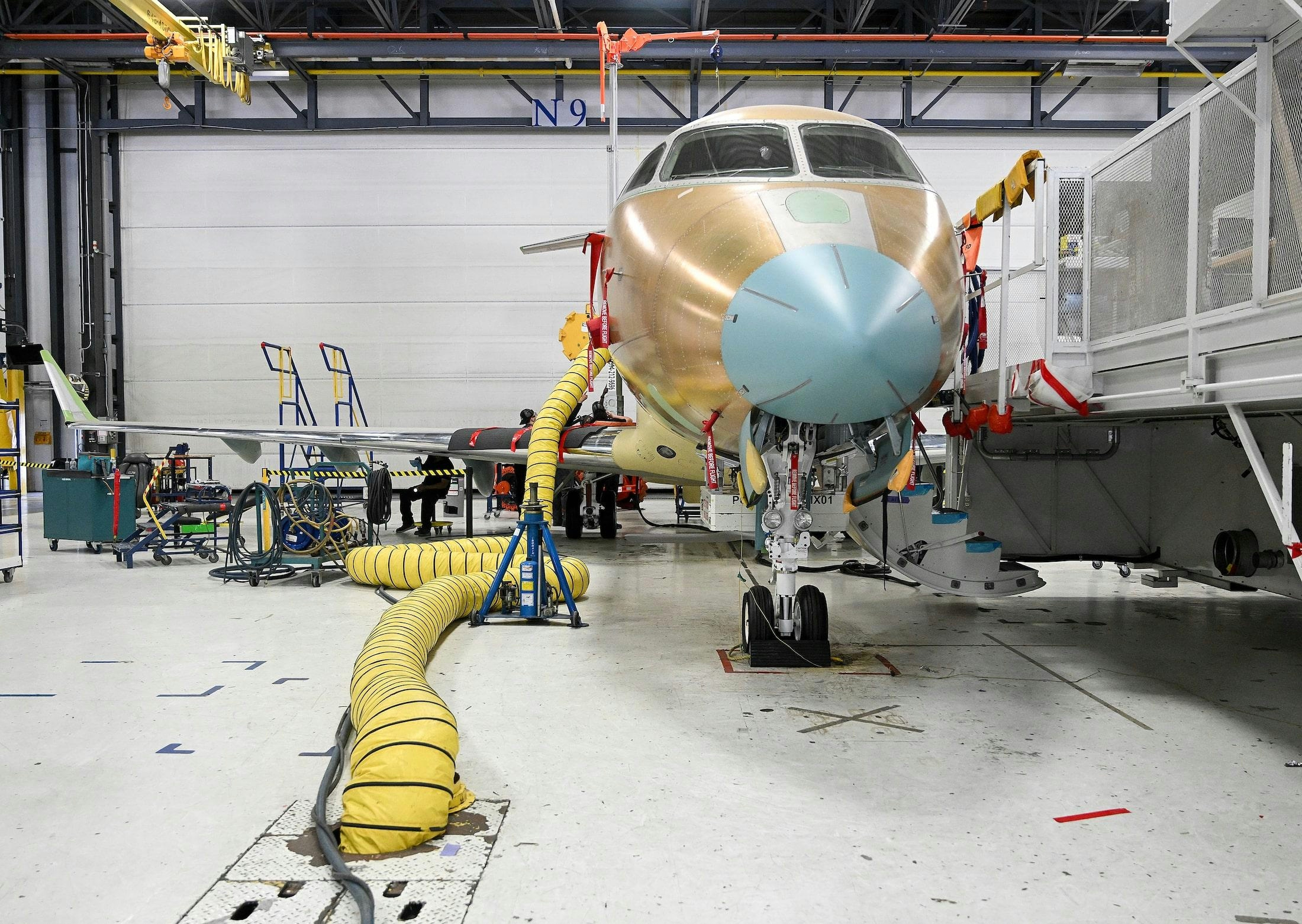
Vancouver Island Aviation Manufacturer Awarded $1 Million in Tariff Relief
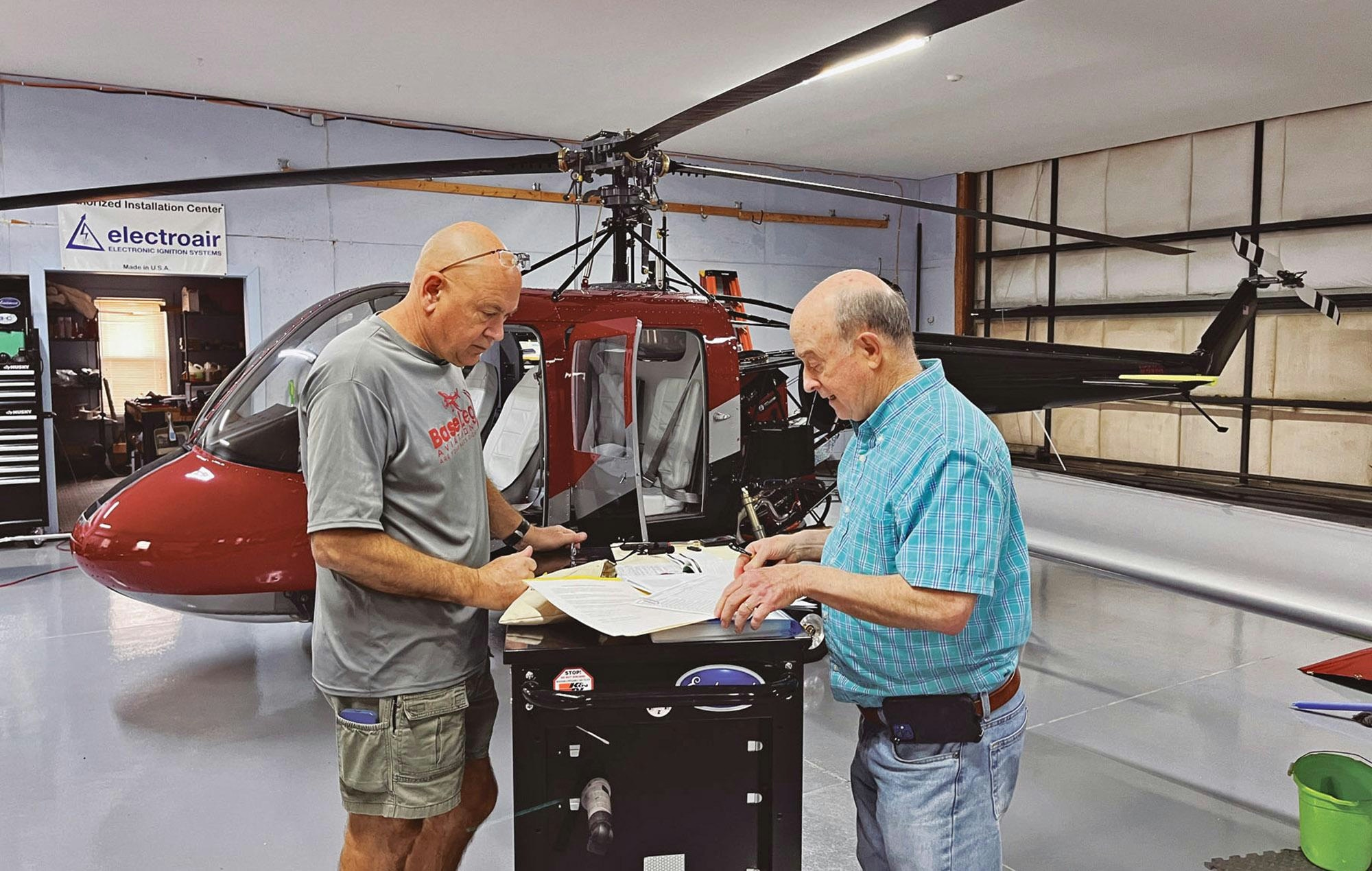
FAA Mandates Inspections of Rotax Gearboxes
UMS Integration Reports 89% Profit Increase in Q2 Driven by AI and Aviation Growth
Plane Spotting at ONT: A Guide for Aviation Fans
Carburetor Ice Causes Skydiving Plane to Crash
Holt Construction Appointed to DBIA Aviation Design-Build Panel
