
Trasforma le intuizioni dell’IA in azioni concrete

Tendenze
Categories
Norse Reports Strong Revenue Growth in First Quarter
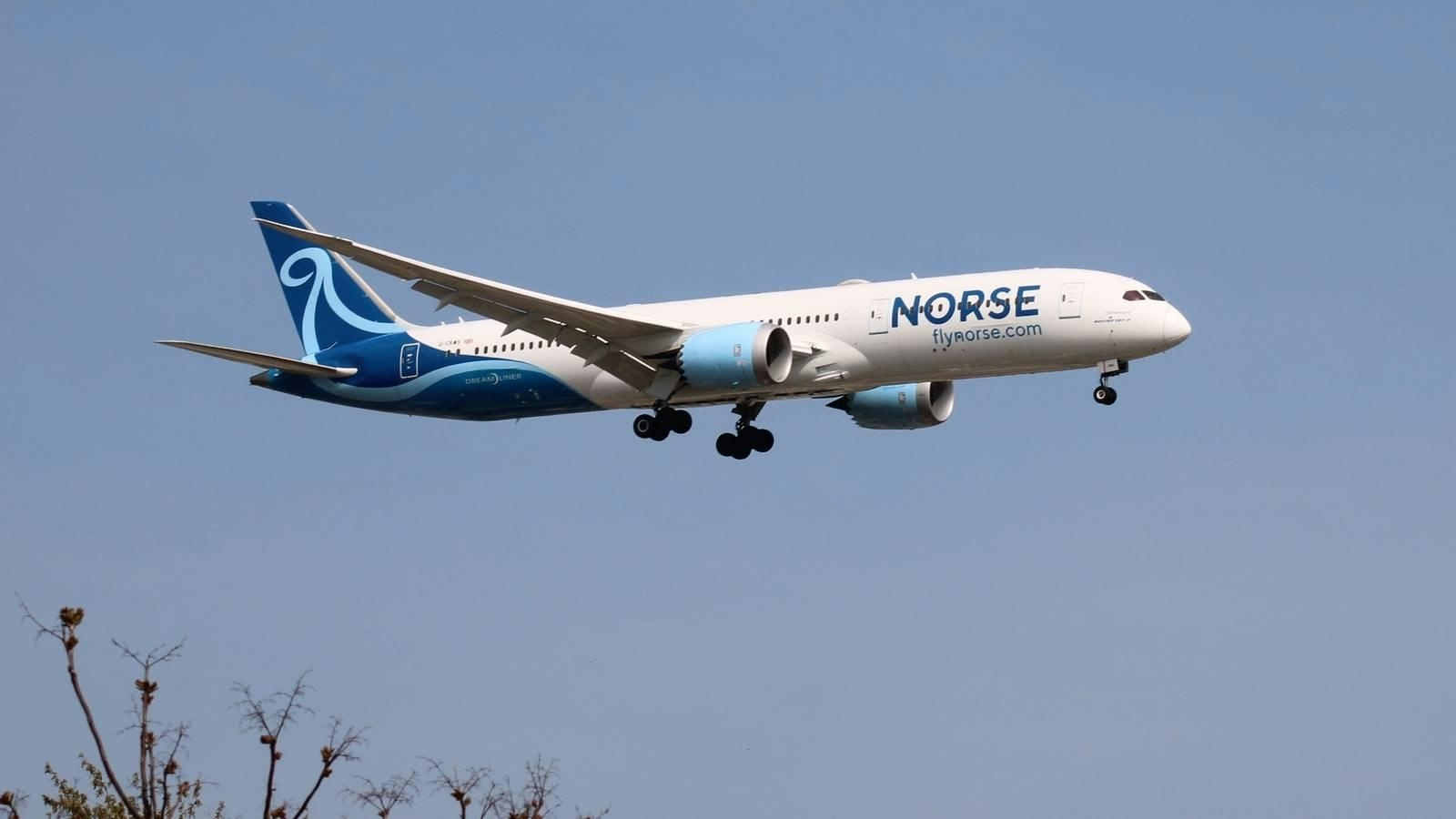
Norse Reports Strong Revenue Growth in First Quarter
Norse Atlantic ASA has announced a robust start to 2026, with first-quarter revenue rising 66% year-on-year to reach US$160 million. This growth was primarily driven by sustained demand for direct long-haul travel. The airline credited its strong performance to record unit revenue, an impressive 99% load factor, and operational improvements, all supported by increased customer demand and enhancements to its onboard product.
Operational Performance and Business Model
Despite the first quarter typically being the weakest period for airlines, Norse achieved a positive EBITDAR of US$5.8 million, a milestone the company described as significant. Central to these results is Norse’s dual business model, which integrates scheduled passenger services with ACMI (Aircraft, Crew, Maintenance, and Insurance) and charter operations. The airline reported that its own network is approaching profitability, with unit revenue increasing by 34% and unit costs decreasing by 5% year-on-year, aided by route optimization and capacity adjustments.
The ACMI and charter division contributed US$16 million in EBITDAR and now accounts for approximately half of Norse’s fleet under long-term contracts. This segment provides greater earnings stability and reduces exposure to volatile fuel prices. However, the airline warned that escalating conflict in the Middle East since late February has caused a sharp rise in fuel prices and disrupted global travel patterns. In response, Norse swiftly redeployed capacity, including launching new services between London Gatwick and Bangkok, while maintaining its focus on point-to-point long-haul routes rather than traditional hub connections.
Strategic Advantages and Future Challenges
Norse highlighted the structural advantage of its Boeing 787 Dreamliner fleet, which consumes about 25% less fuel than older long-haul aircraft, helping to offset some of the impact from rising fuel costs. The company also noted that improvements in operational reliability and punctuality are beginning to produce positive outcomes.
Looking ahead, Norse faces several challenges, including sustaining revenue growth amid intensifying competition, managing operational costs, and adapting to ongoing market fluctuations. While the airline’s strong revenue figures have attracted attention, market reactions may be mixed, with some investors expressing concern about underlying profitability and the sustainability of recent gains. Competitors are expected to respond with increased marketing efforts, price adjustments, or strategic partnerships to defend their market share.
To strengthen its financial position, Norse recently launched a fully underwritten US$110 million rights issue aimed at enhancing liquidity and resilience amid the current high-fuel-cost environment. The company is also accelerating its Project Falcon restructuring program, targeting annual cost reductions of up to US$50 million through operational simplification. Additionally, Norse has appointed an international investment bank to conduct a strategic review in response to interest from potential partners, with options under consideration including a merger, partnership, or potential sale of the business.

Etihad Airways Suspends Airbus A380 Flights on Key Route

Aditya Birla Group Seeks Approval for Aircraft Leasing in GIFT City

Qatar Airways Highlights Innovation and Connectivity at Arabian Travel Market 2026

Hong Kong's Five-Year Plan Includes Andrew Fan's Aircraft Parts Processing Hub Proposal

ACIA Aero Leasing Delivers ATR72-600 to Air Nostrum

RTX Appoints Jill Albertelli as Head of Pratt & Whitney

TAT Technologies Joins Beyond Aero Hydrogen Aircraft Program

AURAK Study Highlights Barriers to Air Taxi Adoption in Emerging Economies

Xiamen Air Selects Altitude for 787 Maintenance at Heathrow

Etihad and Swissport Extend Global Partnership
