
Trasforma le intuizioni dell’IA in azioni concrete

Tendenze
Categories
Operators Urged to Prepare Crews for Potential Leap Engine Smoke
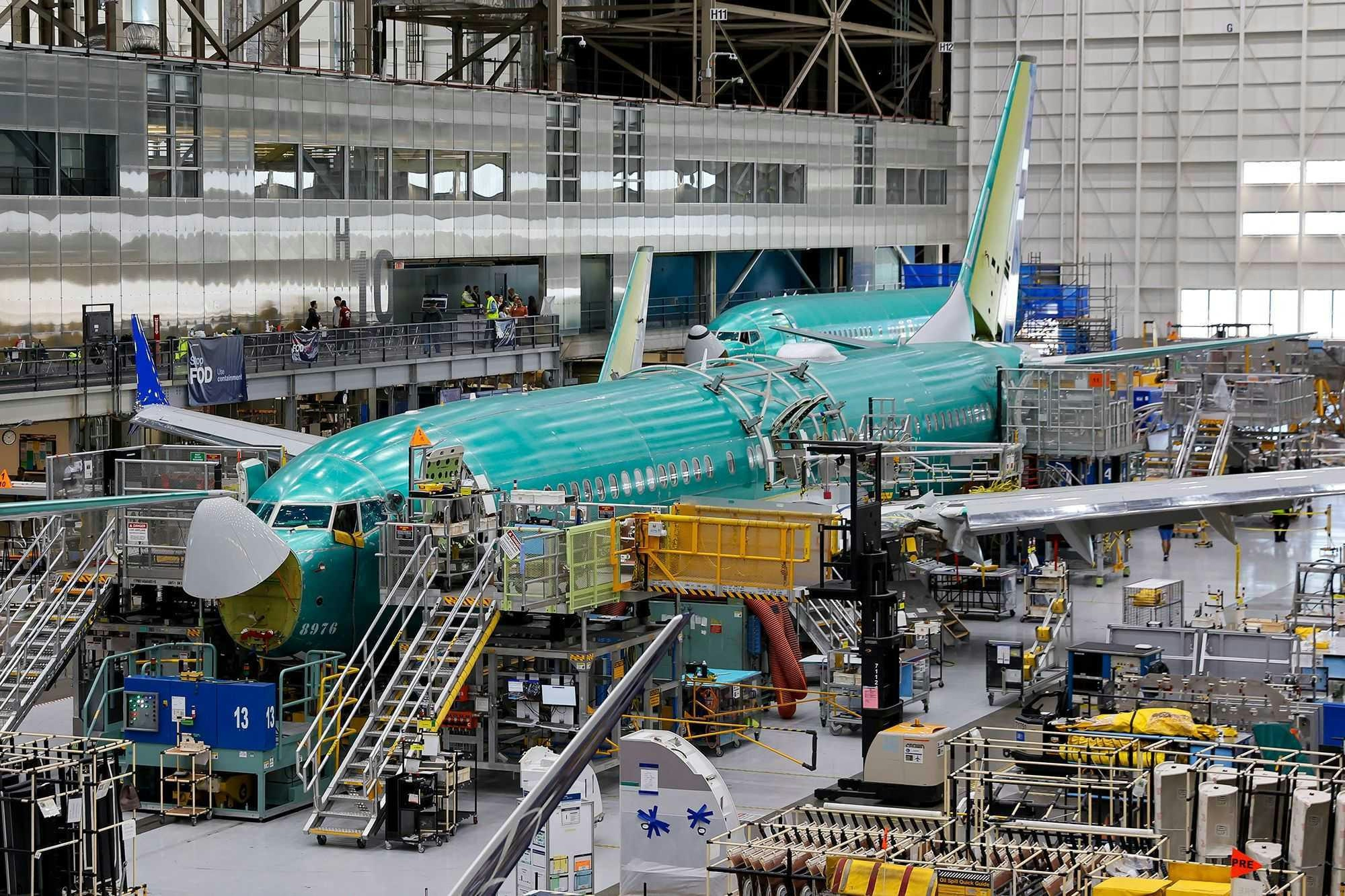
Operators Urged to Prepare Crews for Potential Leap Engine Smoke
Safety Concerns Surrounding Leap Engine Load-Reduction Devices
The European Union Aviation Safety Agency (EASA) has reported that Airbus A320neo-family aircraft have not experienced any load-reduction device (LRD) activation events involving CFM International Leap-1A engines. Nonetheless, the agency is urging operators to implement interim measures to prepare flight crews for potential smoke incidents. This advisory follows two recent occurrences of smoke events on Boeing 737 Max jets equipped with Leap-1B engines.
The LRD is a safety mechanism designed to reduce structural loads on the engine in cases where the fan becomes significantly unbalanced, such as after blade damage caused by bird strikes. While this device serves to protect the engine from further harm, its activation can inadvertently create a pathway for oil leakage into the compressor. This contamination can affect the bleed air supplied to the aircraft’s environmental control system, resulting in dense smoke within the cabin and cockpit. The smoke may persist until the affected engine is either shut down or its bleed system isolated, necessitating prompt and decisive crew action.
Recommendations for Crew Training and Operational Preparedness
EASA advises that pilots operating A320neo-family aircraft mitigate smoke contamination by adhering to established quick-reference handbook procedures for engine failure and smoke events. The agency is actively conducting safety assessments of LRD activations and is considering potential design modifications to address the risk of oil leakage. Meanwhile, operators are encouraged to clearly identify which aircraft in their fleets are equipped with Leap engines featuring LRDs. Flight crews should be thoroughly prepared for possible LRD activation and the associated smoke, particularly in scenarios involving severe engine damage or high vibration levels. EASA stresses that these situations must be comprehensively covered during crew conversion and recurrent training to ensure pilots fully understand the operational challenges posed by LRD events.
Industry Response and Ongoing Investigations
The potential for smoke incidents has intensified calls for rapid modifications to Leap engines on both Boeing 737 Max and certain Airbus models. These modifications aim to prevent smoke from infiltrating the cockpit or cabin following events such as bird strikes. The issue has attracted heightened scrutiny from regulators and the aviation market, raising concerns about possible delays in aircraft deliveries as safety fixes are developed and implemented. Competitors may also respond by introducing similar safety enhancements or refining engine designs to mitigate comparable risks.
CFM International, the manufacturer of the Leap engine, is incorporating lessons learned from initial durability challenges and is preparing a fix specifically for the Leap-1B variant. The U.S. National Transportation Safety Board (NTSB) has called for swift action to address these safety concerns, particularly in light of incidents such as the Southwest Airlines bird strike in December 2023.
As investigations and design improvements proceed, EASA’s interim recommendations highlight the critical importance of crew preparedness and transparent communication regarding aircraft configurations. Operators are advised to ensure that flight crews are adequately trained and equipped to respond effectively to LRD-related smoke events, maintaining safety as the paramount priority.

Etihad Airways Suspends Airbus A380 Flights on Key Route

Aditya Birla Group Seeks Approval for Aircraft Leasing in GIFT City

Qatar Airways Highlights Innovation and Connectivity at Arabian Travel Market 2026

Hong Kong's Five-Year Plan Includes Andrew Fan's Aircraft Parts Processing Hub Proposal

ACIA Aero Leasing Delivers ATR72-600 to Air Nostrum

RTX Appoints Jill Albertelli as Head of Pratt & Whitney

TAT Technologies Joins Beyond Aero Hydrogen Aircraft Program

AURAK Study Highlights Barriers to Air Taxi Adoption in Emerging Economies

Xiamen Air Selects Altitude for 787 Maintenance at Heathrow

Etihad and Swissport Extend Global Partnership
