
Trasforma le intuizioni dell’IA in azioni concrete

Tendenze
Categories
PD-8 Engine Encounters Corrosion Issues from Saltwater Exposure
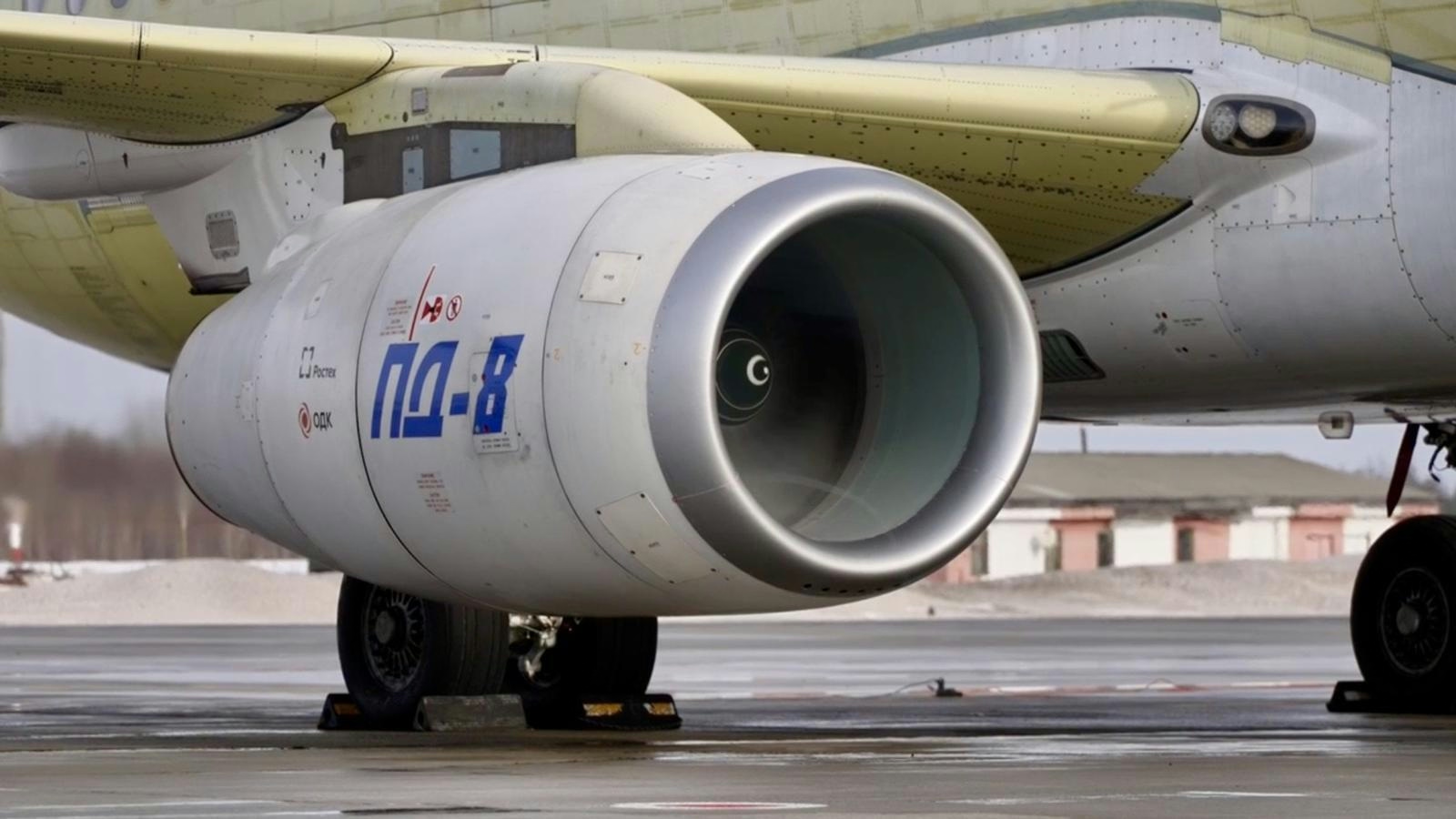
PD-8 Engine Encounters Corrosion Issues from Saltwater Exposure on Be-200 Aircraft
The integration of the PD-8 engine into the Be-200 amphibious aircraft has revealed significant engineering challenges, extending far beyond a simple replacement of the existing D-436TP powerplant. According to reports from Tekhnosfera Rossiya, the adaptation process demands extensive modifications and is anticipated to span several years before completion.
Technical Challenges and Environmental Considerations
Although the PD-8 engine aligns with the Be-200’s specifications—boasting a mass of approximately 2,300 kilograms, a length of 3.6 meters, a fan diameter of 1.22 meters, and a take-off thrust ranging between 7,477 and 8,056 kilogram-force—it was originally designed for operational environments distinct from those encountered by the Be-200. This fundamental difference necessitates dedicated engineering efforts to ensure the engine’s compatibility and reliability within the amphibious aircraft’s unique operational context.
A critical technical obstacle involves safeguarding the PD-8 against corrosion induced by saltwater exposure and high humidity, conditions inherent to amphibious operations. Industry experts emphasize that engine replacement in such environments is far from straightforward, requiring comprehensive design adjustments to mitigate the corrosive stresses imposed by maritime conditions.
Implications for Maintenance and Industry Response
Corrosion-related degradation of engine components poses a significant risk of increased maintenance demands and operational downtime, raising concerns among regulators and potential operators regarding the PD-8’s durability and reliability. This issue extends beyond aviation; recent research into corrosion caused by molten salts and the advancement of protective coatings in nuclear applications highlight a broader industrial imperative to develop innovative materials and solutions to combat corrosion.
In response, aerospace competitors are accelerating the development of corrosion-resistant technologies to address these challenges, aiming to safeguard their market positions amid growing scrutiny.
Program Status and Future Outlook
The re-engining program for the Be-200 with the PD-8 officially commenced in May 2026, as confirmed by ODK head Alexander Grachev. However, since this announcement, there have been no public updates, test footage, or official statements from the Beriev Aircraft Plant or the corporation’s press service, leaving the current progress of the program uncertain.
As the project advances, the success of corrosion protection measures will be pivotal not only for the PD-8’s integration into the Be-200 but also for maintaining confidence among operators and stakeholders regarding the aircraft’s long-term operational viability.

Weekly Summary: August Deliveries, Year-to-Date Orders, and 4.1 Million Share Buyback
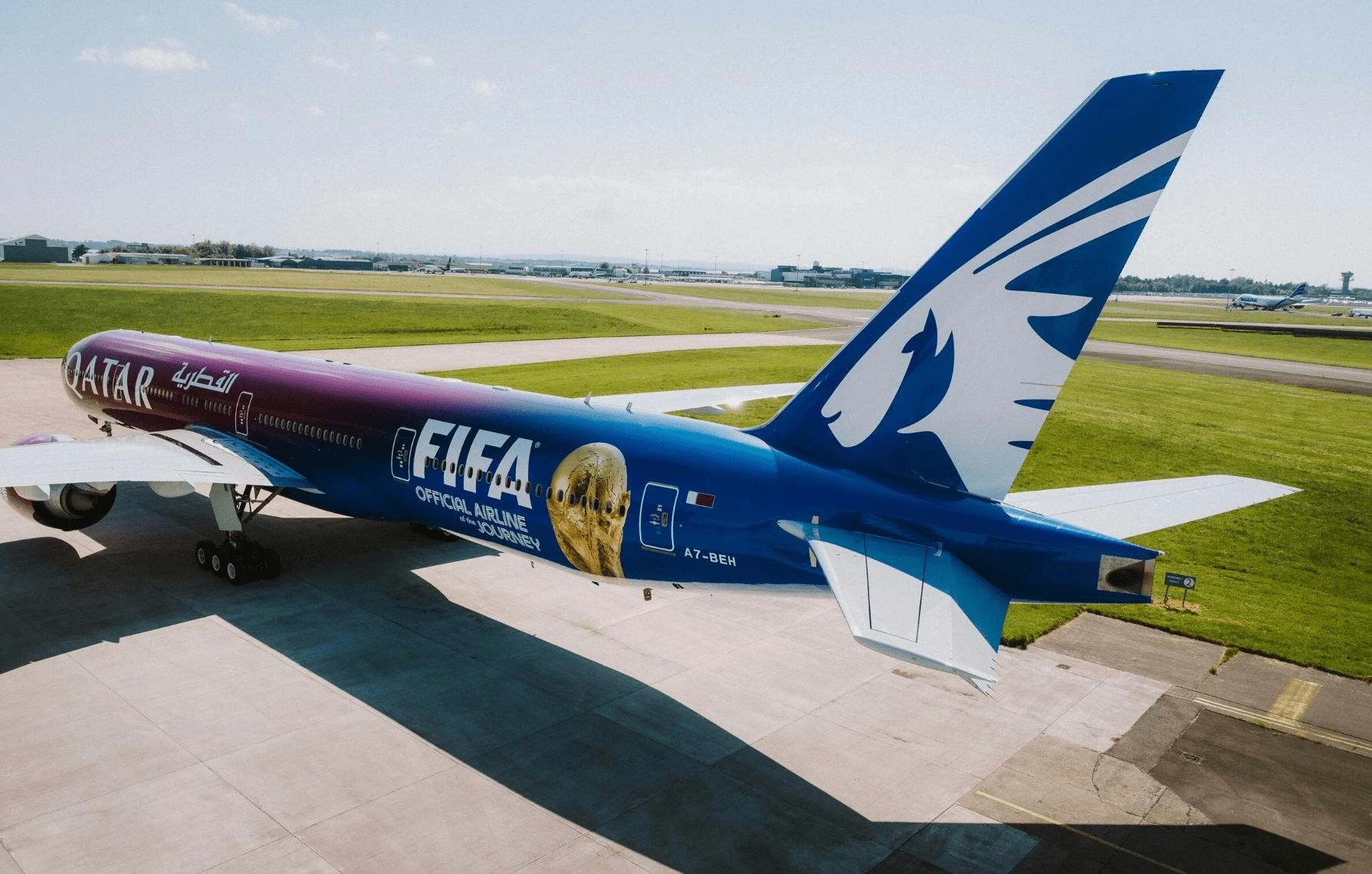
Linking Ireland’s Aircraft Leasing Industry to Elite Football
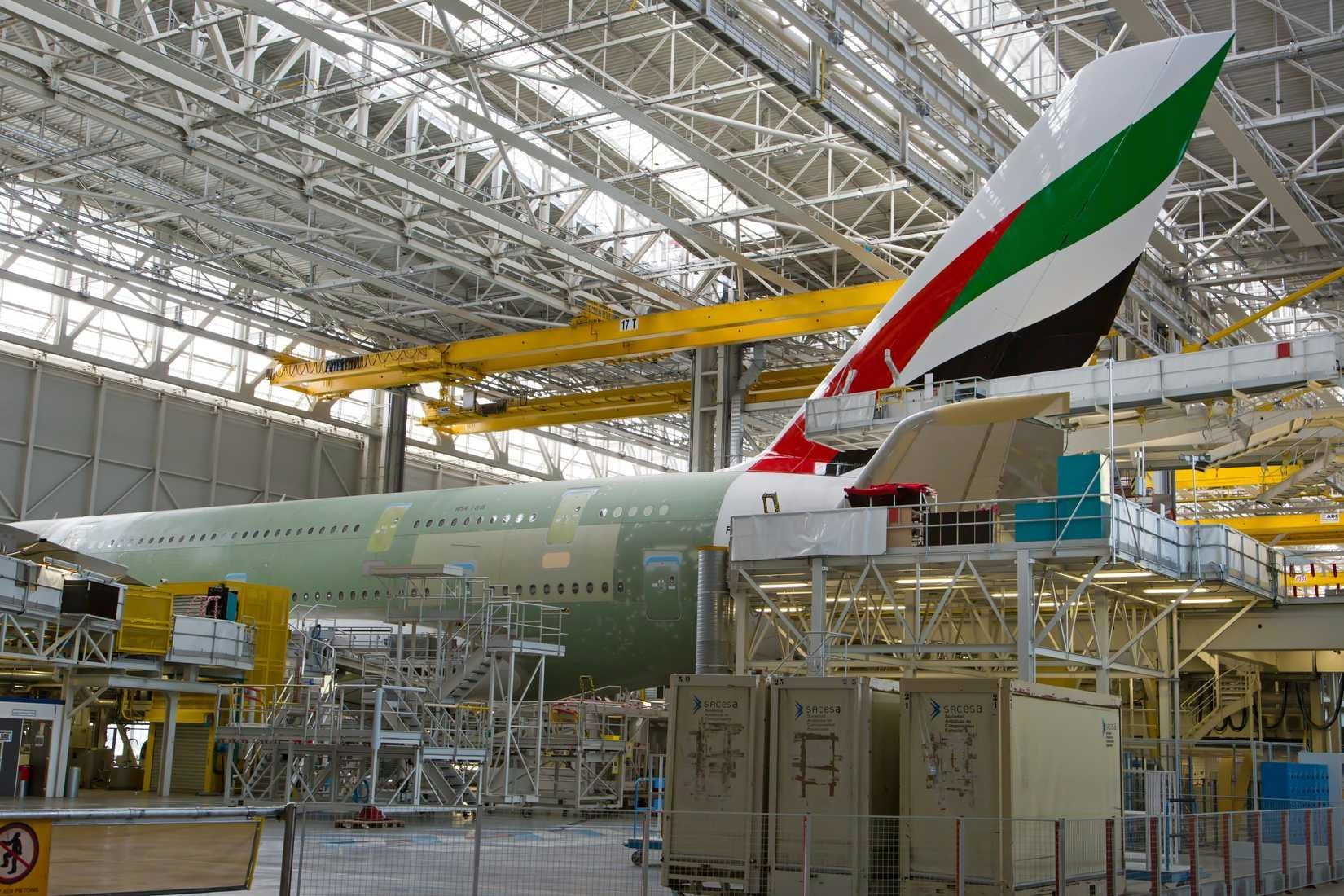
Airbus A380 at Tarbes Yields Over 90% of Parts for Active Fleets Through Careful Dismantling
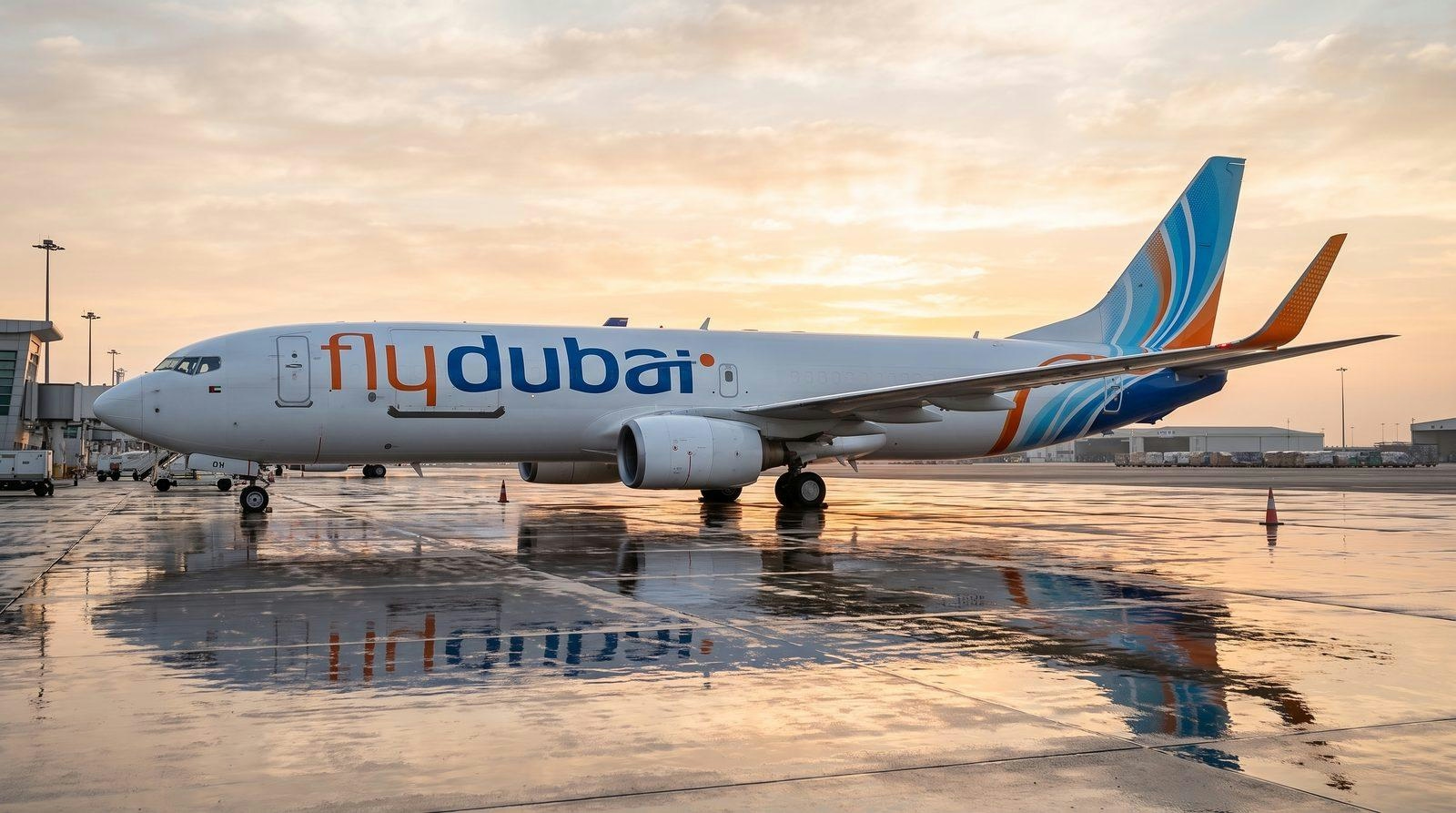
flydubai Begins Dedicated Freighter Operations with Three Leased 737-800s
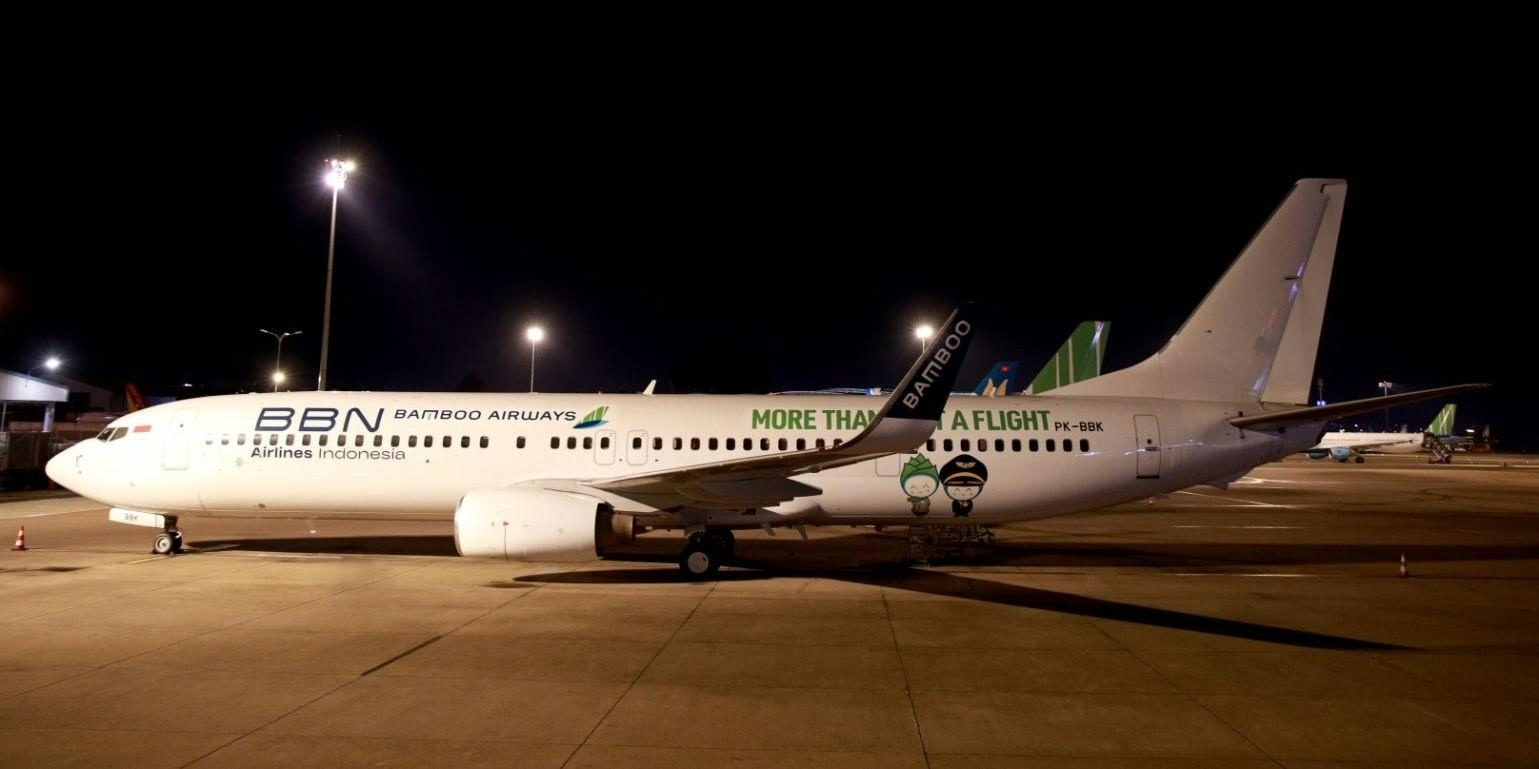
BBN Airlines Becomes IATA Member
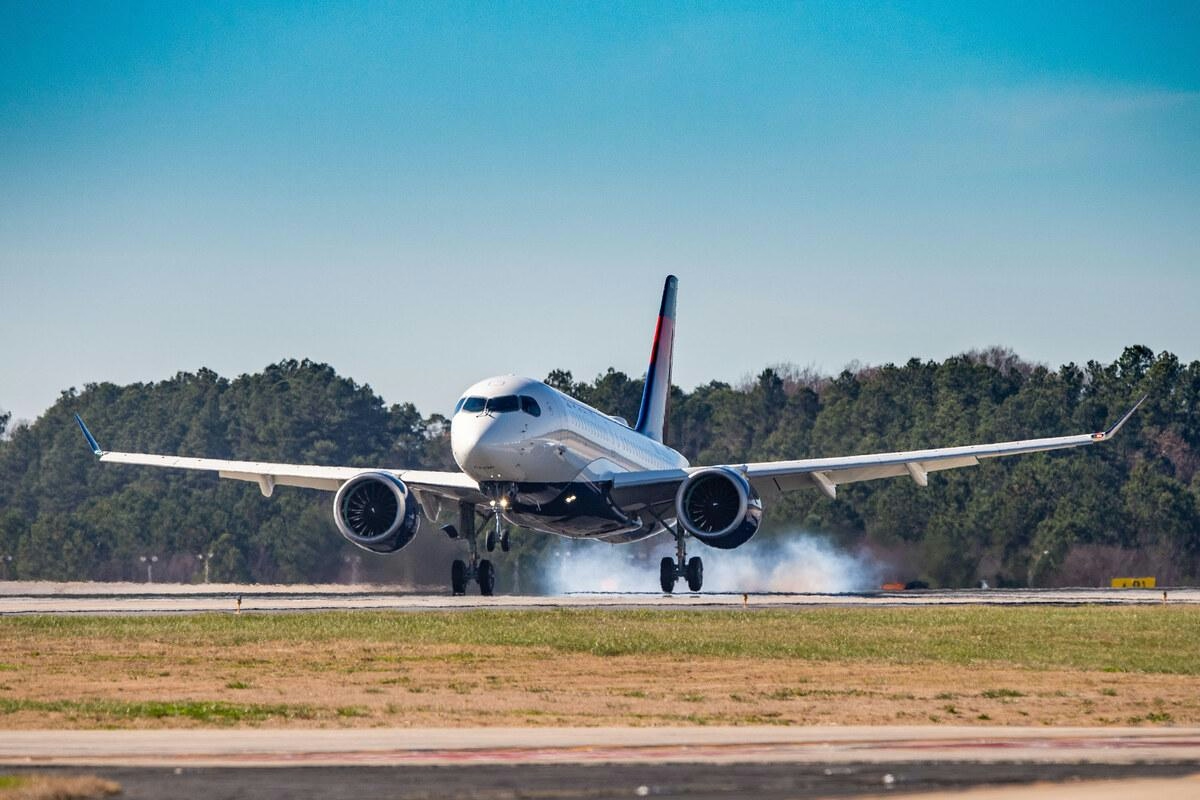
FAA Orders Breeze Airways and Delta to Inspect Airbus A220 Fuel Hoses
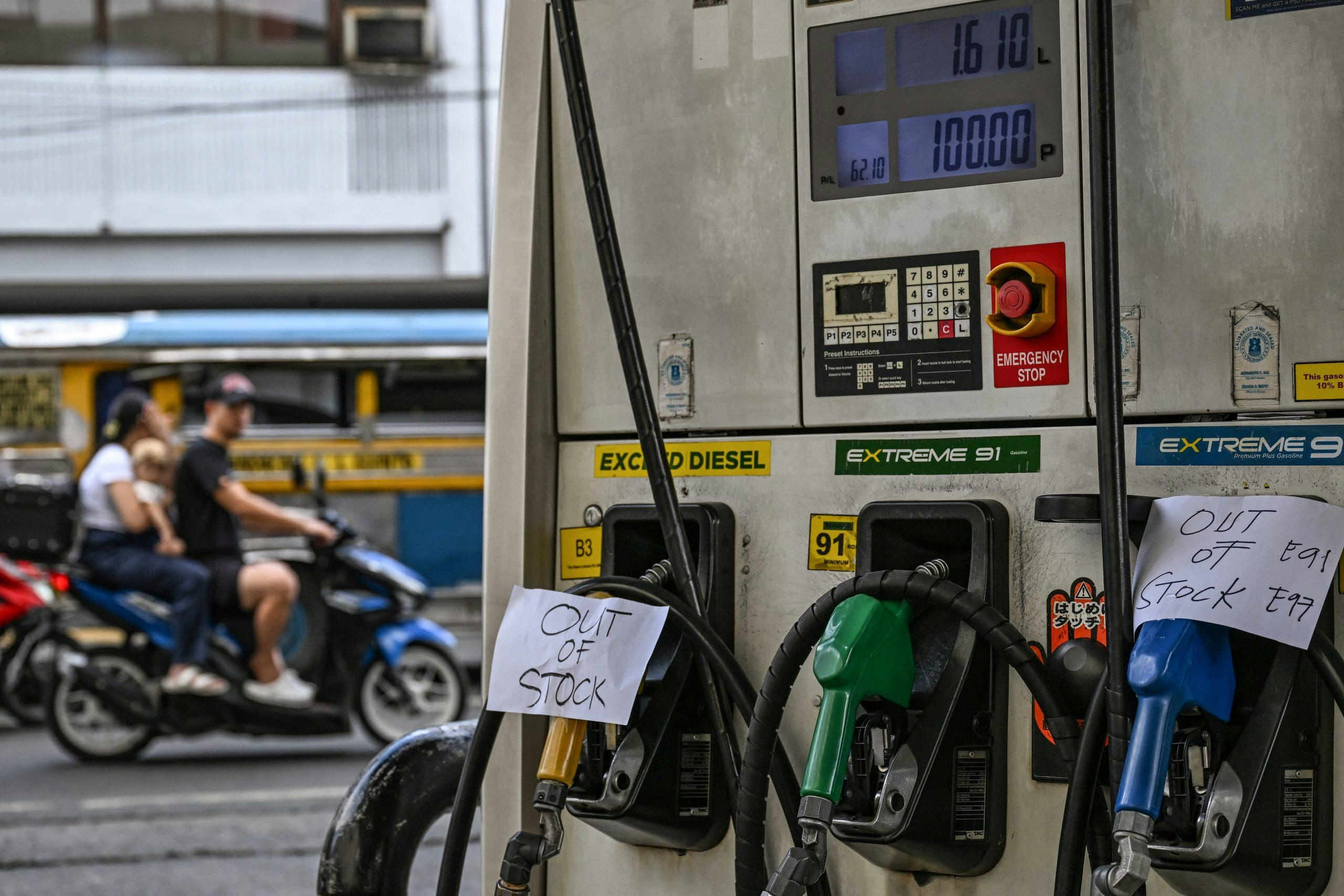
Philippine Aviation Navigates Expansion and Costs Amid Fuel Price Volatility
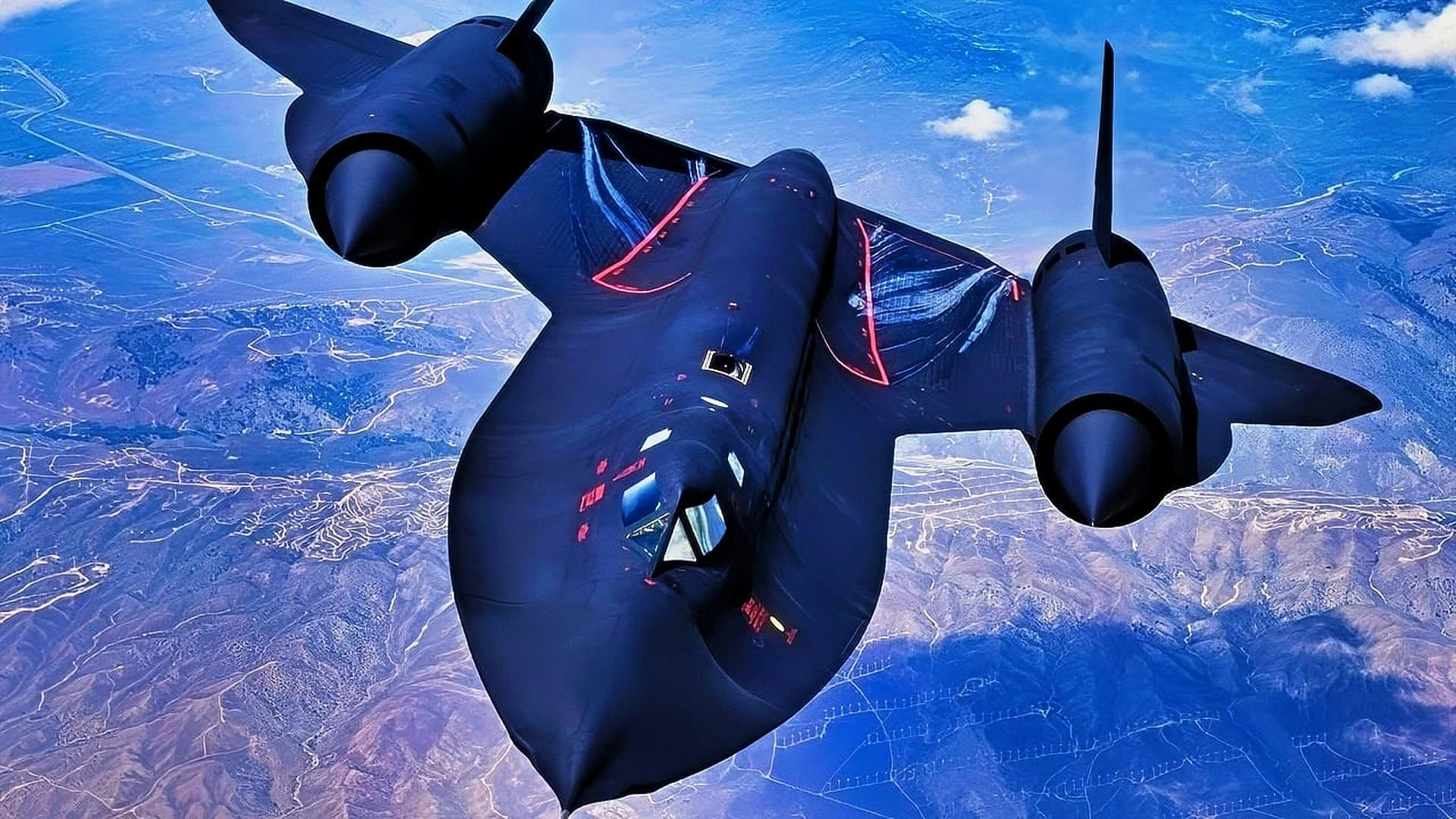
On April 26, 1971, an SR-71 Blackbird Flew Over 15,000 Miles in 10.5 Hours, Limited by Liquid Nitrogen Supply
Boeing 747 Airframe Valued Less Than One Landing Gear Component
The Rear-Fan Engine Behind the Crash of the World's Fastest Airliner
