
Trasforma le intuizioni dell’IA in azioni concrete

Tendenze
Categories
Prime Air 767 Underwent Actuator Maintenance One Month Before Incident
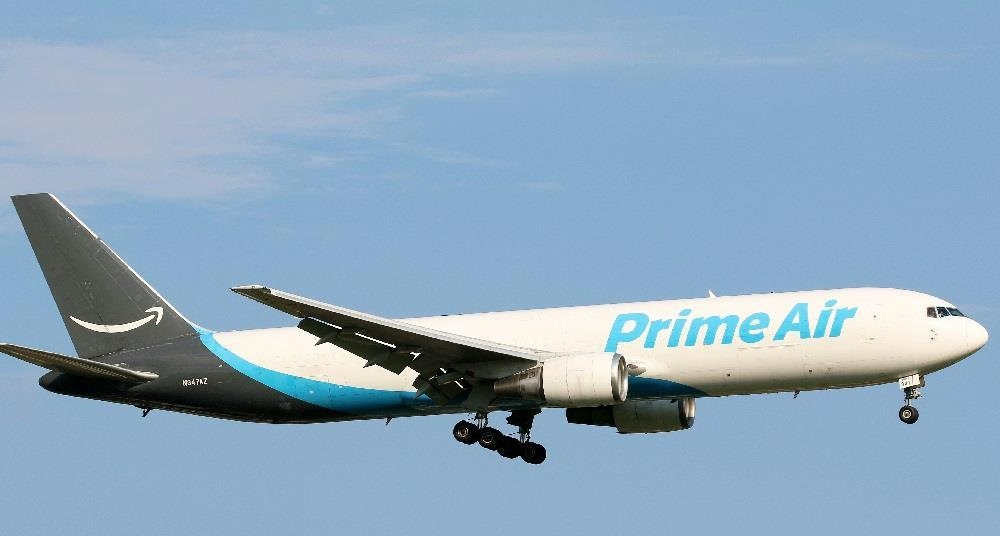
Prime Air 767 Experienced Actuator Maintenance One Month Prior to Hawaii Incident
US investigators have disclosed that a Boeing 767-300 freighter operated by Amazon Prime Air, which encountered a jammed horizontal stabiliser during a flight to Hawaii, had undergone maintenance on the stabiliser trim actuator just one month before the event. The incident took place on 25 April during a flight from Ontario, California, to Lihue.
Flight Incident and Crew Response
According to the National Transportation Safety Board (NTSB), the aircraft’s autopilot repeatedly disengaged as it descended toward Lihue, and the flight crew was unable to rectify the malfunction. The pilots assumed manual control at approximately 10,000 feet, reporting that maintaining descent required significant forward pressure on the yoke. Attempts to use the alternate electric trim system proved ineffective, as the horizontal stabiliser remained fixed at 3.4 units.
The crew subsequently levelled the aircraft at 3,000 feet and deployed flaps to reduce the control forces needed on the yoke. Despite following stabiliser trim checklists, the problem persisted. The pilots ultimately diverted to Honolulu, where the aircraft landed safely without further incident. Neither of the two crew members sustained injuries. Notably, the crew reported no stabiliser trim alert messages or cockpit warning lights during the flight.
Maintenance History and Ongoing Investigation
Preliminary findings reveal that the freighter had undergone scheduled maintenance approximately one month prior to the incident, during which an overhauled horizontal stabiliser trim actuator was installed. At the time of the event, the actuator had completed 11 flight cycles, amounting to 31 hours of operation. Following the incident, the actuator was removed and sent to the manufacturer for detailed examination. The NTSB is currently reviewing flight data, and the investigation remains active. Earlier this month, the agency elevated the significance of the occurrence.
The timing of the maintenance has drawn scrutiny toward Prime Air’s procedures, with industry experts suggesting that maintenance errors are a common factor in similar incidents. This has prompted closer examination of the airline’s maintenance protocols and may lead to regulatory inquiries. Market reactions have included increased concerns regarding Prime Air’s safety record, while competitors have reportedly highlighted their own maintenance standards to differentiate themselves in the aftermath of the event. The incident highlights the critical importance of rigorous maintenance checks, especially following component overhauls.
As the investigation progresses, regulators and industry stakeholders continue to monitor developments closely to evaluate any broader implications for maintenance practices and operational safety.
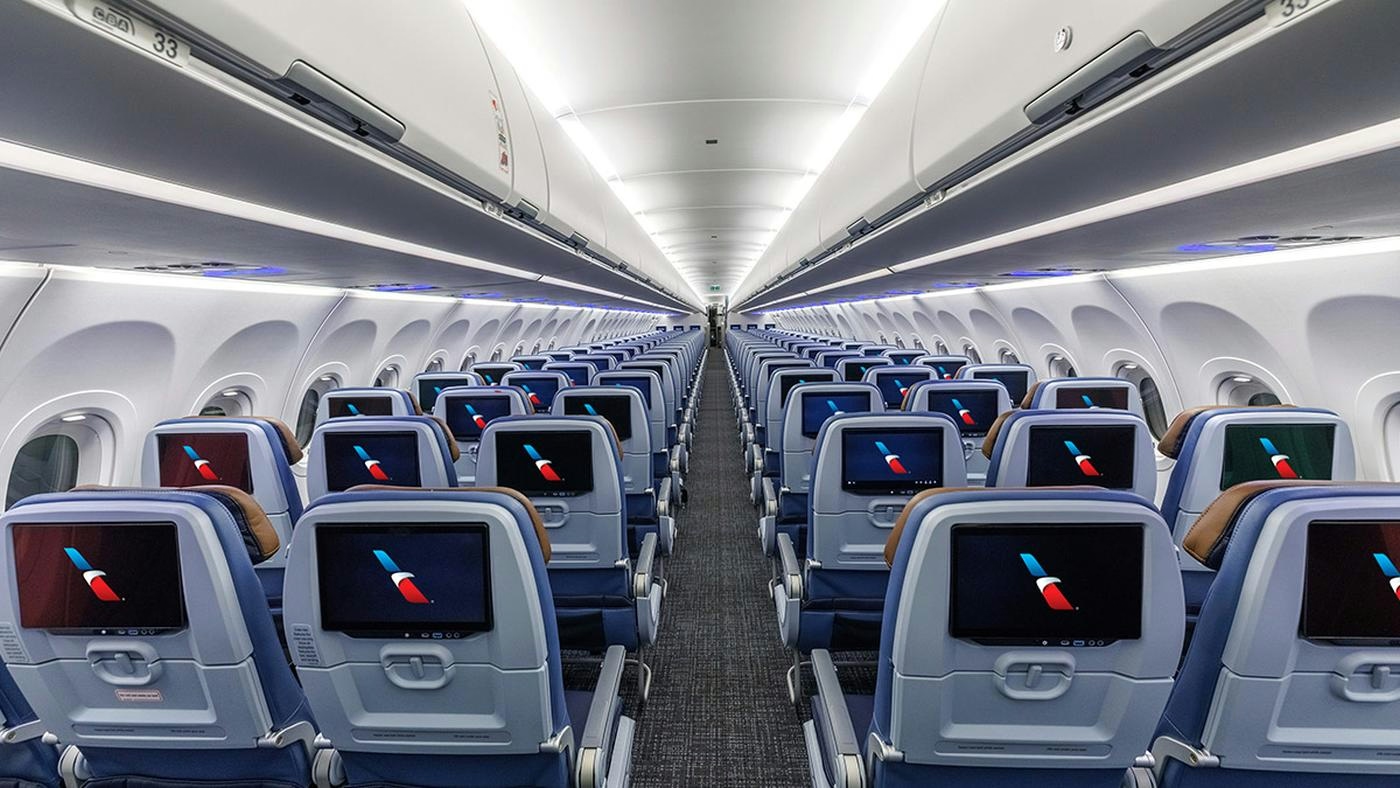
American Airlines Plans to Receive New Aircraft Deliveries in 2026
Delta Flight Returns to Atlanta Airport Due to Engine Trouble

Samoa Airways Recovers Damaged DHC-6-300 Aircraft
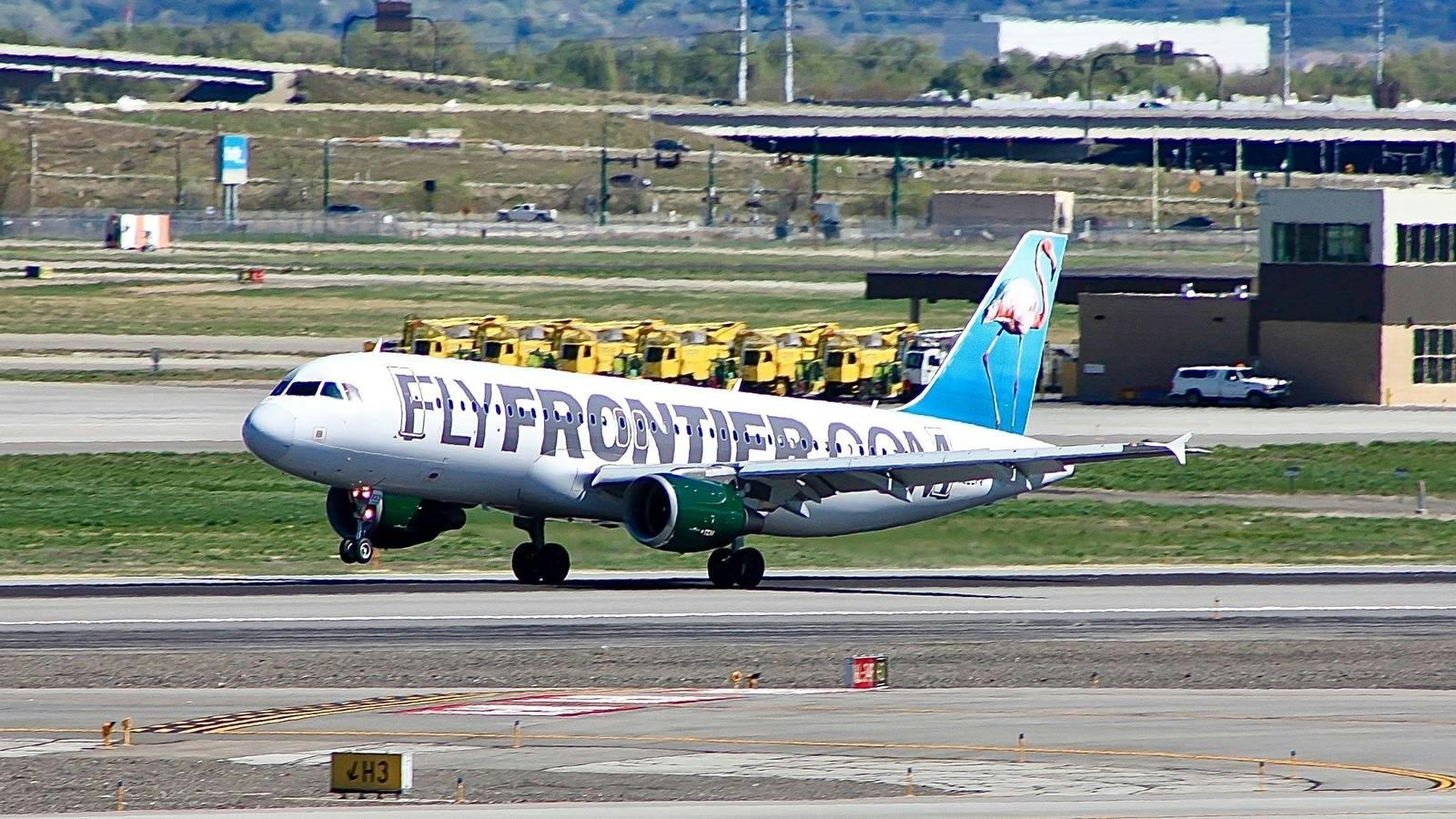
Man Ingested by Frontier Airlines Engine Marks Denver’s Sixth Airfield Security Breach in Three Years

The Advantages and Disadvantages of Owning Versus Leasing a Private Jet
Former Spirit Employees Express Concerns Over AI Partnership With Google
China Certifies Pilotless Air Taxi for Export; Sri Lanka First Buyer
US Pilot Hourly Pay Ranges from $90 for Regional to $465 for Widebody Flights

NASA Chooses University Teams to Support Aviation Research

Airbus Conducts Freighter First Flight as Delivery Figures Influence Stock
