
Trasforma le intuizioni dell’IA in azioni concrete

Tendenze
Categories
Rethinking Passenger Interactions in the Age of AI

Rethinking Passenger Interactions in the Age of AI
As the 2026 FIFA World Cup approaches, the United States anticipates an influx of millions of international travelers, placing unprecedented demands on airport operations. This challenge recalls a transformative moment in 1984 when Los Angeles hosted the Olympic Games. At that time, fragmented airline check-in systems caused significant inefficiencies and long queues. The introduction of Common Use Terminal Equipment (CUTE) marked a turning point by enabling multiple airlines to share check-in infrastructure. This innovation revolutionized airport operations and laid the groundwork for subsequent advancements such as Common Use Passenger Processing Systems (CUPPS), Common Use Self Service (CUSS), and Self Bag Drop (SBD). These developments standardized airport infrastructure, simplified processes, and allowed airports to handle increasing passenger volumes with greater efficiency. For decades, the primary objective was clear: expedite passenger flow. However, this approach was rooted in a period when passengers were largely viewed as elements within an operational system to be optimized.
From Processing to Understanding
The contemporary airport environment has evolved significantly. Passenger expectations have risen, commercial revenues have become increasingly critical, and operational complexities continue to grow. This evolution raises a fundamental question: are passenger touchpoints merely operational bottlenecks, or do they represent untapped opportunities for intelligence and revenue generation?
Modern passenger processing technologies excel at minimizing friction. Self-service kiosks accelerate check-in, self bag drop automates baggage handling, and eGates verify identities within seconds. Despite these efficiencies, the systems remain predominantly transactional. They lack the capability to recognize when a traveler is running late and might benefit from expedited security screening, or to identify passengers who could be interested in lounge access or last-minute retail offers. Airports have become highly proficient at moving passengers swiftly but remain less adept at understanding their individual needs and preferences.
This distinction is crucial. For many airports, non-aeronautical revenues now constitute over 40% of total income. Each passenger interaction is not merely an operational event but also an opportunity to enhance the travel experience, increase satisfaction, and drive commercial value.
The Promise and Challenges of AI
Biometric technologies have already transformed identity verification and reduced friction in passenger processing. However, identity assurance alone is no longer sufficient. Artificial intelligence holds the promise of transcending transactional processing by enabling airports to understand passenger needs in real time and deliver personalized experiences. Yet, this transition introduces significant challenges.
AI systems must incorporate mechanisms for human oversight to ensure safety and reliability. Technical robustness and security are paramount to prevent failures and vulnerabilities. Responsible handling of sensitive passenger data is essential to maintain trust, necessitating stringent privacy and data governance frameworks. Furthermore, AI must operate transparently, fairly, and without bias to avoid discriminatory outcomes. Consideration of the broader societal and environmental impacts of AI deployment is also critical. Finally, clear accountability structures must be established to govern AI-driven decisions.
Market responses to AI’s expanding role in airports are mixed. Skepticism persists regarding its tangible benefits, alongside concerns about potential algorithmic collusion. In response, competitors are investing heavily in technical and data capabilities, redesigning workflows to foster human-AI collaboration, and strengthening customer relationships and ecosystem partnerships.
As the industry prepares for the next wave of global events, airports face a pivotal moment. The future of passenger interactions will hinge not only on processing efficiency but also on the capacity to understand, engage, and serve travelers in ways that are intelligent, ethical, and commercially astute.
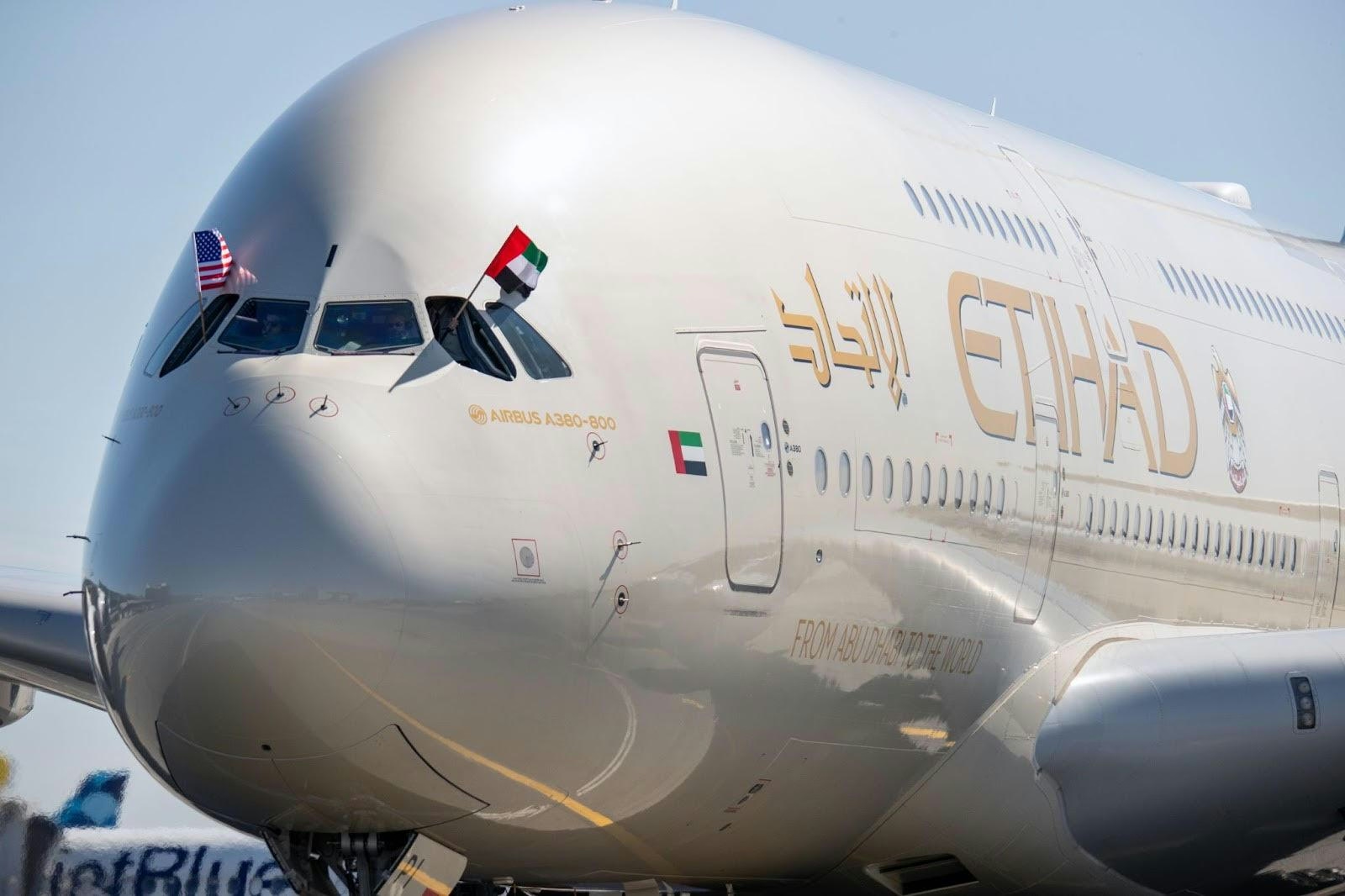
Etihad Airways Suspends Airbus A380 Flights on Key Route

Aditya Birla Group Seeks Approval for Aircraft Leasing in GIFT City

Qatar Airways Highlights Innovation and Connectivity at Arabian Travel Market 2026
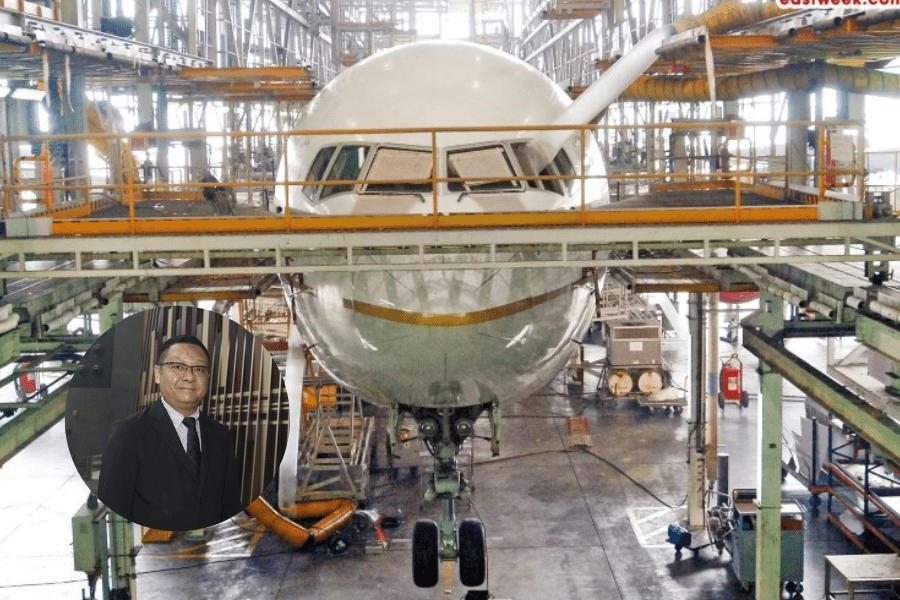
Hong Kong's Five-Year Plan Includes Andrew Fan's Aircraft Parts Processing Hub Proposal

ACIA Aero Leasing Delivers ATR72-600 to Air Nostrum
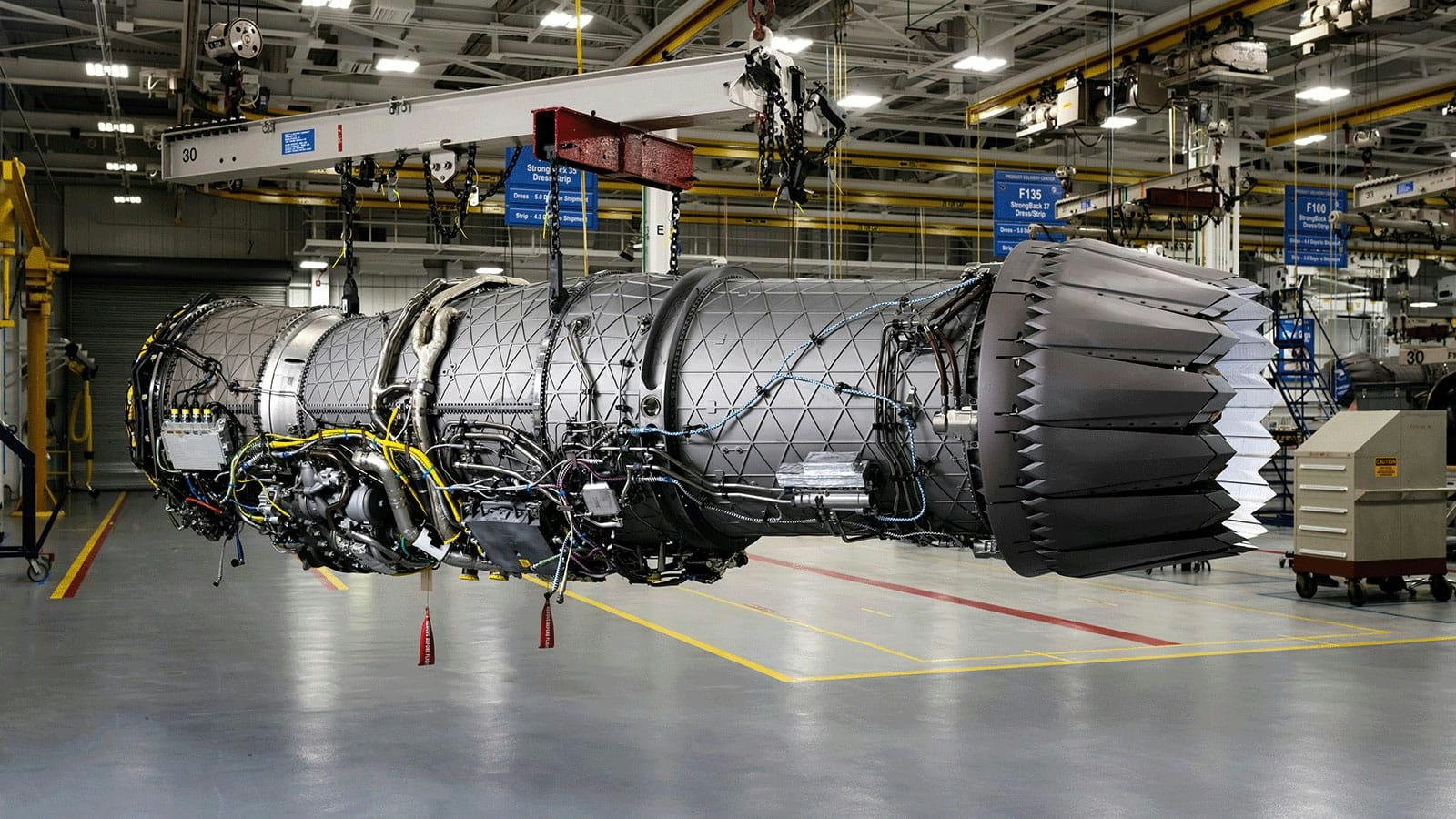
RTX Appoints Jill Albertelli as Head of Pratt & Whitney

TAT Technologies Joins Beyond Aero Hydrogen Aircraft Program

AURAK Study Highlights Barriers to Air Taxi Adoption in Emerging Economies
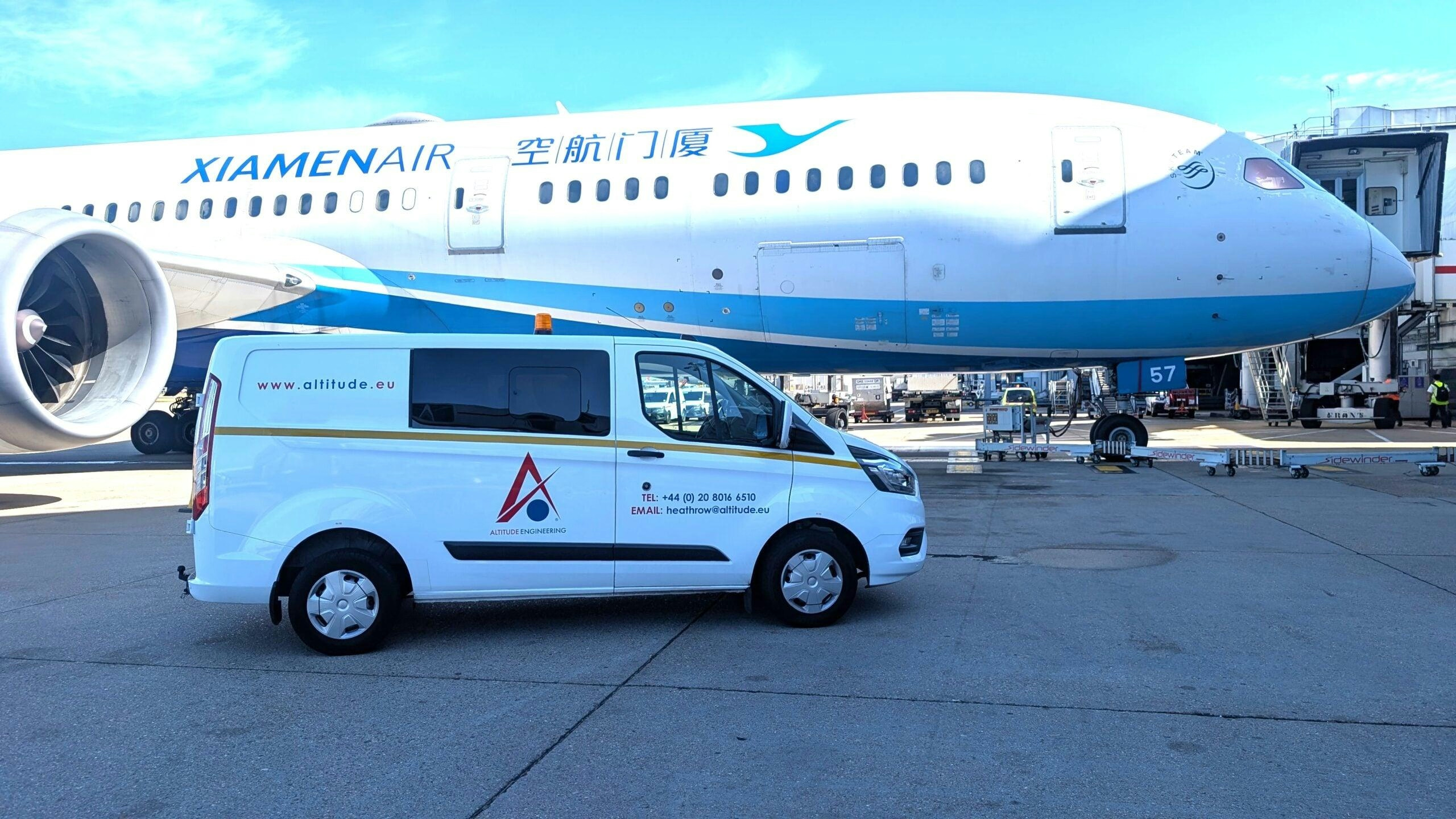
Xiamen Air Selects Altitude for 787 Maintenance at Heathrow
Etihad and Swissport Extend Global Partnership
