
Trasforma le intuizioni dell’IA in azioni concrete

Tendenze
Categories
Rising Engine Values Spur Aircraft Teardowns and Strain Freighter Supply
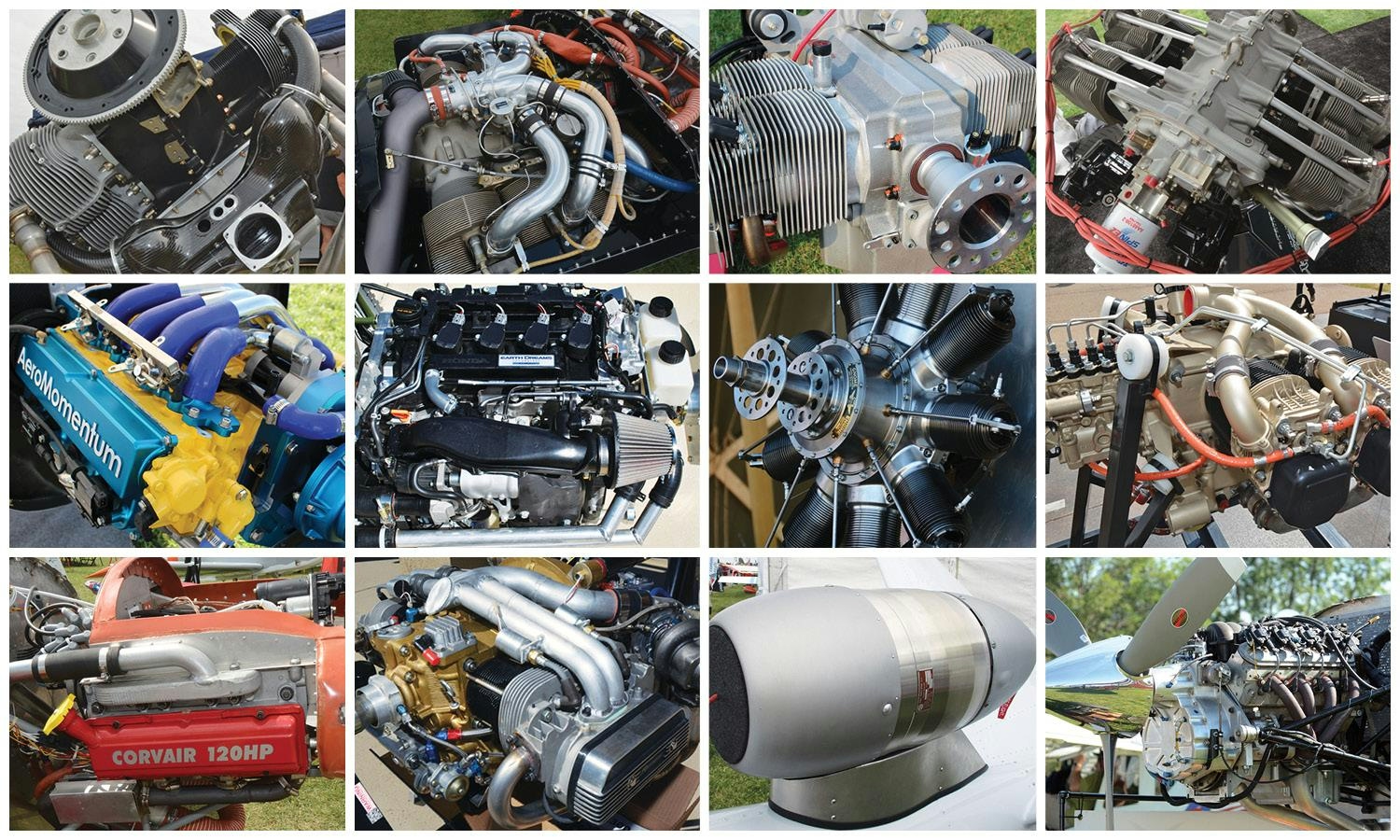
Rising Engine Values Drive Early Aircraft Teardowns and Strain Freighter Supply
The aviation industry is witnessing a significant shift as engine lease rates now exceed the value of entire aircraft, prompting earlier-than-expected teardowns and tightening the supply of feedstock for freighter conversions. This emerging dynamic is compelling air cargo operators to rethink their fleet strategies amid soaring engine costs and a shrinking pool of available aircraft.
Early Teardowns and Market Shifts
Recent analysis from Visual Approach Analytics reveals that aircraft are being dismantled at unprecedentedly young ages, driven by the fact that engines alone can be worth more than the complete airframe. Courtney Miller, Managing Director at Visual Approach, emphasized this shift by questioning whether six-year teardowns should come as a surprise when two engines surpass the combined value of the aircraft. Developed in collaboration with ISTAT-certified appraiser Gueric Dechavanne, the report underscores a fundamental departure from traditional fleet management timelines, signaling a new market reality.
This phenomenon is especially pronounced among popular narrowbody models such as the Boeing 737NG, Airbus A321, and Boeing 757. The scarcity of engines is creating bottlenecks in maintenance, repair, and overhaul (MRO) operations, which in turn drives up short-term lease prices. Consequently, aircraft that would have been earmarked for future freighter conversion are increasingly being parted out prematurely, further constricting the supply of viable conversion candidates and intensifying challenges for cargo operators.
Broader Industry Implications and Market Responses
The surge in engine values is reverberating beyond the cargo sector, affecting the wider aviation industry. Demand for legacy engine parts has surged, prompting operators and MRO providers to reassess procurement strategies amid material shortages. This environment has fueled growth in the commercial aftermarket, with companies such as GE Aerospace experiencing record stock valuations in December 2025. Analysts have upgraded GE Aerospace’s outlook, citing strong aftermarket demand, increased engine output, and the resilience of its LEAP engine family, despite ongoing supply chain and production challenges.
For the air cargo sector, where converted freighters constitute a substantial portion of narrowbody capacity, these developments present significant operational challenges. Operators face the dual pressures of escalating engine costs and a diminishing inventory of aircraft suitable for conversion. While some have already begun adjusting their fleet and procurement approaches, others are only now confronting the full implications of this evolving market landscape.
As global air traffic demand remains robust, the MRO market is gaining momentum, offering new opportunities for aftermarket providers. Nevertheless, the tension between rising engine values and limited aircraft availability is expected to persist, continuing to influence strategic decisions across the cargo and maintenance sectors in the near term.

Etihad Airways Suspends Airbus A380 Flights on Key Route

Aditya Birla Group Seeks Approval for Aircraft Leasing in GIFT City

Qatar Airways Highlights Innovation and Connectivity at Arabian Travel Market 2026

Hong Kong's Five-Year Plan Includes Andrew Fan's Aircraft Parts Processing Hub Proposal

ACIA Aero Leasing Delivers ATR72-600 to Air Nostrum

RTX Appoints Jill Albertelli as Head of Pratt & Whitney

TAT Technologies Joins Beyond Aero Hydrogen Aircraft Program

AURAK Study Highlights Barriers to Air Taxi Adoption in Emerging Economies

Xiamen Air Selects Altitude for 787 Maintenance at Heathrow

Etihad and Swissport Extend Global Partnership
