
Trasforma le intuizioni dell’IA in azioni concrete

Tendenze
Categories
Temco TT Pinto Makes Forced Landing
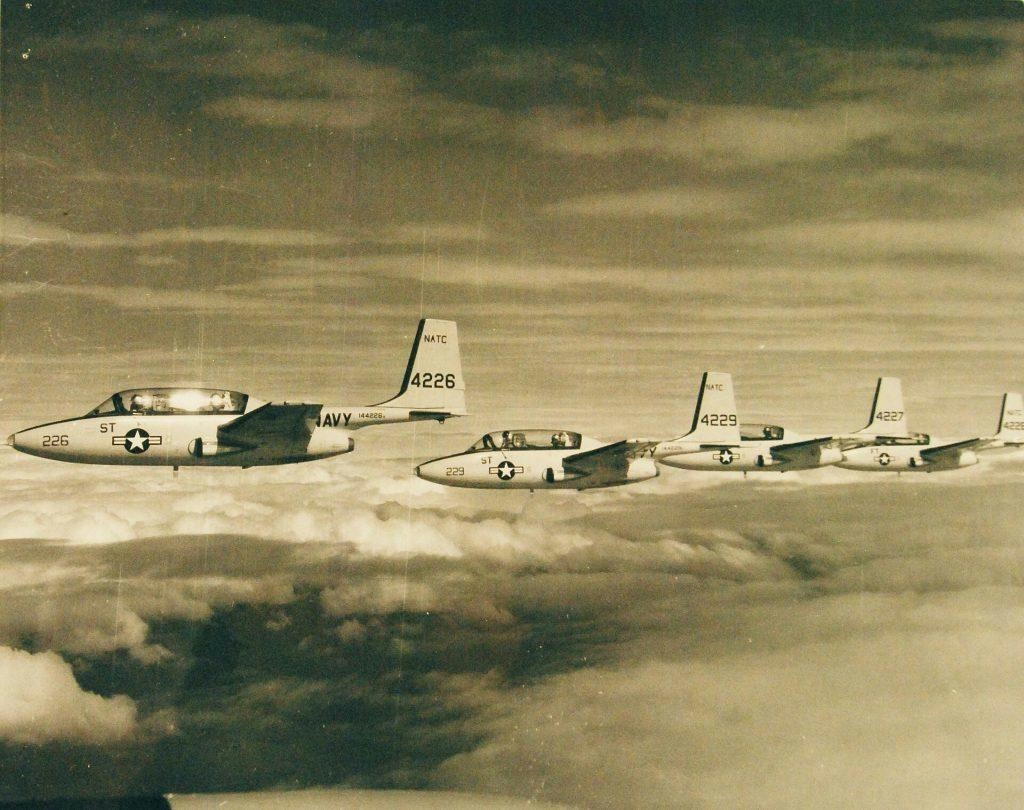
Temco TT Pinto Forced to Make Emergency Landing Following Fuel Transfer Malfunction
A vintage Temco TT Pinto jet trainer was compelled to execute an emergency landing near Laurel Hill, Florida, after experiencing an engine flameout caused by a fuel management issue. The incident occurred during a cross-country positioning flight that commenced with a full fuel load of 224 gallons.
Flight Progress and Incident Details
The flight initially proceeded without incident, with takeoff and climb phases completed smoothly, reaching a cruising altitude of 12,500 feet. Approximately 33 minutes into the flight, the pilot initiated descent toward the destination airport. Six minutes later, a “FUEL PRESSURE LOW” warning illuminated in the cockpit. Despite the pilot confirming that the electric fuel boost pump was engaged and that the fuel transfer switches from the tip tanks to the main tanks were activated, the engine lost power and could not be restarted.
With the airport out of reach, the pilot was forced to land in a nearby field. The aircraft collided with a barbed wire fence and uneven terrain, sustaining significant airframe damage. Post-accident examination revealed no evidence of engine case rupture or fluid leakage. The engine was manually rotated using the battery-powered starter and operated normally without unusual sounds.
Investigation Findings and Fuel System Analysis
Investigators recovered approximately 33 gallons of fuel from the left tip tank, 40 gallons from the right tip tank, and about 30 gallons from the main tanks, although some fuel loss may have occurred during the crash. The TT Pinto’s fuel system is designed to transfer fuel from the tip tanks to the main tanks; however, the main tanks lack fuel quantity indicators, requiring pilots to estimate fuel consumption based on power settings. Aircraft guidance recommends burning 60 gallons from the main tanks before activating the transfer pumps.
Data from the aircraft’s fuel flow indicator showed an average fuel burn rate of 222 gallons per hour during the flight, with fuel transferring from the tip tanks at 80 gallons per hour. Investigators concluded that the pilot likely delayed activating the fuel transfer switches after takeoff, causing the main tanks to deplete faster than they were replenished. This fuel starvation led to the engine flameout. The presence of fuel in the tanks after the accident was attributed to the continued operation of battery-powered transfer pumps following engine shutdown.
The probable cause was identified as the pilot’s delay in activating the fuel transfer system, resulting in fuel starvation and subsequent engine failure.
Implications for Temco and Market Perception
Beyond the immediate safety concerns, this incident may have broader repercussions for Temco’s market reputation. In sectors where safety and reliability are critical, such events can affect consumer confidence and provide competitors with opportunities to emphasize their own safety features. Market reactions often depend on demand for similar aircraft and prevailing technological trends. As competitors observe such incidents, Temco may face increased scrutiny and potential shifts in consumer preference, highlighting the vital importance of operational reliability in sustaining market position.

Etihad Airways Suspends Airbus A380 Flights on Key Route

Aditya Birla Group Seeks Approval for Aircraft Leasing in GIFT City

Qatar Airways Highlights Innovation and Connectivity at Arabian Travel Market 2026

Hong Kong's Five-Year Plan Includes Andrew Fan's Aircraft Parts Processing Hub Proposal

ACIA Aero Leasing Delivers ATR72-600 to Air Nostrum

RTX Appoints Jill Albertelli as Head of Pratt & Whitney

TAT Technologies Joins Beyond Aero Hydrogen Aircraft Program

AURAK Study Highlights Barriers to Air Taxi Adoption in Emerging Economies

Xiamen Air Selects Altitude for 787 Maintenance at Heathrow

Etihad and Swissport Extend Global Partnership
