
Trasforma le intuizioni dell’IA in azioni concrete

Tendenze
Categories
The SR-71 Blackbird Reached Mach 3.5 and 85,000 Feet Using Advanced Materials and Engines
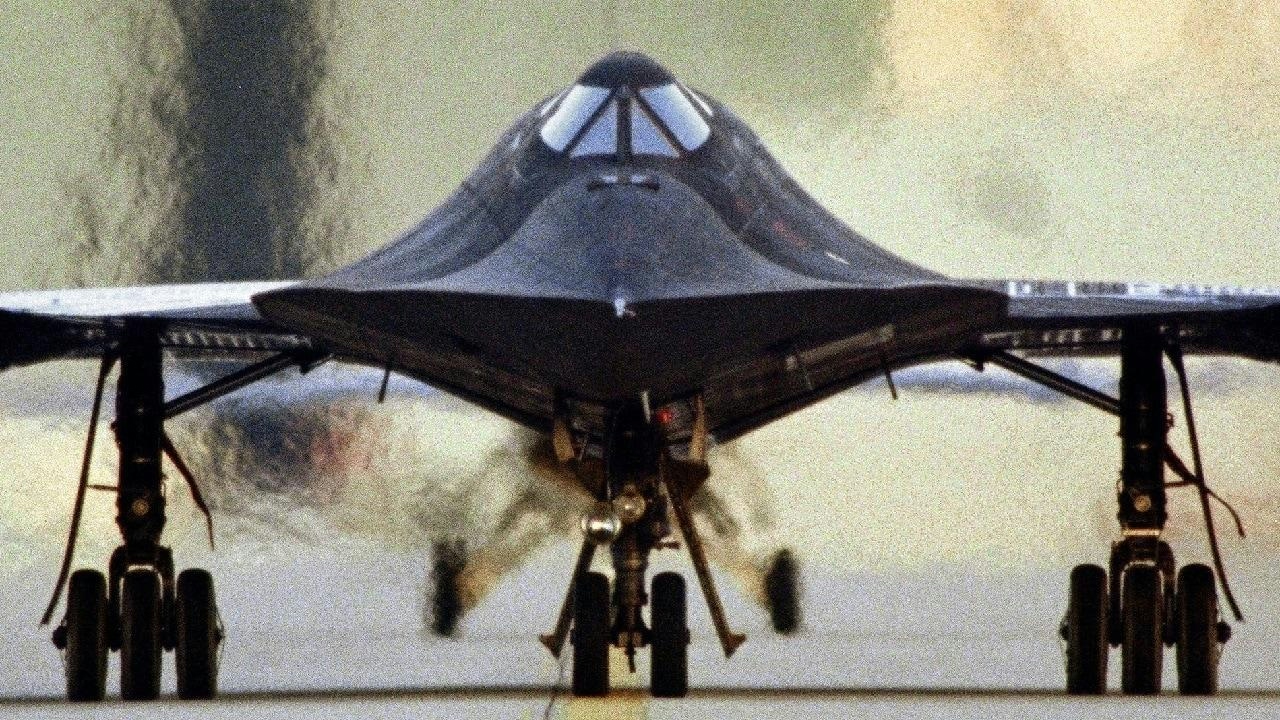
The SR-71 Blackbird: Pioneering Speed and Altitude Through Advanced Engineering
Nearly five decades after its record-breaking flights, the SR-71 Blackbird endures as an emblem of technological daring and innovation. On July 28, 1976, U.S. Air Force pilot Robert Helt and reconnaissance systems officer Larry Elliott piloted the aircraft to sustained horizontal flight at an altitude exceeding 85,000 feet. On the same day, another crew established the SR-71’s enduring speed record of 2,193.167 miles per hour—more than three times the speed of sound. These milestones remain unparalleled, underscoring the extraordinary capabilities of this Cold War-era reconnaissance aircraft.
Engineering Limits: Power Versus Heat
Despite its legendary performance, the SR-71’s flight manual imposed a ceiling of 85,000 feet, with any flight beyond requiring special authorization. This limitation was not due to insufficient engine power. The Blackbird’s Pratt & Whitney J58 engines were uniquely engineered to operate at maximum afterburner indefinitely, a capability unmatched by any other turbojet of the period. Stephen Gandee, a former member of the 9th Field Maintenance Squadron Propulsion Branch at Beale Air Force Base, noted that the engines could sustain maximum afterburner without time restrictions, confirming that engine power was not the limiting factor.
Instead, the primary constraint was thermal stress. At speeds exceeding Mach 3.2, the process of decelerating and compressing incoming air before it entered the engines generated extreme heat. The compressor inlet temperature approached a critical threshold of 427 degrees Celsius, dictated by the limits of the advanced titanium alloys and other materials used in the airframe and engine components. Although the SR-71 operated near maximum power at its operational ceiling, the risk of overheating rather than lack of thrust ultimately defined its upper altitude boundary.
Challenges and Legacy
Operating at such extreme speeds and altitudes presented significant challenges. The advanced materials and engineering solutions required to withstand intense heat and mechanical stresses made the SR-71 exceptionally costly to manufacture and maintain. Its complex systems demanded highly specialized crews and rigorous upkeep. Furthermore, the environmental impact of supersonic flight, particularly the sonic booms it generated, has long been a subject of controversy, influencing regulatory discussions such as opposition to the Federal Aviation Administration’s supersonic flight initiatives.
Despite these challenges, the SR-71’s legacy continues to shape aerospace innovation. Defense contractors and national security agencies maintain a keen interest in developing high-speed, high-altitude platforms, exemplified by recent projects like Hermeus’s Ramjet-X, which aims to achieve Mach 5 flight. While contemporaries such as the Convair F-106 Delta Dart and the McDonnell F-101 Voodoo also pushed the boundaries of speed and altitude during the Cold War, none matched the Blackbird’s unique combination of performance and endurance.
The SR-71 Blackbird’s achievements were ultimately constrained not by engine capability but by the material science and engineering limits of its era. Its story remains a powerful testament to the intricate balance between technological ambition and the physical realities of flight.

Joby Aviation Extends Autonomous Flight Capabilities with Cross-Country Tour
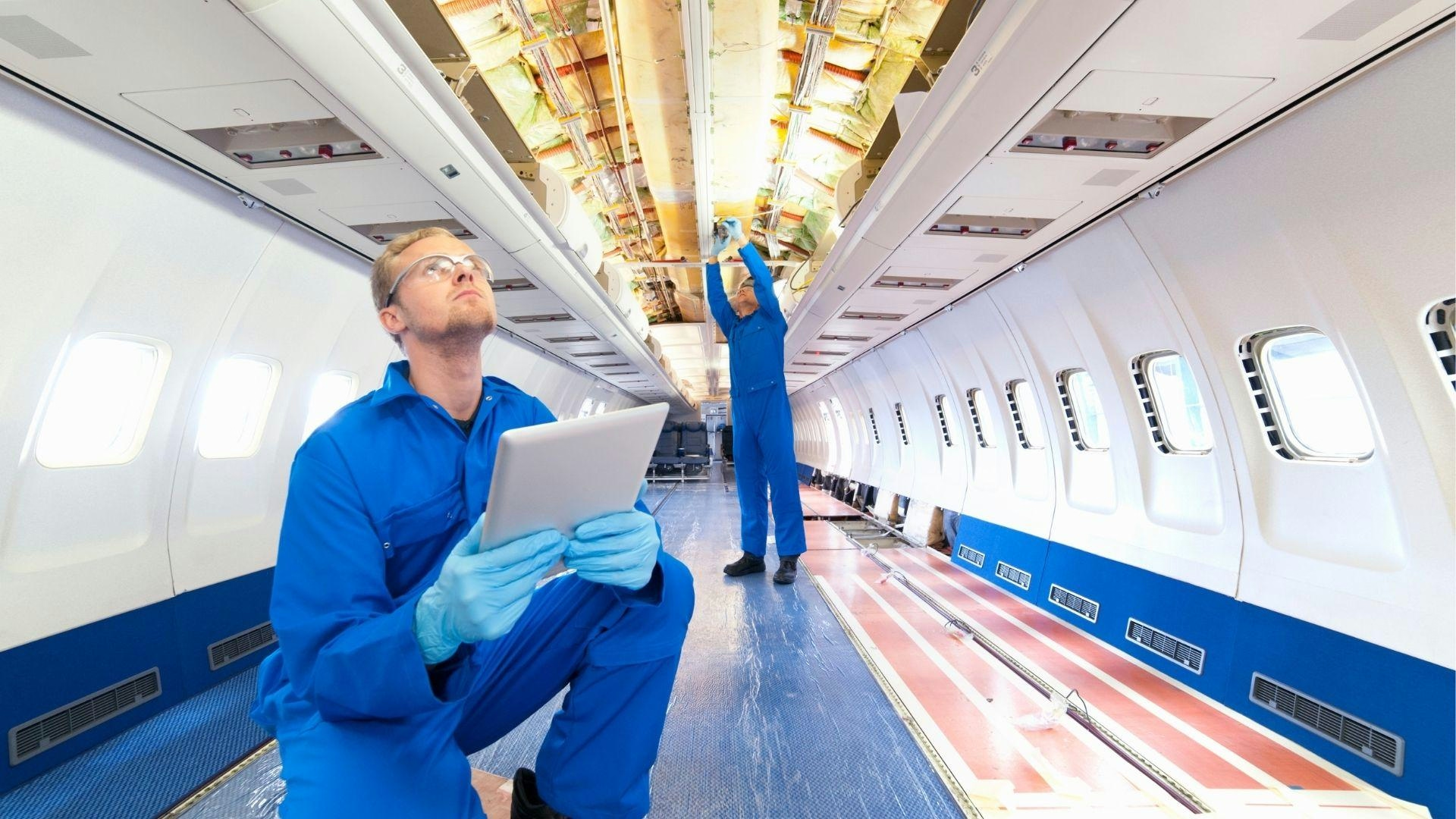
Strengthening Europe's Aviation Supply Chain Amid Uncertainty
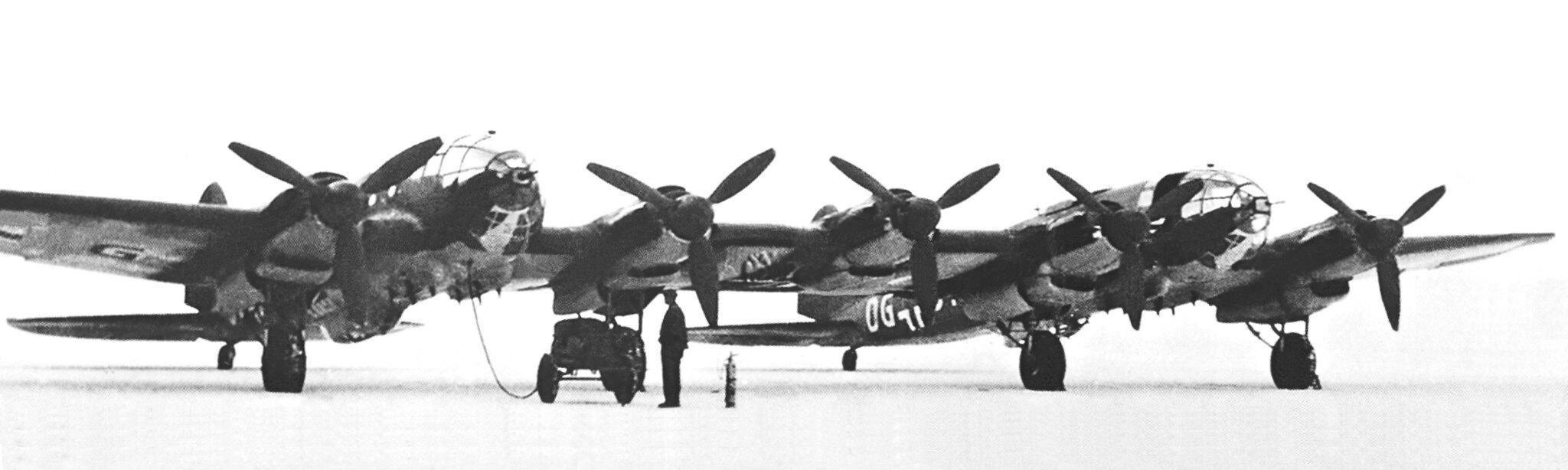
He 111Z Zwilling: Twin Fuselages, Five Engines, One Pilot
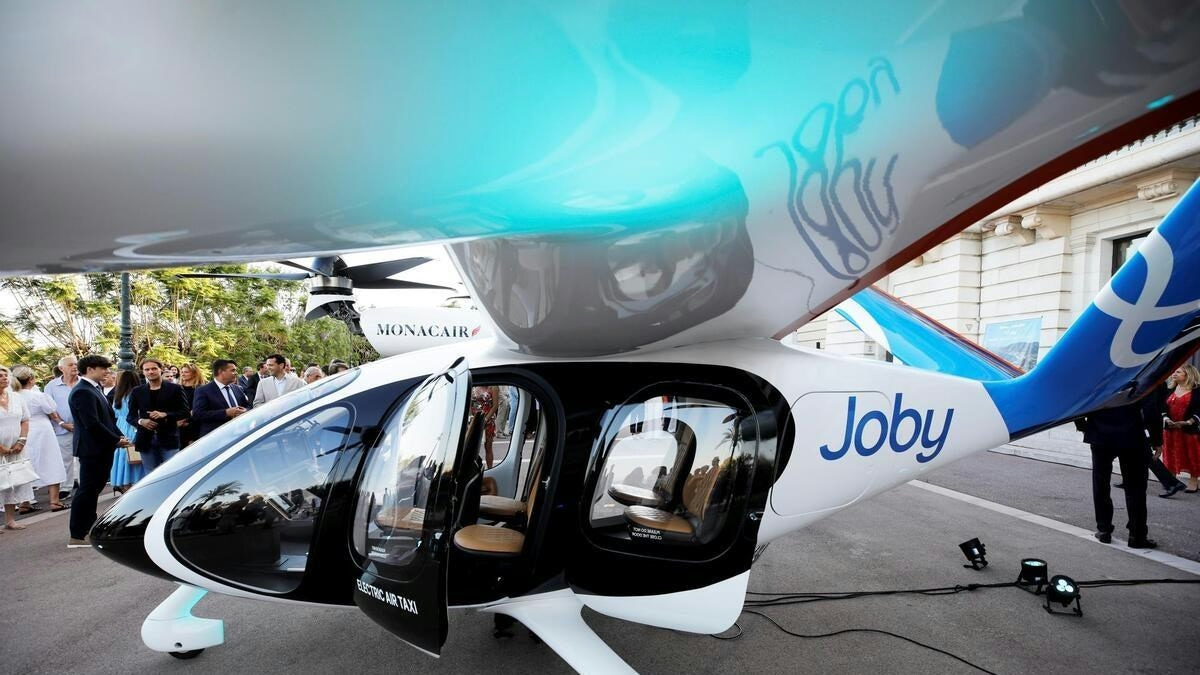
Monacair Plans Electric Air Taxi Service Between Monaco and Nice by 2029
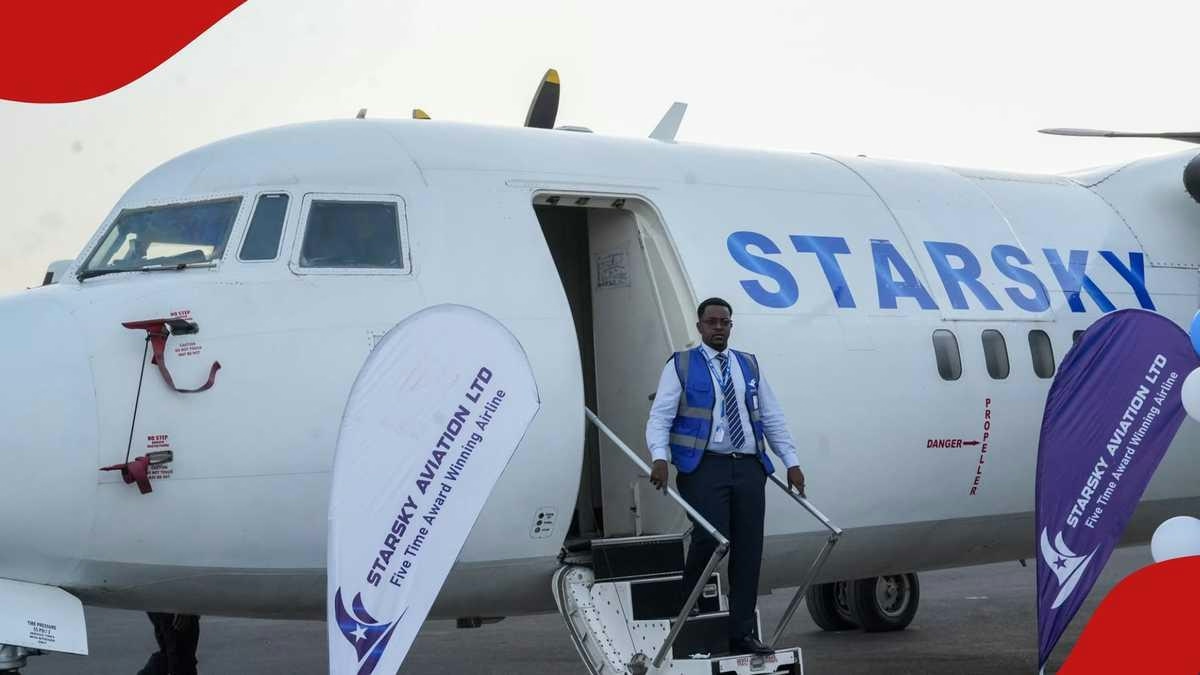
Somalia’s Starsky Aviation Plans International Expansion

Precision and Care Essential in Aerospace Coating Applications

Drukair Chooses LEAP Engines for Five Airbus Aircraft

GE Aerospace Advances XA102 Adaptive Cycle Engine Toward Assembly for U.S. Air Force Combat Aircraft
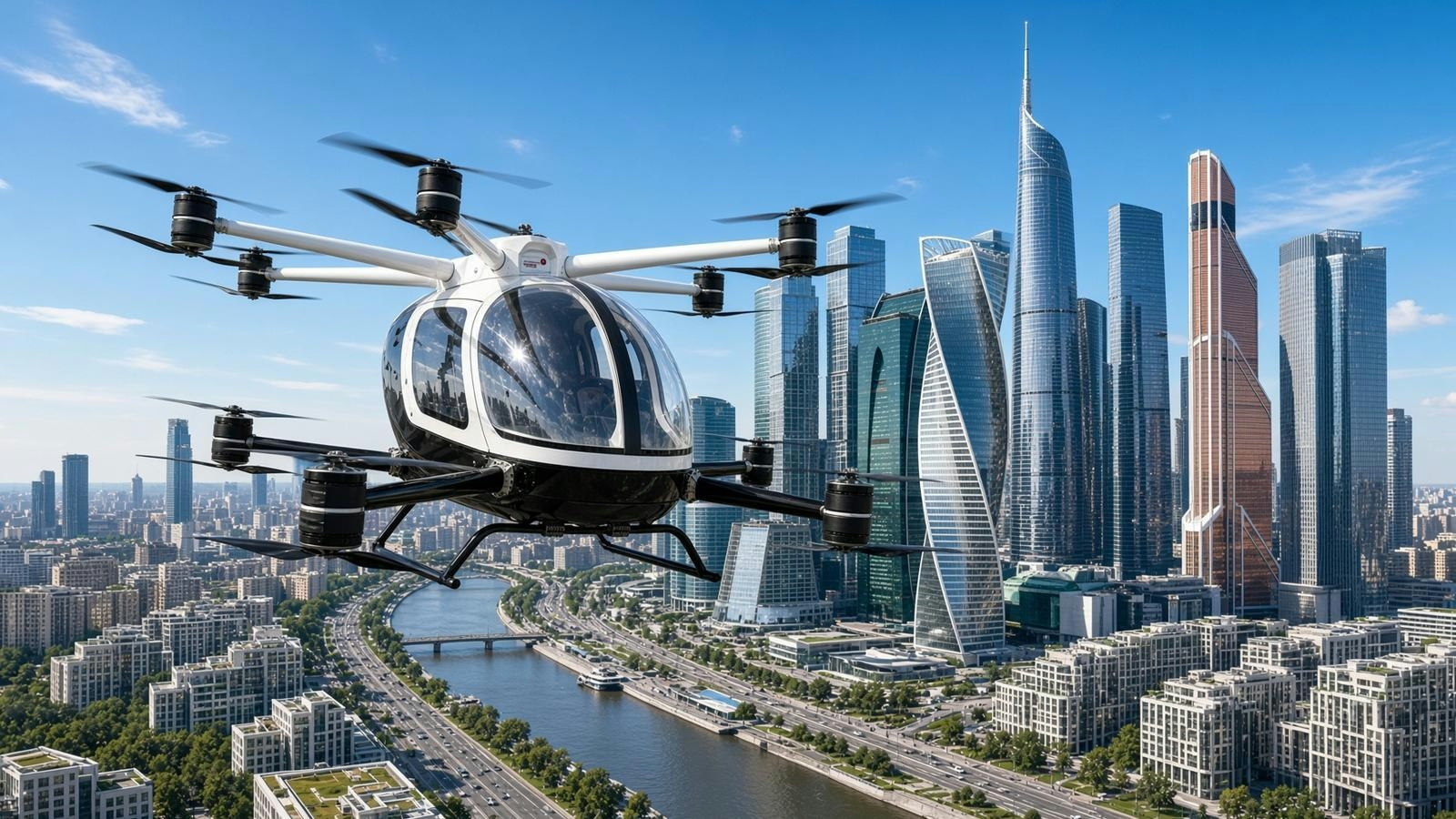
Russia Tests Air Taxis with Passenger Flights Possible in 2-3 Years
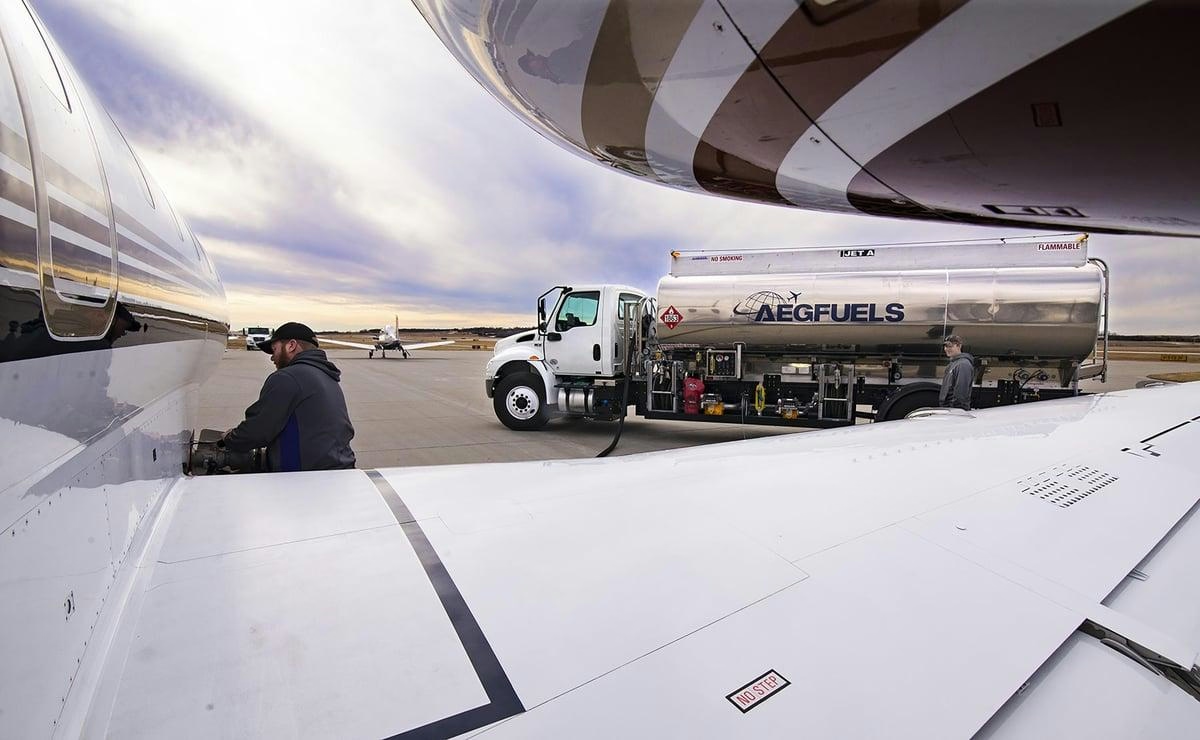
AEG Fuels Launches Equipment Leasing Subsidiary
