
Trasforma le intuizioni dell’IA in azioni concrete

Tendenze
Categories
Understanding the Impact of AI on Predictive Maintenance
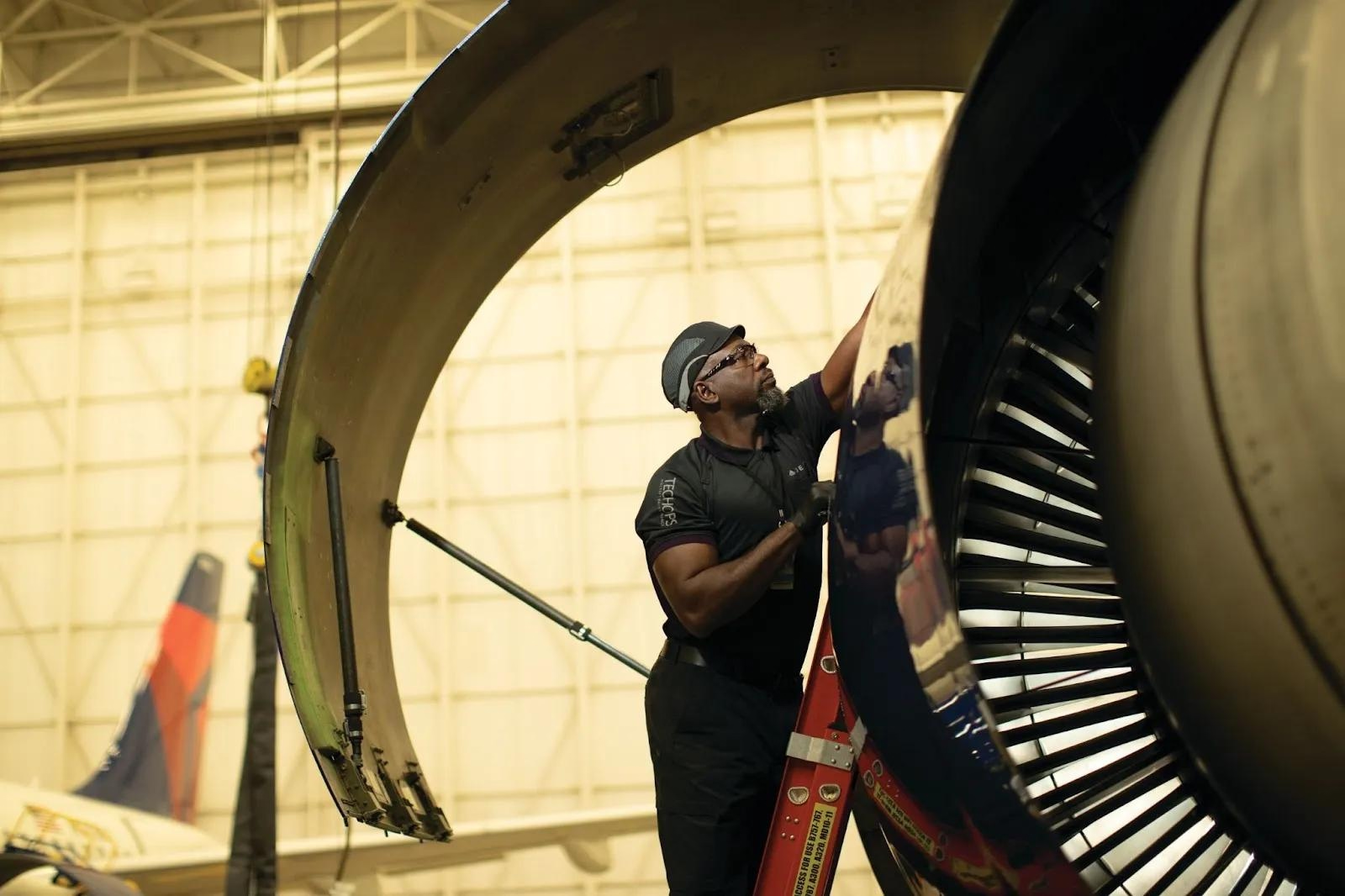
Understanding the Impact of AI on Predictive Maintenance
The Evolution of Predictive Maintenance
Predictive maintenance has long been a critical component in industries reliant on complex machinery and equipment. Traditionally, maintenance schedules were based on fixed intervals or reactive responses to equipment failures. However, these approaches often led to unnecessary downtime or unexpected breakdowns, resulting in significant operational costs. The advent of artificial intelligence (AI) has revolutionized this field by enabling more accurate and timely predictions of equipment health, thereby optimizing maintenance activities.
How AI Enhances Predictive Maintenance
AI technologies, particularly machine learning algorithms, analyze vast amounts of data collected from sensors embedded in machinery. These algorithms identify patterns and anomalies that human operators might overlook, allowing for early detection of potential failures. By continuously learning from new data, AI systems improve their predictive accuracy over time. This capability not only reduces unplanned downtime but also extends the lifespan of equipment by ensuring maintenance is performed precisely when needed.
Industry Applications and Benefits
Various sectors, including manufacturing, energy, and transportation, have embraced AI-driven predictive maintenance to enhance operational efficiency. In manufacturing plants, AI helps monitor production lines to prevent costly interruptions. The energy sector utilizes AI to maintain critical infrastructure such as turbines and power grids, minimizing the risk of outages. Similarly, transportation companies employ AI to monitor vehicle health, improving safety and reliability. Across these industries, the integration of AI into maintenance strategies has led to significant cost savings, improved asset utilization, and increased overall productivity.

Etihad Airways Suspends Airbus A380 Flights on Key Route

Aditya Birla Group Seeks Approval for Aircraft Leasing in GIFT City

Qatar Airways Highlights Innovation and Connectivity at Arabian Travel Market 2026

Hong Kong's Five-Year Plan Includes Andrew Fan's Aircraft Parts Processing Hub Proposal

ACIA Aero Leasing Delivers ATR72-600 to Air Nostrum

RTX Appoints Jill Albertelli as Head of Pratt & Whitney

TAT Technologies Joins Beyond Aero Hydrogen Aircraft Program

AURAK Study Highlights Barriers to Air Taxi Adoption in Emerging Economies

Xiamen Air Selects Altitude for 787 Maintenance at Heathrow

Etihad and Swissport Extend Global Partnership
