
Trasforma le intuizioni dell’IA in azioni concrete

Tendenze
Categories
Virgin Australia to Receive First Boeing 737-10 in 2027, Expanding Fleet Capacity
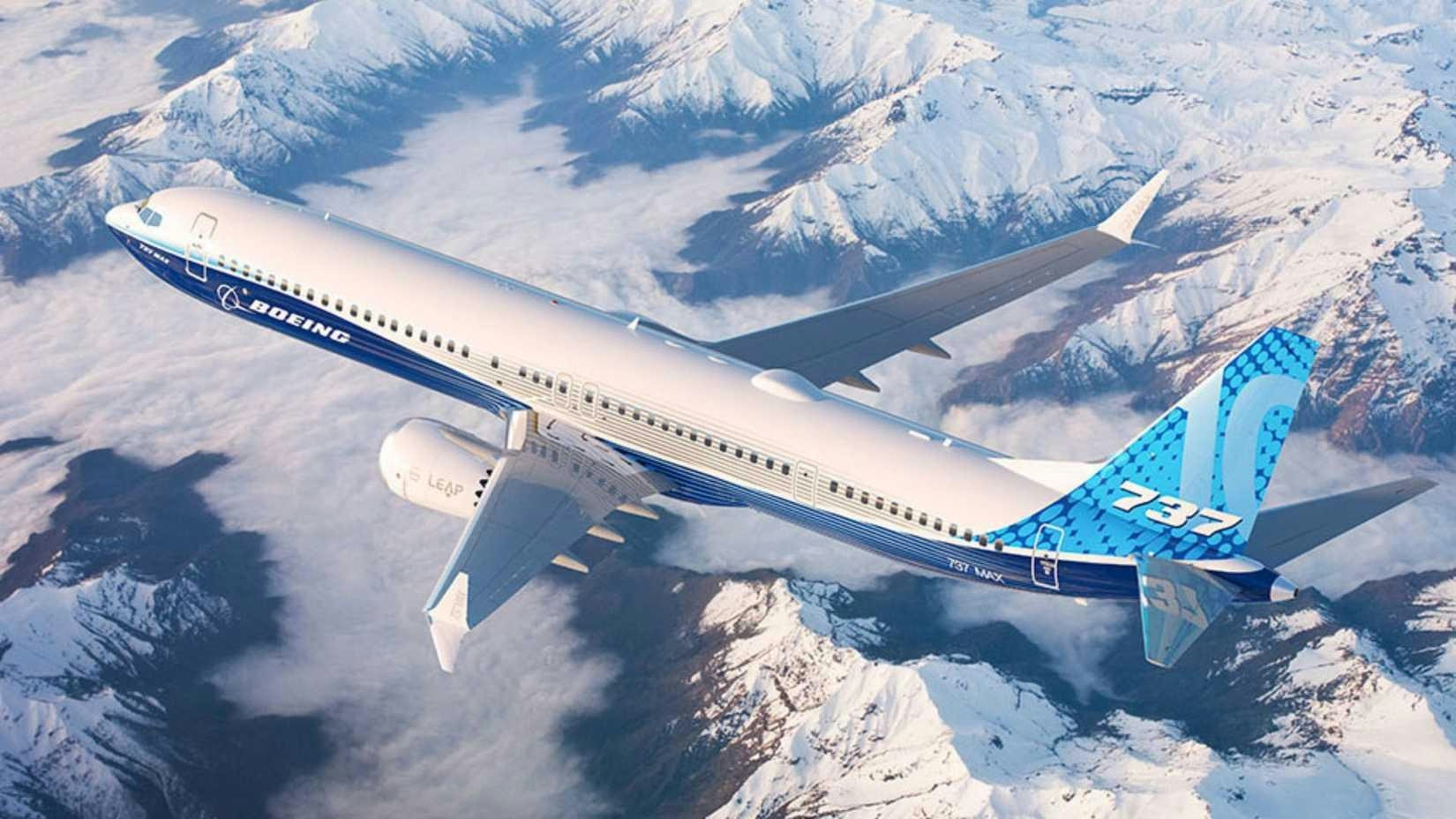
Virgin Australia to Receive First Boeing 737-10 in 2027, Expanding Fleet Capacity
Virgin Australia has announced that it will take delivery of its first Boeing 737-10 aircraft in late 2027, marking a pivotal advancement in the airline’s fleet modernization efforts. This new addition will be the largest aircraft in Virgin Australia’s fleet, capable of accommodating between 188 and 204 passengers in a two-class configuration. The initial delivery is part of a firm order for ten 737-10s, with the timeline dependent on Boeing obtaining regulatory approval from US authorities.
The announcement follows three years of successful operations with the Boeing 737 MAX series. Currently, Virgin Australia operates 19 Boeing 737-8 aircraft, with an additional seven expected by the end of 2026. Over this period, the airline has reported fuel savings of approximately 30 million litres and a reduction of more than 77,000 tonnes of CO2 emissions compared to its previous 737-800 fleet.
Strategic Rationale and Sustainability
Virgin Australia’s decision to incorporate the 737-10 into its fleet aligns with its broader modernization and sustainability objectives. The 737-10 offers significant operational efficiencies, including a 20% reduction in fuel consumption and carbon emissions per seat relative to the older 737-800 model. Its range of 5,740 kilometres enables the airline to serve both its extensive domestic network and emerging international routes in Southeast Asia.
Chief Executive Officer Dave Emerson emphasized the importance of fleet renewal as “the single biggest lever we have to reduce emissions in the near term,” highlighting the 737-10’s critical role in achieving the airline’s environmental targets. The aircraft’s commonality with the existing 737-8 fleet will facilitate streamlined pilot training, maintenance, and spare parts management, thereby reducing implementation costs and optimizing crew utilization.
Industry Context and Competitive Landscape
Virgin Australia’s fleet renewal initiative occurs amid increasing competition and tightening regulatory requirements across the Asia-Pacific aviation sector. Airlines in the region face more stringent carbon emissions reporting obligations, such as those imposed by Australia’s Safeguard Mechanism, making the adoption of modern, fuel-efficient aircraft essential for maintaining long-term competitiveness.
Similar fleet upgrades are underway among Virgin Australia’s competitors. Southwest Airlines plans to introduce the Boeing 737 MAX 7 in early 2027, while TUI is expanding its 737 MAX fleet. WestJet is also replacing older 737-700s with newer 737-8 models to enhance fuel efficiency. These developments reflect a broader industry trend toward fleet renewal as carriers seek to balance capacity growth with sustainability and cost management.
Challenges Ahead
Despite the clear advantages, Virgin Australia faces several challenges in integrating the 737-10 into its operations. Securing timely regulatory approvals remains a critical hurdle, as does managing the operational costs associated with deploying a larger aircraft. These challenges are compounded by the fact that competitors are pursuing similar strategies to modernize their fleets, intensifying market pressures.
Looking Forward
Since emerging from administration in 2020, Virgin Australia has focused on building a modern, fuel-efficient fleet. The introduction of 26 Boeing 737-8 aircraft by the end of 2026 has laid a foundation for capacity expansion and improved environmental performance. The arrival of the 737-10 will further this trajectory, enabling the airline to serve high-demand routes with greater efficiency and reduced per-passenger emissions.
In parallel, Virgin Australia is rolling out new business and economy cabin products to standardize the passenger experience across its Boeing fleet. The airline’s broader sustainability strategy includes reducing fleet age, upgrading engine technology, and exploring sustainable aviation fuels—key initiatives as the industry adapts to evolving regulatory and market demands.

Bangladesh Launches Initiative to Become Regional Aviation Hub
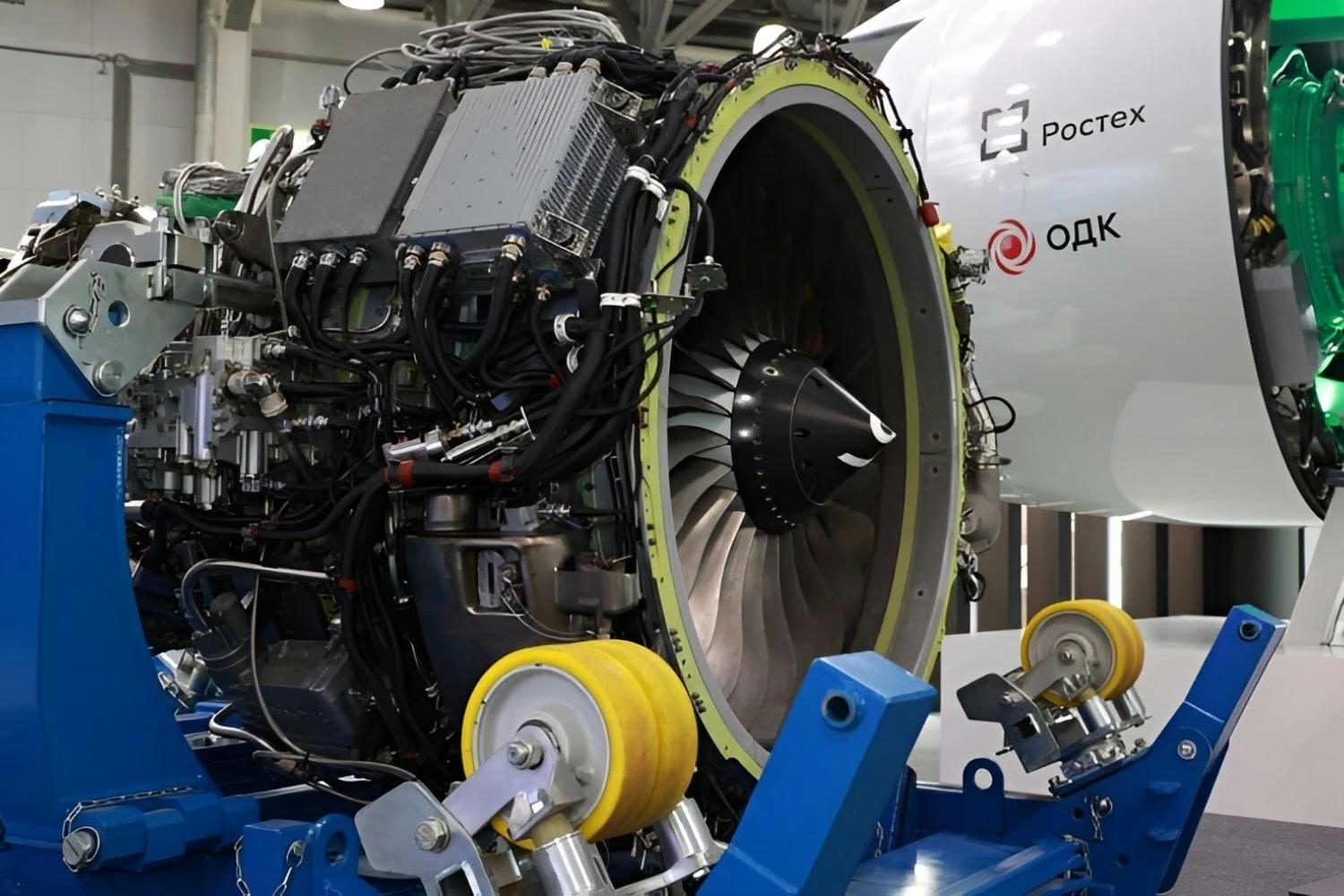
Russia Transports PD-8 Engine to India for International Certification

Kyrgyzstan to Adopt EMPIC GmbH Software for Flight Safety Oversight

Why Hawaiian Airlines Is Waiting Until 2028 To Add A Premium Economy Cabin To Its Airbus A330 Fleet

Engine Fault Causes Royal Navy Helicopter Crash Fatality

Joby Aviation Begins Texas Air Taxi Test Flights Amid Stock Decline

Iberia Receives Full Approval for Airbus A350 Heavy Maintenance

NetJets to Construct Terminal and Hangar at Dallas Love Field

Using AI in Aircraft Purchases

CIAM Unveils RPD-150T Engine to Replace Rotax 150 hp Model
